Cell Galore
Multicellular vs. Unicellular
Levels of Organization
Body systems
Body systems P2
100
Which statement about all living organisms is true?
a. They have limbs.
b. They produce their own food.
c. They breathe air.
d. They have at least one cell.
D. They all have at least one cell
100
Multicellular organisms grow in size by producing more
a. cells.
b. organs.
c. heart muscle.
d. chlorophyll.
cells
100
The smallest unit of a plant that can perform all of the processes of life is the
a. leaf.
b. cell.
c. tissue.
d. root.
B. Cell
100
The main function of a group of muscle cells is to
a. make oxygen.
b. release energy.
c. digest nutrients.
d. cause movement.
What is Cause movement?
100
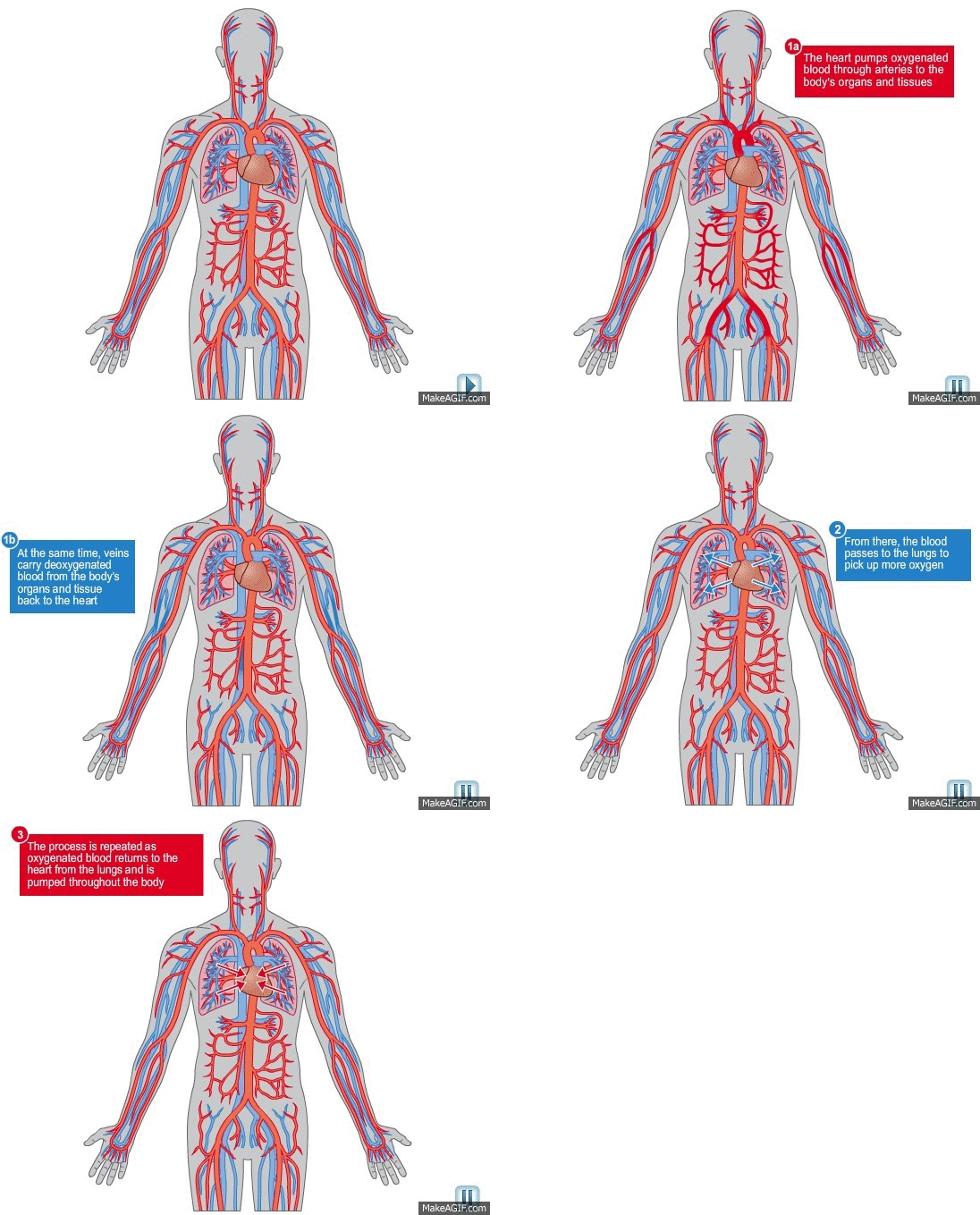
Which of these is not a function of the circulatory system?
a. break down food into nutrients
b. transport nutrients and oxygen
c. remove waste products from the body
d. defend the body against foreign invaders
D. Defend body against foreign invaders
200
Johnny climbed an apple tree. How are Johnny and the apple tree similar to each other?
a. Both are made of cells.
b. Both take in carbon dioxide.
c. Both get nutrients directly from soil.
d. Both get energy from other organisms.
A. both are made of cells
200
A unicellular organism is best described as being
a. a complex organism.
b. a microorganism.
c. an organism with specialized cells.
d. an organism with different types of tissues.
B. a mircoorganism
200
A group of cells performing the same function in the body is called
a. a tissue.
b. an organelle.
c. an organism.
d. a system.
A. a Tissue
200
Which is a major organ of the nervous system?
a. brain
b. stomach
c. lung
d. bone
Brain
200
Oxygen-rich blood returns from the lungs to the heart. Which two systems are most directly involved in this process?
a. excretory(urinary) and digestive (food)
b. circulatory(blood) and excretory (urinary)
c. digestive(food) and respiratory (breathing)
d. respiratory (breathing) and circulatory(blood)
D. Respiratory and circluatory
300
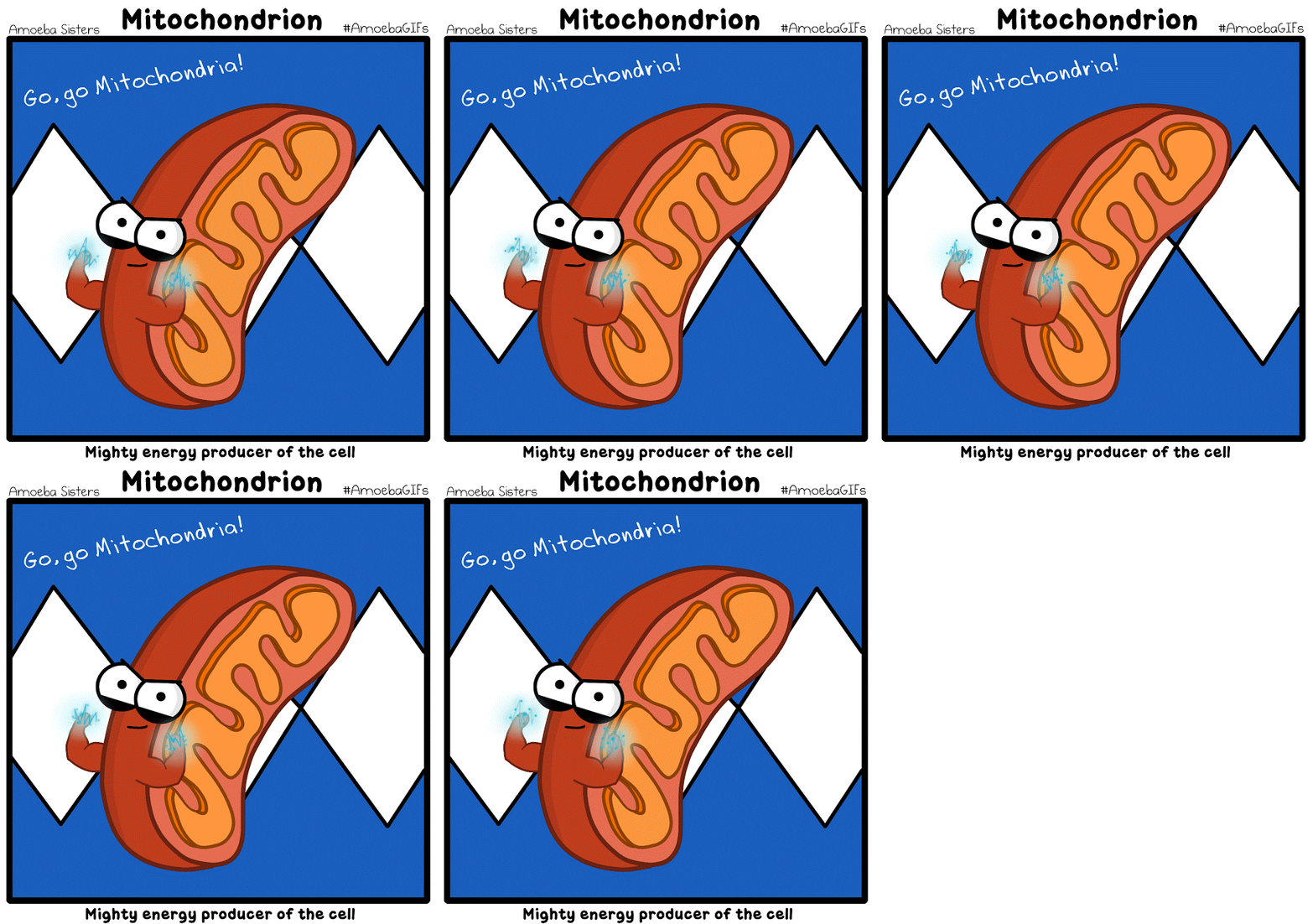
An athlete is running a race. The athlete’s body needs energy. Which type of organelle in the athlete’s cells supplies the energy for cellular function?
a. Golgi apparatus
b. mitochondrion
c. ribosome
d. nucleus
B. Mitochondrion
300
How are plant cells and human cells the same?
a. They can produce their own oxygen.
b. They make their own food from sunlight.
c. They can receive nutrients through the cell wall.
d. They use mitochondria to release energy from sugars.
D. They use mitochondria to release energy from sugars.
300
A group of tissues performing the same function in the body is called
a. a tissue.
b. an organ.
c. an organism.
d. a system.
B. An Organ
300
Which is one reason why the heart pumps faster during exercise?
a. the need for increased digestion to provide fuel
b. the elevated demand for fuel and oxygen in the muscles
c. the decreased demand for blood flow to central nervous system
d. the contraction of blood vessels to muscles, increasing blood pressure
B. The demand for fuel and oxygen in the muscles
300

In the human body, the circulatory system (blood) works with the respiratory system ( breathing) by
a. producing red blood cells.
b. transporting oxygen to organs.
c. providing nutrients to muscles.
d. controlling the movement of the lungs.
B. transporting oxygen to organs
400

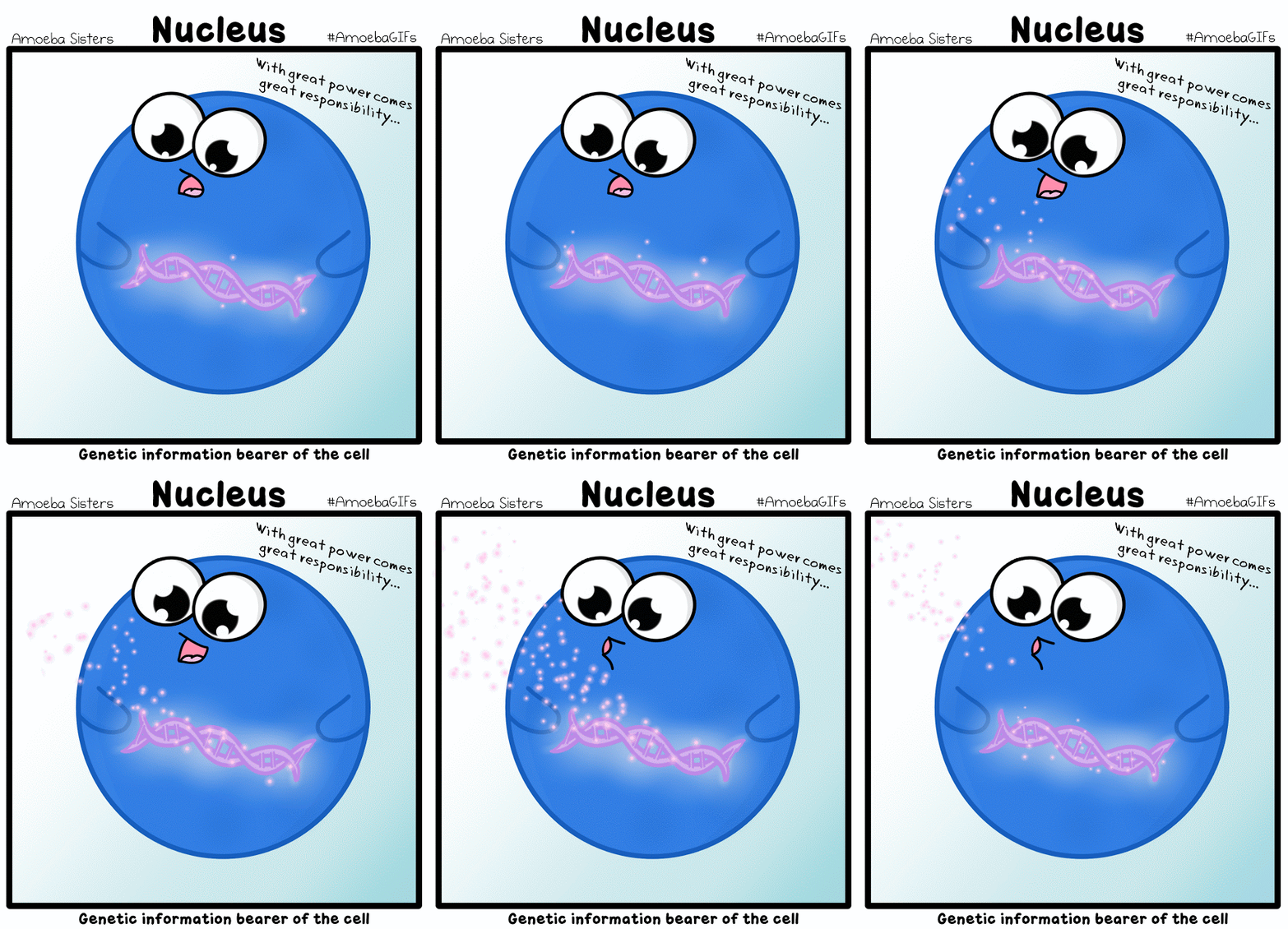
Which organelle stores DNA and acts as a control center for the cell?
a. mitochondria
b. ribosomes
c. nucleus
d. nucleolus
C. Nucleus
400
The cells of a plant help the plant maintain its life functions. What part of a plant cell has the function of producing sugar in the presence of sunlight?
a. chloroplast
b. cytoplasm
c. mitochondria
d. nucleus
chloroplast
400
Agnes learned that the brain, spinal cord, and nerves work together. What do they combine to form?
a. a cell
b. a tissue
c. an organ
d. a system
D. A system

400

When a person’s arm touches something hot, the muscles in the arm react to pull the arm away. Which body system alerts the muscles to react?
a. Nervous
b. Digestive
c. Circulatory
d. Respiratory
Nervous system
400
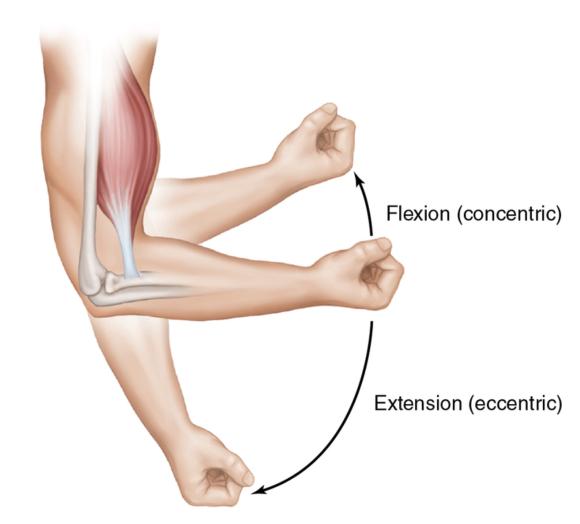
How do muscles and bones work together to create body movement?
a. The muscles pull on the bones.
b. The muscles protect the bones.
c. Muscles grow at the same rate as bones.
d. Muscles send electrical impulses to bones.
A. They pull on the bones
500
Which cellular structure allows nutrients to pass into cells?
a. mitochondrion
b. nucleus
c. membrane
d. chloroplast
C. Membrane
500
What is the green pigment that allows plants to change the Sun’s energy into chemical energy (photosynthesis)?
a. glucose
b. chlorophyll
c. mitochondria
d. photosynthesis
B. Chlorophyll
500
Which list correctly shows how these levels are organized from the simplest to the most complex?
a. tissue, cell, organ, organ system
b. organ, cell, organ system, tissue
c. cell, tissue, organ, organ system
d. organ system, tissue, organ, cell
C. cells make tissues, tissues make organs, organs make organ systems

500

The digestive system breaks food into simple substances (nutrients) that the body can use. What system carries these simple substances(nutrients) from the digestive system to other parts of the body?
a. circulatory
b. nervous
c. respiratory
d. skeletal
circulatory system
500

Students run laps around the track in physical education class. After a few laps, the students’ breathing gets heavier, and their pace begins to slow. The students are most likely slowing down because
a. they are exhaling carbon dioxide.
b. their lung cells are multiplying.
c. their respiratory system stops functioning.
d. they are getting less oxygen to their cells.
D. less oxygen to your cells