Ocean Floor
Ocean Life
Ocean Terms
Ocean Motion
Potpourri
100
What is the deepest feature of the ocean called?
Oceanic Trench
100
What is the name of the ocean feature where most ocean life lives?
Continental Shelf
100
What is the amount of salt in a body of water known as?
salinity
100
What natural ocean occurrence do sailors use to help them move across the ocean?
currents
100
A bowl of assorted (different), individually wrapped, candies, would be considered an example of this . . .
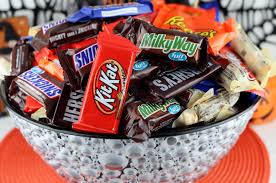
a mixture
200
What is the flat, vast area of the ocean floor?
The abyssal plain
200
What is the name of the tiny creatures that form the base of the ocean food webs?
plankton or phytoplankton and zooplankton
200
This warm river of water in the Atlantic Ocean, moving north along the East Coast of the United States, carries warm water to Europe.
the Gulf Stream
200
What two celestial bodies are responsible for ocean tides?
the sun and the moon
200
Sharks, dolphins, orcas, or seals are part of the ocean food web known as these . . .
consumers
300
What ocean floor feature is a shallow area of sediment near the shore where coral sits?
The continental shelf
300
What is the name of animal-like plankton?
zooplankton
300
Saltier, colder ocean water is more ________ than warmer, fresher ocean water.
dense
300
Surface currents affect what two things?
weather and climate
300
Phytoplankton, seaweed, or kelp are part of the ocean food web known as these . . .
producers
400
Transition area where the continent ends and the ocean begins.
The Continental Rise
400
Phytoplankton are plant-like produces that get their energy from this.
the sun
400
This shows how energy is passed from one living thing to the next.
food web
400
Differences in water density caused by temperature and salinity create these.
deep ocean currents or deep water currents
400
A powdered drink, like Kool-Aid, would be an example of this . . .
a solution
500
Long mountain chains that run along the ocean floor; formed from volcanic activity
Ocean ridges
500
As ocean depth increases what happens to the following?
light: _____________
temperature: _____________
pressure: _____________
life: _____________
light decreases
temperature decreases
pressure increases
life decreases
500
The interaction of living and non-living things in an ocean environment.
compounds
500
These two things cause surface ocean currents.
wind and the rotation of the Earth or wind and the Coriolis Effect
500
Algae (phytoplankton) in the ocean provide much of the Earth's this . . .
oxygen