Heat Illness
LPG Cylinder Safety
Forklift/Yard Goat Safety
Working at Height
100
This illness is caused when the body cannot cool itself down.
What is Heat Illness
100
True or False: The LPG Tank exchange process is safest when completed outdoors
What is True
100
True or false: Operators are required to complete the Qualification and Certification process before operating any equipment
What is True
100
Leadership must validate and have these documents before allowing anyone to work at height
What is the MHE certification documents and the MHE operator license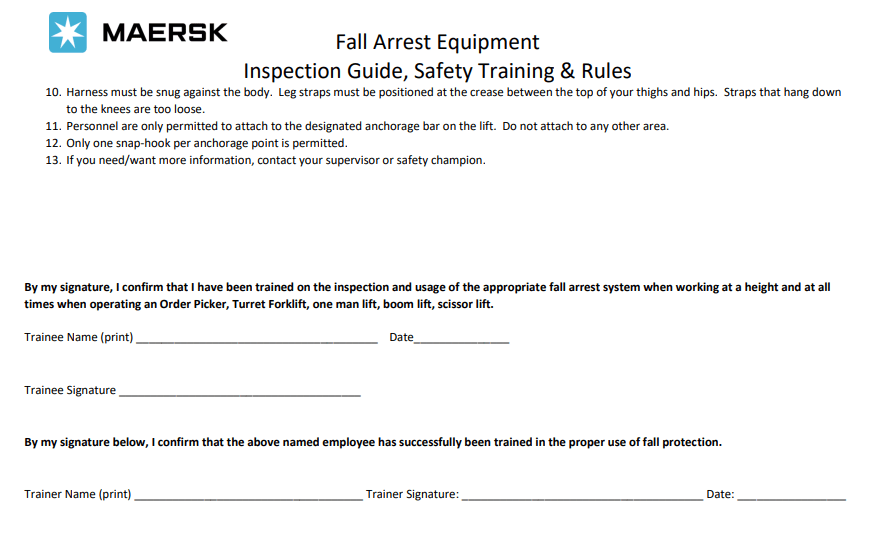
200
All Heat Illness symptoms and concerns should be reported to
Who is the Supervisor/Manager & HSE?
200
These are chemical-resistant PPE required when handling LPG Cylinders
What are chemical-resistant gloves, chemical-resistant goggles, chemical-resistant face shield, chemical-resistant apron
200
The _____________ process validates previous experience and reviews Maersk's expectations and site specific rules for operating equipment in a classroom setting which consists of but is not limited to: Safety video, PowerPoint presentation, written test, etc...
What is Qualification
200
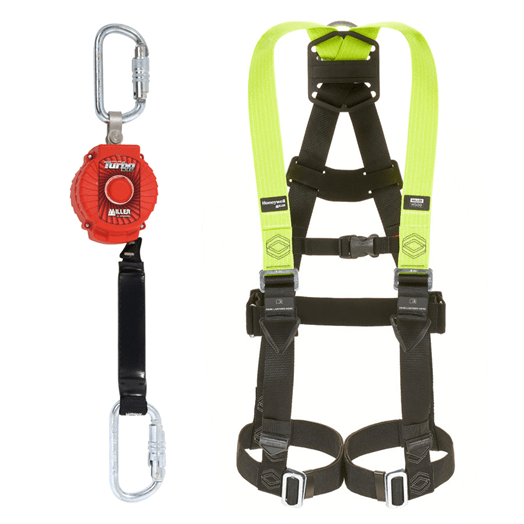
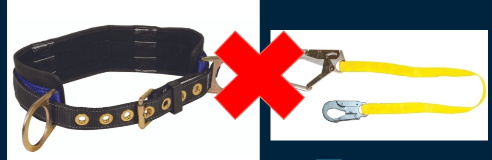
This PPE is required for working at height
What is a body harness and a self-retractable lanyard with a life span of *5 years from the date of service.
300
These are the physical and behavioral warning signs someone may experience during heat illness
What is: Dizziness, headache, sweating, confusion, cramps, nausea
300
This handling aid is a required tool for transporting LPG Cylinders
What is an approved Cylinder dolly with a strap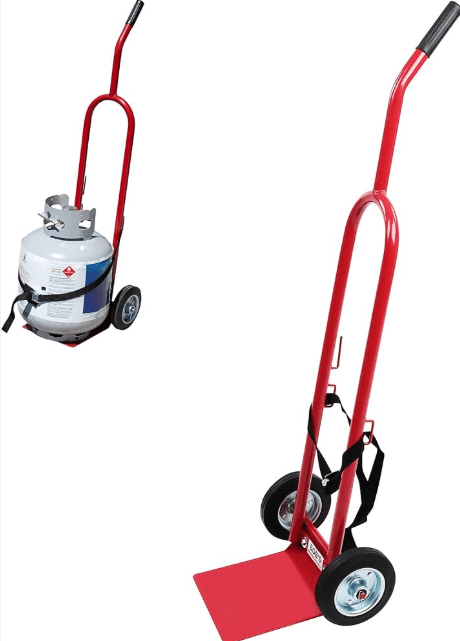
300
The qualification process shall be successfully completed/passed and documented prior to moving on to the _____________ process
What is Certification (Address and equipment-specific hands-on evaluation on real tasks in a real work environment. Verification of understanding and execution of Maersk's safe equipment operation procedures)
300
This must be done before energizing equipment when fall arrest protection is required.
What is inspecting the fall arrest equipment, adjusting the harness to fit properly, and connecting to the designated anchorage point before exposure to the fall hazard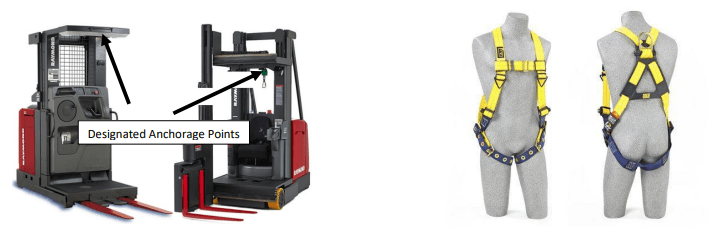
400
Employees at increased risk for Heat Illness
Who are: New employees, personal medical conditions, lack of water/rest/meals
400
These three warning signs can help identify a propane leak.
What are smell, sound, and sight/frost?
400
True or false: An operator's performance evaluation must be site/address specific
What is True
400
True or False: It is ok to step off the platform of an elevated equipment and onto the forks, pallets, racking, shelving, product, etc.
What is False: Operators shall always remain inside the confines of the equipment (i.e., Order Picker, Turret Truck, Scissor Lifts, etc.)
500
The most serious life-threatening type of heat illness
What is Heat Stroke
500
Propane cylinders must always be stored here
What is outdoors, inside a cylinder cage, and a minimum of 25 feet away from building entries/exits
500
Refresher training and recertification are required at a minimum of:
What is every 3 years minimum
500
These physical controls help prevent falls at height by separating the employee from the edge or fall hazard, instead of relying only on PPE.
What are guardrails, approved platforms, barriers, or other engineering controls?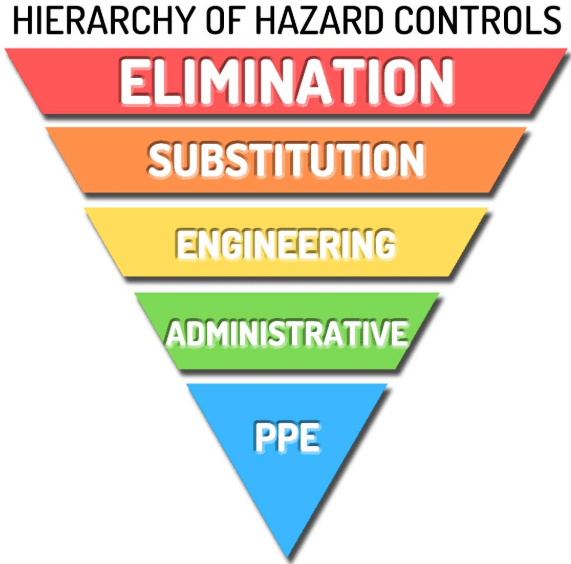
600
During extreme heat and humidity, this plan outlines leadership’s responsibilities, including reviewing risks, enforcing controls, and ensuring compliance across operations
What is the Heat Illness Prevention Plan (HIPP)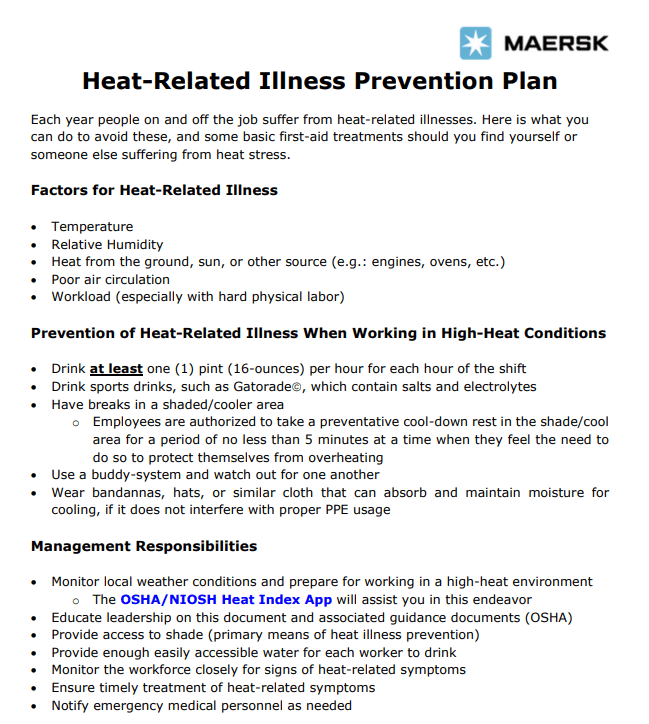
600
When do you take a Propane Cylinder out of service?
What is Damage, Rust, Dents, and Leaks. (Leadership is to remove the tank from service, and 3rd party service or vendor shall be requested to come and inspect or replace the tank)
600
True or False: Train the Trainer authorization allows individuals to validate and certify new equipment operators, but does not grant authority to operate, train other train the trainers, or train anyone not previously identified as "qualified" (prior experience)
What is True
600
True or False: The self-retracting lanyard and body harness is the most effective control when Working at Height
What is False: A self-retracting lanyard and body harness are PPE, and PPE is considered the least effective control because the fall hazard is still present. The employee is still exposed to the edge, opening, or elevated work area.