US actions during WW I
Nations at war
By the numbers...
Hot mess! (miscellaneous)
Who's that?
100
Food, heating oil, gas.....many items were in limited supply during the war and people could only buy small amounts at a time. What was this practice called?
Rationing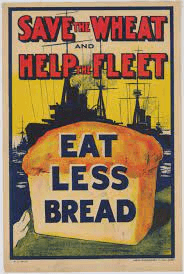
100
Name 3 of the "Central Powers" nations:
Germany, Austria-Hungary, Ottoman Empire, Bulgaria
100
Approximately how many died because of World War I?
8 - 10 Million
100
Which nation's forces were the first to start using poison gas on the battlefields?
Germany
100
Who was the US president during World War I?
Woodrow Wilson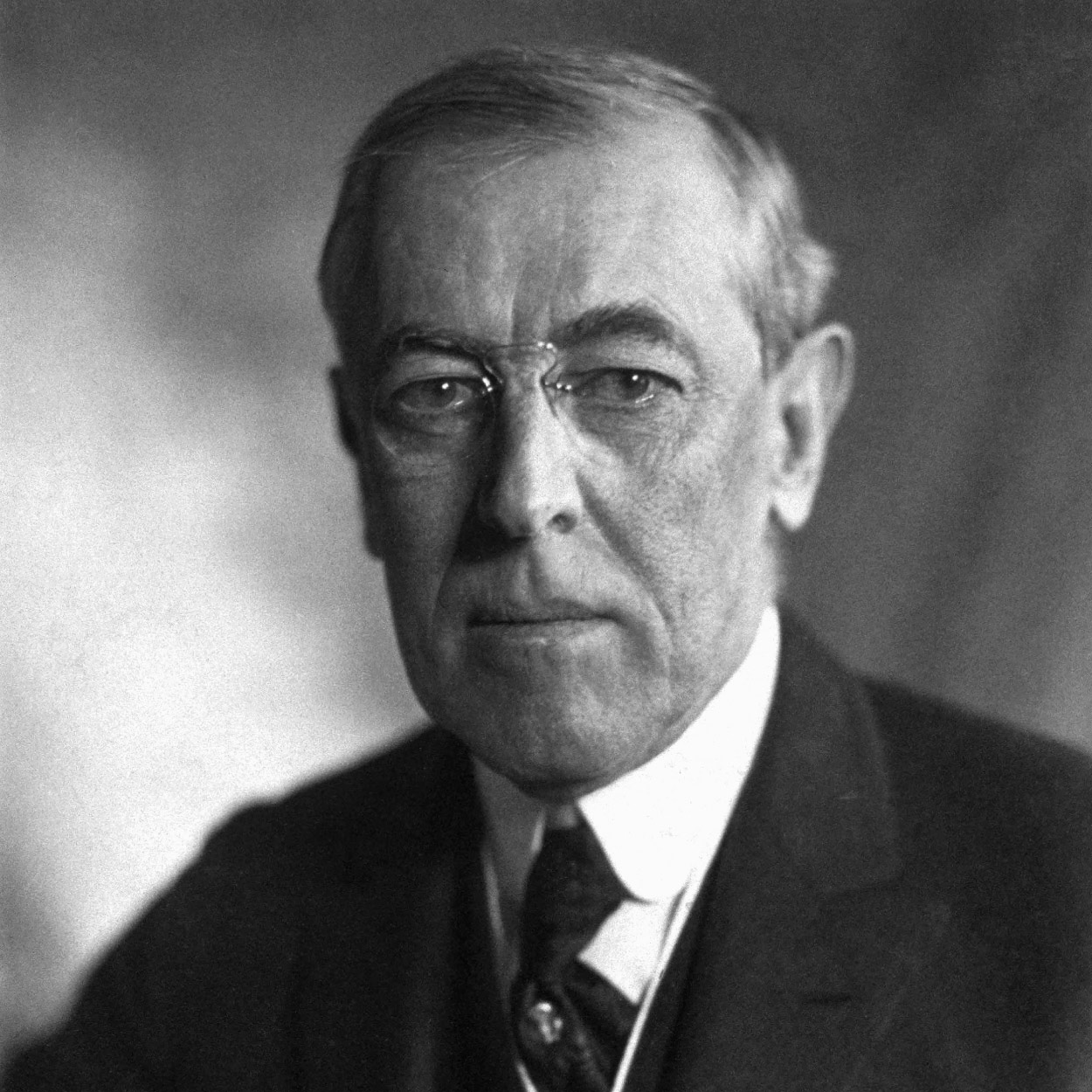
200
The American people started renaming food and other items during the war in response to an enemy nation's actions. Which was the nation that we refused things in their language?
Germany. We renamed sauer kraut for "liberty cabbage" ..... frankfurters for "hot dogs", etc.....
200
List 4 of the "Allied Powers" nations:
France, England, Russia (until 1917), United States....
200
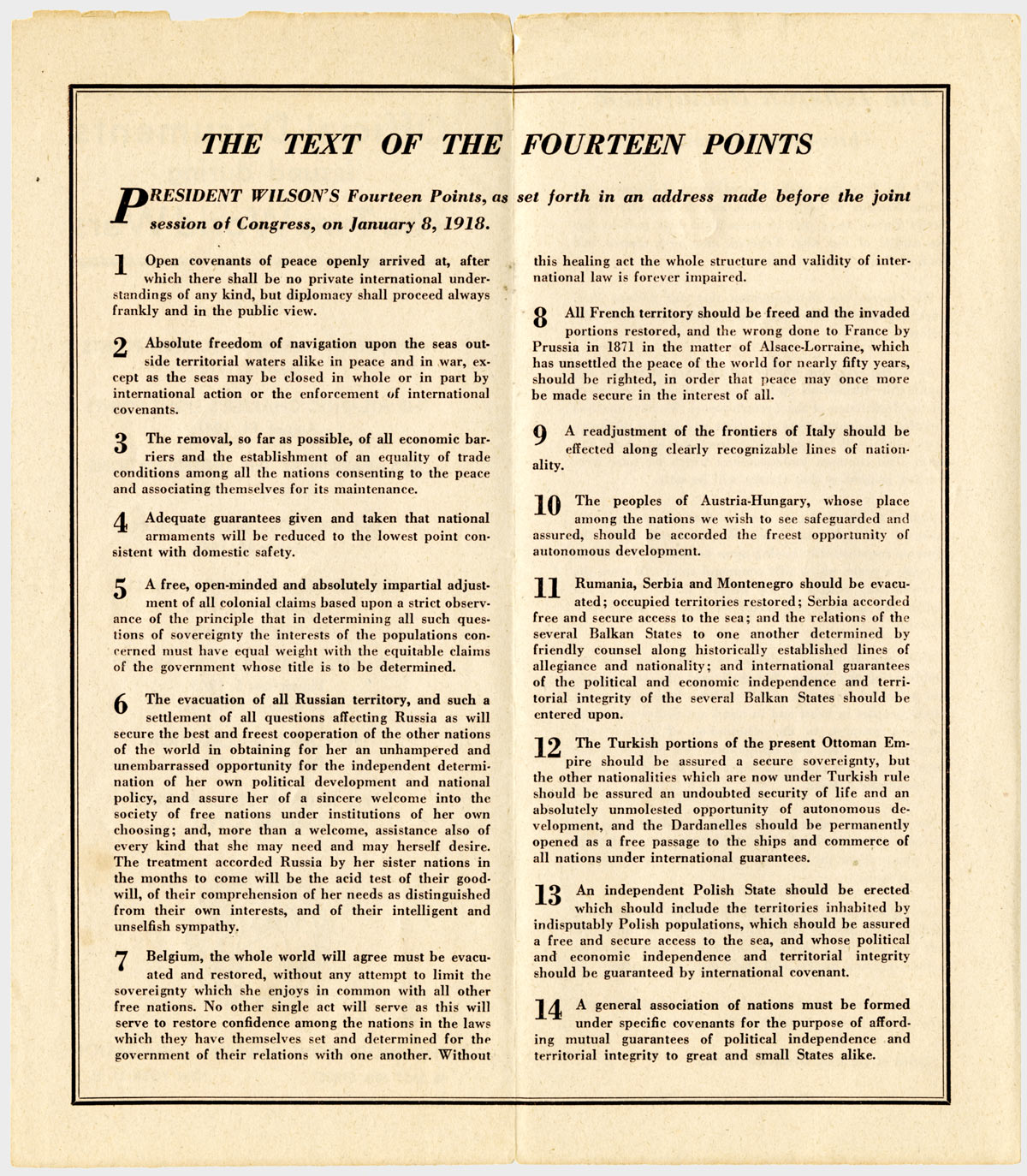
How many "points" were in President Wilson's peace plan for Europe?
Fourteen (called his "Fourteen Points")
200
A situation where neither side of a conflict is taking any land or making any progress is known as:
Stalemate
200
Which country had most of the blame for the war heaped on it, and had to make most of the war reparations (payments for the destruction)?
Germany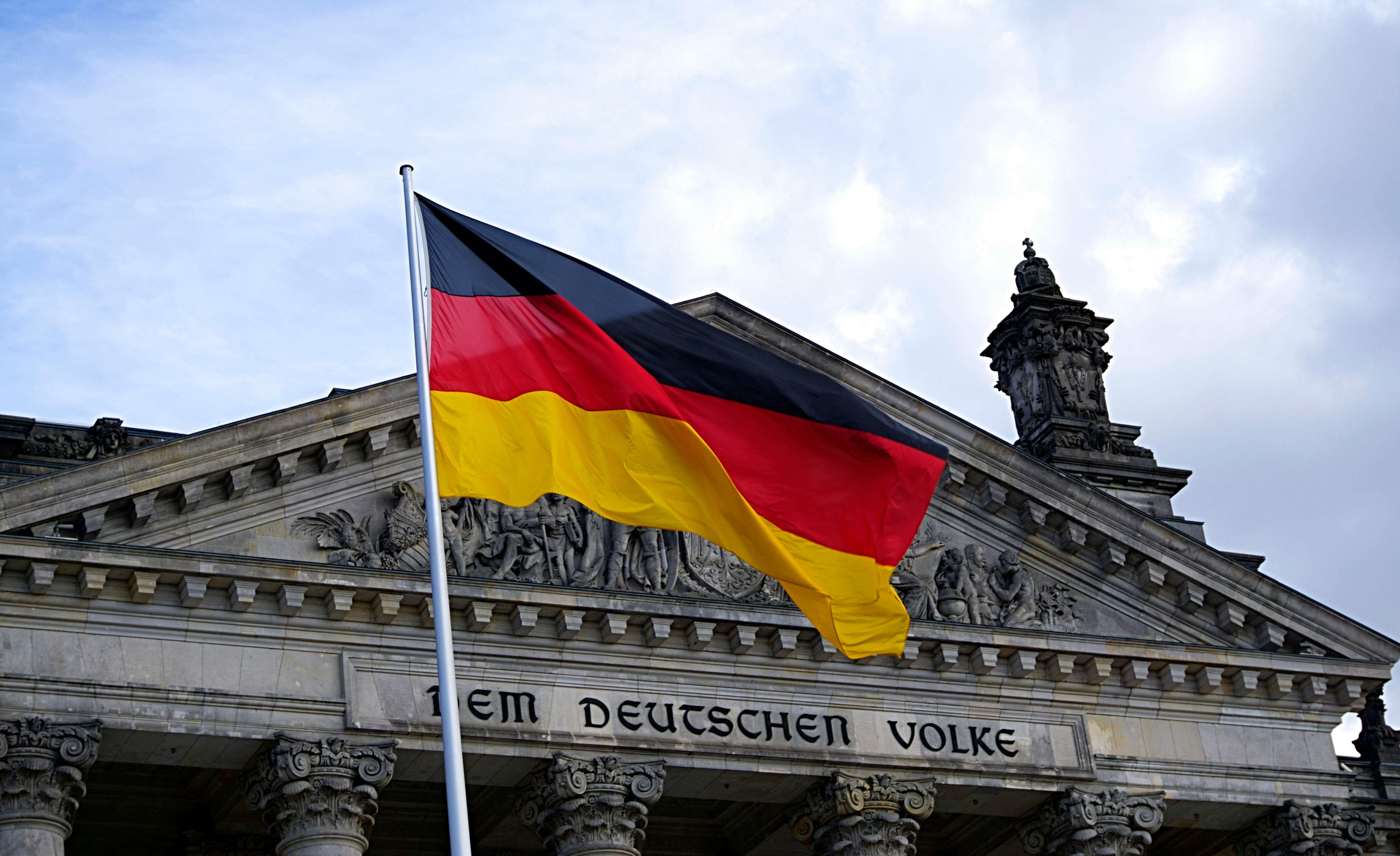
300
The US entered World War I in what year AND what was the biggest killer of soldiers during the war?
Options to the second question include:
1. Poison gas
2. Artillery
3. Small arms fire
1917; artillery (large caliber guns, i.e., cannons)
300
The "October Revolution" saw which nation pull out of World War I, pay reparations to Germany, and give up about 30 % of its land to its former enemy?
Russia (the revolution happened in October 1917 and peace did not come to Russia even after exiting the war)
300
With women filling the empty jobs of the men who went off to war, the desire for women's independence and the right to vote became very strong. Finally, in 1920, women got the right to vote. This happened after the passage of which Amendment to the Constitution?
19th Amendment
300
Of the acronym "M.A.N.I.A.", give the words that stand for any three of the five letters:
M - Militarism
A - Alliances
N - Nationalism
I - Imperialism
A - Assassination
300
What was the person's name who was killed by an assassin, some say was the "spark" that began the war?
Archduke of Austria-Hungary (he was to be the next king) Franz Ferdinand and his wife Sophie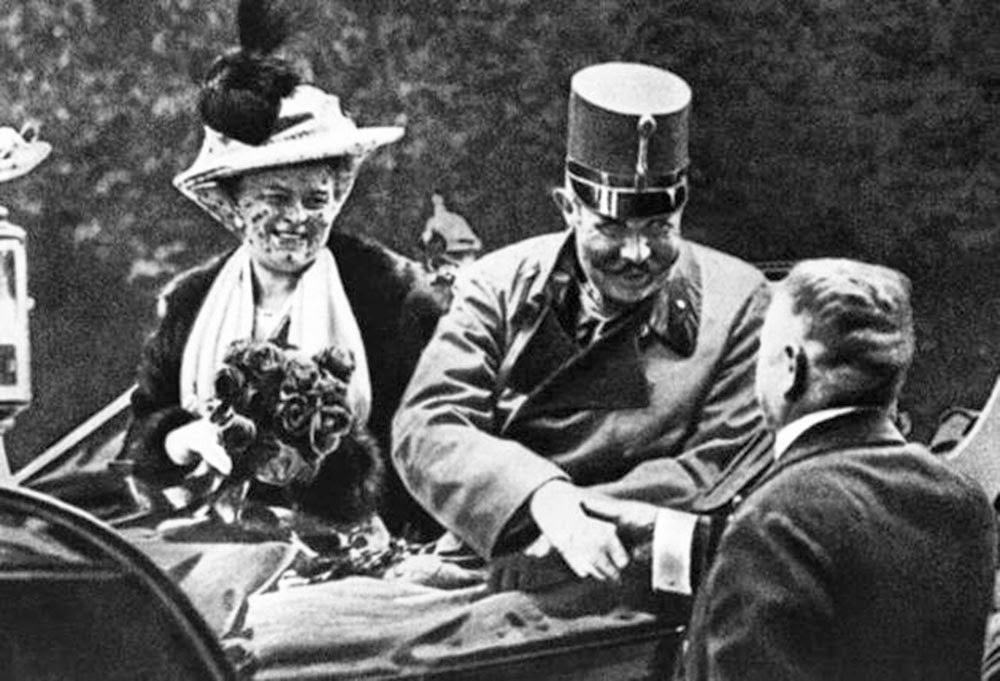
400
Congress passed this Act to help find enemies of the US government, also known as spies ..... what's its name?
The Espionage Act
400
What was the empire that broke apart and was divided by the Allied Powers after WW I into four, separate countries?
Austria-Hungary Empire; it was broken up to form Austria, Hungary, Czechoslovakia, and Yugoslavia.
400
What's the name of the ship sunk by Germany in 1915 that helped bring the US into the war?
Lusitania
400
What's the two-word name where Americans grew their own vegetables to save food for the war effort?
Victory garden
400
Who was the Serbian assassin whose murderous actions likely began WW I?
Gavrilo Princip He died of tuberculosis in prison in 1918......
500
This Act by Congress punished people for even saying bad things about the war and not being "loyal" to the war effort. What was it called?
The Sedition Act
500
All that's left of this former 600-year old, once powerful empire is the nation of Turkey, as it crumbled at the end of WW I. What was that empire?
Ottoman Empire
500
What's the name of the British ship sunk by the Germans, in response to the British blockade on Germany NOT being lifted?
Sussex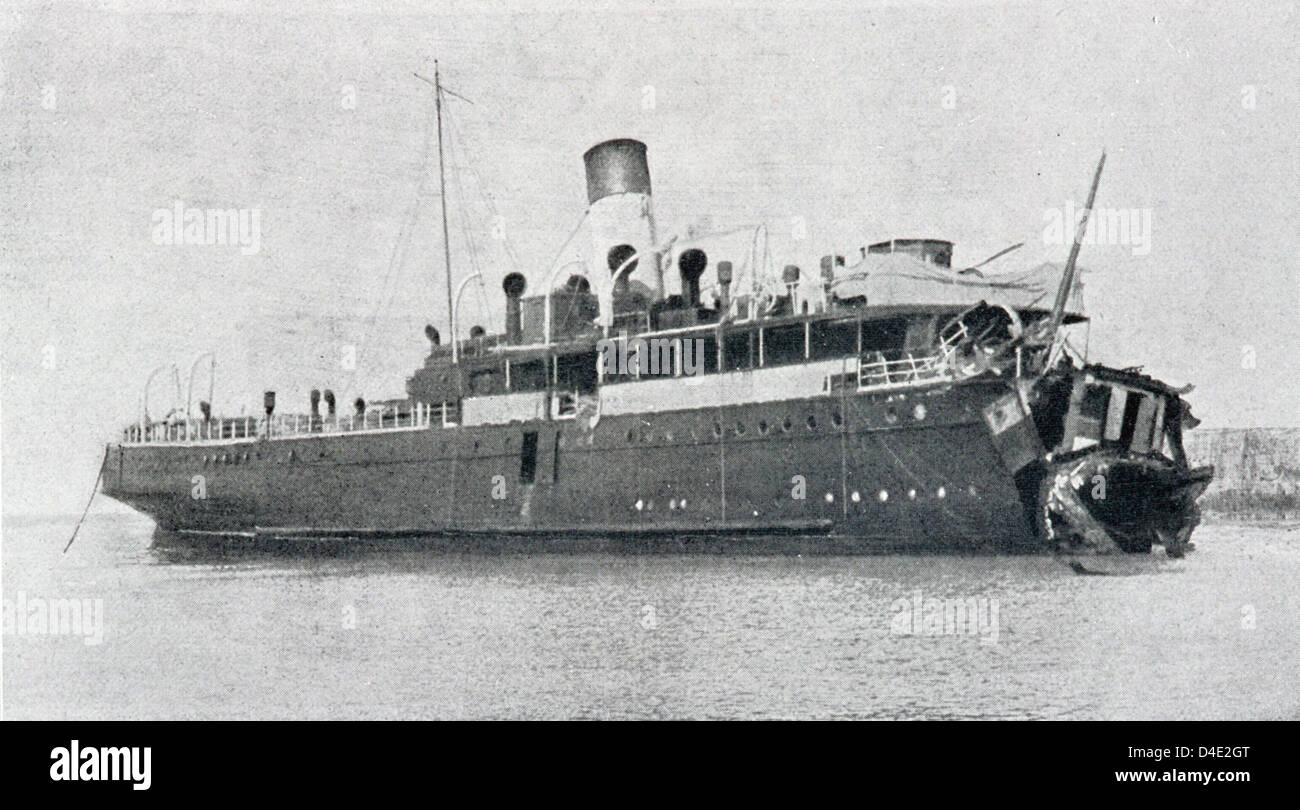
500
Which was NOT a major battle of WW I:
1. Verdun
2. Ypres
3. Bastogne
4. Jutland
Bastogne; this was a battle between German and American forces in Belgium in 1944.
500
Which Americans suffered some loss of their civil liberties (freedoms) as a result of discrimination during WW I?
German-Americans