Chapter 1
Chapter 3
Readings
100
Explain how one aspect of your identity changes your worldview.
Worldview: a psychological perception of an environment that determines how we think, behave, and feel.
Many answers work here.
Example: I am white, so when I leave my house, I do not often think about my race (privilege).
100
Explain the difference between Pike and Harris's views on emic vs etic perspectives.
Pike: Believes that the etic perspective helps to get to the emic perspectives. The etic perspective is useful for learning, but it isn't reasonable to call it objective.
Harris: Etic is possibly objective and useful for research. There is not a need for the emic perspective.
100
In Grant (2016), why do you think he named the paper, "People Like Us"?
This paper considers MN nice and who we consider to be a part of "us". A large chunk of this is related to race and what we consider to be "normal".
200
Explain the difference between race and ethnicity. Give an example!
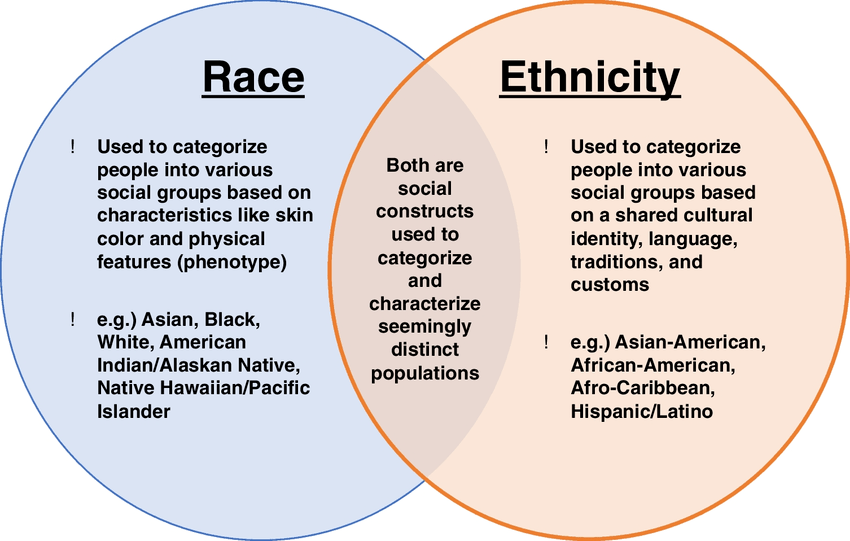
Ethnicity is a combination of race & culture!
200
Think back to Mischel's Delay of Gratification research. How does this relate to the emic and etic perspective?
Mischel used their etic perspective to ascribe "bad" qualities to the children who waited less long to eat the marshmallow than the other children. Looking at this from an emic perspective might cause the researcher to identify other reasons that the children may have eaten the marshmallow right away.
200
In Forster-Scott and Peters (2020), what is person-in-context, and how is it helpful in helping fields like therapy?
Person-in-context is looking at a person as a whole, identifying their intersecting identities and finding ways to tailor your help to the client.
300
Name 2 tenets of Multicultural Theory in your own words. Why is each valuable?
There are 6 possible tenets and many many answers.
300
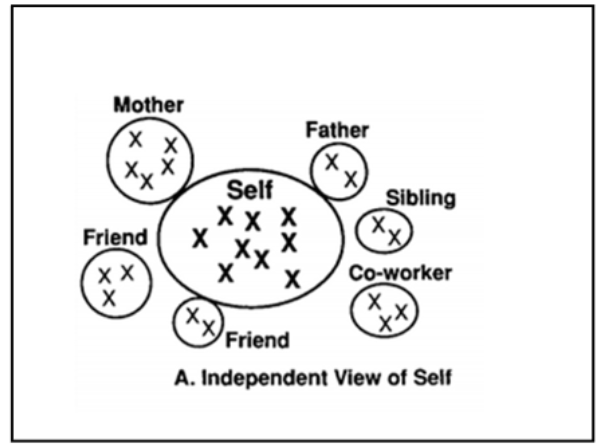
Give me an example of a time in which having an individualistic and independent self-construal might change your behavior.
Many answers!
300
In Forster-Scott and Peters (2020), what is the difference in taking the “what happened to her” vs. “what is wrong with her” approach to supporting Women of Color as they improve their life and sport experiences?
Consider worldview here and privilege.
400
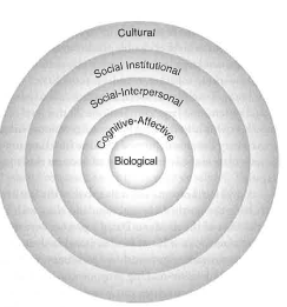
Draw out the levels of the biopsychosocial model. Give an example of each level.
400
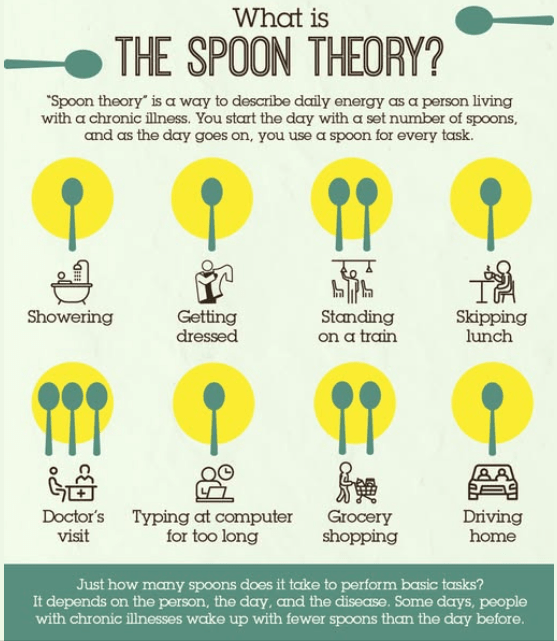
Explain Spoon Theory! What are some possible shortcomings?
Possible Shortcomings: It is an oversimplification of a complex issue. It might suggest that tasks have fixed costs. It might not account for the emotional toll of having to track energy levels.
400
In Grant (2016), does the author favor a color-blind approach (i.e., I don’t see color)? Explain your response.
The short answer to this is no. Colorblindness sets up whiteness as normal; this places People of Color in the category of abnormal. This causes whiteness to be ignored, while inherently saying it is "better".
500
You are in a room with Diversity, Equity, Inclusion, and Justice. Choose a social issue to explain what each "person" might say on the matter.
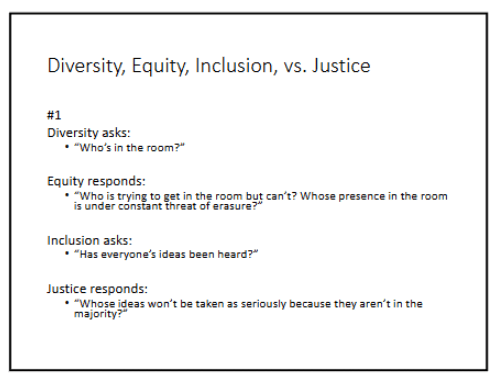
500
HELP QUICK your TA could not access any information on Harper High School. Tell me in as much detail as you can what this was about! Connect it to two course concepts.
Thank you for your kind help!
500
Discuss what Minnesota Nice is and identify the positive and negative aspects of this cultural orientation.
Many Answers!