Anatomy
Fractures, Sprains, and Strains
Splints and Splinting
Amputations and Dislocations
Old Stuff
100
The largest, strongest bone in the body.
What is the femur?
100
This type of fracture is only common in children.
What is a greenstick fracture?
100
The term for a fracture with broken skin above the fracture site.
What is an open fracture?
100
The most common finding with a dislocation.
What is joint immobility?
100
This type of ambulance consists of a box on a van chasis.
What is a Type III?
200
This tissue connects muscle to bone.
What is a tendon?
200
This is checked prior to and upon completion of applying a splint.
What are pulse, motor, and sensory function?
200
The goal of long bone splinting is to immobilize these two areas.
What are the joints above and below the fracture?
200
The patient with medial leg rotation and painful deformity at the hip likely has experienced this.
What is a hip dislocation?
200
This location receives 9-1-1 calls from the public.
What is a public service answering point(PSAP)?
300
The term for the bones of the wrist.
What are the carpals?
300
Elderly females are prone to nontraumatic fractures due to this condition.
What is osteoporosis?
300
The primary reason for applying a splint.
What is to minimize further injury?
300
Dislocations are splinted in this position.
What is the position found?
300
The three meanings for the "P" in "OPQRST.""
What are palliation, provocation, and postioning?
400
The hip is this type of joint.
What is ball and socket?
400
You note a loss of distal pulse after applying splint. You suspect the most likely cause to be.
What is the splint is too tight?
400
Your closed tibia/ fibula fracture patient is complaining of a burning sensation, paresthesia, and you note the leg feels hard upon palpation. The patient is most likely experiencing this condition.
What is compartment syndrome?
400
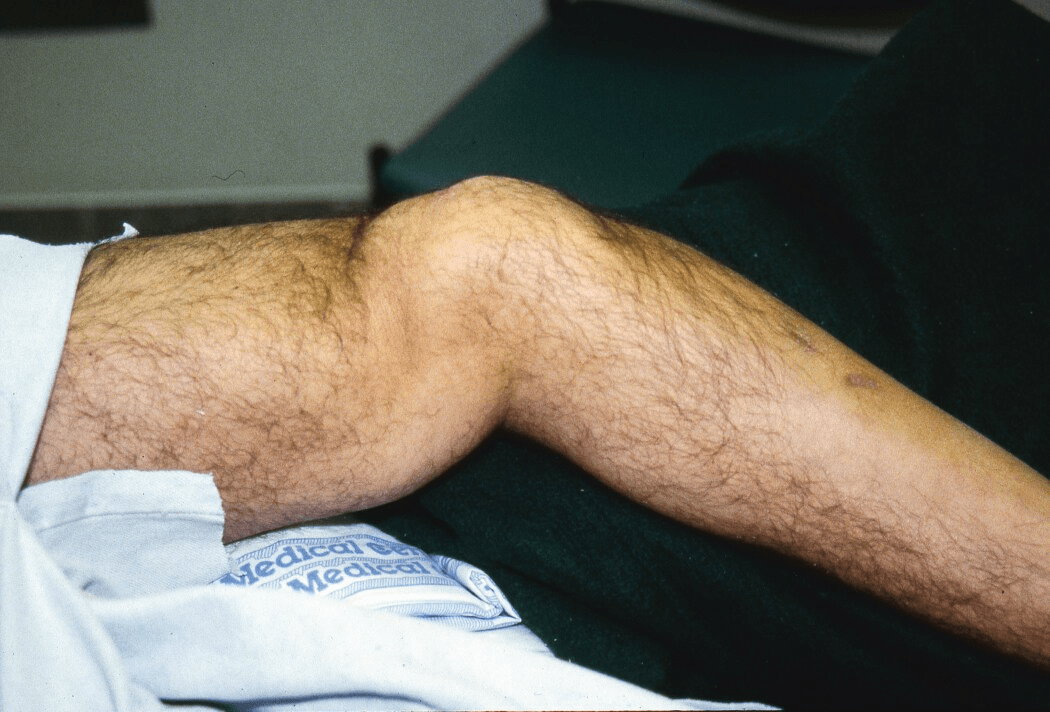 The dislocated joint seen here.
What is the knee?
400
The four elements of negligence are: duty to act, breach of duty, resultant injury, and this.
What is proximate cause?
The EMTs action caused the injury.
500
The only bone that does not articulate with another bone.
What is the hyoid?
500
The volume of blood which can be lost with bilateral closed femur fractures.
What is 3 liters?
500
The management of a tibia/fibula fracture would require immobolizing these two joints.
What are the ankle and the knee?
500
Dislocations are typically the result of this tissue becoming loosened or torn.
What is a ligament?
500
This was the first paramedic ambulance service in the United States.
What is Freedom House Ambulance Service?