Nebraska Plants
Nebraska Animals
Nebraska Ecological History
Nebraska Natural
Landmarks
Landmarks
Nebraska Waterways
100
This bright yellow wildflower, which is Nebraska’s state flower, blooms throughout the state.
 What is Goldenrod?
100
This yellow-breasted songbird is Nebraska’s official state bird.
What is the western meadowlark?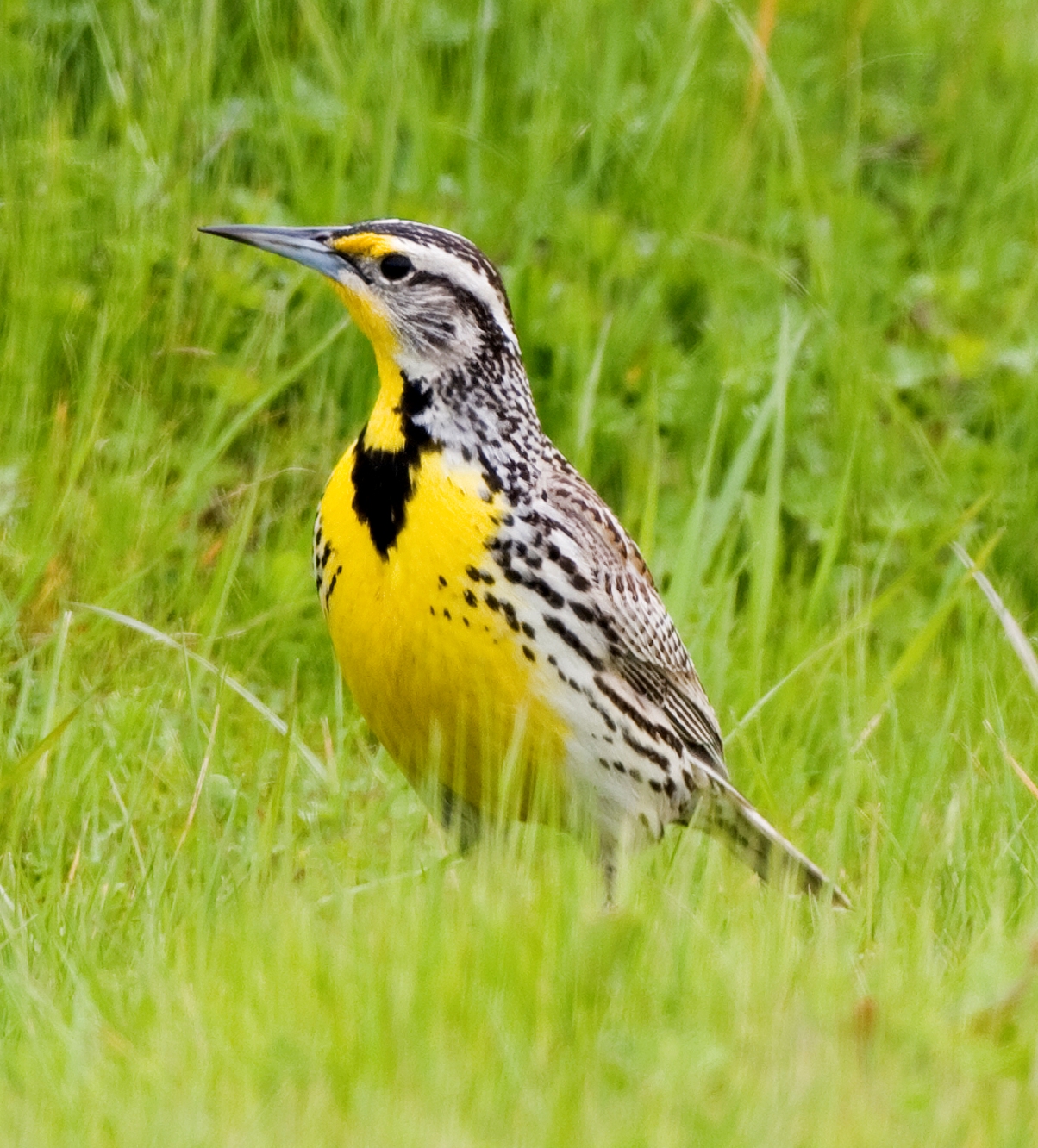
100
Before Euro-American settlement, approximately 98% of Nebraska’s landscape was covered by this type of ecosystem.
What are grasslands or prairies? 
100
This tall rock spire was one of the most recognizable landmarks for pioneers traveling west on the Oregon Trail.
What is Chimney Rock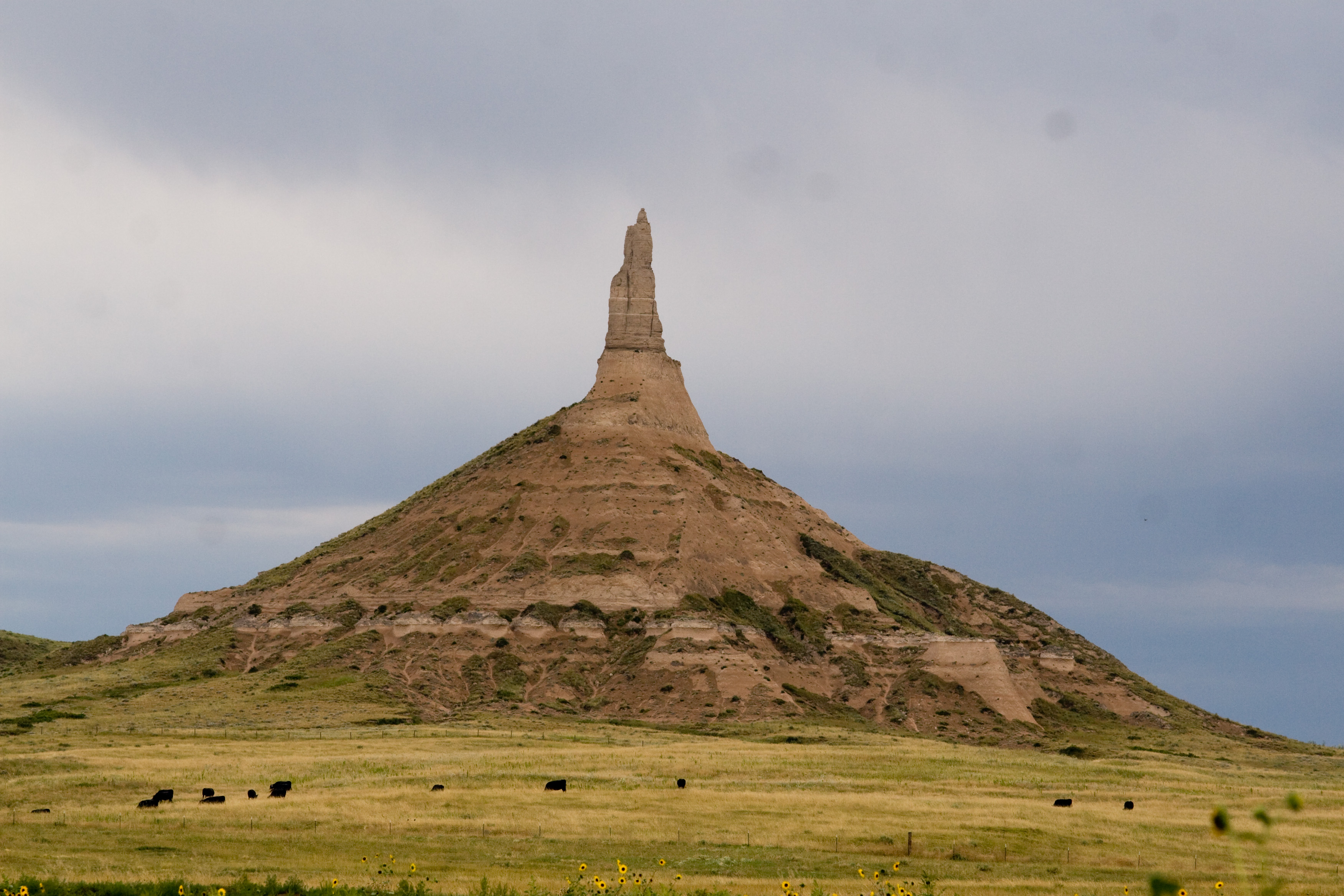 ?
?
100
This major river forms most of Nebraska’s eastern border with Iowa and Missouri.
What is the Missouri River? 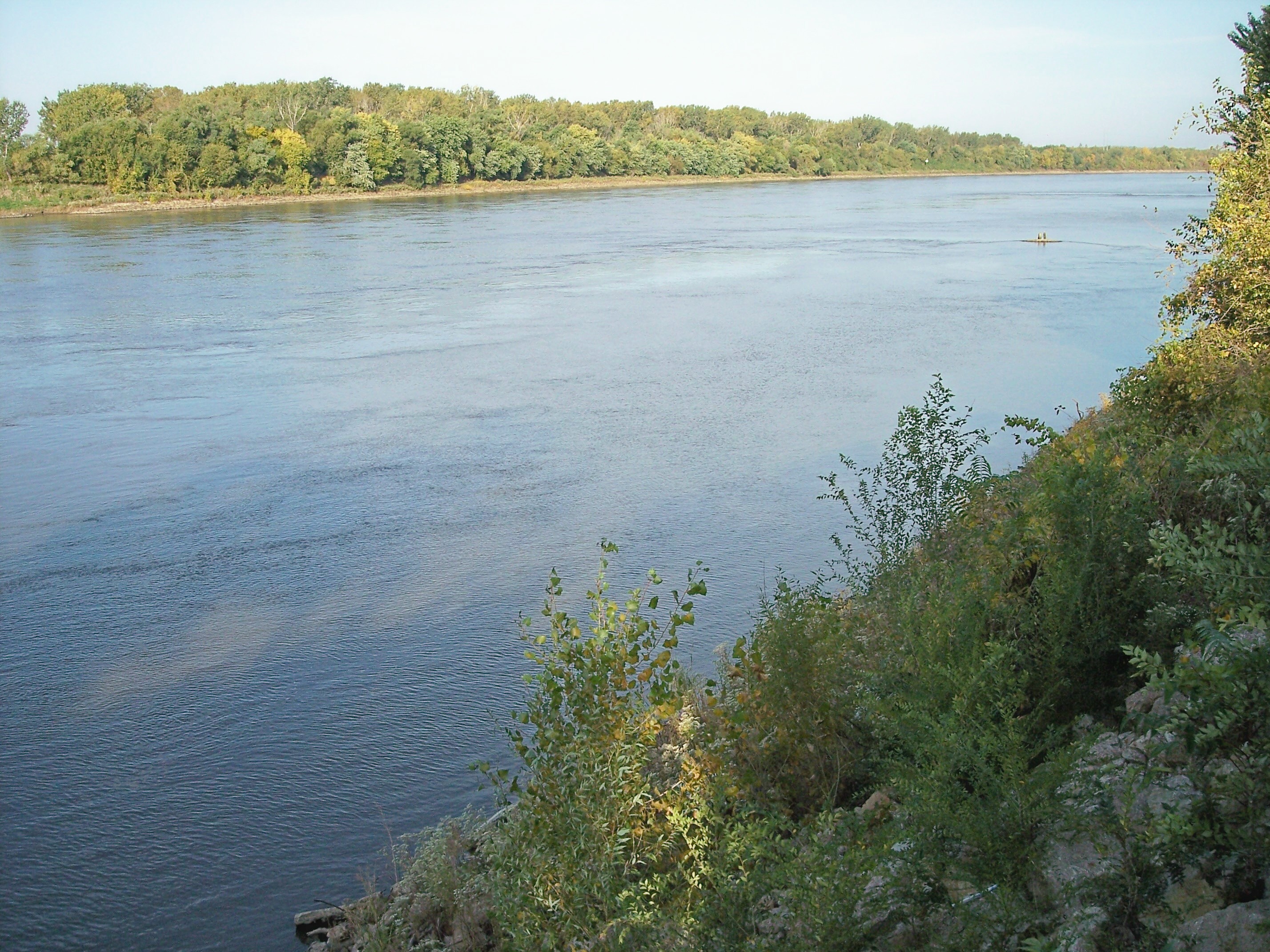
200
This dominant tallgrass prairie species is sometimes called “turkeyfoot” because of the shape of its seed head.
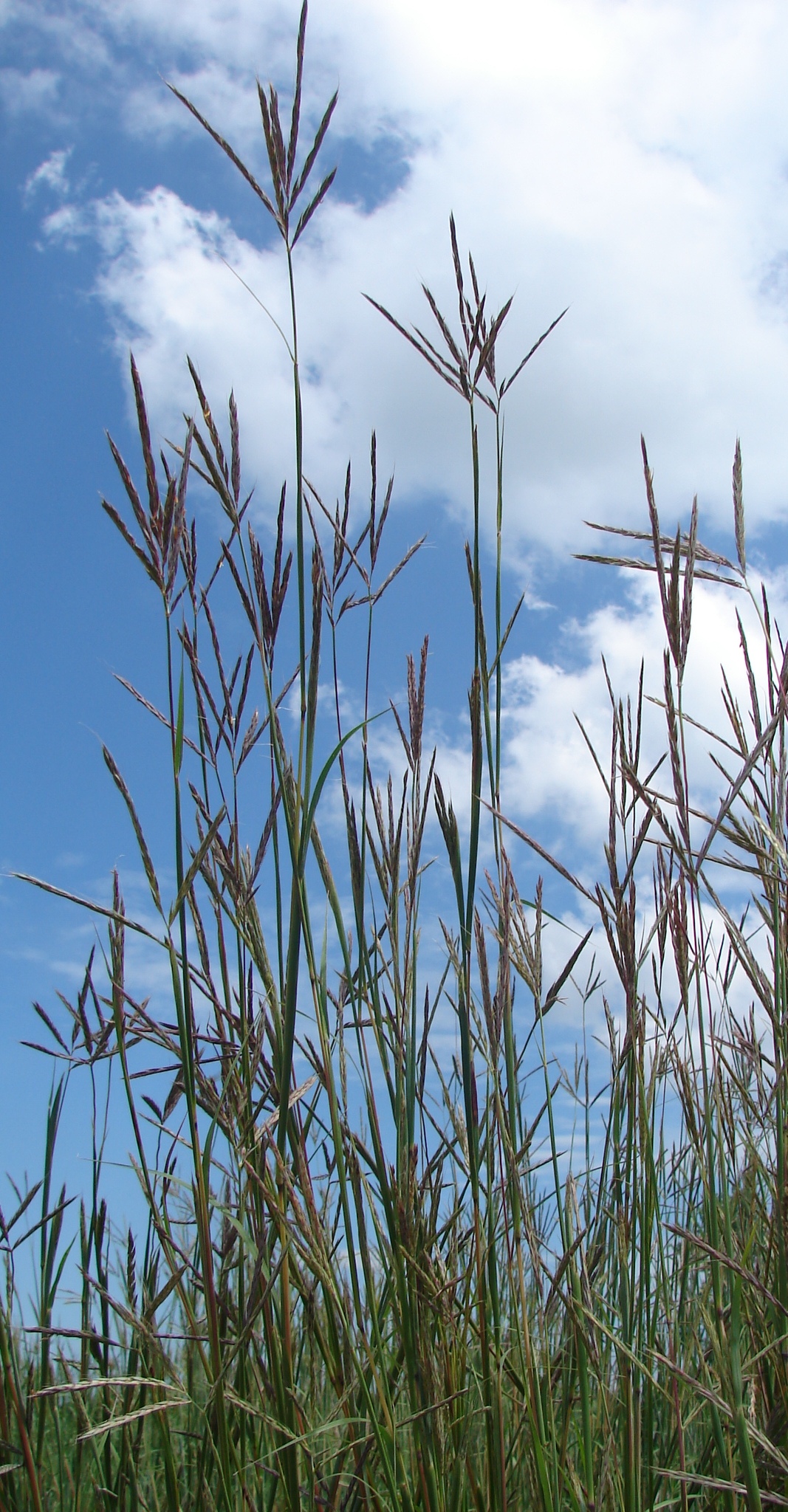 What is big bluestem?
200
Found in Nebraska’s woodlands, brushy areas and farmland, this herbivore is the state mammal.
 What is the white-tailed deer?
200
Once found in enormous herds across Nebraska, this large grazing animal was hunted to near extinction during the late 1800s.
What is the American bison? 
200
Rising about 800 feet above the North Platte River, this rock formation guided travelers along the Oregon, California and Mormon Trails.
What is Scotts Bluff? 
200
The North Platte and South Platte rivers meet near the city of North Platte to form this river.
What is the Platte River? 
300
This evergreen tree can rapidly replace prairies when periodic fires are removed from the landscape.
 What is eastern redcedar?
300
Around 1,000,000 of these tall birds with very long legs gather in Nebraska’s central Platte River Valley during their spring migration.
 What are sandhill cranes?
300
During this environmental disaster of the 1930s, drought, strong winds and poor land-management practices caused severe soil erosion across the Great Plains.
What was the Dust Bowl? 
300
Located near Valentine along the Niobrara River, this is Nebraska’s tallest waterfall.
What is Smith Falls? 
300
A 76-mile portion of this northern Nebraska river is protected as a National Scenic River and is popular for tubing and canoeing.
What is the Niobrara River? 
400
This threatened white-flowered species is one of Nebraska's Rarest Plants, it grows in wet prairie and can reach approximately three feet tall.
What is the western prairie fringed orchid?
400
Eliminated from Nebraska by the 1890s, this large mammal naturally returned to our state from populations in Colorado, South Dakota and Wyoming.
 What is the mountain lion?
400
Before cornfields covered much of the Platte River Valley, sandhill cranes ate the underground tubers of this wetland plant.
What is nutsedge? 
400
This park in northwestern Nebraska is named for its unusual mushroom-shaped rock formations.
What is Toadstool Geologic Park?
400
Despite its name, this southern Nebraska river was not named for a political party but for a branch of the Pawnee people.
What is the Republican River? 
500
This carnivorous plant, found in Nebraska’s Sandhills wetlands, traps insects using sticky hairs on its leaves.
 What is round-leaved sundew?
500
This rare carnivorous insect can only be found in a few saline wetland areas near Lincoln, where it hunts prey using sickle-shaped jaws.
 What is the Salt Creek tiger beetle?
500
Nearly 12 million years ago, volcanic ash buried an ancient Nebraska watering hole, preserving rhinoceroses, horses and camels at this present-day fossil site in Antelope County.
What is Ashfall Fossil Beds?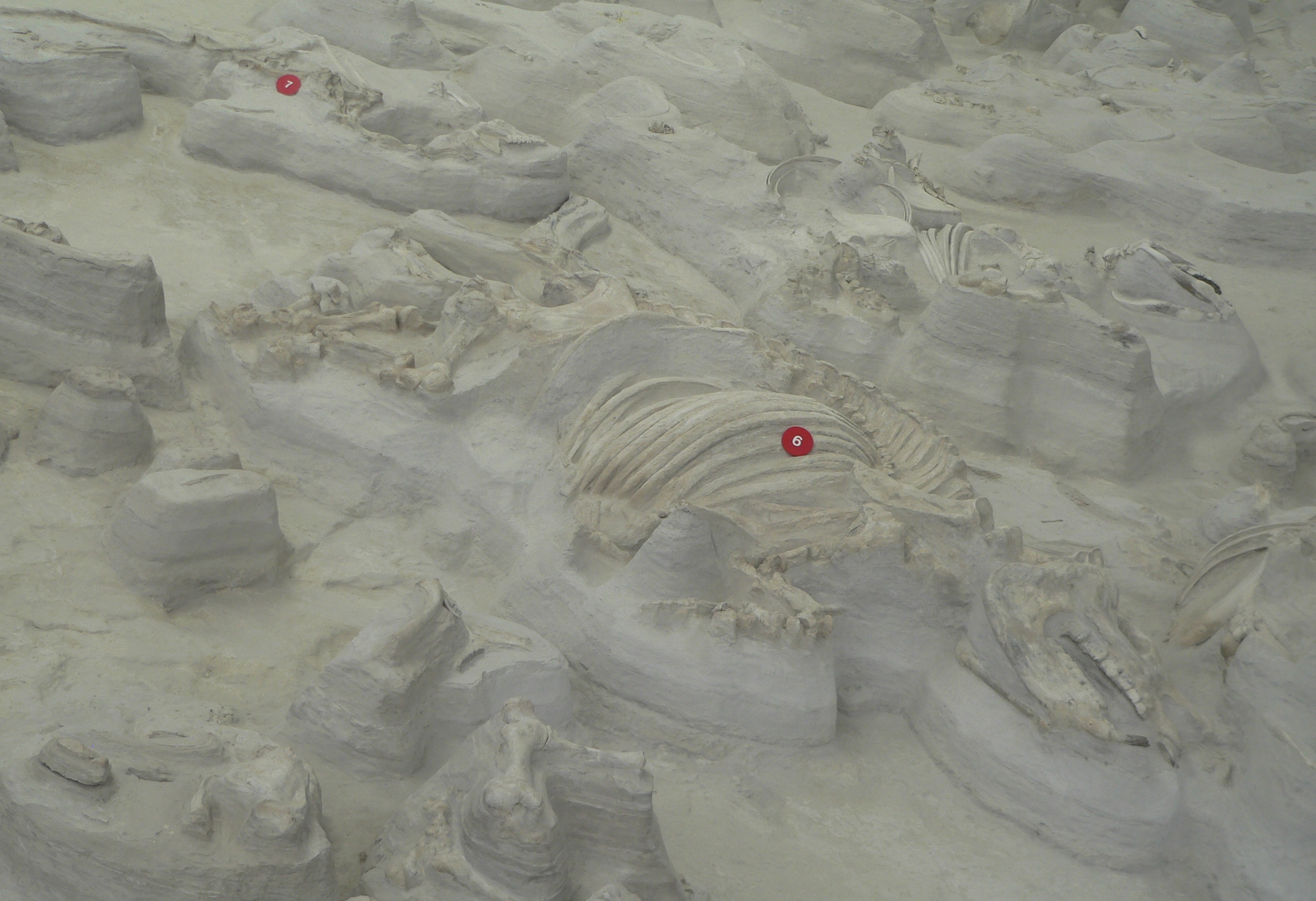
500
Covering approximately 20,000 square miles, this Nebraska region is the largest stabilized dune field in the Western Hemisphere.
What are the Nebraska Sandhills? 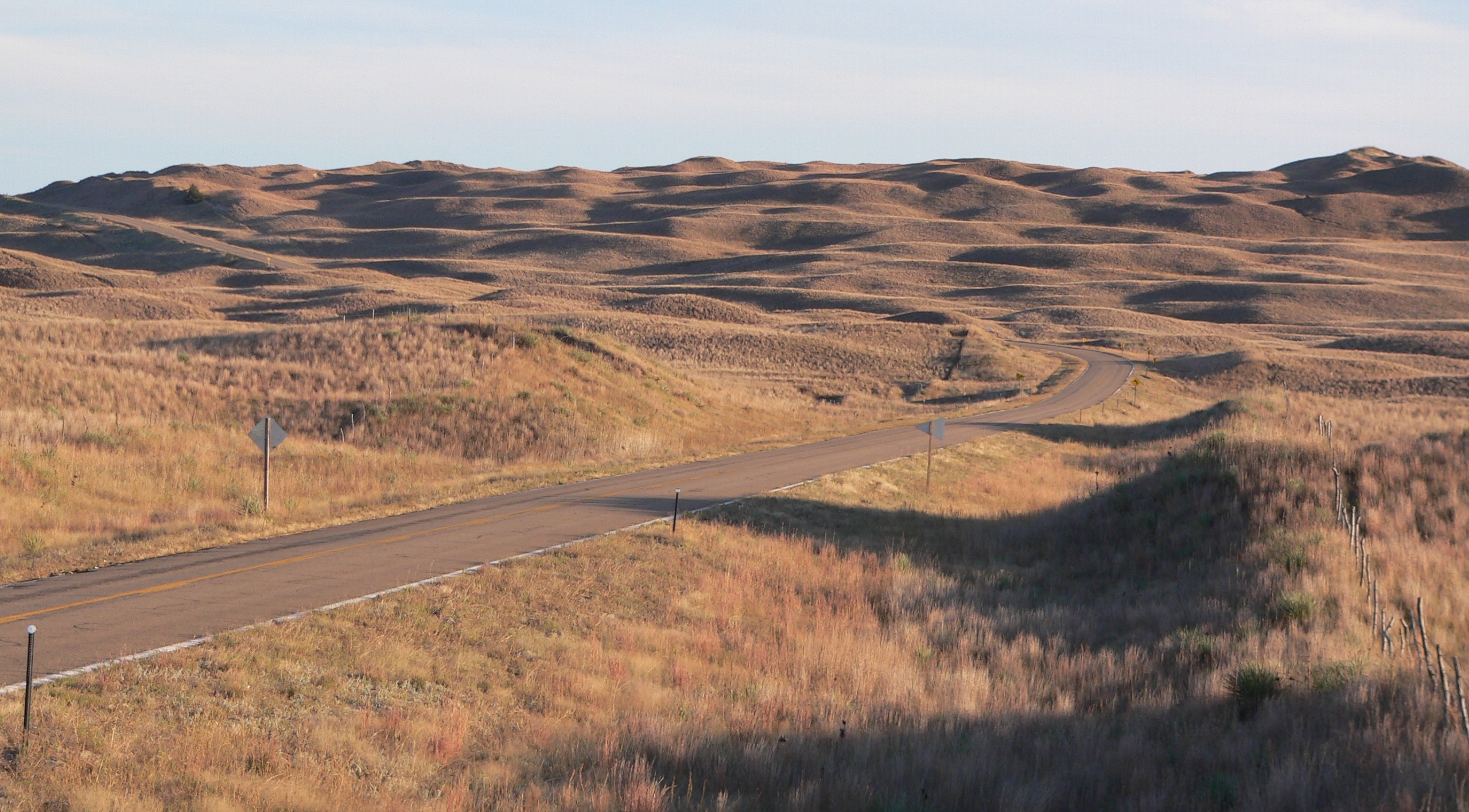
500
The point where this river enters the Platte is used to separate the Middle Platte River from the Lower Platte River.
What is the Loup River? 