Labs/Diagnostics
Pharmacology
Cranial Nerves
RaNdOM
Name that condition
100
diagnostic test (there are multiple, only need 1 for points) to diagnose spinal cord injuries
Xray, CT scan, MRI
100
memantine (Namenda) -- what condition is it used to treat?
dementia/alzheimers
100
sense of smell
Cranial nerve I, olfactory nerve
100
What type of posturing is the client experiencing?
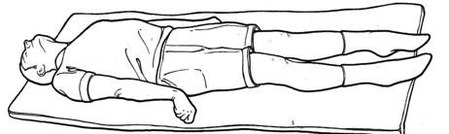
Decerebrate posturing
100
nuchal rigidity, positive kernig sign, fever, photophobia, petechial rash on skin and mucous membranes, encephalopathy
meningitis
200
normal ICP level
0-15 mmHg
200
Medication given for strokes, must be administered within 4 hours of onset of symptoms
Alteplase/ tPA / tissue plasminogen activator
200
Tested by holding up two fingers and asking the patient how many fingers you are holding up.
Cranial nerve II, optic nerve
200
technique used to mobilize patients following spinal surgeries
logroll technique
200
mask-like facial expression, drooling, dysphagia, hand tremors at rest, short/shuffling gait.
Parkinson's disease
300
3 components of cushing's triad
low heart rate, increased respirations, increased systolic blood pressure
300
Anticholinterase agents (Cholintesterase inhibitors) activate which part of the autonomic nervous system?
stimulates the parasympathetic nervous system
300
Tested by asking patient to identify touch on different parts of the face with their eyes closet
Cranial nerve V, trigeminal nerve
300
period following a seizure that client may have increased sleepiness, fatigue, headache or confusion
postictal period
300
temporary mental disturbance, can have rapid or gradual onset, but is treatable. characterized by disorganized thinking an difficulty staying focused
delerium
400
Test to diagnose myasthenia gravis
Tensilon test
400
Medication used to treat parkinsons (just need 1 to get points)
levodopa
levodopa/carbidopa (Sinemet)
pramipexole (Mirapex)
ropinirole (Requip)
selegiline (Eldepryl)
rasagiline (Azilect)
entacapone (Comtan)
400
Sense of taste, contraction of facial muscles, secretion of saliva
Cranial nerve VII, facial nerve
400
Can be triggered by a slight touch, cold breeze, talking, chewing or brushing your teeth
Trigeminal neuralgia
400
Symptoms usually arise in middle age, they are progressive and worsen over time; characterized by involuntary, irregular, jerky, dance-like movements; depression and suicide is common in these patients
Huntington's disease
500
What does a CT scan show in a client with possible stroke?
Whether the stroke is hemorrhagic or not -- CT will be normal for ischemic stroke
500
2 symptoms of cholinergic crisis AND 2 symptoms of myasthenic crisis
cholinergic crisis: too much medication -- salivation, lacrimation, urinary incontinence, diarrhea, GI cramping, emesis, increased bronchial secretions, sweating, miosis (pupillary constriction), bradycardia, increasing muscle weakness, dyspnea
myasthenic crisis: ptosis, difficulty swallowing, difficulty speaking, dyspnea, weakness
500
What cranial nerve is being tested?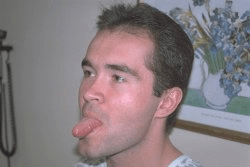
cranial nerve XII, hypoglossal nerve
500
A client suffered a spinal cord injury at T1-3. This life threatening condition impairs the normal balance between the parasympathetic and sympathetic nervous system.
autonomic dysreflexia
500
Progressive muscle weakness, decreased coordination, muscle twitching and spasms, pain, emotional outbursts, difficulty with speech -- eventual failure of all muscle movement
ALS - Amyotrophic Lateral Sclerosis