Cardiovascular Disorders
Hematologic Disorders
Infection / Immunity
Integumentary
Cancer
Fluids / Electrolytes
Perioperative Care
100
Rationale for giving B-Blockers to a patient with chronic stable angina
Decrease HR = Decrease workload of the heart.
BONUS - Why do we give nitrates?
100
A client develops respiratory distress shortly after a blood product is started. The nurse’s immediate action is to do this.
What is stop the transfusion?
100
When a client expresses fear of dying from a chronic illness, the nurse should respond using this communication strategy.
Therapeutic communication with open-ended questions for exploration
100
A pigmented skin lesion that changes in color or size requires this priority action.
What is prompt evaluation for malignancy?
ABCDE
100
Chemotherapy associated nausea, preventative intervention?
What is administer antiemetics
100
Facial muscle twitching when tapping the cheek may indicate this electrolyte imbalance.
Chvostek Sign - Facial muscle twitching when tapping the cheek indicates hypocalcemia.
100
The circulating nurse protects the sterile field by performing this ongoing responsibility.
Monitor the sterile field
200
A client taking medication for heart failure develops symptoms of poor perfusion. This assessment finding would be the highest priority to report.
What is symptomatic hypotension?
200
Intake of food/beverages high in this vitamin should be encouraged when taking iron supplements.
Vitamin C
Vitamin C (ascorbic acid) enhances iron absorption. Foods containing ascorbic acid eaten with iron-containing foods may increase absorption.
200
Redness, warmth, swelling, and tenderness of the skin are classic signs of this condition.
Cellulitis
200
A suspicious mole is best treated using this definitive procedure.
What is surgical excision?
200
Safest way to administer chemotherapy agents.
Central Venous Access Device (CVAD).
Implanted port, Central Line, PICC Line, etc.
200
A client with symptomatic low sodium may require this type of IV fluid.
Hypertonic solution
200
If a client states they do not understand the procedure before signing consent, the nurse should take this action.
Notify the surgeon
300
Risk factors that should be included in a teaching plan for cardiovascular disease
Modifiable risk factors
300
In a client receiving chemotherapy, this lab result would most increase concern for infection.
Low WBC count
300
Clients with severely suppressed immune systems require these precautions.
What are neutropenic precautions?
300
Coolness, swelling, and discomfort at an IV site indicate this complication.
What is infiltration?
300
A chemotherapy drug that damages tissue if it leaks into surrounding tissue is known as this.
A Vesicant
300
Risks/Causes of Fluid Volume Deficit (FVD) or HYPOvolemia
Vommitting, Diarrhea, Hemmorhage, Blood Loss, Excessive sweating, inadequate fluid intake, medications (which ones?)
300
Intervention for hypothermia in PACU
Provide warming measures
400
Dizziness with positional changes?
Orthostatic Hypotension
400
When teaching about dietary management of iron-deficiency anemia, this type of food should be emphasized.
Iron rich foods. Diet high in ascorbic acid (vitamin C)
Heme Iron Sources (best absorbed):
- Liver
- Red meat
- Fish
- Eggs (egg yolks)
Non-Heme Iron Sources:
- Leafy green vegetables (spinach)
- Legumes
- Carrots
- Raisins
- Whole-grain and enriched breads, cereals, and rice
400
A client reports allergies to certain fruits commonly associated with surgical products. This allergy must be considered.
What is a latex allergy?
400
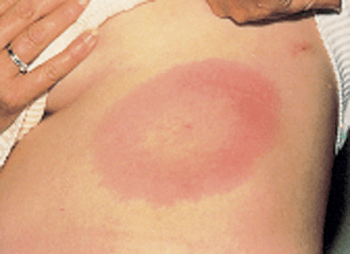
Lyme Disease, cause by Tick Bite
400
Hair loss from chemotherapy affects this aspect of psychosocial health.
Self-esteem or body image
400
Chronic alcohol use may contribute to this electrolyte imbalance.
Hypomagnesemia
400
Post-operative education to reduce complications
Respiratory - coughing, I.S.
S/S of infection
anything else....
500
A client presents with severely elevated blood pressure and acute symptoms. The most important follow-up question involves this issue.
What is recent medication adherence?
500
A client receiving chemotherapy develops unusual bruising. The nurse suspects this lab abnormality.
Thrombocytopenia
Can also happen as a S/E of what medication.....
500
Clients with immunosuppression are increased risk for this type of infection
Opportunistic
500
Green purulent drainage from a wound most likely indicates this.
Bacterial Infection
500
5 Rights of Delegation
Right task
Right circumstance
Right person
Right supervision
Right direction and communication
500
A hypertonic solution shifts fluid in this direction.
From the intracellular space to the intravascular space
500
Immobility or lack of mobility after surgery puts clients at high risk for this.....
Venous Thromboembolism
600
Nursing Interventions:
Peripheral Artery Disease
Venous Insufficiency

600
Clients with anemia often experience this activity-related symptom.
Fatigue
600
Type of Hypersensitivity Reaction for:
Antibiotic allergy
ABO Incompatibility
I - Immediate / IgE reactions. Antibiotic allergy, seasonal allergies, etc.
II - Blood transfusion reactions - ABO incompatibility
III - SLE
IV - Tuberculin Skin Test (PPD test), contact dermatitis, poison ivy
600
Assessment Findings for skin infestations:
Head Lice
Scabies
Nits, eggs
Tunneling, itching worse at night
Prevention.....
600
Priority assessment finding for a client receiving chemotherapy?
fever
600
Crackles in the lungs are indicative of which fluid imbalance?
Fluid Overload
FVE
Pulmonary Edema (fluid in lungs)
BONUS: What other exemplar have we discussed that you would assess for pulmonary edema?
600
Tasks UAP may perform in PreOp
Baseline vitals
Site Preparation