Maternal Factors
Fetal Factors
Multiple Pregnancies
Tests and Findings
100
AMA refers to a patient who will be:
a. 30 or older at time of delivery
b. 35 or older at time of delivery
c. 40 or older at time of delivery
d. 37 or older at time of delivery
b. 35 or older at time of delivery
100
Estimated birth weight >4000g
a. LGA
b. SGA
c. Normal birth weight
b. LGA
100
These twins are conjoined at the...
a. Abdomen
b. Head
c. Thorax
d. Pelvis
b. Head
100
What finding is shown here?
a. Normal amount of fluid
b. Polyhydramnios
c. Oligohydramnios
b. Polyhydramnios
200
Out of these choices, which is NOT a maternal risk factor?
a. Advanced maternal age (AMA)
b. Hypotension
c. Preeclampsia
d. Insulin-dependent diabetes mellitus (IDDM)
b. Hypotension
200
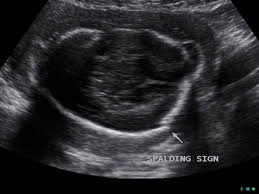
a. Fetal death
b. Trisomy 21
c. Maternal HTN
d. IUGR
a. Fetal death
200
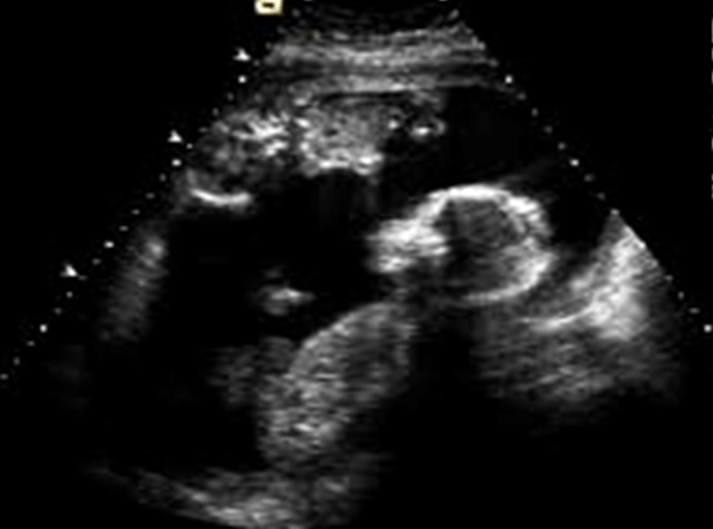
Poly-Oli sequence is also termed...
a. Small twin
b. Vanishing twin
c. Twin-twin
d. Stuck twin
d. Stuck twin
200
When is a fetal anatomy scan performed?
a. 15 - 18 weeks
b. 20 - 22 weeks
c. 18 - 20 weeks
d. 24 - 26 weeks
c. 18 - 20 weeks
300
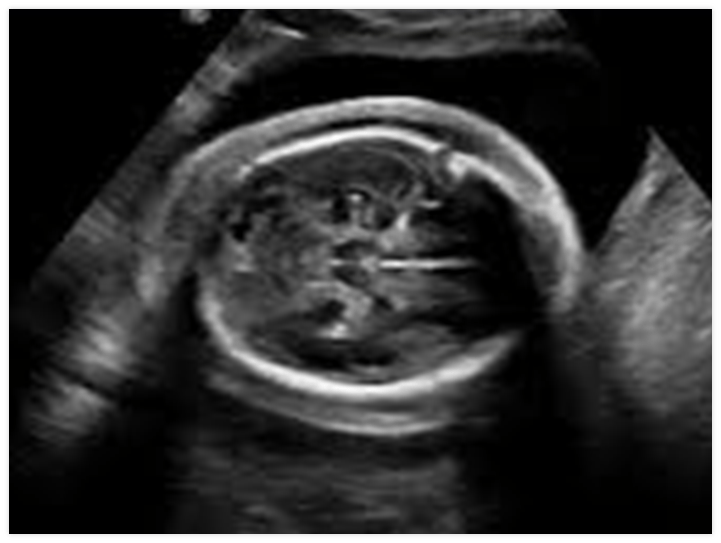
This abnormality is associated with:
a. Non-immune hydrops
b. Immune hydrops
c. Trisomy 13
d. AMA
b. Immune hydrops
300
Asymmetric SGA is usually caused by..
a. Chromosomal anomalies
b. Genetics
c. Prolonged pregnancy
d. Placental insufficiency
d. Placental insufficiency
300
These twins are..
a. Mono, mono
b. Mono, di
c. Di, di
b. Mono, di
300
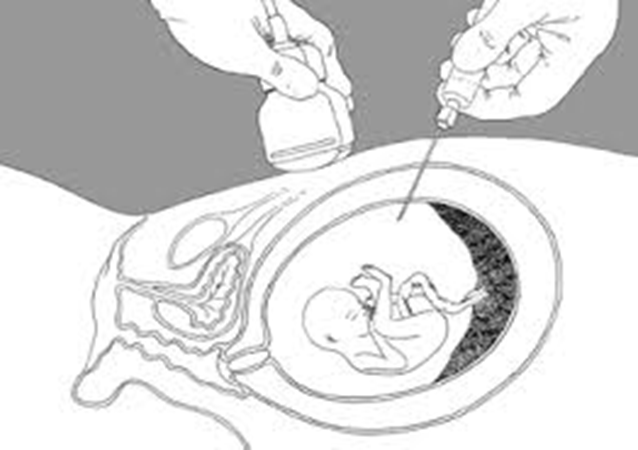
What procedure is being done here?
a. Cordocentesis
b. Chorionic Villus Sampling
c. Amniocentesis
d. Paracentesis
c. Amniocentesis
400
This baby most likely will be...
a. Macrosomic
b. Diabetic
c. Microsomic
d. Demised
a. Macrosomic
400
Twins have a __ greater chance of perinatal death than singleton fetus:
a. 5x
b. 10x
c. 3x
d. 2x
a. 5x
400
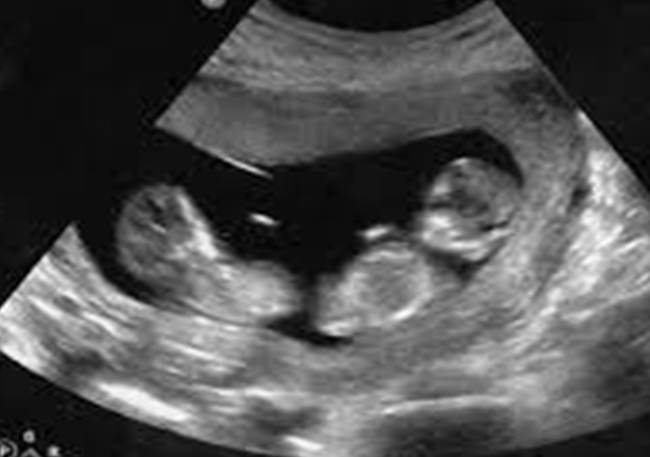
These twins are:
a. Monochorionic, monoamniotic
b. Dichorionic, diamniotic
c. Monochorionic, diamniotic
d. Dichorionic, monoamniotic
a. Monochorionic, monoamniotic
400
Lab values used in conjunction with nuchal translucency ultrasound around...
a. 12 - 16 weeks
b. 11 - 14 weeks
c. 8 - 11 weeks
d. 15 - 18 weeks
b. 11 - 14 weeks
500
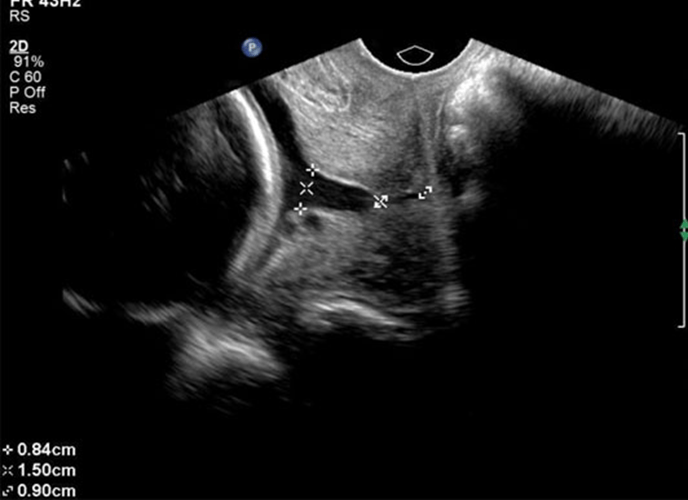
What is being assessed here?
a. Uterus
b. Vaginal canal
c. Cervix
d. Fallopian tube
c. Cervix
500
Fetuses with multiple pregnancies are at an increased risk of:
a. Premature delivery
b. Late deliveryd. LGA
a. Premature delivery
500
One twin develops without a heart and often absence of upper half of body:
a. Acardiac anomaly
b. Absent Heart anomaly
c. Twin-twin transfusion
d. Poly-oli sequence
a. Acardiac anomaly
500
Screening for fetal anomalies can be performed:
a. Only in 1st trimester
b. Only in 2nd trimester
c. In either 1st or 2nd trimester
d. In any trimester
c. In either 1st or 2nd trimester