Sugar
Amino Acid/Protein
Bonus
100
Differentiate which is fructose or glucose:
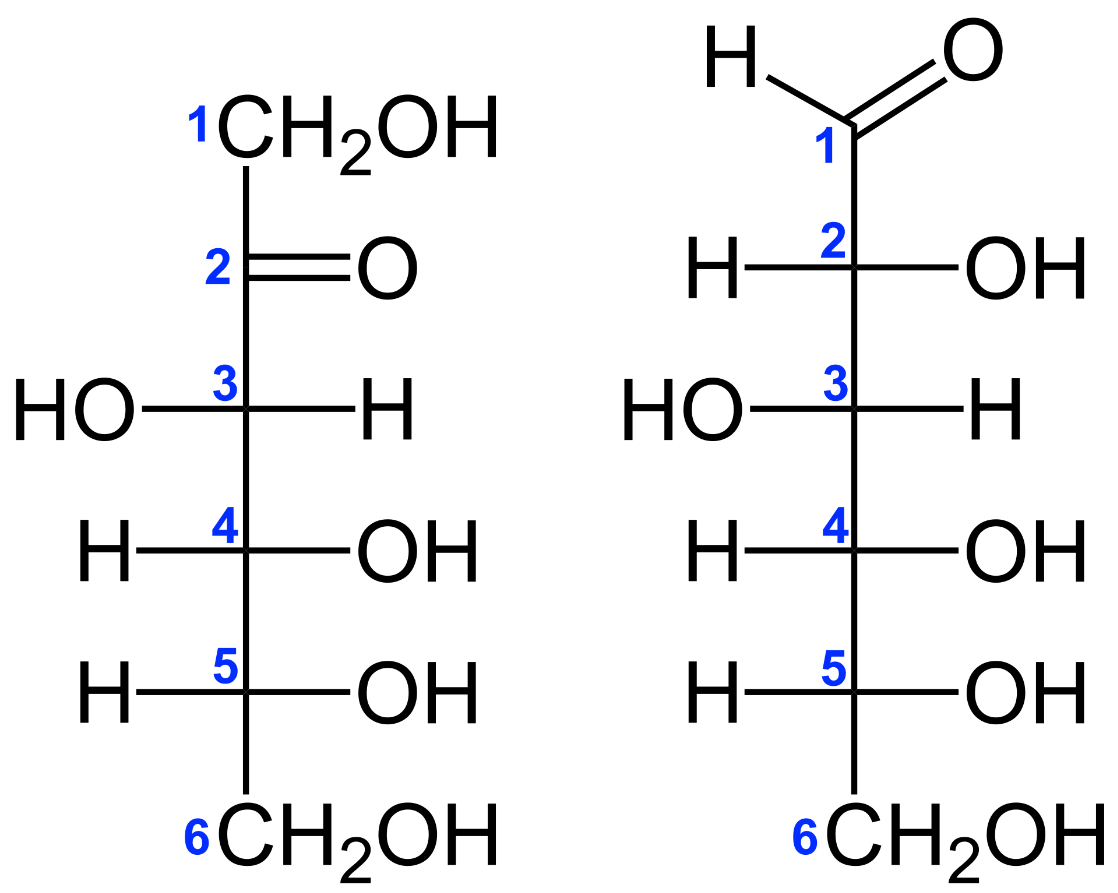
Left: Fructose
Right: Glucose
(Maybe it's time to get some energy?
100
Give the name, 3-letter code, 1-letter code for the below amino acid.
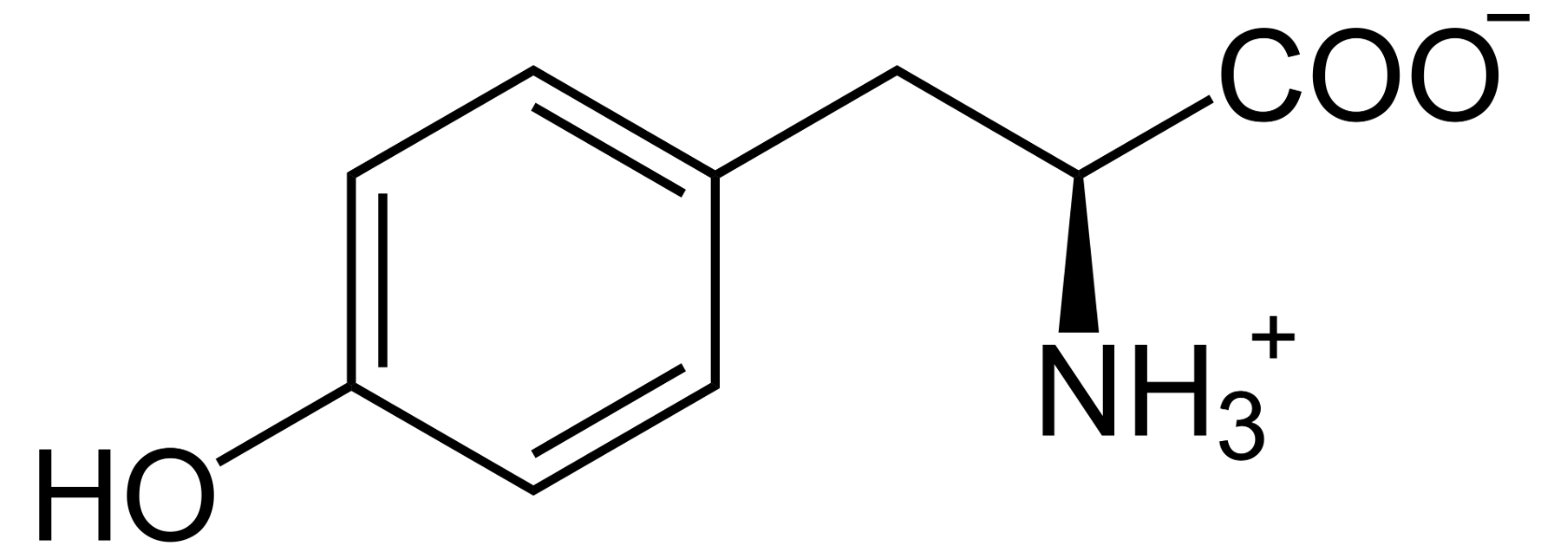
Tyrosine, Tyr, Y! (YAY?)
100
Which group of biomolecules does Prof. Ray like more?
(Protein vs. Lipids)
PROTEIN! (He is a peptide chemist.)
200
Differentiate which is (L)-fructose or (D)-fructose.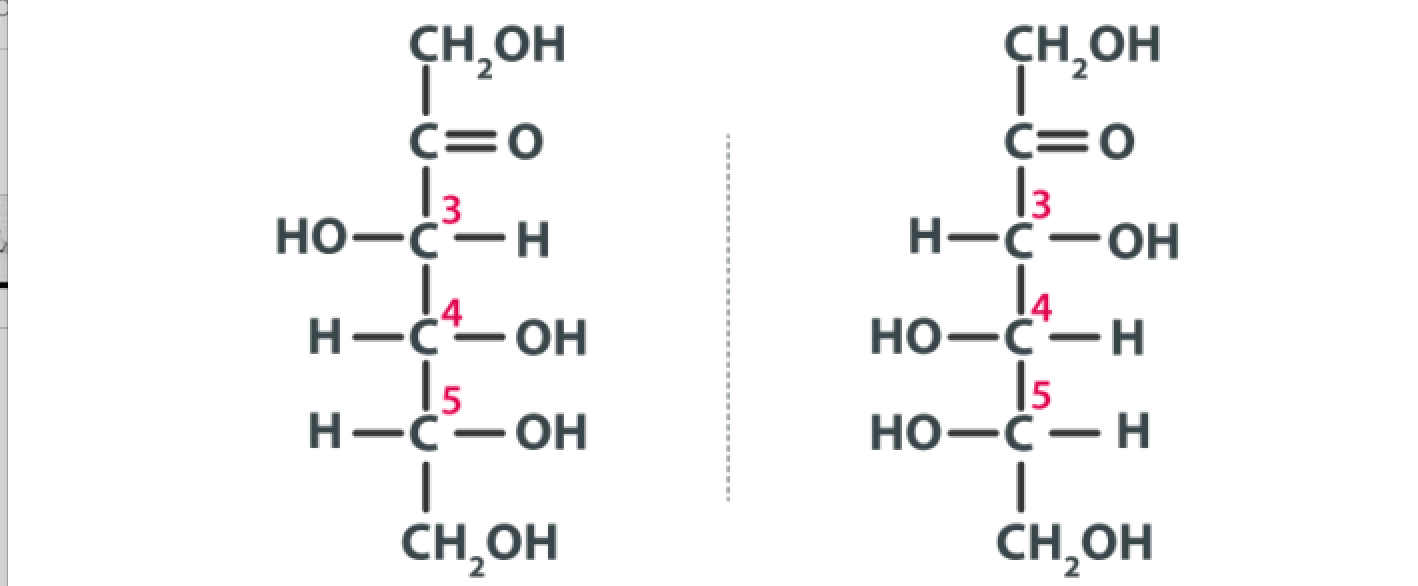
Left: D-fructose
Right: L-fructose
(Will you remember this after Orgo?)
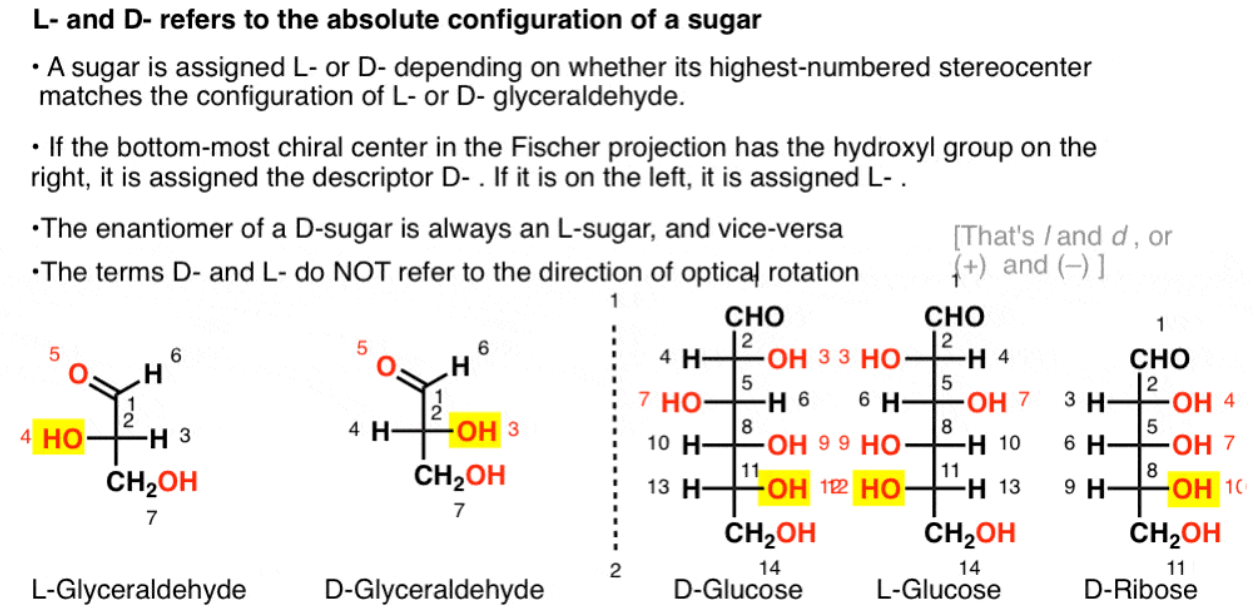
200
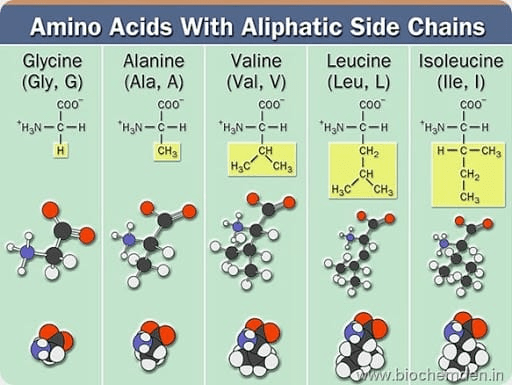
Give 3 examples of non-charged, apliphatic amino acids.
Alanine, Valine, Isoleucine, Leucine, Phenylalanine etc. (Ray's favorite:)
200
Roughly how many protein-encoding genes do we have?
~ 20,000! (We're not that different from C. Elegans:)
300
Provide the reagents for the following transformations:

Only works on anomeric -OH!

300
Tell if the below amino acids are in (L) or (D) form.
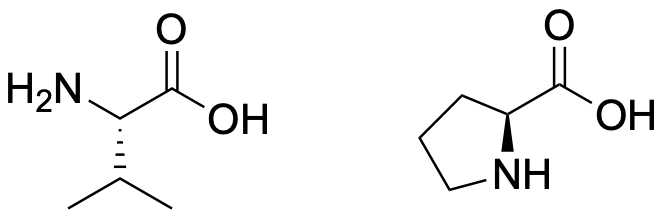
(L), (L)! LOLLLLLL
300
Rank the # of unique structures of DNA, mRNA, & Protein.
Protein >> mRNA > DNA (We have so many Post-translational Modifications!)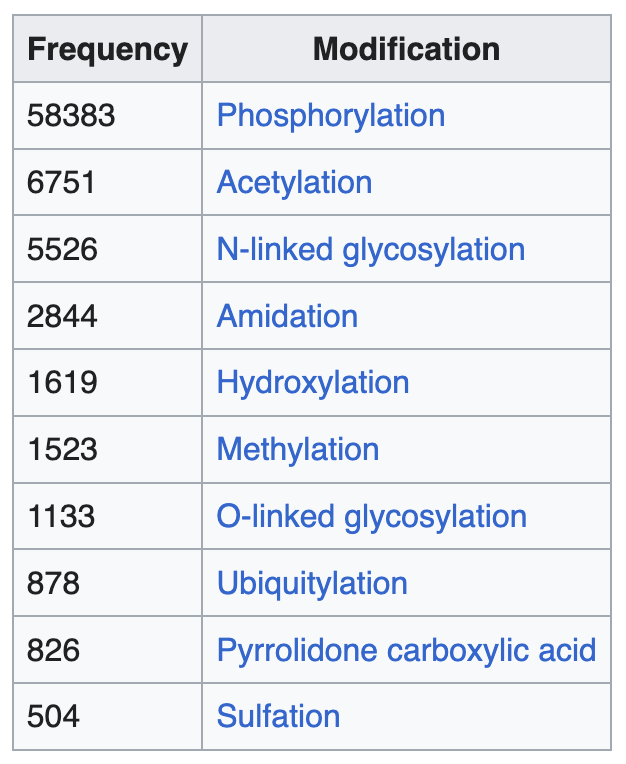
400
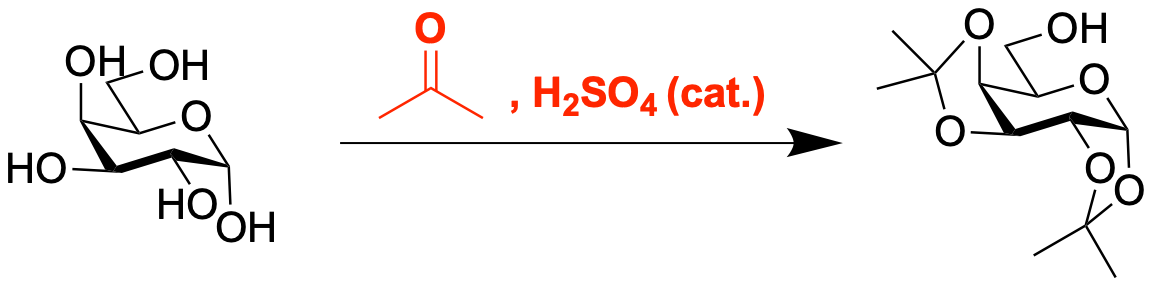
Predict the major product of following transformation.
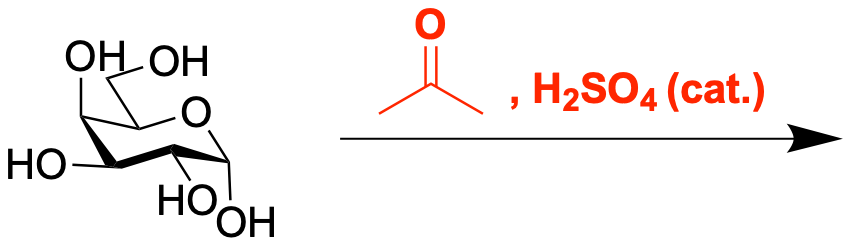
Acetonide is a really great cis-diol protecting group!
400
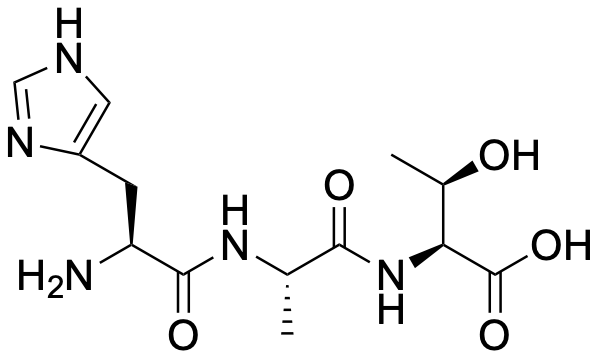
Draw out the peptide structure of "HAT" (from N-terminus to C-terminus)
W-HAT?
400
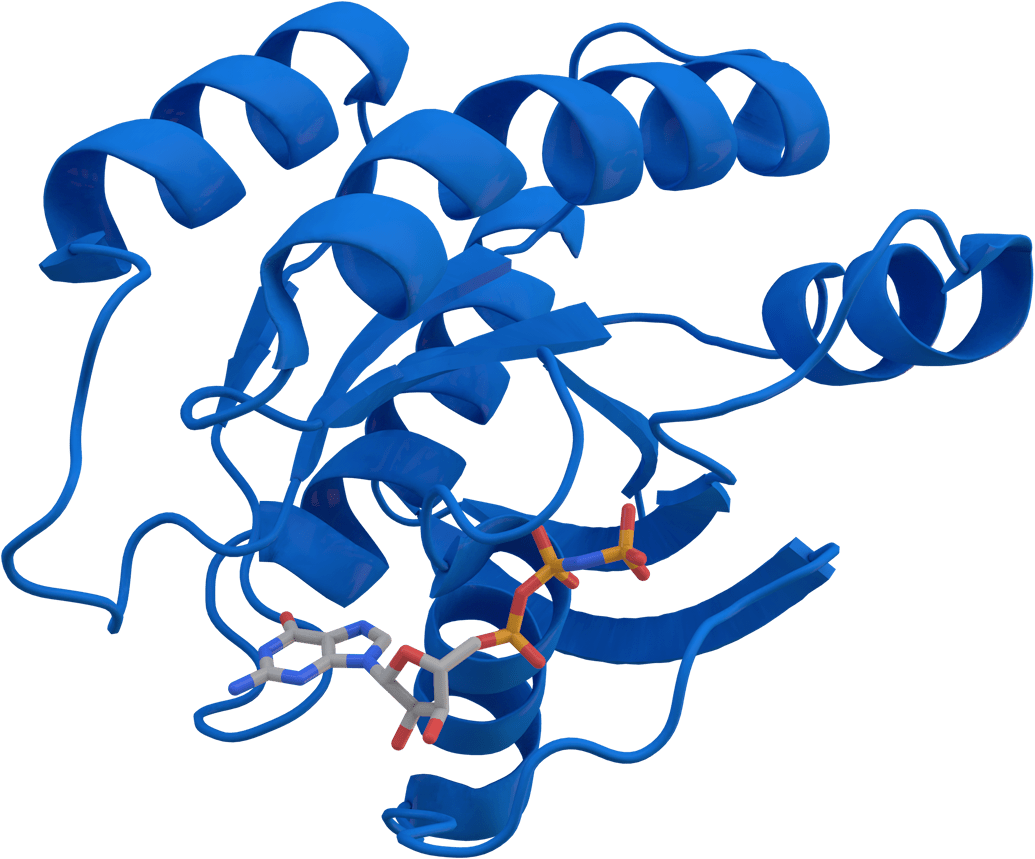
What was the name of the oncogene being discovered in 1983?
KRAS! (Accounts for ~20% of the cancer)
Rats: Does it have something to do with me?
500
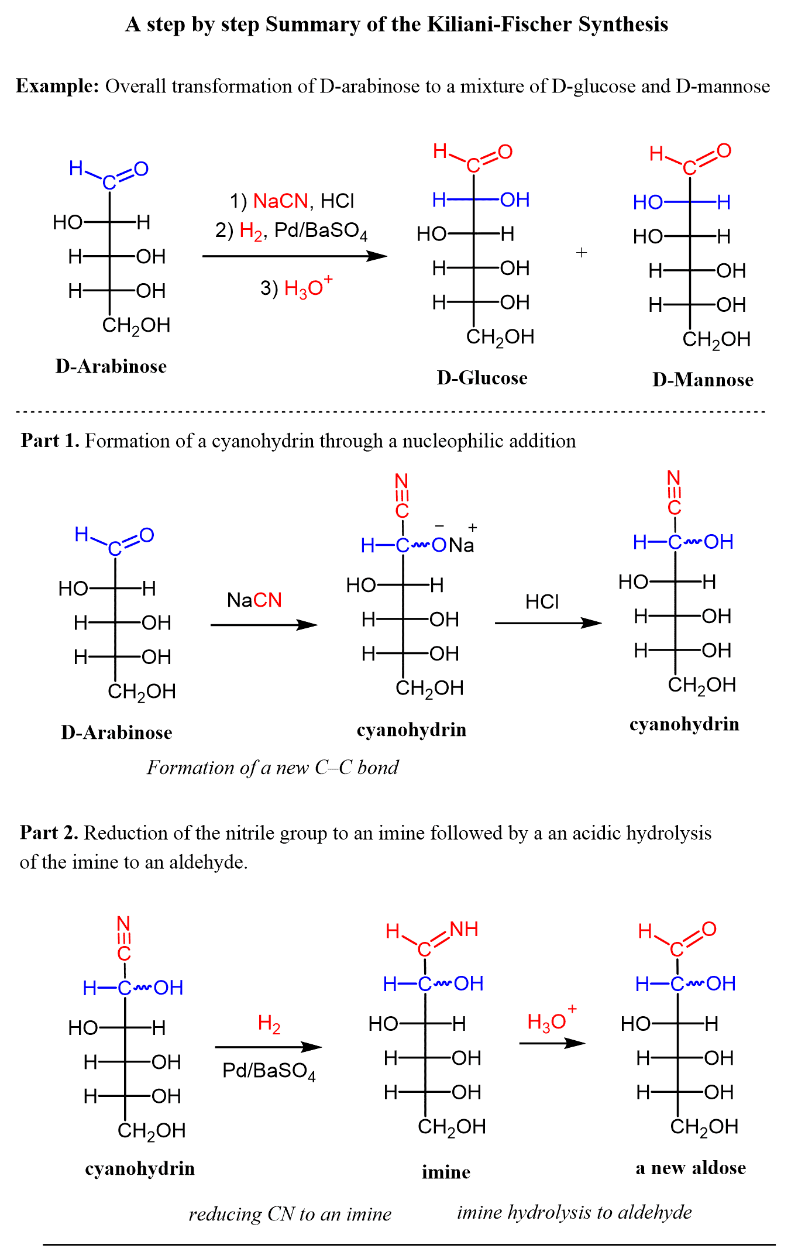
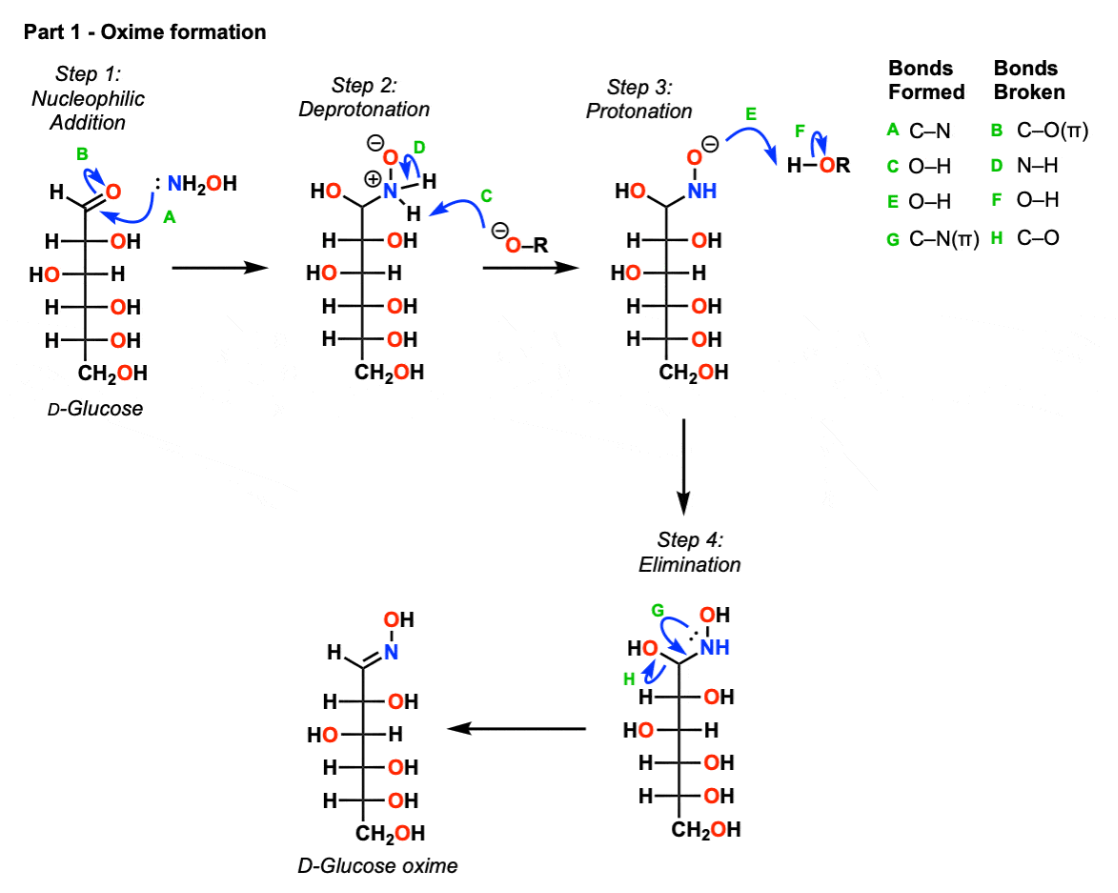
What is the name of the reaction that extends 1 carbon on the sugar chain? What is the name of the reaction that shorten 1 carbon on the sugar chain?
Extends 1 Carbon: Kiliani–Fischer Synthesis
Shorten 1 Carbon: Wohl Degradation
(Generally wonder how Fischer gets involved with so many science?)
500
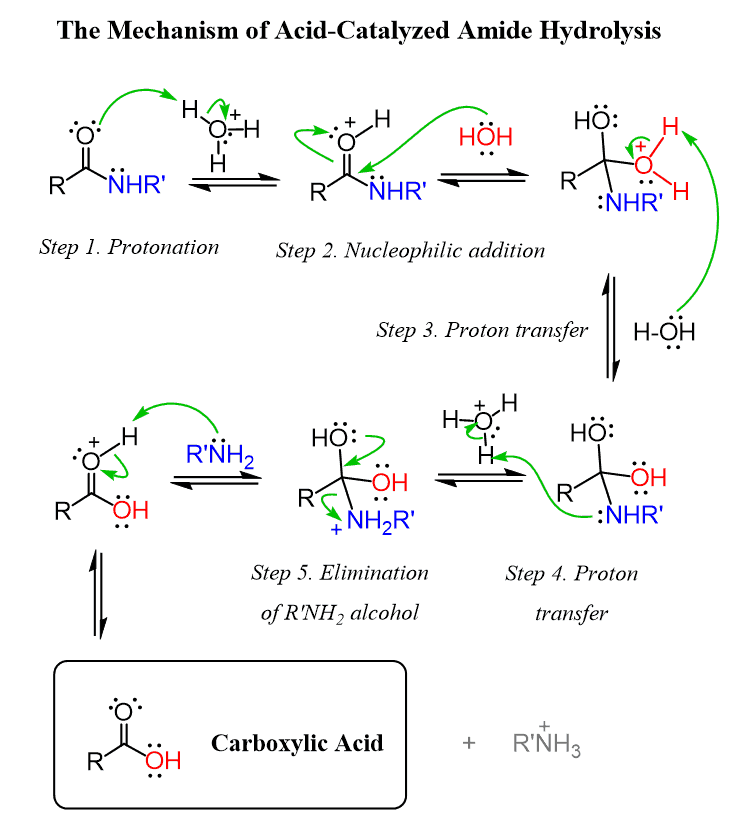
What was the chemical condition to cleave the amide linkage in peptide? Briefly state the mechanism.
Heat! with either acidic or basic conditions
(Sometimes heat is the key...)
500
What was the position of mutation on KRAS leading to the overexpression of KRAS?
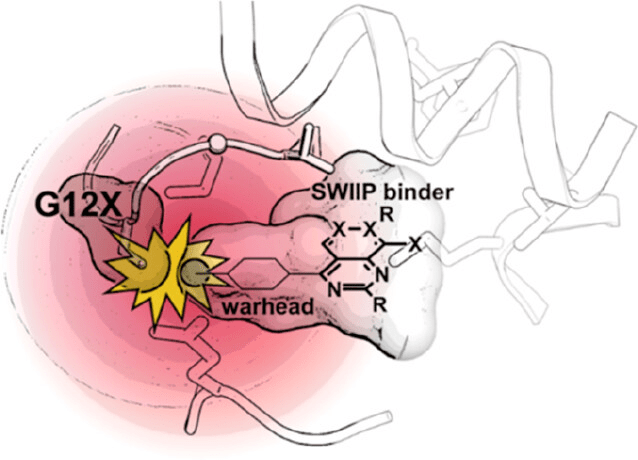
G12X! (G12S, G12D, G12A, G12V, G12R etc.)
Glycine: Why always me?