Geography
History
Culture
What has it got
to do with us?
to do with us?
Fun Facts
100
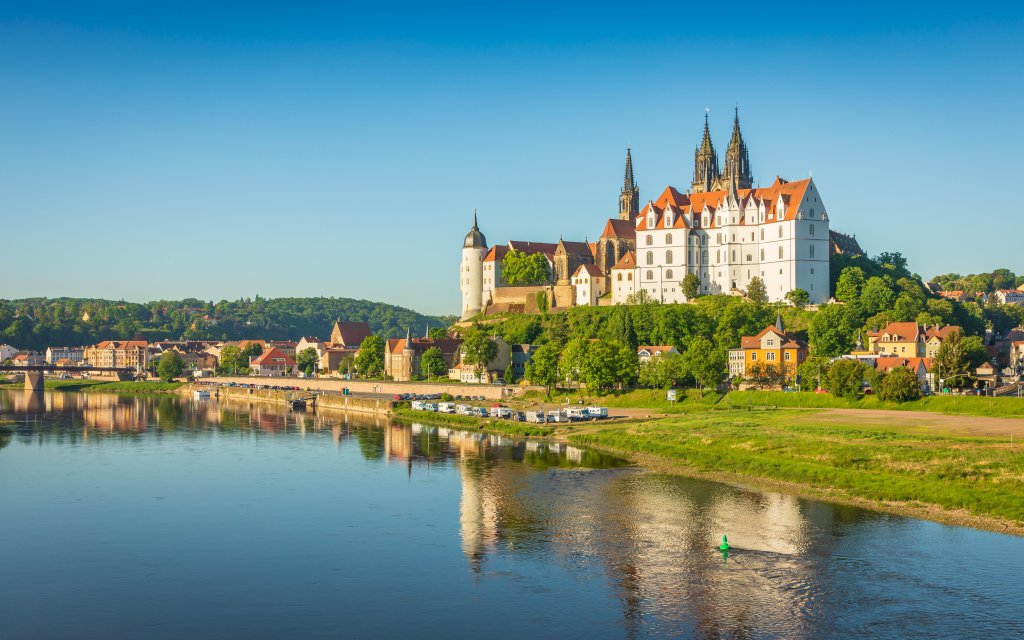
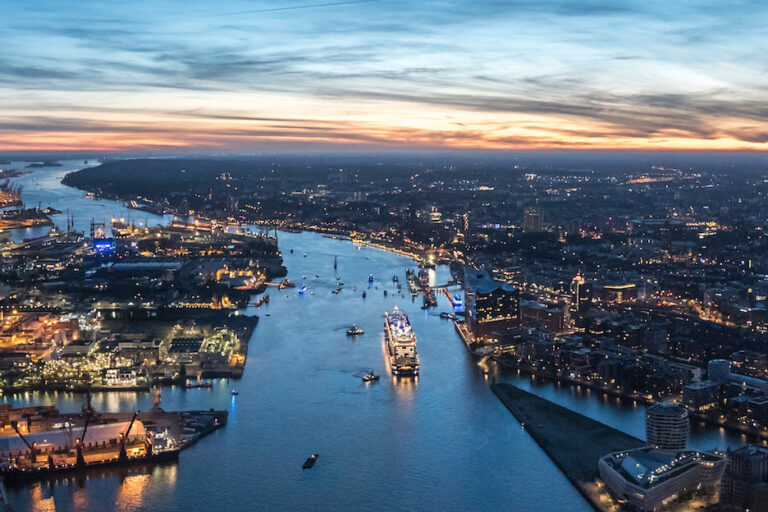
What river flows through Meißen?
The Elbe (flows into the North Sea at Hamburg).
100
Which is older: Meißen or Odense?
Founded in 929 as fortress, Meißen is the oldest city in Saxony and, hence, often referred to as "the Cradle of Saxony". Odense is one of Denmark's oldest cities. The frist recordings date back to 988, mentioning a Viking Age settlement and a site of the Odin cult.
100
For the first time in Europe, which famous product was first successfully produced in Meißen?
Porcelain/china.

100
Myth or truth: Germany and Denmark share a direct land border today.
True. The landborder measures 68 km and streches the Jütland Peninsula from east to west.

100
What is this typical pastry filled with?
This is the "Meißner Fummel". It's hollow - and very fragile!
200
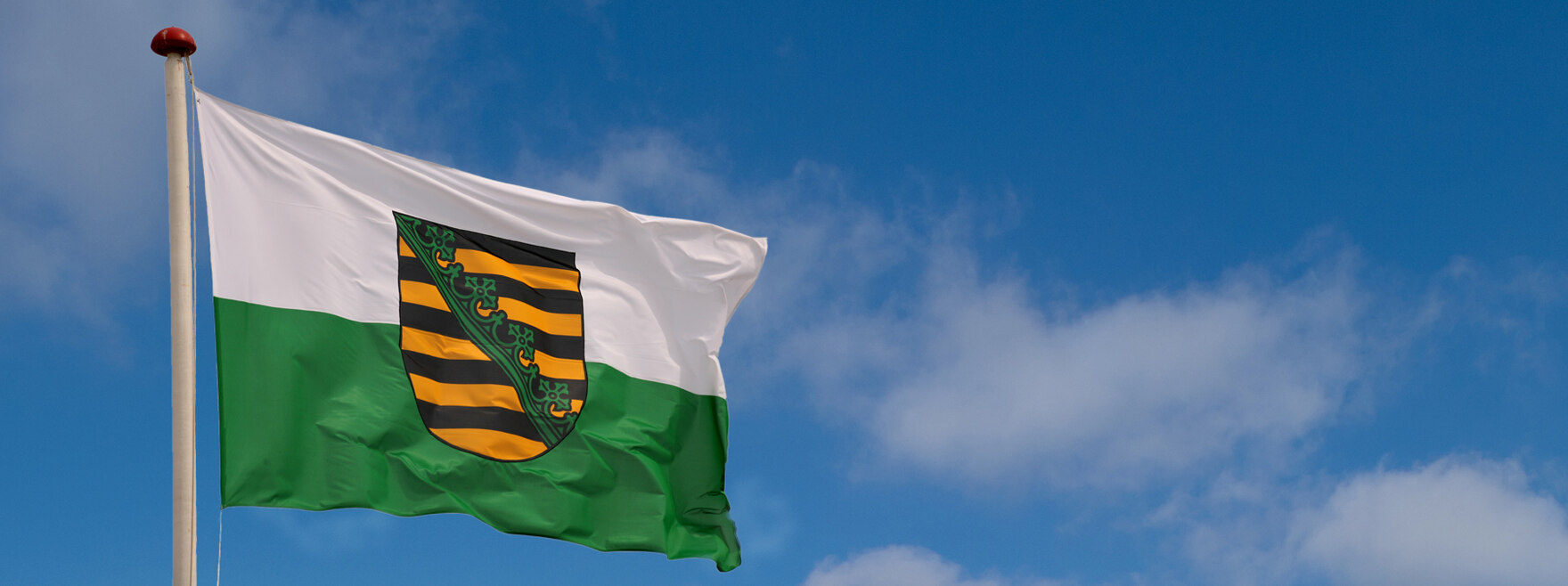
Germany has 16 federal states. In which of them is Meißen?
Saxony (German: Sachsen)
200
Myth or truth: Meißen was once the capital of all Germany.
This is humbug.
200
The original spelling of Meißen includes this funny letter: ß. What is it?
It's called "Eszett" (or "sharp s") and is the only letter in the Latin alphabet that is used exclusively in German writing.
200
What powerful medieval trade network helped connect northern Europe with inland regions like Saxony through rivers such as the Elbe?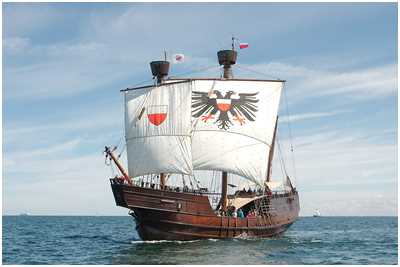
The "Hanse". Hanseforbundet (på tysk die Hanse) var en magtfuld sammenslutning af nordtyske købmænd og handelsbyer i middelalderen (ca. 1200-1650), med Lübeck som centrum. Den fungerede ikke som en stat, men som et økonomisk og politisk fællesskab.- Hvad var formålet?
Sikkerhed: At beskytte købmænd og skibe mod sørøvere og røvere på handelsruterne.
Handelsfordele: At opnå monopol, særlige handelsrettigheder (privilegier) og lavere toldafgifter i udlandet.
Samarbejde: At forbinde markeder fra Østersøen til Nordsøen og udveksle varer som salt, sild, tømmer og pels.
Hanseforbundet dominerede i århundreder handelen i Nordeuropa og havde stor politisk indflydelse.
200
What is special about the Odense students' visit to Meißen?
This has been the first Danish-German student exchange ever in the history of Meißen. :-)
300
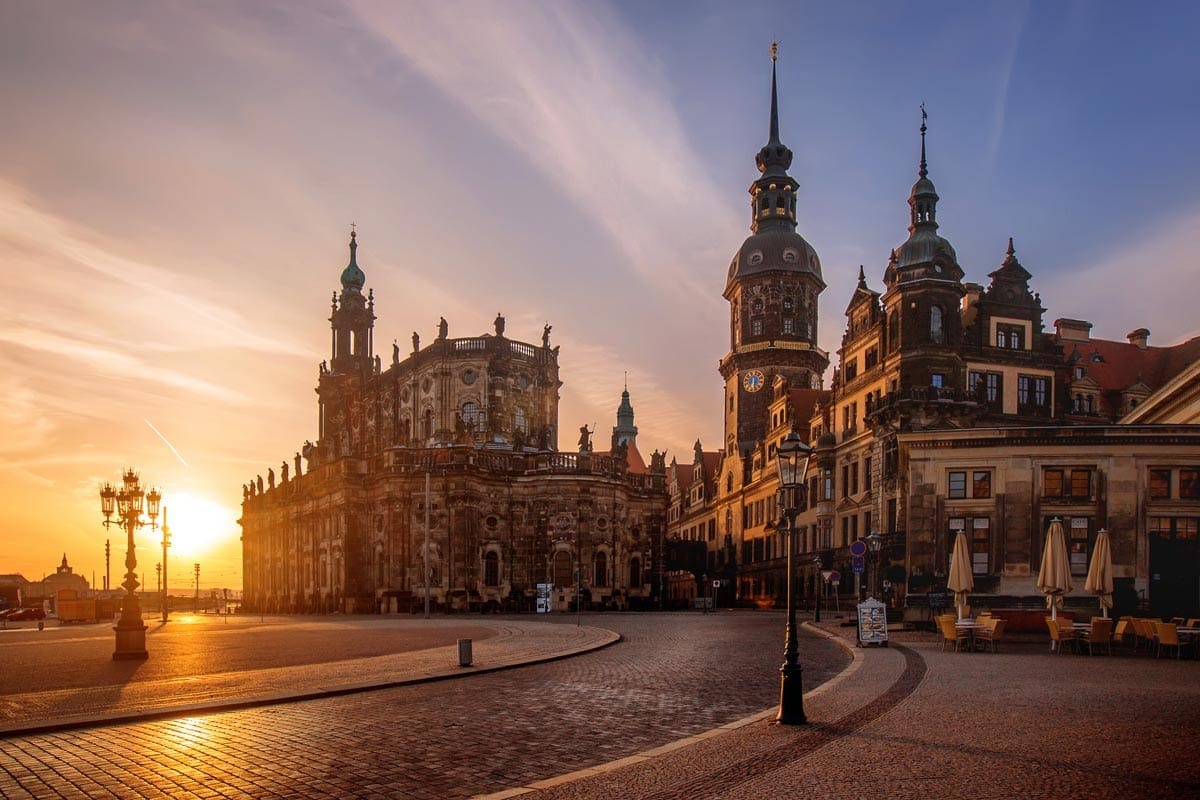
What larger city is only about 25 km from Meißen?
Dresden, the Saxon capital.
300
What is the name of the oldest castle in Germany?
The Albrechtsburg (errected in 1471 on the grounds of the original fortress, named after Albert III, Duke of Saxony).

300
A typical Saxon dessert, often served with apples and raisins, is called "Eierschecke". → What is it?
Eierschecke is a confectionery speciality from Saxony and Thuringia. It is a layer cake with a base layer of cake, a middle layer of quark-based cheesecake.
300
Myth or truth? Meißen has a Danish partner city, Svendborg.

Myth: Meißen has got no Danish partner city (so far!).
300
Where do you typically find these creatures in Meißen?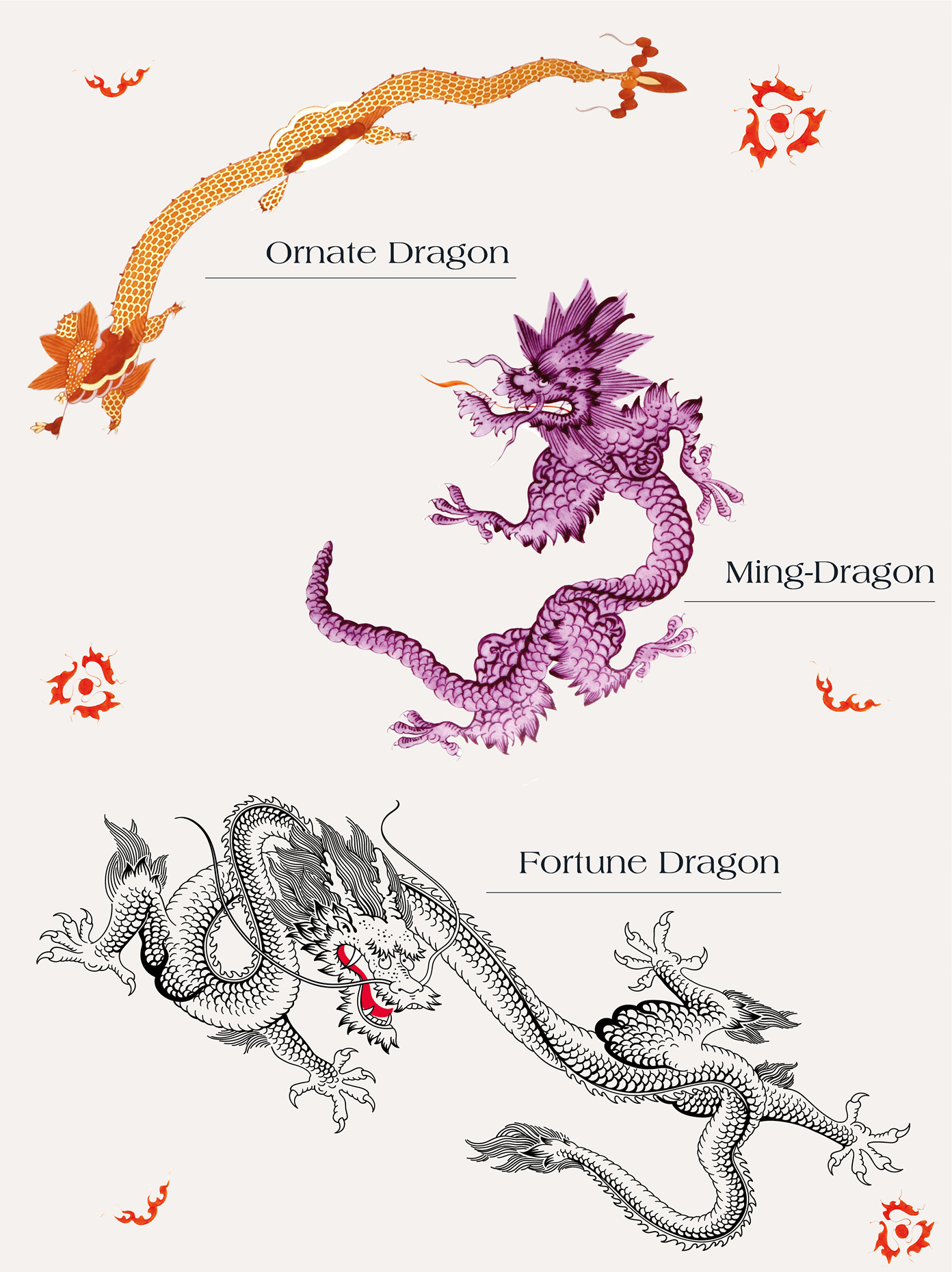
They are typical design elements for porclain paintings. The history of Meißen is closely linked to Asian culture. As the first porcelain manufactory in Europe, we have been strongly influenced and inspired by designs and techniques from the region where porcelain originated. Elector of Saxony and founder of the manufactory, Augustus the Strong, was a passionate porcelain lover and collector. He had numerous magnificent pieces shipped to him from Asia.
400
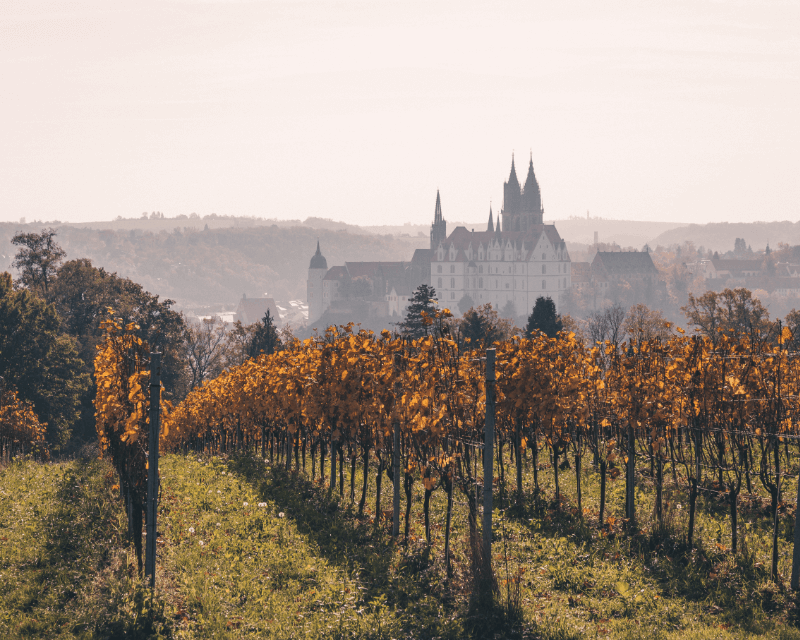
What type of agriculture is typical of the sun-kissed Elbe slopes around Meißen, and unusual for much of Germany?
Wine-growing/vineyard cultivation.
400
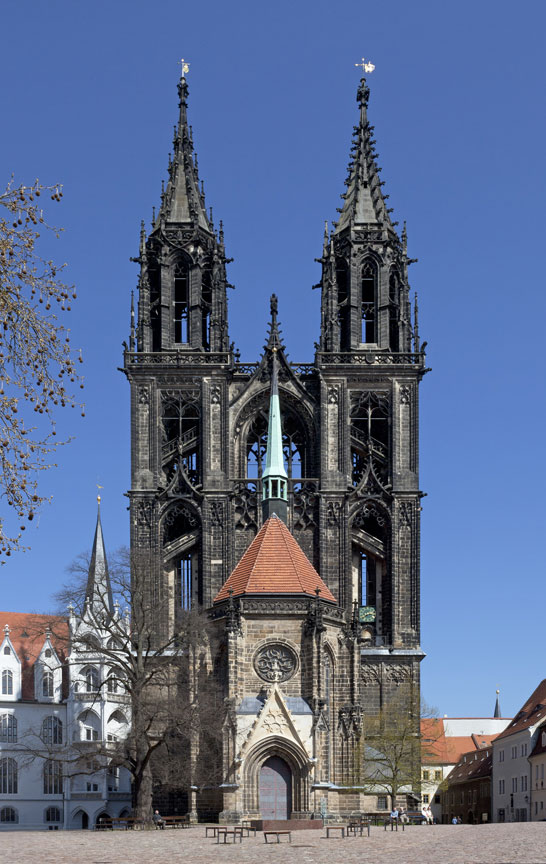
What Gothic building adjecent to (= tilstødende) to the oldest German castle forms a critical centrepiece of the iconic Meissen skyline?
The Meissen Cathedral or the Church of St John and St Donatus (German: Meißner Dom), 968 (Bishop see) / 1909 (twin steeples attached).
400
The Saxon dialect spoken in this region is hard to understand, even for Germans. A typical word you can hear virtually everywhere in Saxony is: "nu". What does it mean?
a) now
b) yes
c) good
d) no
It means "yes", likely borrowed from the Czech "ano". By the by, "no" is commonly pronounced "nee" or "nö".

400
Who or what is this exchange ("Odense meets Meißen") funded by?
By the European Union, through the European Erasmus+ programme.
400
What has this car got to do with Meißen?

The colour of this Porsche is called "Meißenblau" (Meissen blue), a warmer pastel tone with subdued greyish nuances. Since the 18th century this has been a popular and frequently used colour in Meißen porcelain painting. Since the 1950s Meissenblau has regularly graced modern and paint-to-sample models of Porsche. It is not one of the rarest colours, but still enjoys enough exclusivity not to perish in the crowd.

500
What mountain range forms a natural border between Saxony and the Czech Republic and is not far from Meißen?
The Ore Mountains (German: Erzgebirge).

500
What empire shaped the politics of central Europe when Meißen first rose to importance?

The Holy Roman Empire (of the German Nation).
500
What famous factory in Meißen is the oldest of its kind in Saxony and what product is produced there?

500
What shared value connects countries like Germany and Denmark in modern Europe?
Democracy / EU values.
500
What impression did Hans Christian Andersen (1805 - 1875) have of Meißen when he visited the town at the age of 26?
He found it eerie or unsettling ("[…] fand Meißen unheimlich […]") because of the gloomy, narrow alleys. (But he loved Dresden, though!)