Driving
Signs
Rules
Signals
Speed
100
You may cross solid yellow lines:
A. To pass traffic moving in the same direction
B. During daylight hours only
C. At any time
D. When making turns
D. When making turns
100
This sign means:

A. No right turn
B. You must turn right
C. Watch for traffic on your right
D. Don't park on the right side of the street
A. No right turn
100
When driving in rain, you must:
A. Use low beam headlights
B. Use high beam headlights
C. Use parking lights
D. Use no lights
A. Use low beam headlights
100
The driver's left arm and hand are extended upward. This hand signal means that the driver plans to:

A. Turn left
B. Turn right
C. Come to a stop
D. Go straight ahead
B. Turn right
100
When driving at speeds of 45 mph or faster, you should signal to turn ___ before beginning to turn:
A. 20 feet
B. 50 feet
C. 100 feet
D. 200 feet
D. 200 feet
200
When merging onto a freeway, it is usually best to:
A. Proceed slowly while waiting for an opening
B. Accelerate to a speed that is faster than the speed of traffic
C. Turn on your hazard lights until safely on the freeway
D. Accelerate to the speed of freeway traffic
D. Accelerate to the speed of freeway traffic
200
This sign means:

A. Four-lane traffic ahead
B. Divided highway ahead
C. Two-way traffic ahead
D. Intersection ahead
C. Two-way traffic ahead
200
A red flashing traffic light has the same meaning as a:
A. Solid red light
B. Stop sign
C. Yield sign
D. Caution sign
B. Stop sign
200
Downward-facing triangular signs:
A. Indicate school zones
B. Tell drivers to yield
C. Indicate construction zones
D. Indicate railroad crossings
B. Tell drivers to yield
200
When driving slower than 45 mph, you should signal to turn ___ before beginning the turn:
A. 20 feet
B. 50 feet
C. 100 feet
D. 300 feet
C. 100 feet
300
When exiting a highway, you should slow down:
A. On the main road, just before the exit lane.
B. Once you see a toll booth.
C. Once you have moved into the exit lane.
D. When you first see the exit sign.
C. Once you have moved into the exit lane.
300
This sign is a warning that you are approaching:

A. An intersection
B. A crosswalk
C. A railroad crossing
D. A blasting zone
C. A railroad crossing
300
A single broken yellow line down the center of a two-lane road indicates:
A. Lanes are moving in opposite directions and drivers are not permitted to pass.
B. Lanes are moving in opposite directions and drivers are permitted to pass when it is safe to do so.
C. Lanes are moving in the same direction and drivers are not permitted to pass.
D. Lanes are moving in the same direction and drivers are permitted to pass when it is safe to do so.
B. Lanes are moving in opposite directions and drivers are permitted to pass when it is safe to do so.
300
You are making a left turn from a two-way street onto a one-way street. When you have completed the turn, your car should be:
A. In the right lane of the street.
B. In the center of the street.
C. In the left lane of the street.
D. In the lane with the least traffic.
C. In the left lane of the street.
300
A license will be suspended for ____ for a first-time conviction of driving at a speed of 55 mph and more than 15 mph above the speed limit.
A. One week
B. Two weeks
C. 30 days
D. One year
C. 30 days
400
Your ability to stop is affected by:
A. Signal lights
B. Other cars on the road
C. The time of the day
D. The condition of the road
D. The condition of the road
400
This sign means:
A. You must drive slowly and sound your horn
B. A bus stop is ahead
C. You are entering a school's parking lot
D. A school zone is ahead
D. A school zone is ahead
400
To enter a freeway:
A. Signal, yield to existing traffic, and enter at the same speed that traffic is moving.
B. Signal and enter the freeway. Freeway traffic must yield.
C. Drive slowly so you can check traffic.
D. Always come to a complete stop first.
A. Signal, yield to existing traffic, and enter at the same speed that traffic is moving.
400
A red and white triangular sign at an intersection means:
A. Slow down if an emergency vehicle is approaching.
B. Look both ways as you cross the intersection.
C. Always come to a full stop at the intersection.
D. Slow down and be prepared to stop if necessary.
D. Slow down and be prepared to stop if necessary.
400
____ greatly increase stopping distances and severity of crashes.
A. High speeds
B. Slow speeds
C. Night drives
D. Uphill inclines
A. High speeds
500
Which of these statements about pedestrian deaths is (are) correct?
I. In cities, two of every five people killed in motor vehicle crashes are pedestrians.
II. Most of the pedestrians killed in all traffic crashes are teenagers.
A. I only
B. II only
C. Both I and II
D. Neither I nor II
A. I only
500
This road sign means:

A. The road ahead turns sharply right, then left
B. The road ahead turns sharply left, then right
C. The road ahead curves to the left
D. Construction ahead
A. The road ahead turns sharply right, then left
500
Driving at night requires increased caution because:
A. Traffic moves faster at night.
B. There is a larger volume of traffic at night.
C. Drivers cannot see as well at night.
D. Accidents occur more frequently at night.
C. Drivers cannot see as well at night.
500
The driver's left arm and hand are extended downwards. This hand signal means that the driver plans to:
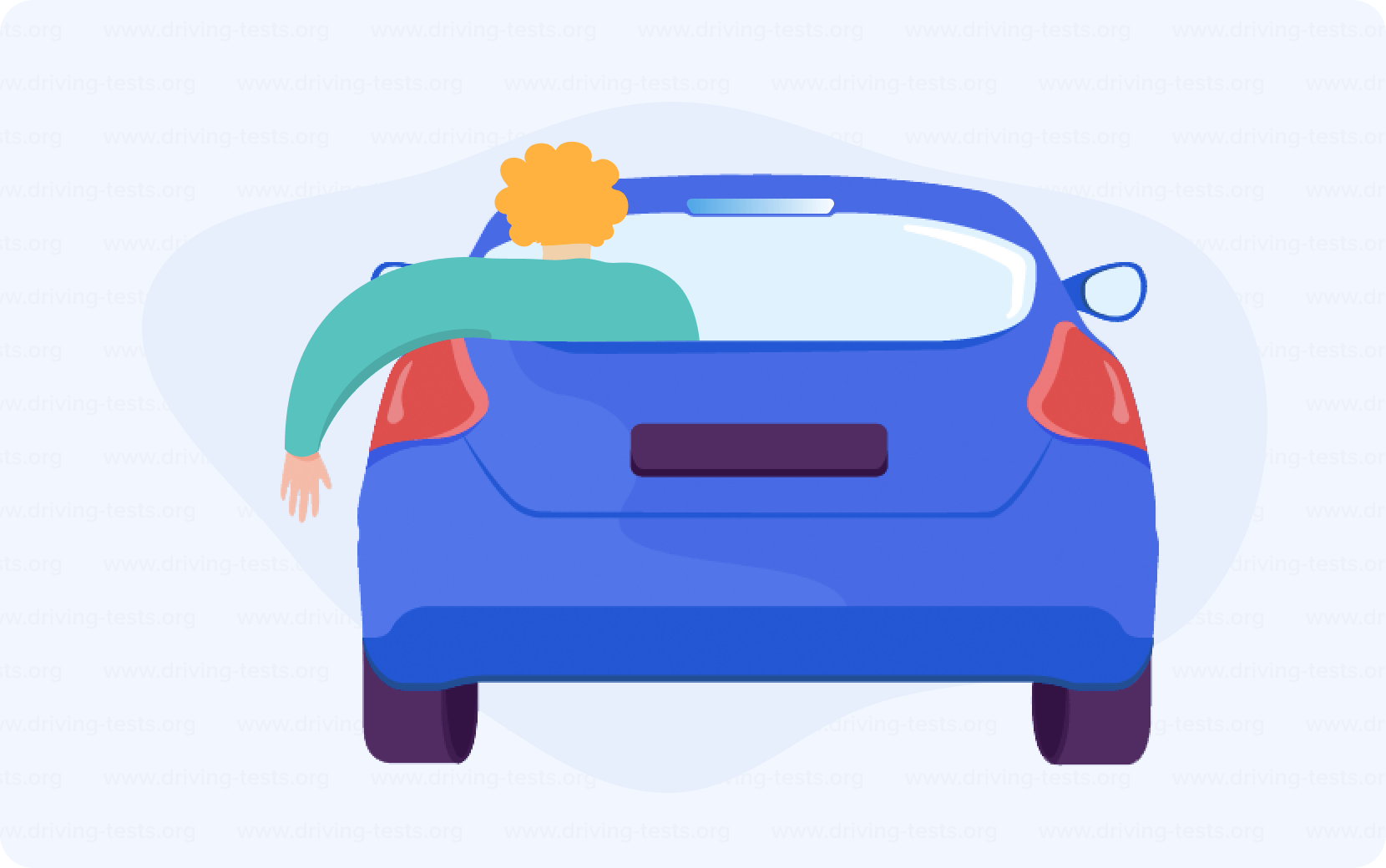
A. Turn left
B. Turn right
C. Stop
D. Start up
C. Stop
500
Defensive driving is:
A. Identifying dangerous driving situations and taking action to avoid accidents.
B. Defending yourself against poor drivers by getting ahead of them in traffic.
C. Following the vehicle ahead of you at a close distance.
D. Quickly changing lanes and shifting in and out of traffic congestion.
A. Identifying dangerous driving situations and taking action to avoid accidents.