Know your Role
Communicate & Collaborate
Resident Centered Care
You got Skills!
SAFETY FIRST!
100
Where can the CNA go to find out the Oregon approved list of authorized duties and conduct unbecoming of a CNA?
OSBN >> Nurse Practice Act >> Division 63
100
The CNA is feeling very overwhelmed with their assignment and decides to delegate some of their work to a new CNA in training. What should the experienced CNA delegate?
NOTHING a CNA can't delegate work to another CNA. A CNA can only supervise a NA student, and help orient a new CNA to facility routines.
100
The CNA is caring for a 28-year-old man who has been admitted for rehab after a car accident. Before the accident, the man was vibrant, active, and planning his wedding. Now the man is unable to walk, has suffered a brain injury, and his fiancée hasn't visited in over one month. What are some growth and development concerns you have for this patient?
Early/young adult: Choosing and establishing career, choosing a partner and settling down, may start a family, building financial security.
Concerns: Losing job, losing partner, unable to start a family (personal choice), losing independence, reliance on others, losing friends, disconnected from social groups.
100
Describe how to take a resident's blood pressure
Position resident with forearm/palm facing up, relaxed. Uncross legs, roll up sleeve, correctly align cuff over brachial artery, clean stethoscope diaphram and ear peices, place stethoscope over brachial artery, inflate cuff to 160-180, slowly release air from cuff, note guage reading at first pulse sound (systolic), note gauge reading at last pulse sound (diastolic), remove cuff, record, leave resident safe and comfortable with call light.
100
List the signs of an infection
Redness, swelling, increased pain, drainage, odor
200
The RN on duty has just delegated the CNA to apply medicated cream to a resident's skin during the next brief change. The CNA understands that the RN is authorized to delegate tasks to a CNA. What should the CNA do?
Refuse and report applying or adminstering any medication is outside the list of authorized duties of a CNA.
200
A nurse practitioner is standing outside the patient's room when the CNA arrives. The NP asks the CNA to change the resident's oxygen order from only at night to 24 hours. Describe how the CNA would change the order?
They don't! The CNA can't take new orders from a care provider (MD, NP, or PA). The CNA needs to explain they are not authorized to do this and go get a licensed nurse right away.
200
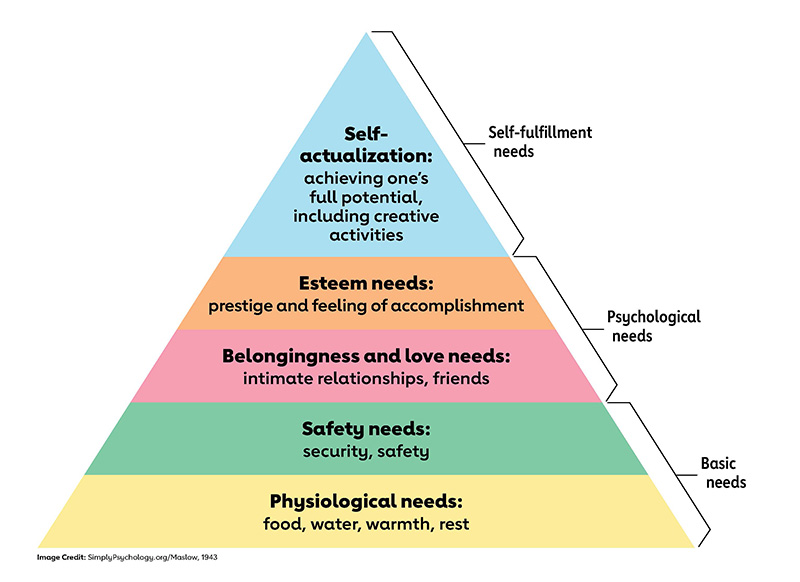
The facility you work in provides safety, comfort, food, shelter, and community for the patients. Your patient is 85, active, healthy, and only takes Tylenol for occasional arthritis pain. Your patient has asked for piano lessons because it is something they always wanted to do but never had time for. What level of Maslow's Hierarchy is the resident striving for?
200
Describe different ways to weigh a resident and the considerations associated with weighing.
standing scale, wheelchair scale, bed scale.
Same time every day, same clothes and linens on the bed, weigh the wheelchair and subtract the weight.
200
What are the three things you always need to do when leaving a resident's room?
Bed locked and lowered.
Call light within reach.
Hand hygeine
300
A CNA is working in a facility that is undergoing the state facility licensing process. A state representative approaches the CNA to ask about the facility's current COVID policy. What should the CNA do?
Answer honestly and completely. If not sure of the answer state "I don't know, but I will find someone to help". Then go find someone and follow up! Do not try to answer a question you don't know the answer to.
300
The CNA has a patient who is unable to speak after a stroke. Describe the ways the CNA could help facilitate communication with this resident.
Communication boards with pictures, body/hand gestures, written words if the resident is able to read and write.
300
Explain Self -Determination.
The idea that someone has the right to control the destiny of their own life. They have the right to freedom of choice. They are free to make decisions that may have a positive or negative outcome, but the decision is theirs.
300
Describe signs of dysphagia
Coughing, frequent swallowing, pocketing food, something "stuck" in throat.
300
What does R.A.C.E and P.A.S.S stand for?
Fire safety
R.A.C.E - Rescue, Alarm, Confine, Extinguish –
P.A.S.S. - Pull, Aim, Squeeze, Sweep
400
The CNA is getting ready to leave for the day. The next shift is running late and won't arrive for another 30 minutes. The CNA has a personal appointment scheduled right after work and can't stay. What should the CNA do?
Don't leave until someone can accept the care of the resident's. Shift report can be given to a licensed nurse instead of a CNA to ensure resident's always have someone assigned to their care.
400
The CNA has a patient who is hard of hearing and is waiting for their hearing aids from the audiologist. Describe some ways the CNA can facilitate communication with this resident.
Speak in a low tone, speak slowly, communicate face to face so the resident can read lips, written communication, or communication boards.
400
The CNA is caring for a female resident who refuses to answer any questions without her husband present. When the husband is present, he requests that you speak with him, and he will discuss his wife's care with her. What do you suspect is going on in this situation?
The CNA must be able to recognized the differences in cultural preferences and abuse. Some cultures are patriarchal and women prefer to have their husband, brother, father, or uncle speak with medical professionals rather then themselves. If the CNA suspects abuse, it must be reported right away.
400
Describe bladder training
scheduling toileting at specific times to prevent incontinence
400
You walk into your resident's room and notice they are less responsive. They usually greet you with a smile and a warm hello! Today, they are slumped to one side, the right side of their face is drooping, and their words are slurred. What do you think is going on with this resident? What do you do?
Report to licensed nurse ASAP, possible stroke.
500
The CNA just arrived for their shift and is now receiving report for the day. Describe the shift report process (when, what, where, why, and how).
A verbal report given to the CNA assuming care or recieved by the CNA handing off care. Usually done in the hallway or nurses station (HIPAA considerations). To ensure continuity of care and communicate any patient needs/preferences.
500
The facility the CNA is working in is short-staffed for the shift. They are tired and overwhelmed. When the licensed nurse asks the CNA if they are doing ok, the CNA replies, "What do you think?" and storms off. What is this an example of?
Barrier to communication
500
The CNA has been assigned to care for a patient who is on oxygen. The patient is also a smoker. The patient asks the CNA to take them outside for a cigarette and to help them turn up their oxygen after they smoke to help them breathe easier. How should the CNA handle this situation?
Report to a licensed nurse. Explain to the patient that they can go outside to smoke in designated areas (SCHS is a non-smoking facility), but the use of oxygen is a safety concern, and the CNA can't assist with that. The CNA can assist the resident to turn off and remove the oxygen tubing, help them out to smoke, and place them back on oxygen and the established flow rate when they return, but can't change the L/min.
500
Describe concerns for a resident with bleeding precautions. What do you do if a resident is injured and is bleeding heavily?
Shaving, injuries. Apply pressure and get help!
500
Describe the chain of infection
Infectious agent (pathogen)
Reservoir (the normal location of the pathogen)
Portal of exit from the reservoir
Mode of transmission
Portal of entry into a host
Susceptible host