Fill in the blank
Plants
Cells
More Cells
Cell Membranes
STAAR training
100
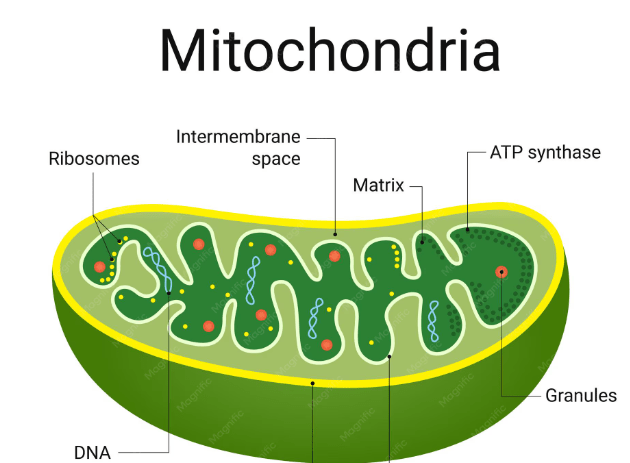
The ___________ is the powerhouse of the cell
The mitochondria
100
The organelle that carries out photosynthesis
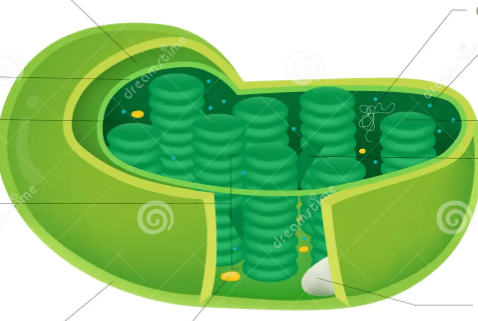
The chloroplast
100
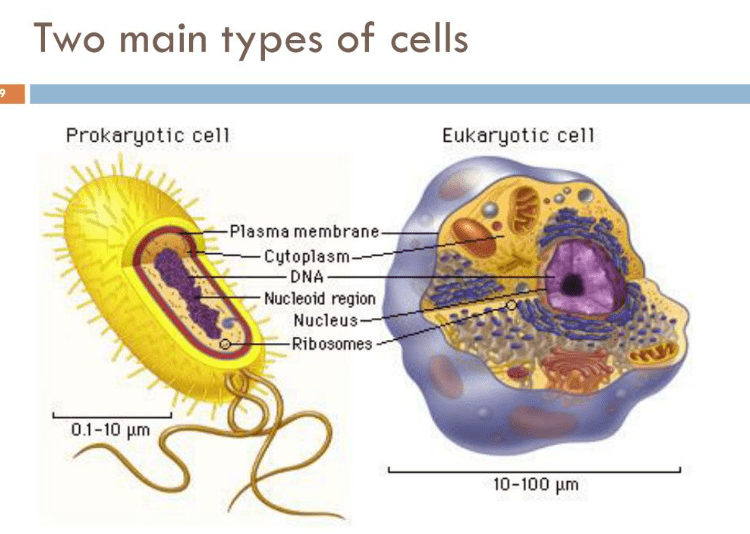
This is the smallest unit of life
The cell
100
Membrane-bound organelles that contain enzymes for breaking down waste
lysosomes
100
This term describes that cell membranes allow some things to move through them but not all things.
What is "semi permeable"?
100
A researcher inserts a DNA sequence for a salt-tolerance trait into a plant cell. The cell then produces an enzyme that helps maintain ion balance. What biomolecules are biomolecules involved?
Nucleic acids carry the genetic information, and proteins catalyze the reaction with Enzymes
200
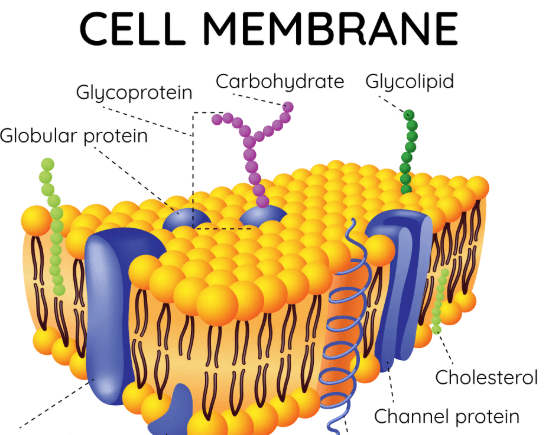
The ______________ is the semipermeable boundary around all cells that allows things to enter and exit the cell
The Cell Membrane.
200
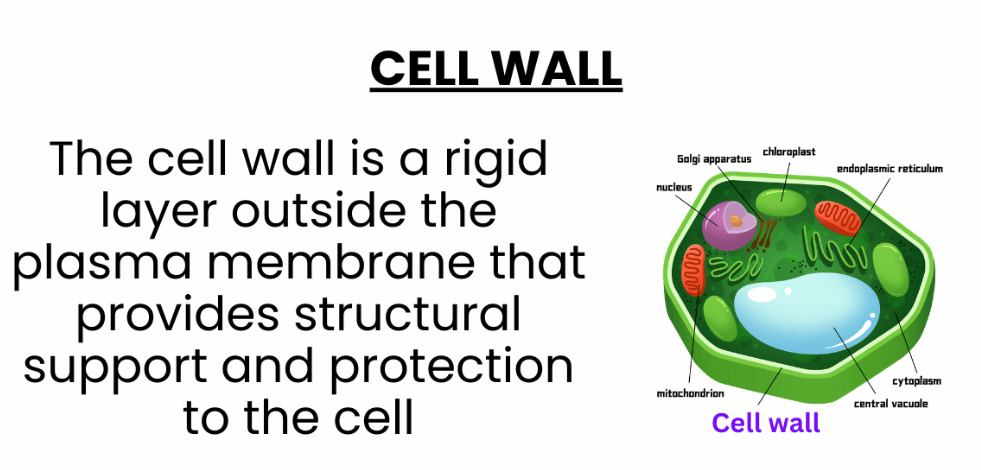
This structure surrounds the cell membrane and provides support in plants and fungi.
The cell wall
200
Single-celled Organisms that do not have a nucleus or membrane-bound organelles
Prokaryotes/Bacteria 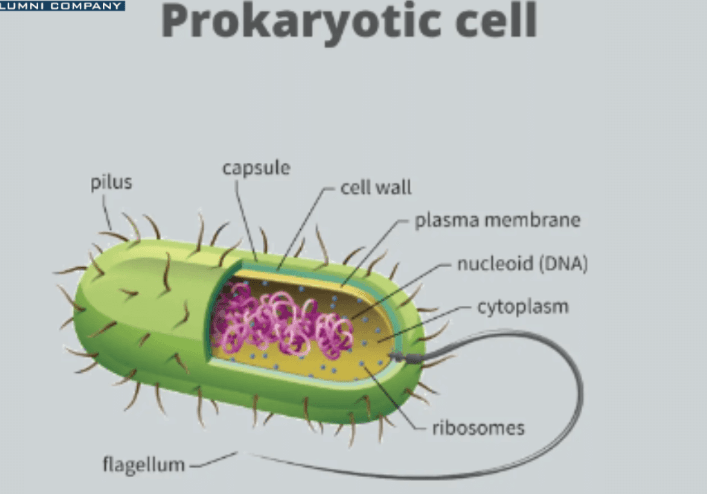
200
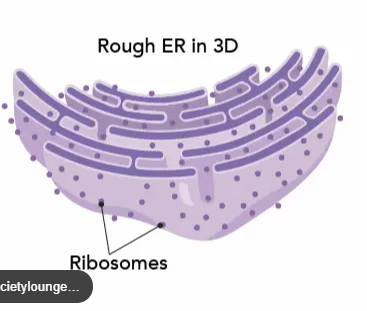
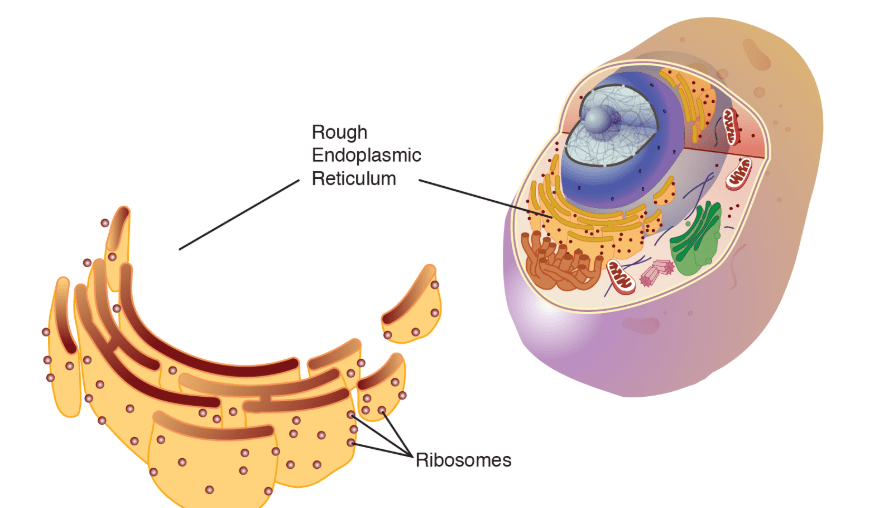
What gives the Rough Endoplasmic reticulum its rough, bumpy texture?
ribosomes located in there
200
A cell membrane is made of phospholipids, what biomolecule is this?
A phospholipid is a LIPID
200
A cyclist needs a food that can provide quick energy before a short race. Name the row that identifies the
biomolecule most directly associated with quick energy
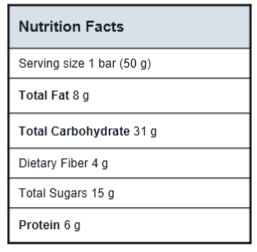
Total Carbohydrate
300
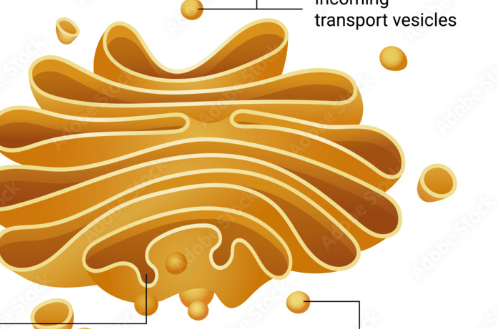
The ____________ packages and transports proteins
The Golgi Apparatus
300
These small organelles, found in all cells, produce proteins.
The ribosomes
300
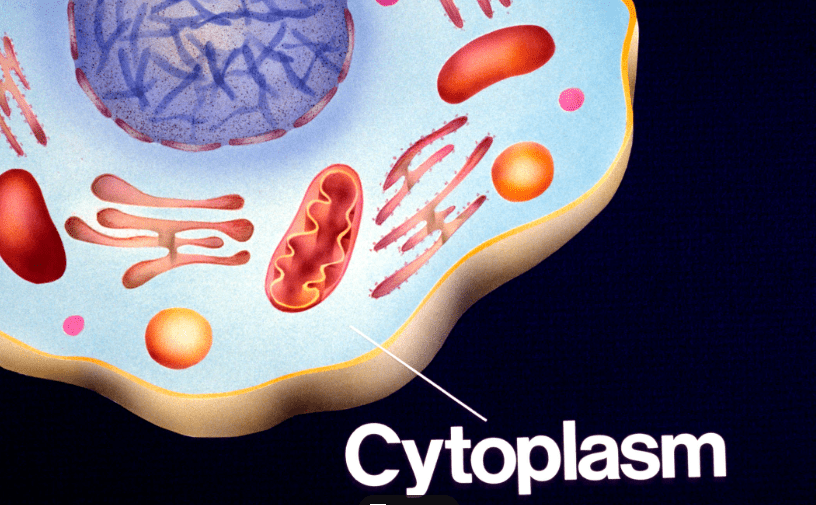
This is the jelly-like fluid inside of all cells. A combination of water and dissolved molecules like salts.
The cytoplasm
300
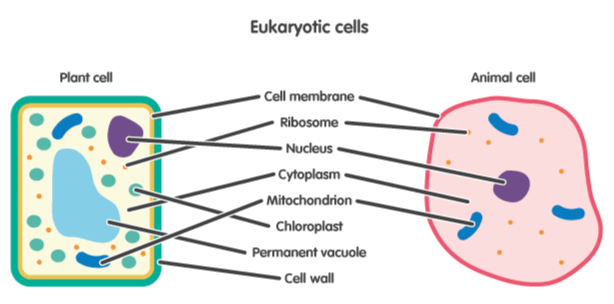
The eukaryotic cell has its DNA in this organelle
What is the nucleus
300
These macromolecules are located within the cell membrane to help move large molecules like glucose through. Clue: It is the same biomolecule as enzymes
PROTEINS
300
Which pair of statements best compares ATP and DNA?
F) ATP stores hereditary information; DNA provides immediate energy for cell work.
G) ATP transfers energy for cellular processes; DNA stores and transmits genetic information.
H) ATP is the main structural material in cell walls; DNA is an enzyme.
J) ATP forms the phospholipid bilayer; DNA transports molecules across membranes
Which pair of statements best compares ATP and DNA?
G) ATP transfers energy for cellular processes; DNA stores and transmits genetic information.
400
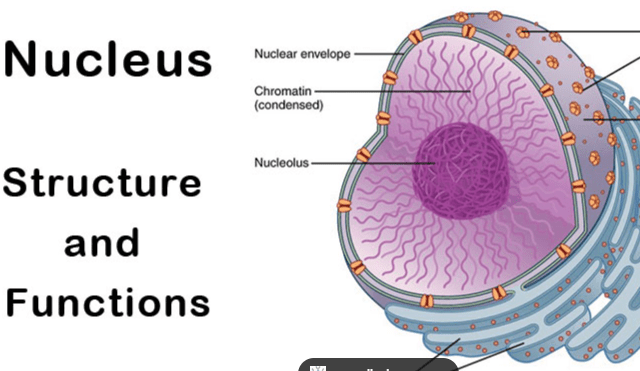
The _________ stores DNA or genetic information
The nucleus
400
This organelle stores water in plant cells, and stores lipids in animal cells.
The Vacuole
400
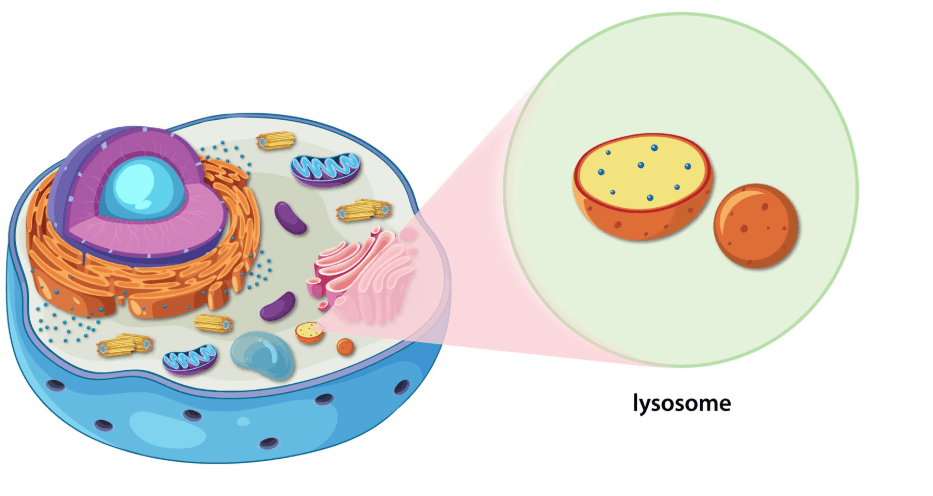
The organelle that gets rid of waste and recycles material
Lysosomes
400
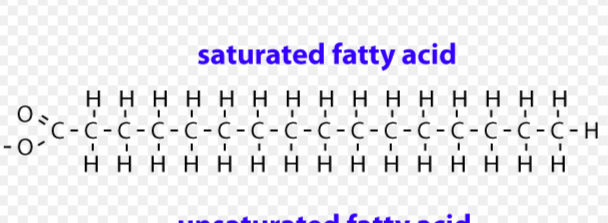
These monomers (Building Blocks) would be needed to make the phospholipids in the cell membrane.
fatty acids
400
What type of cells have a cell membrane?
a) Eukaryotic
b) Prokaryotic
C) ALL
ALL CELLS HAVE A CELL MEMBRANE!!!!
400
A student compares proteins and nucleic acids. Which description belongs in the shared region?
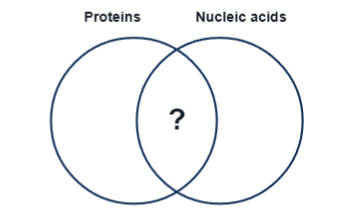
A) Both are polymers made from smaller subunits and contribute to cell function.
B) Both are the main source of immediate energy for cells.
C) Both form the phospholipid bilayer of cell membranes.
D) Both store energy in fatty-acid chains

A) Both are polymers made from smaller subunits and contribute to cell function.
500
Proteins are first made in the ___________.
The Ribosomes
500
Cell walls in plants are made of cellulose. What macromolecule is cellulose an example of. . . this is the same macromolecule that gives quick energy
A carbohydrate
500
These monomers (building blocks) would be needed for ribosomes to be able to make proteins from.
Amino acids
500
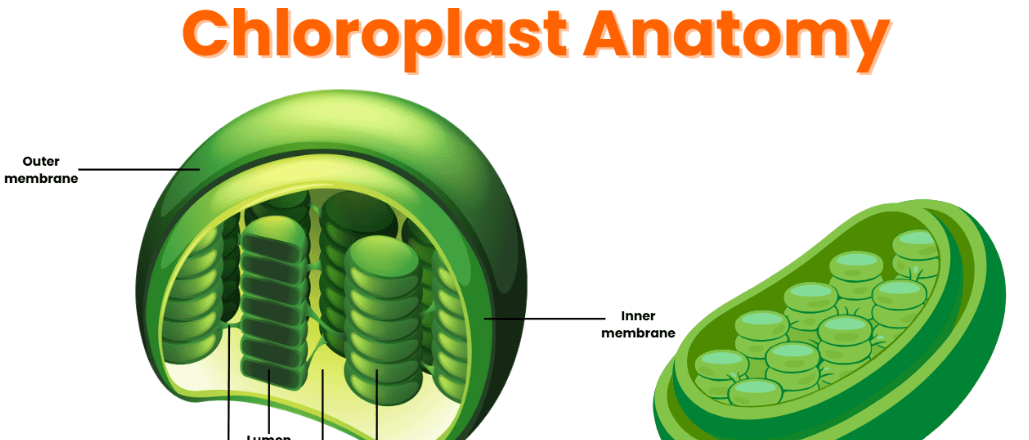
Animal cells do not have this organelle because they CANNOT do Photosynthesis. Only Plant cells have this organelle because they CAN do photosynthesis
Chloroplasts
500
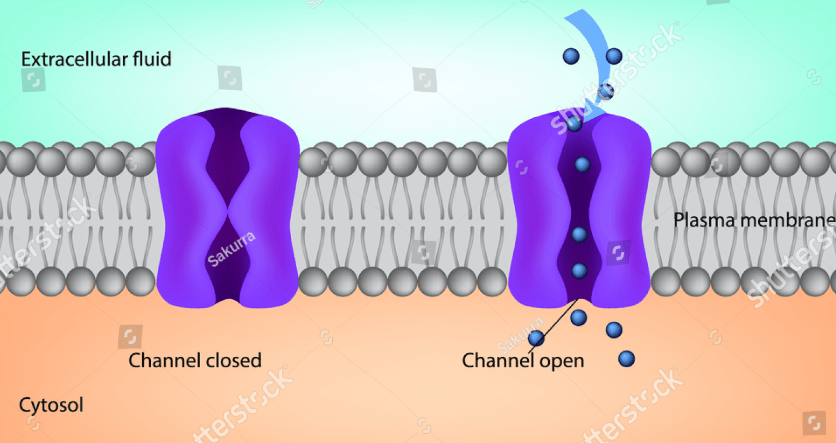
The main job of the Cell Membrane is to....
Allow things in and out of the cell
500
A student compares the functions of carbohydrates and lipids. Which description belongs in the shared region?
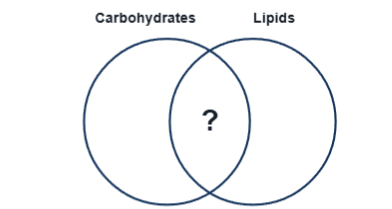
Provide usable or stored energy