Open up a TAB
Say My Name
Are we Cleared?
Getting on my Nerves
Emergen-C
150
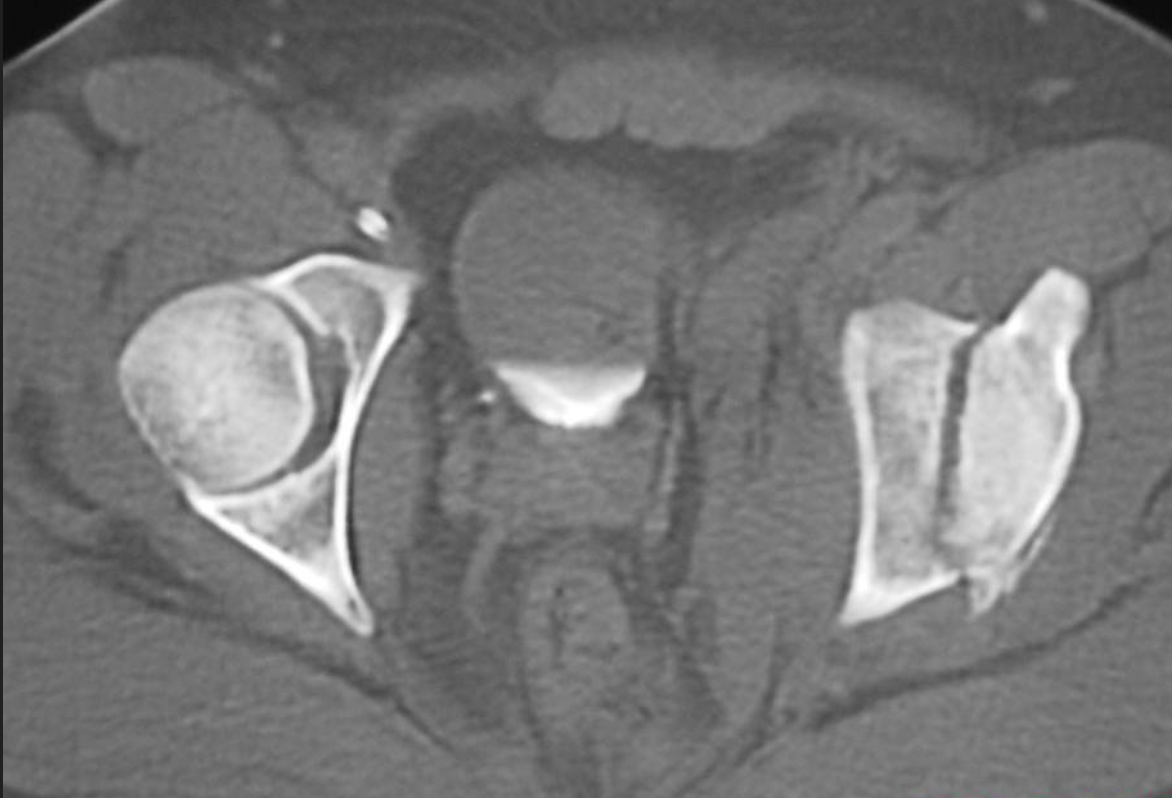
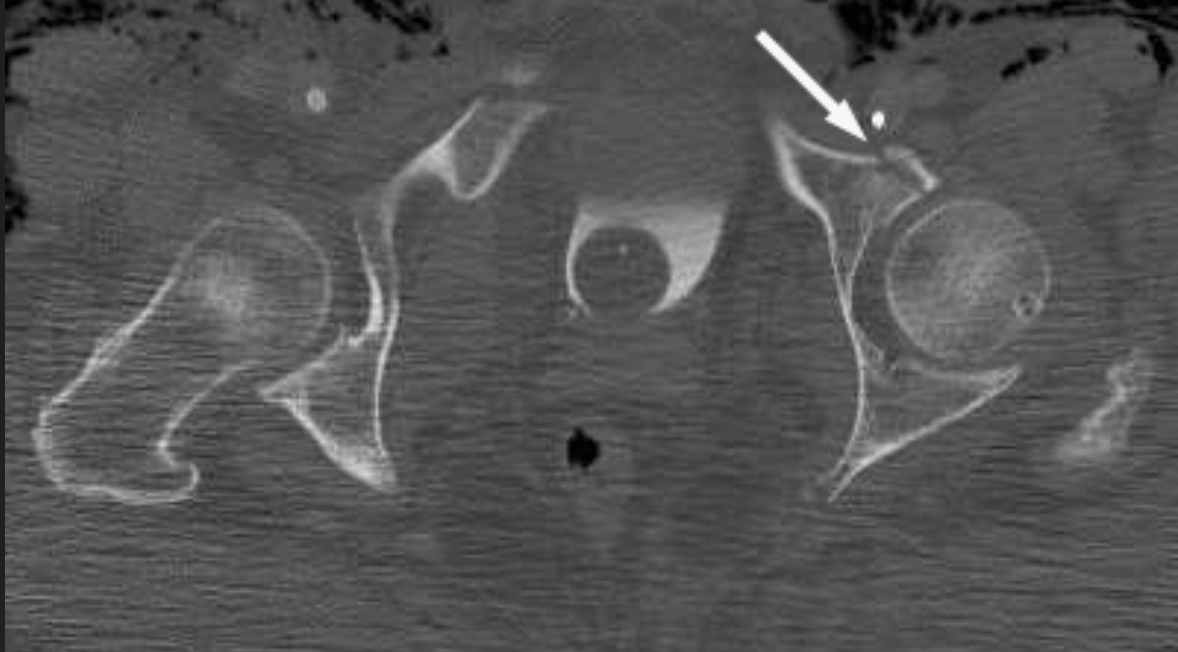
A patient sustained a fracture of the left acetabulum. A single axial CT scan from a two-dimensional study is shown in Figure 61. This fracture pattern is best classified as?
Transverse
150
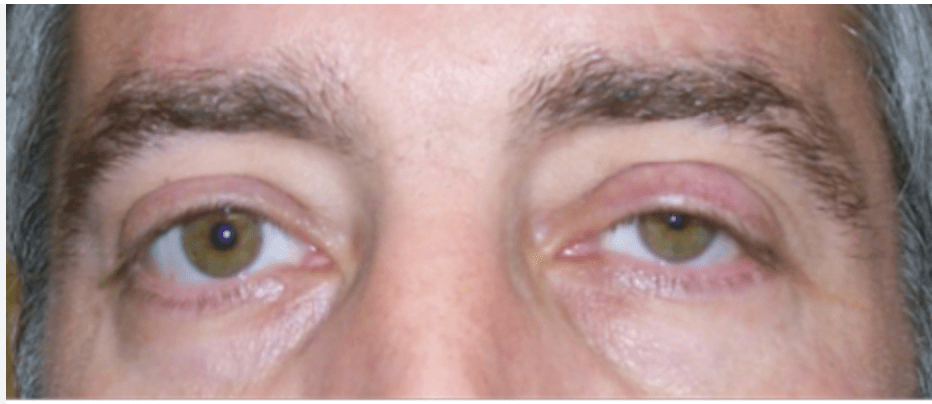
Name my condition and constellation of findings.
Horners Symdrone: injury to the sympathetic chain, which may occur concomitantly with lower root (C8-T1) avulsions
-Miosis -Ptosis - Anhidrosis
150
This inflammatory marker is most closely tied to a systemic inflammatory response following orthopaedic injury and treatment.
IL-6
150
Plexus injuries can occur pre or post ganglionic. A young male sustained injury to RUE after traction injury. CT myelogram show pseudomeningoceles of the involved levels. This finding is suggestive of injury which type of brachial plexus injury?
Pseudomeningoceles are cerebral spinal fluid collections extending from the central spinal canal into the peripheral soft tissues. They are highly associated (>95% predictive) with pre-ganglionic root avulsions.
150
A 51-year-old female is involved in a MVC. In the trauma bay she is found to have an acetabular fracture. During surgery the following morning, fracture reduction is extremely difficult. Postoperative CT scan shows continued displacement of 4mm at the articular surface. Which of the following fracture patterns is most closely linked to the need for conversion to total hip arthroplasty in patients older than 50 years old?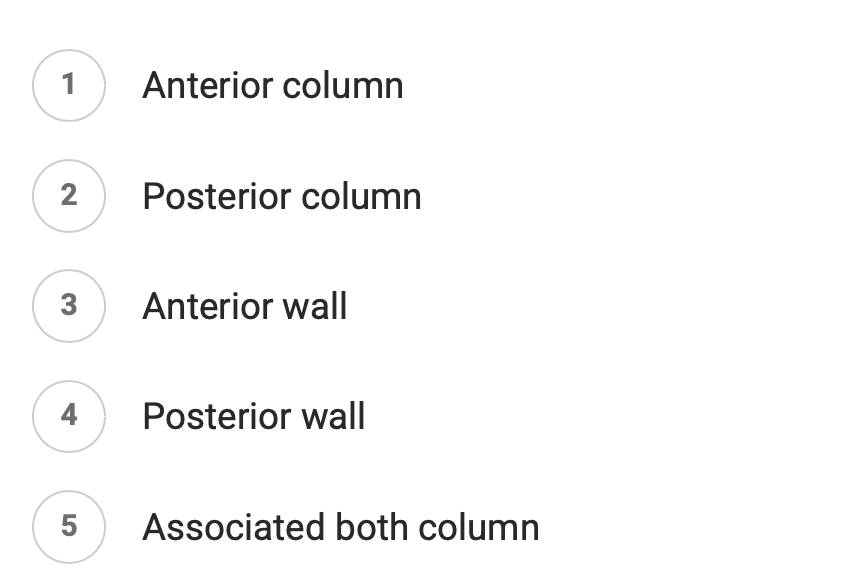
Posterior wall fractures, especially in patients >50 years old are associated with a high rate of conversion to total hip arthroplasty if a non-anatomic reduction in achieved.
250
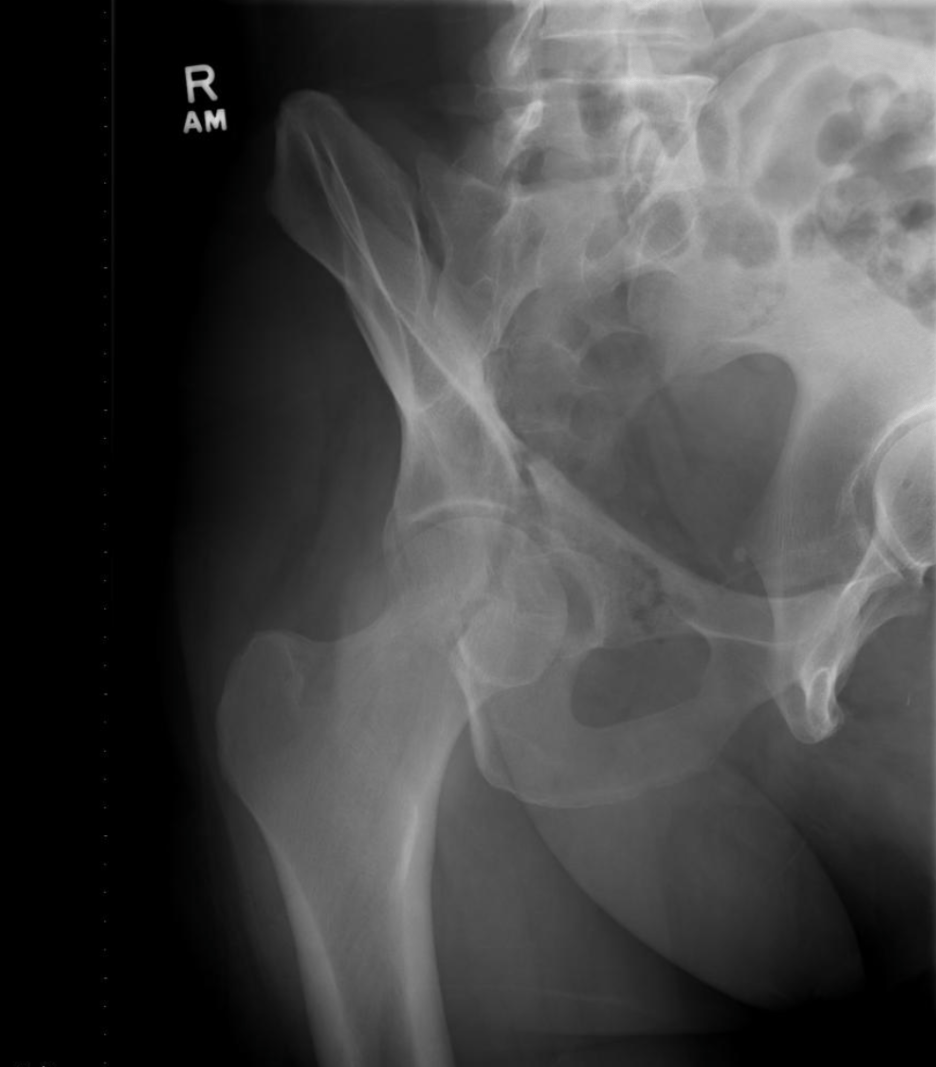
Describe the Radiograph. What view and what can be said/ assessed from this view?
Obturator oblique view
Posterior wall and anterior column
250
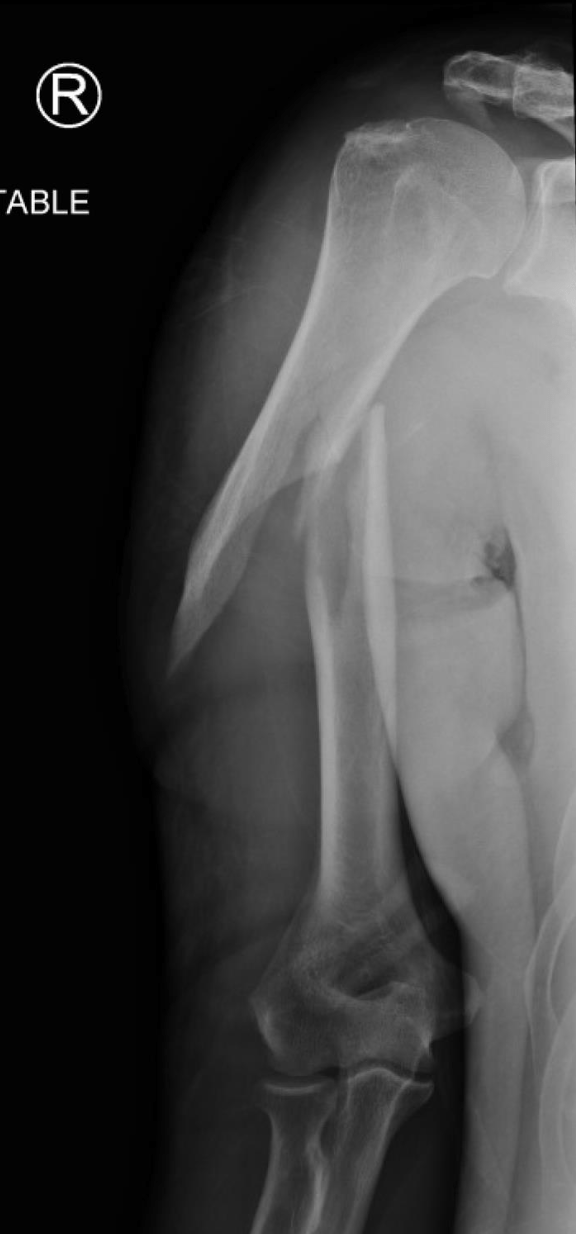
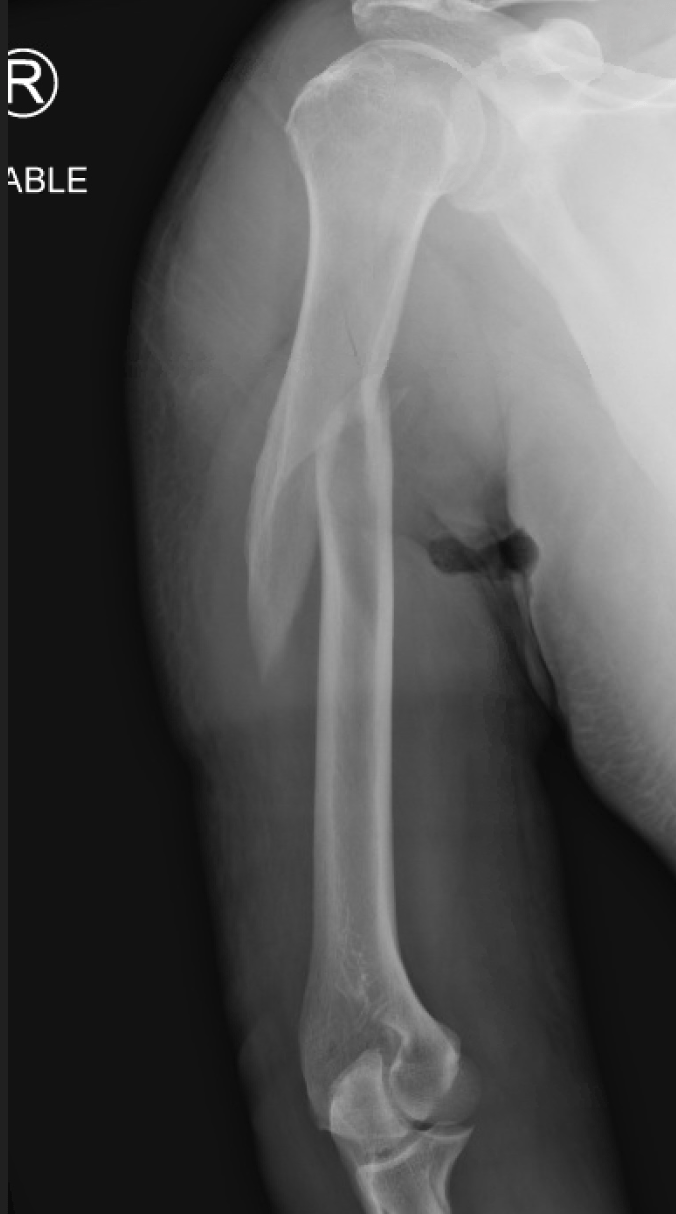
After coaptation bracing the patient was placed in this type of brace. However at _ weeks followup he presents with persistent fracture site motion and is taken to surgery to avoid nonunion. Name the brace and when the patient presented
Sarmiento Brace
6 weeks
250
A 35-year-old male sustains the injury shown in Figure A. He is currently not cleared for surgery due to a severe head injury. At what time point after the injury is there an increased risk of a poor outcome?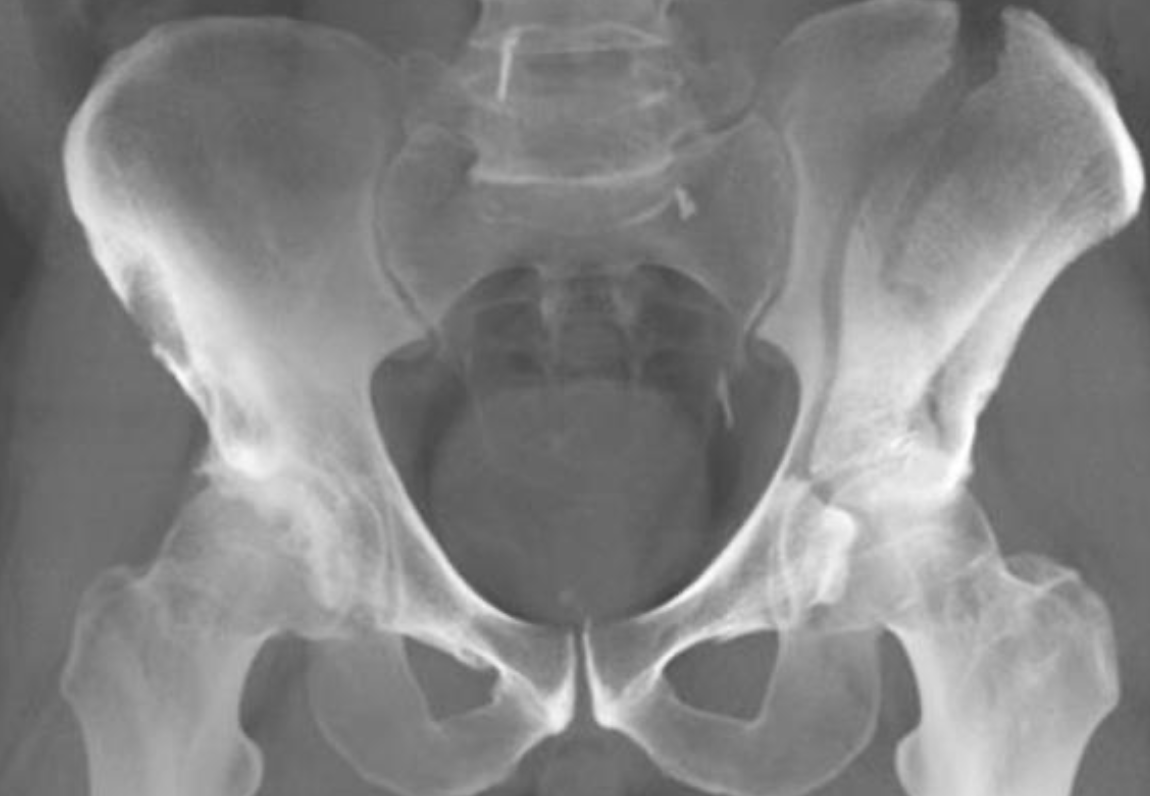
Delay of fixation for more than 3 weeks is associated with difficulty in achieving adequate reduction and poor outcomes.
250
Gerwin et al. performed an anatomic study to define the course of the radial nerve in the posterior aspect of the arm. They dissected 10 cadaver specimens, and this nerve was found to cross the posterior aspect of the humerus at these approximate locations
The radial nerve was found to cross the posterior aspect of the humerus from an average of 20.7 +/- 1.2 centimeters proximal to the medial epicondyle to 14.2 +/- 0.6 centimeters proximal to the lateral epicondyle
250
A 32-year-old male sustains the injury seen in Figure A. His blood pressure preoperatively was 132/84. After closed reduction and placement of an intramedullary nail, his intraoperative leg compartment pressures are measured, with the highest being 28 mmHg. His blood pressure at this time is 84/57. The next appropriate step is to.
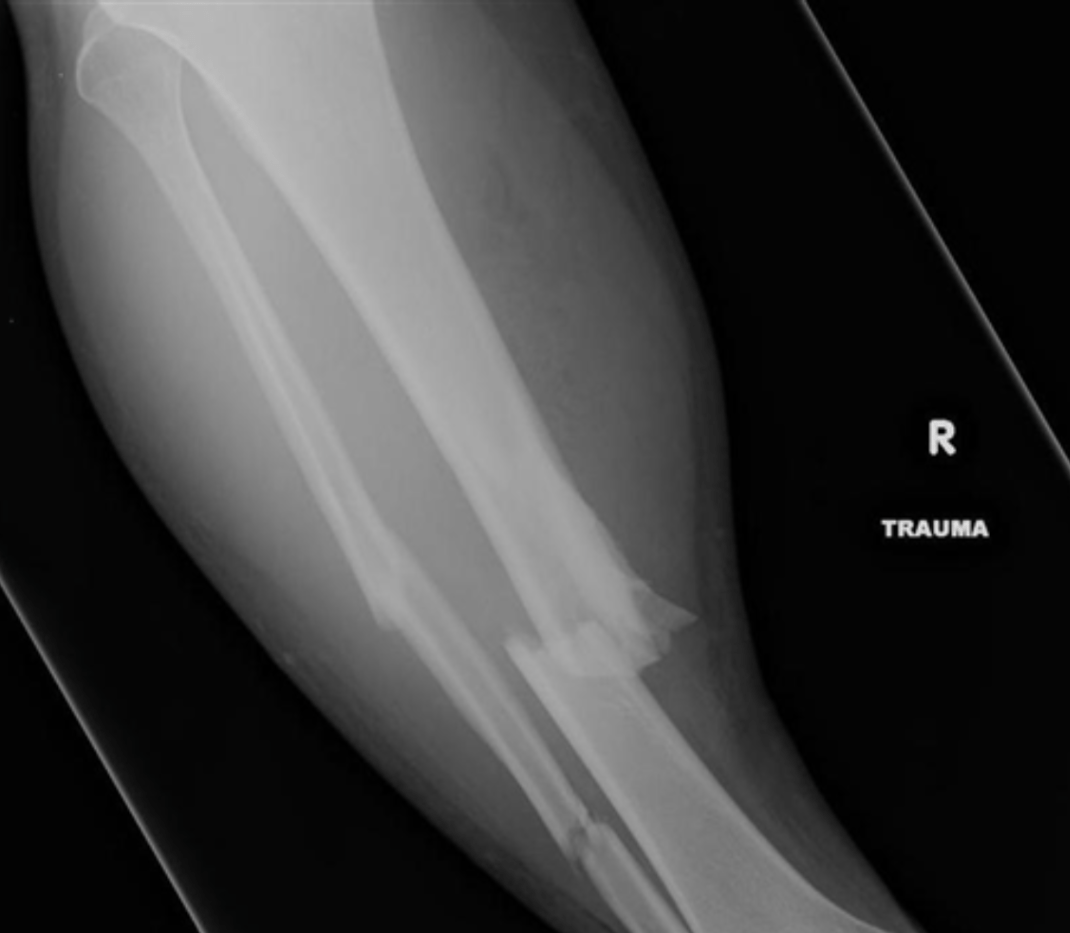
Repeat evaluation in the recovery room.
Anesthesia induced Hypotension
300
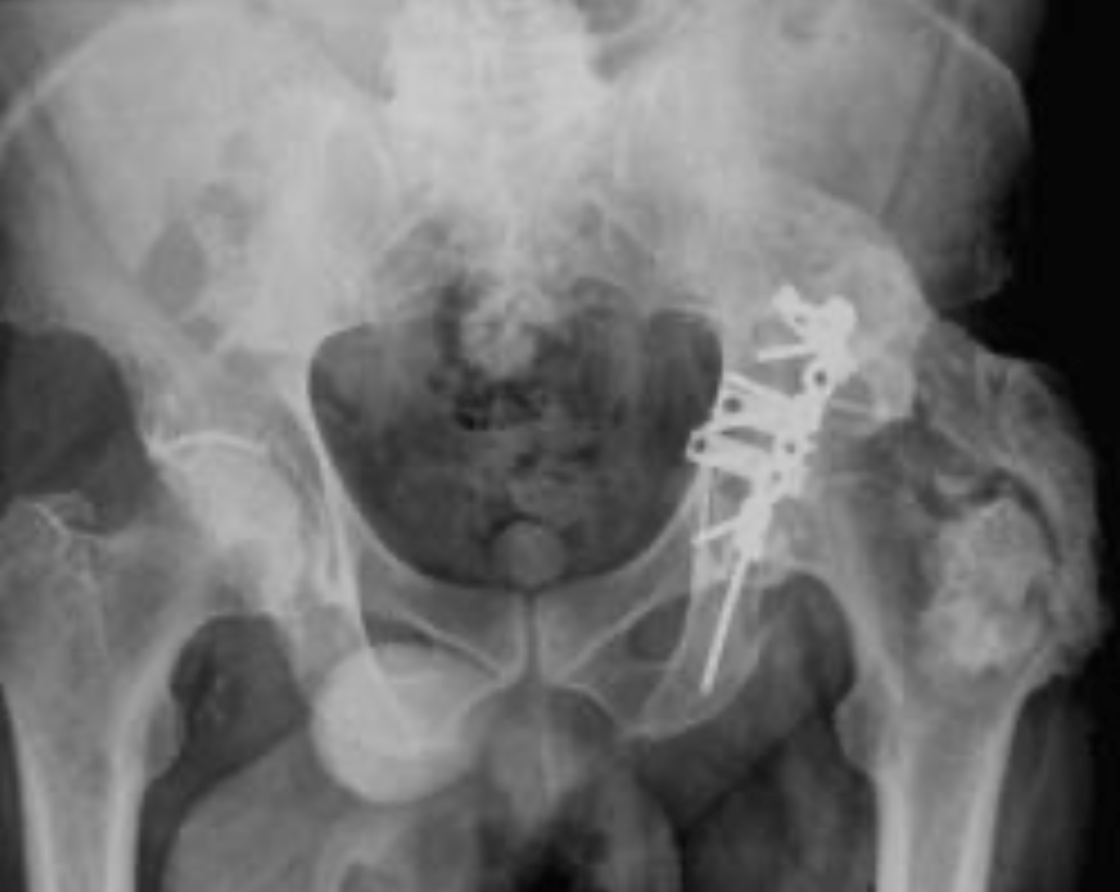
A 36-year-old male sustained a posterior column acetabular fracture and traumatic brain injury following a motor vehicle accident. He underwent open reduction and internal fixation of the acetabular fracture. Above are 2-year postoperative radiograph. Which surgical approach has the highest association with the development of heterotopic ossification?
How can this be prevented?
the Kocher-Langenbeck approach has the highest association with the formation of heterotopic ossification (HO).
Debridement of the damaged gluteus minimus and medius musculature and single-dose radiation have dually been found to decrease the incidence of HO postoperatively.
300
A 36-year-old male sustains an open segmental tibia fracture associated with an overlying 8 cm soft tissue avulsion that requires skin grafting for soft tissue coverage. No vascular injury is identified. What is the most appropriate __________ classification of this injury?
Gustilo-Anderson IIIA
300
A 36-year-old man sustains blunt chest trauma, an open right femur fracture, and a closed left tibia fracture following a high-speed MVC. Upon presentation to the emergency room, blood pressure is 80/40, HR 135, and urine output is .4 cc/kg/hr. Fluids and blood products are administered, and the patient is transferred to the ICU for further care. As an alternative to lactate and base deficit measurements, which of the following would best indicate adequate resuscitation has been achieved?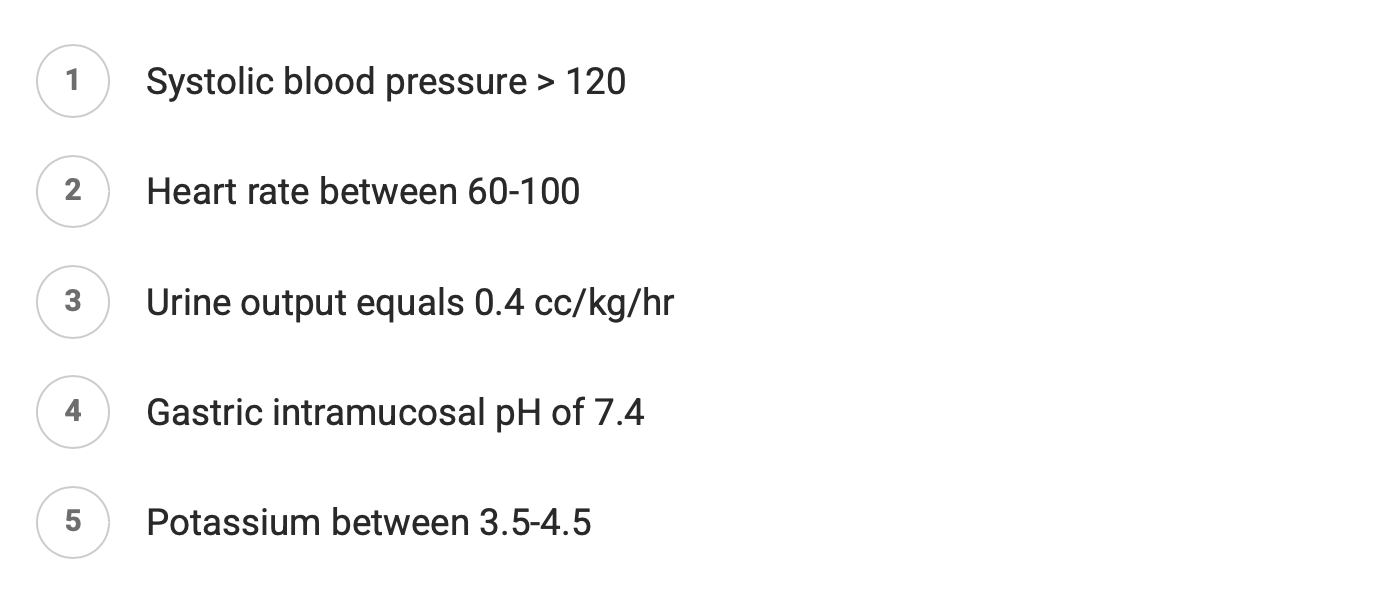
Of the following variables, only a normal gastric mucosal pH (>7.3) is associated with restoration of tissue oxygenation.
Shock is an abnormality of the circulatory system that results in inadequate organ perfusion and tissue oxygenation. This leads to anaerobic metabolism with the development of lactic acidosis and oxygen debt. Shock is either classified as compensated or uncompensated. Compensated shock exists when there is evidence of ongoing inadequate tissue perfusion despite the normalization of blood pressure, heart rate, and urine output. Uncompensated shock occurs when there is inadequate tissue perfusion and abnormal blood pressure, heart rate, and urine output. Thus, a patient may have normal vital signs but still be in a state of compensated shock that requires additional resuscitation.
Porter et al. review the optimal end points of resuscitation in trauma patients. They conclude that using traditional end points such as blood pressure, urine output and heart rate, may leave up to 85% of patients in "compensated" shock. They urge the use of lactate, base deficit, and gastric intramucosal pH as appropriate end points of resuscitation.
300
Anterior penetration of an iliosacral screw through the sacral ala would most likely lead to injury to what structure and lead to weakness of which of the following movements .
Penetration of an iliosacral screw through the sacral ala would injure the ipsilateral L5 nerve root (great toe dorsiflexion)
300
Open tibia fractures are often at increased risk of infection. Name one risk factor for infection!
*Hint there are 4
Risk factors for infection include blast-type mechanism of injury, greater than 7 days between injury and definitive soft tissue coverage, higher grade of Gustilo-Anderson classification, and contamination of the wound with foreign bodies.
400
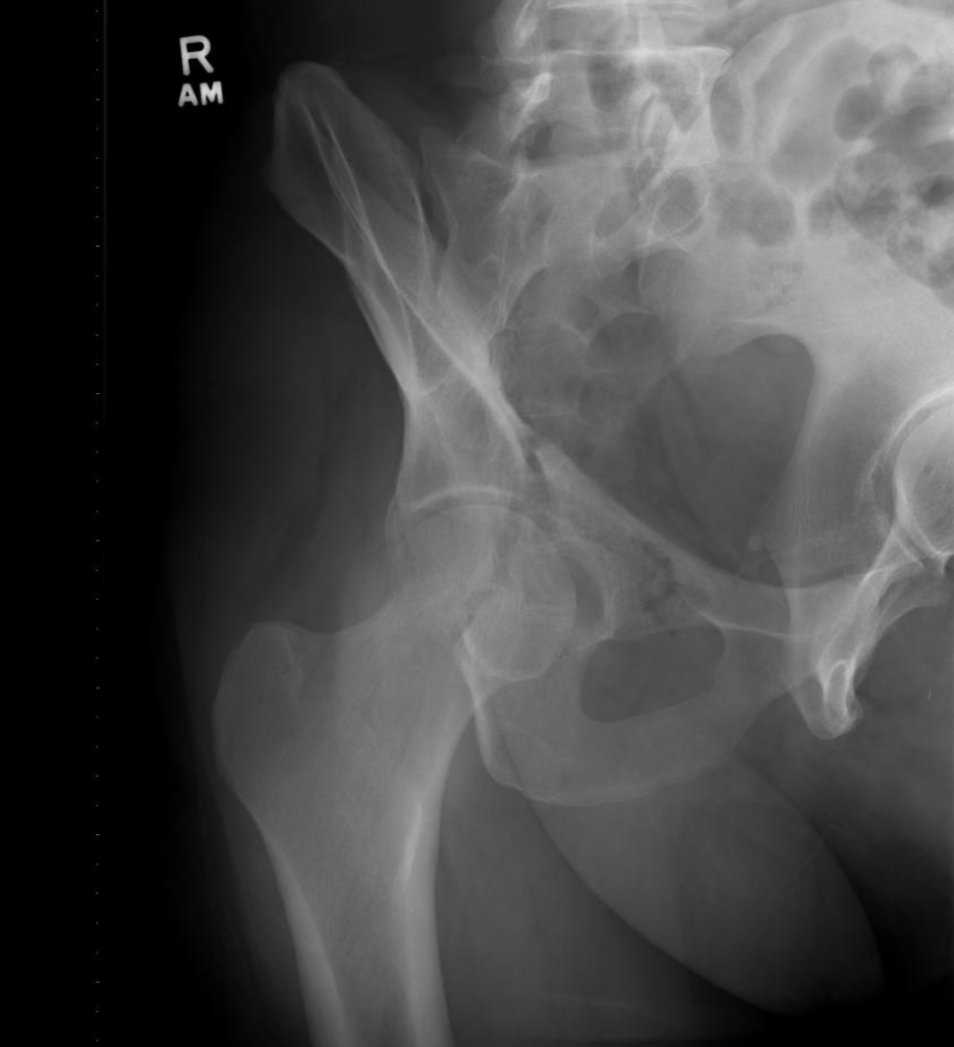
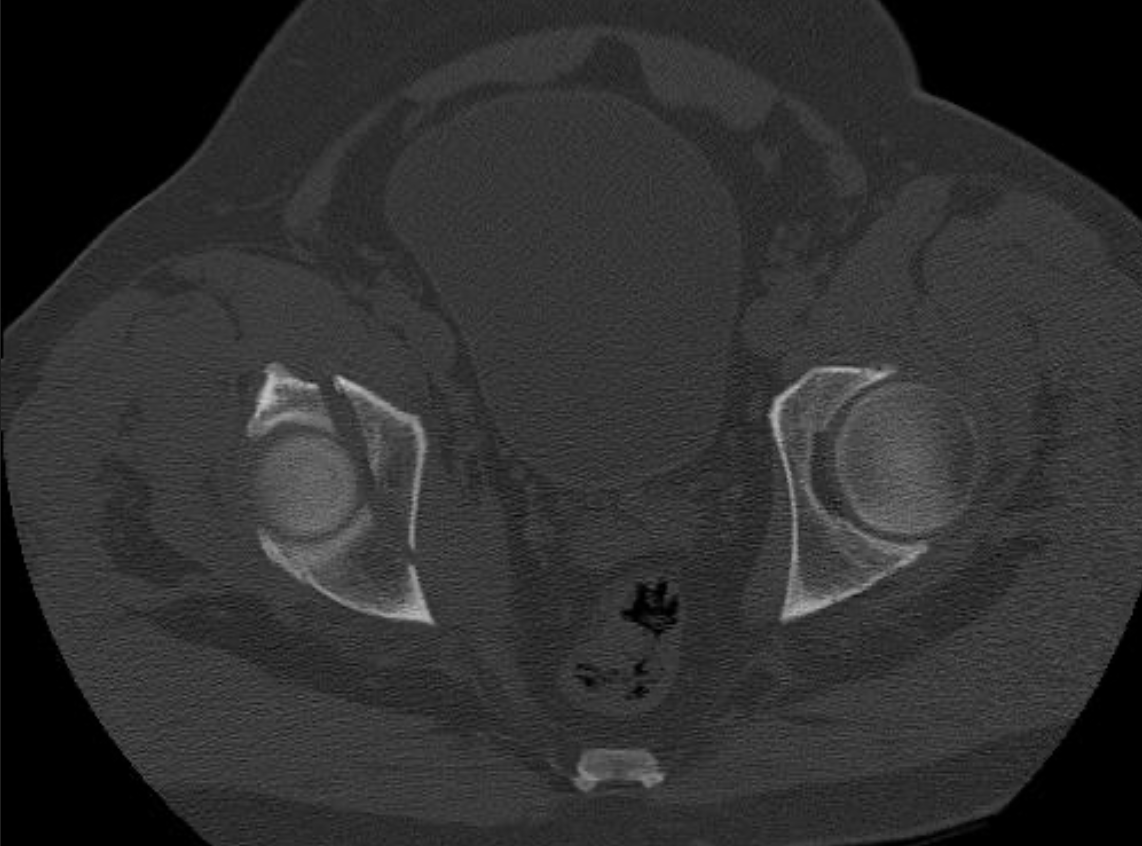
A 42-year-old female sustains the injury seen in the computed tomography images seen in Figures A and B. According to the Letournel classification, what is the injury pattern shown?
Transverse
400
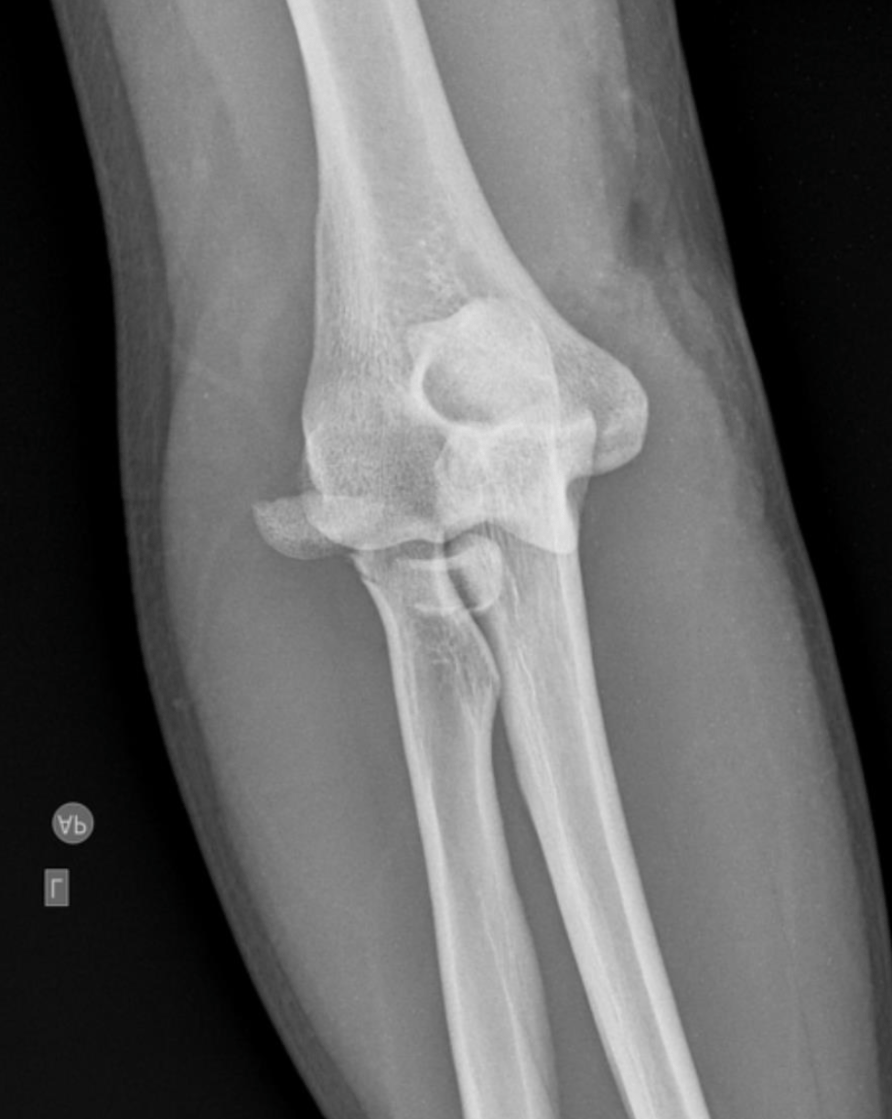
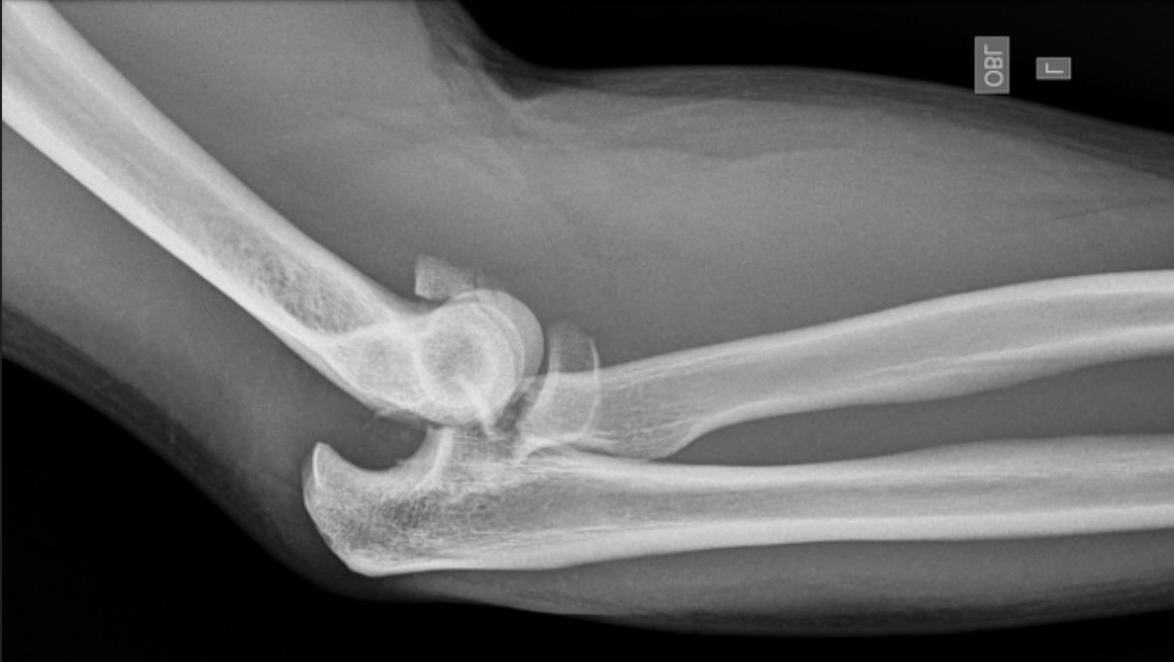
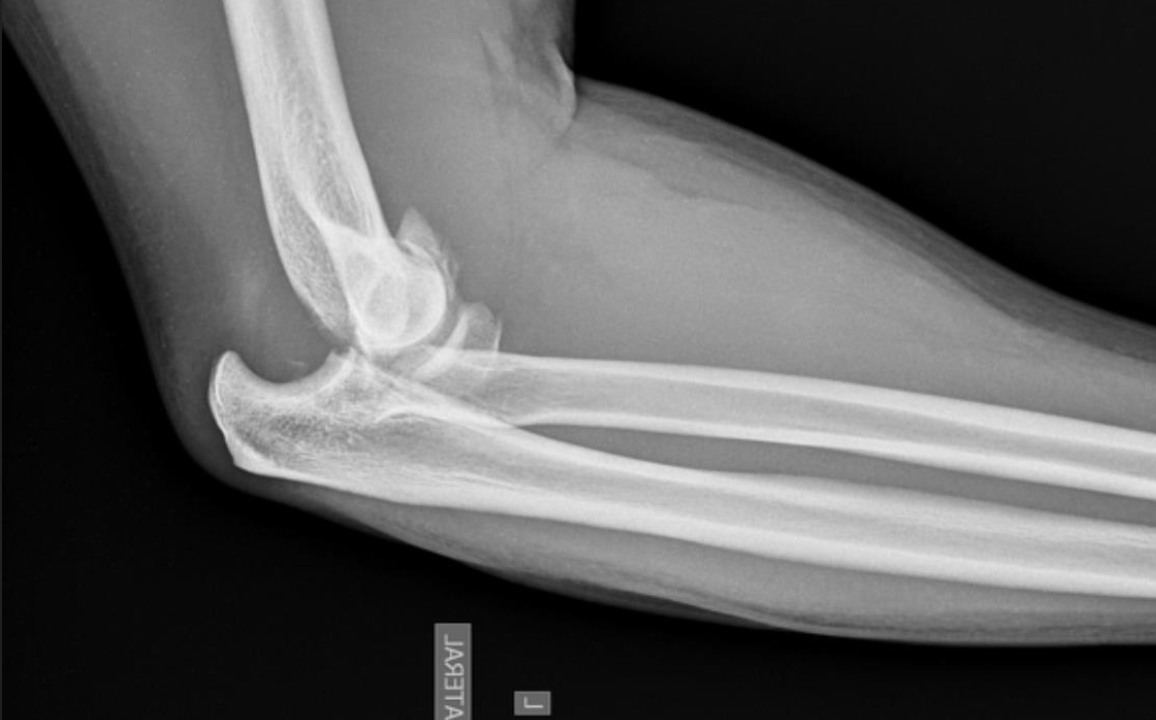
First describe the XRays. Whats my common name? What is typically injured/included?
bonus/steal: The associated ligamentous and capsular structures tend to fail in a predictable sequence. Name them and the order.
Terrible triad: Radial head fx, dislocation, and elbow dislocation
1.LUCL, 2.Anterior capsule, then 3. MUCL (lateral to medial)
400
A 45-year-old male is involved in a motorcycle crash. Work-up reveals a closed, right femoral shaft fracture, an open, right tibial shaft fracture, a closed left mid-shaft radius and ulna fractures, and a closed left femoral shaft fracture. His heart rate is 115bpm with a systolic blood pressure of 105mmHg. Initial hematocrit values are reported at 31.5 g/dL, Lactate is 1.9 and his base deficit is 6mEq/L. What is the most appropriate next step in management?
External fixation bilateral femur fractures, irrigation and debridement followed by external fixation right tibia, splinting left forearm
With a base deficit of 10mEq/L, the patient is under-resuscitated and unstable. Thus, damage control orthopedics via external fixation of the long bone injuries with irrigation and debridement of the open tibia is the appropriate next step in management.
400
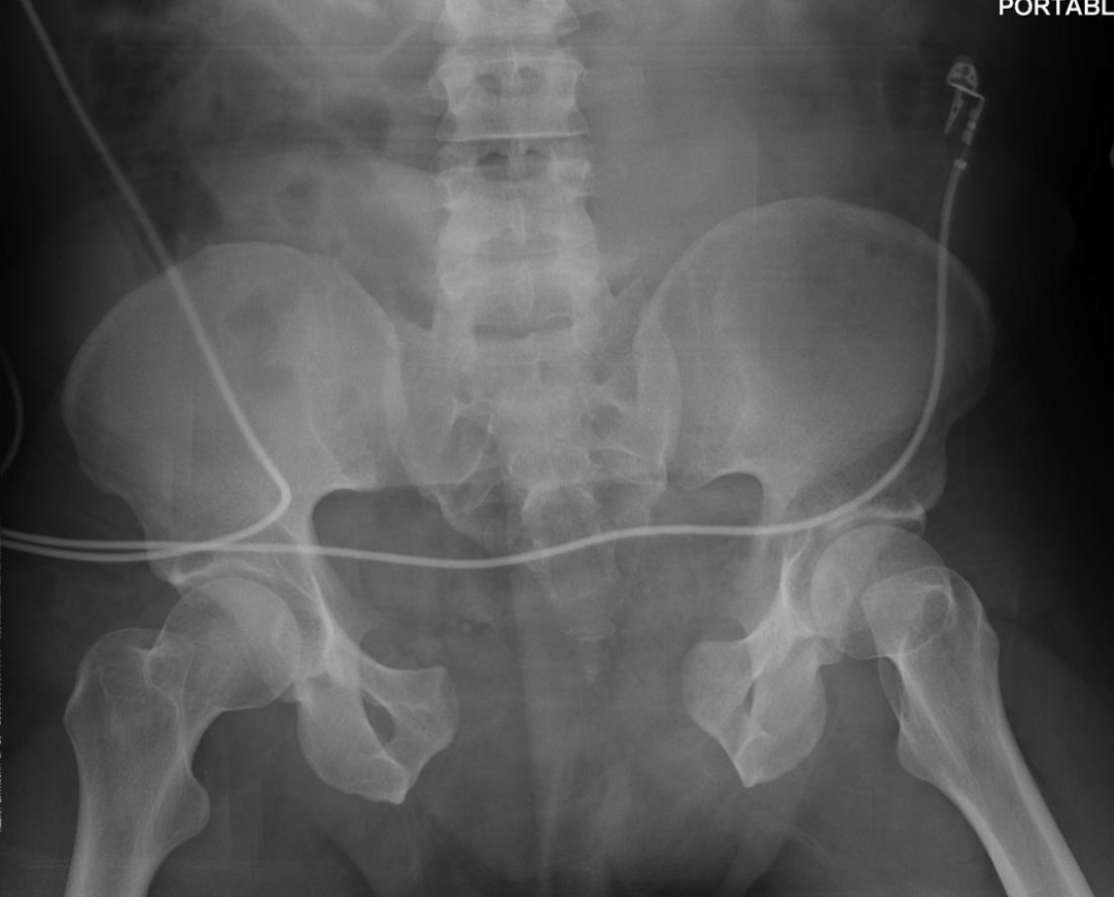
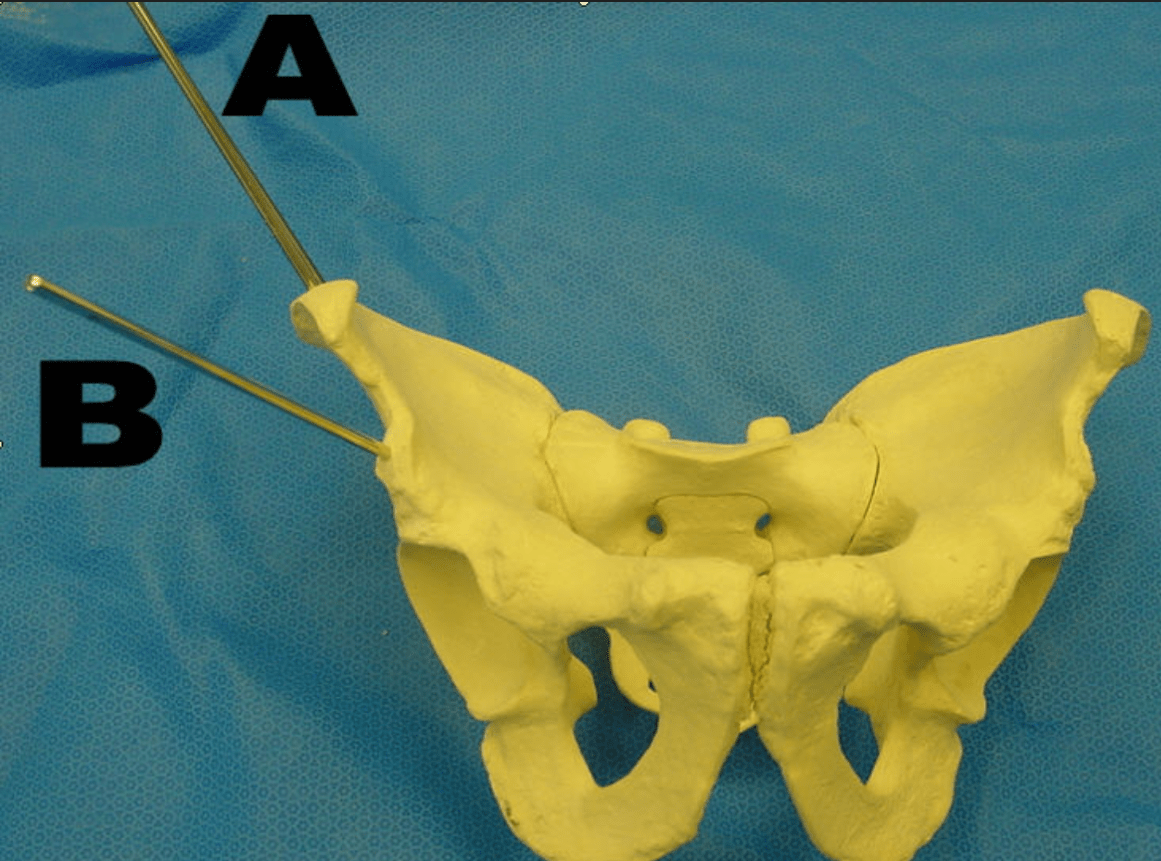
A 25-year-old male presents to the emergency department with the injury seen in Figure A after a motorcycle collision. Orthopaedic surgery is consulted and places a pelvic external fixator intraoperatvely to assist with resuscitation.
Describe the radiographs and answer the following: Pins at site (B) place what neuromuscular structure at risk?
Haidukewych et al evaluated the safety of supra-acetabular pin placement in a cadaveric study. The authors found that the lateral femoral cutaneous nerve (LFCN) was most at risk during pin placement.
400
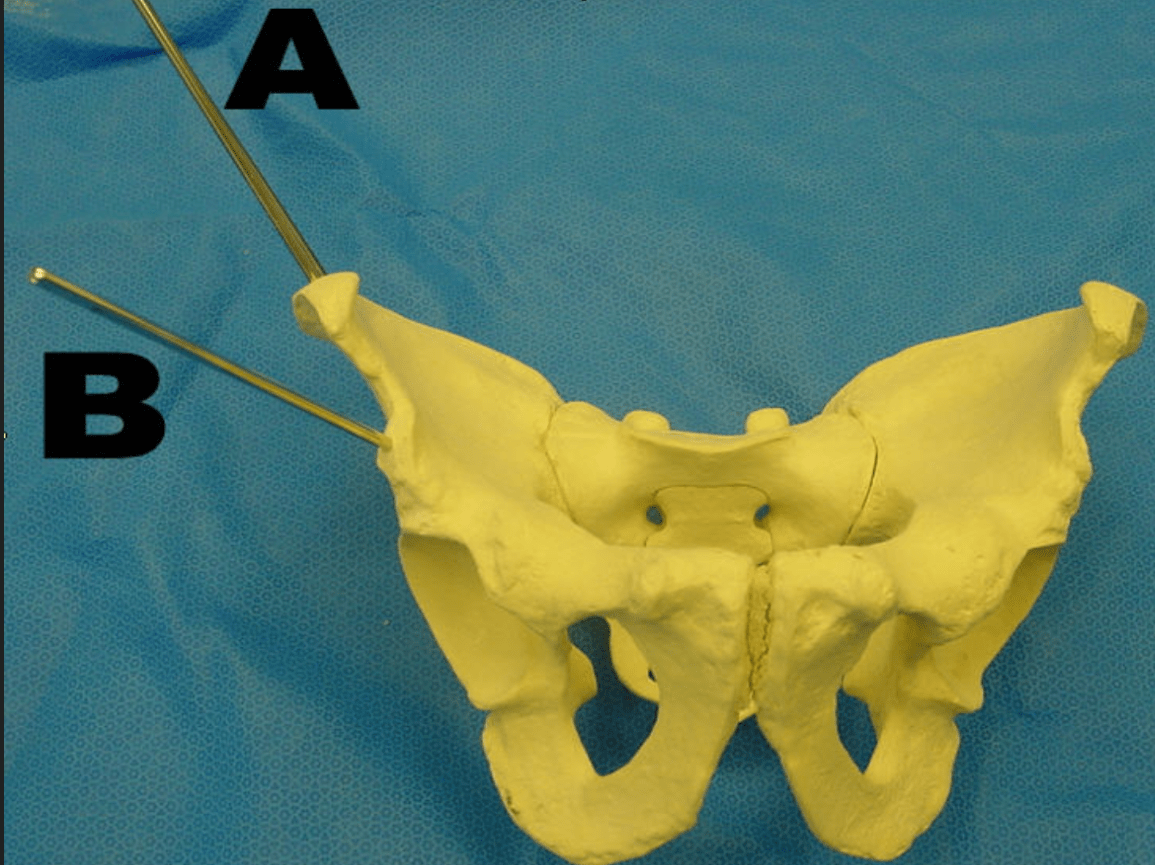
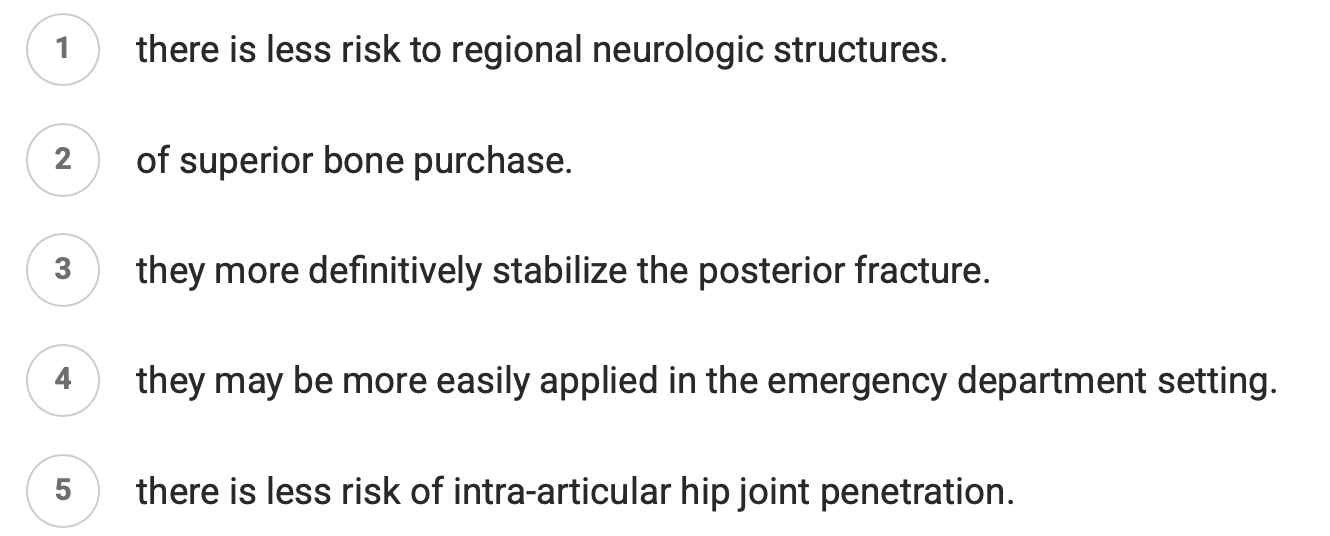
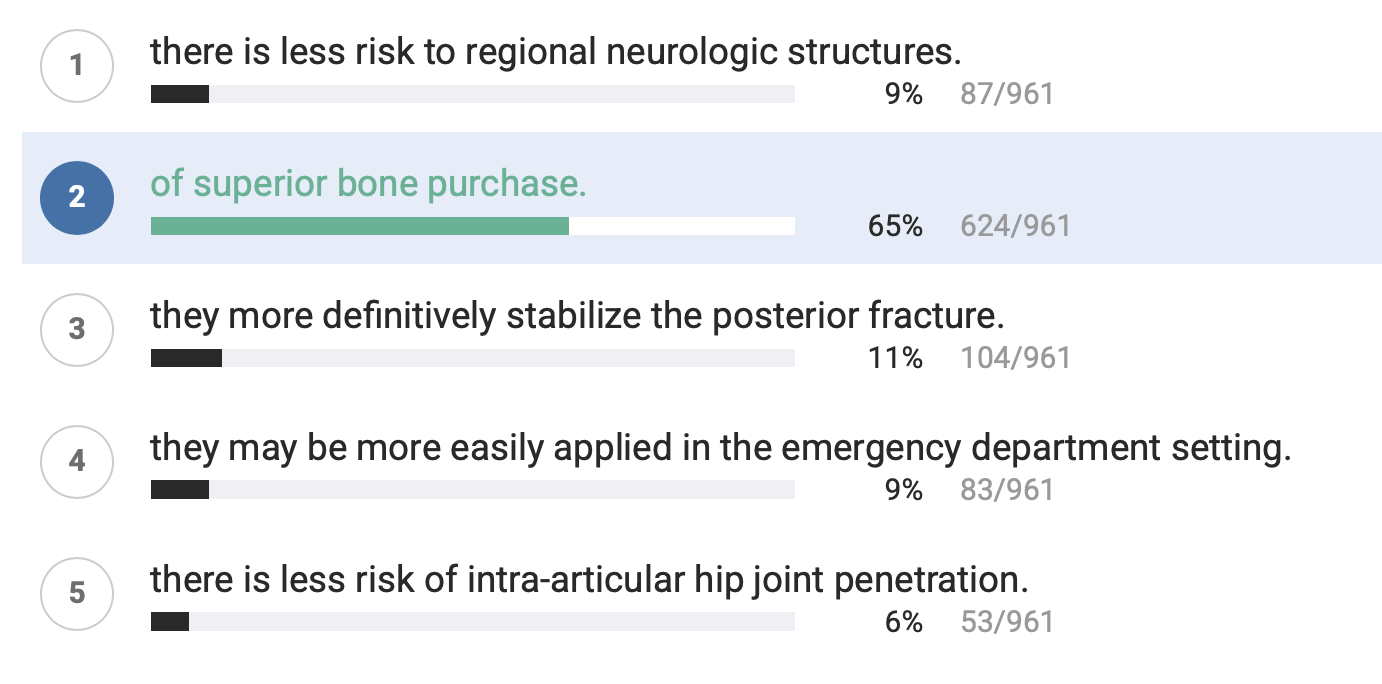
A patient has a vertically and rotationally unstable hemipelvis following a motor vehicle accident. An indication for application of an anterior resuscitative pelvic external fixator is made. Two options with regard to pin insertion location are considered as seen in Figure 20. When compared to pins in position A, the pins in position B may be more advantageous because
500
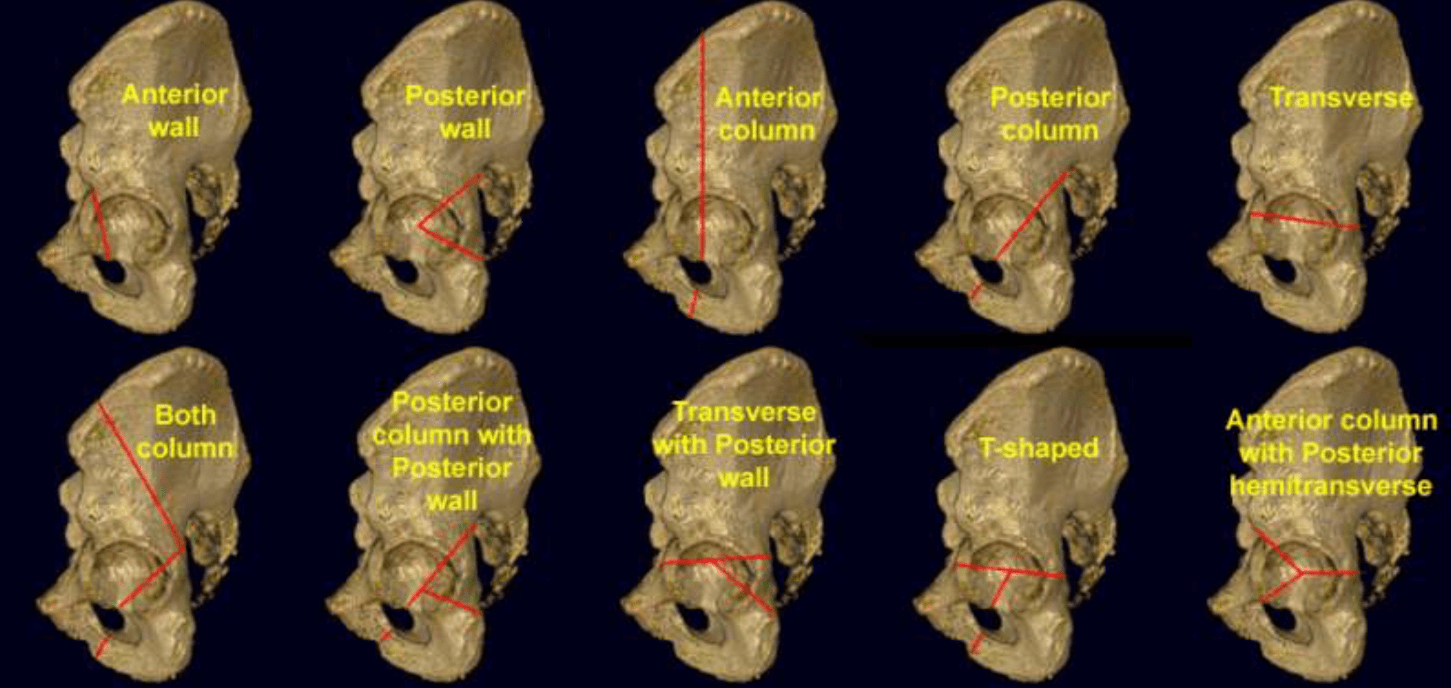
Please name all the elementary and associated injury patterns
500
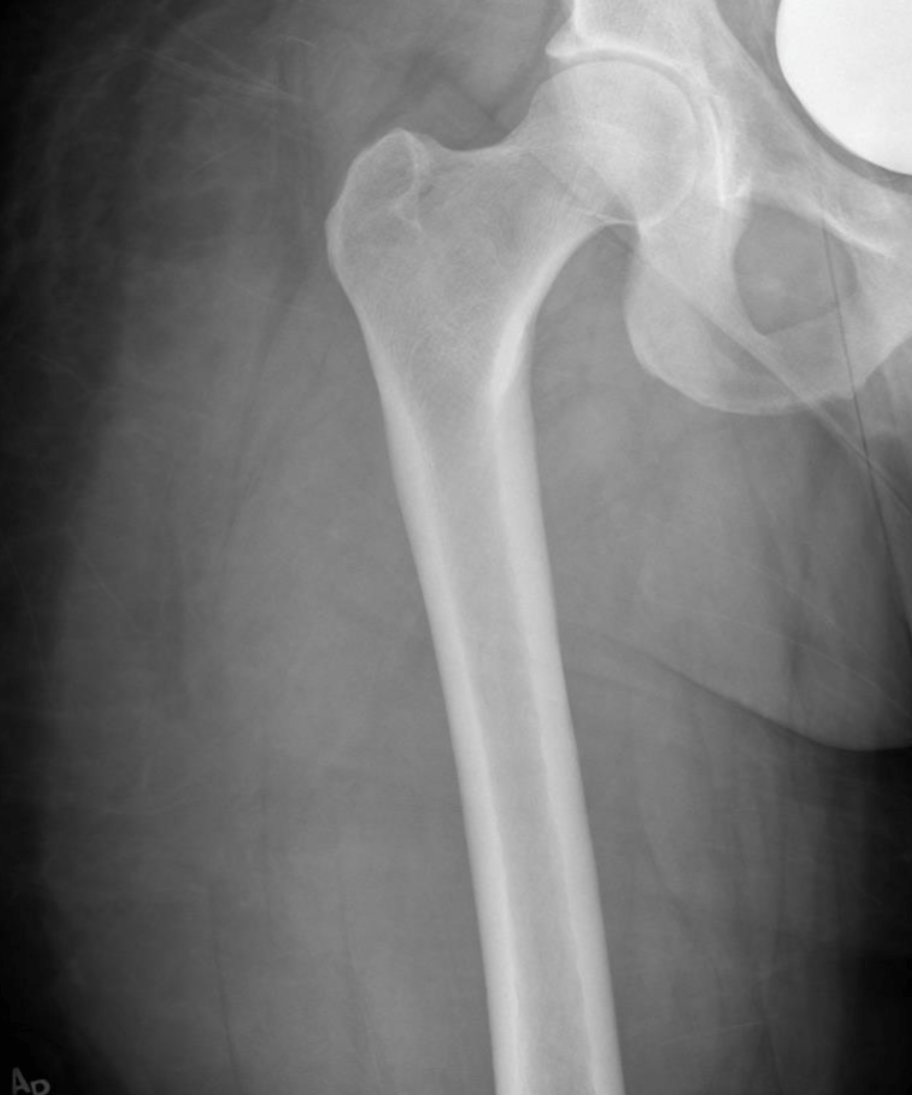
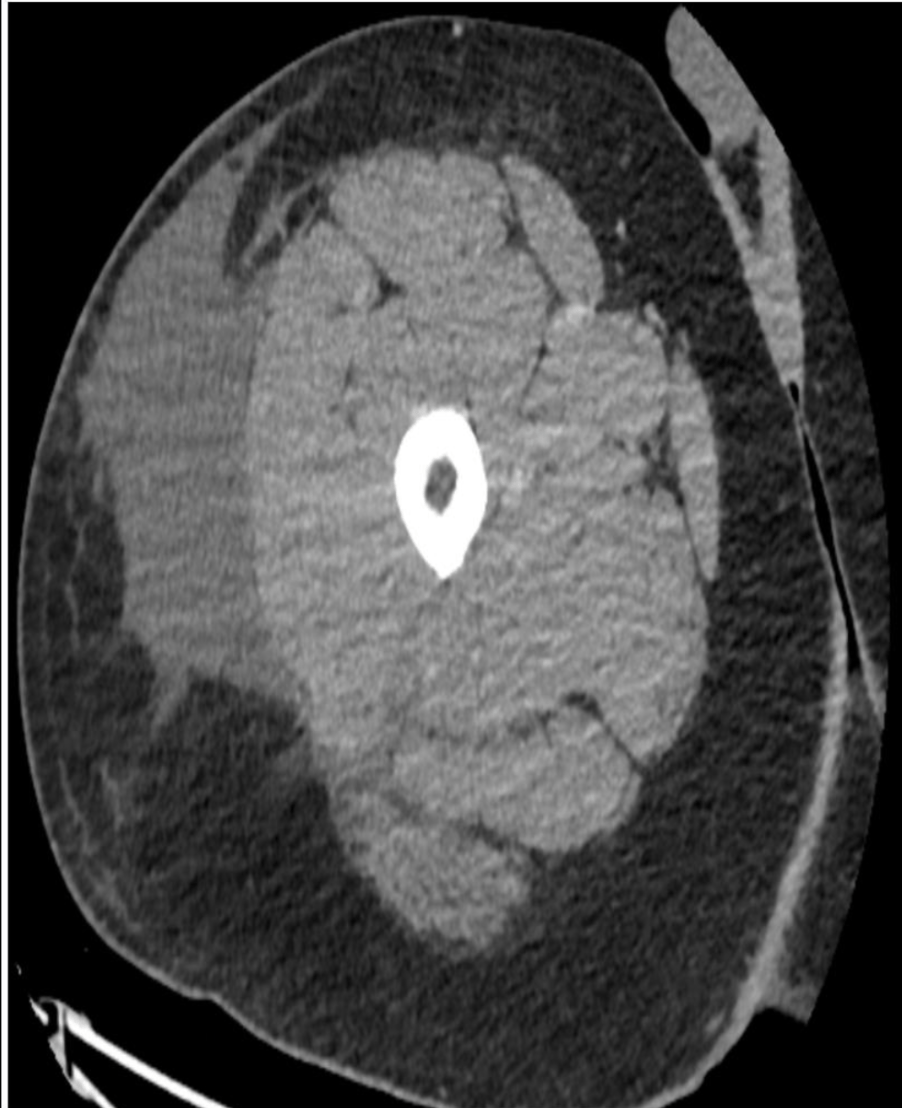
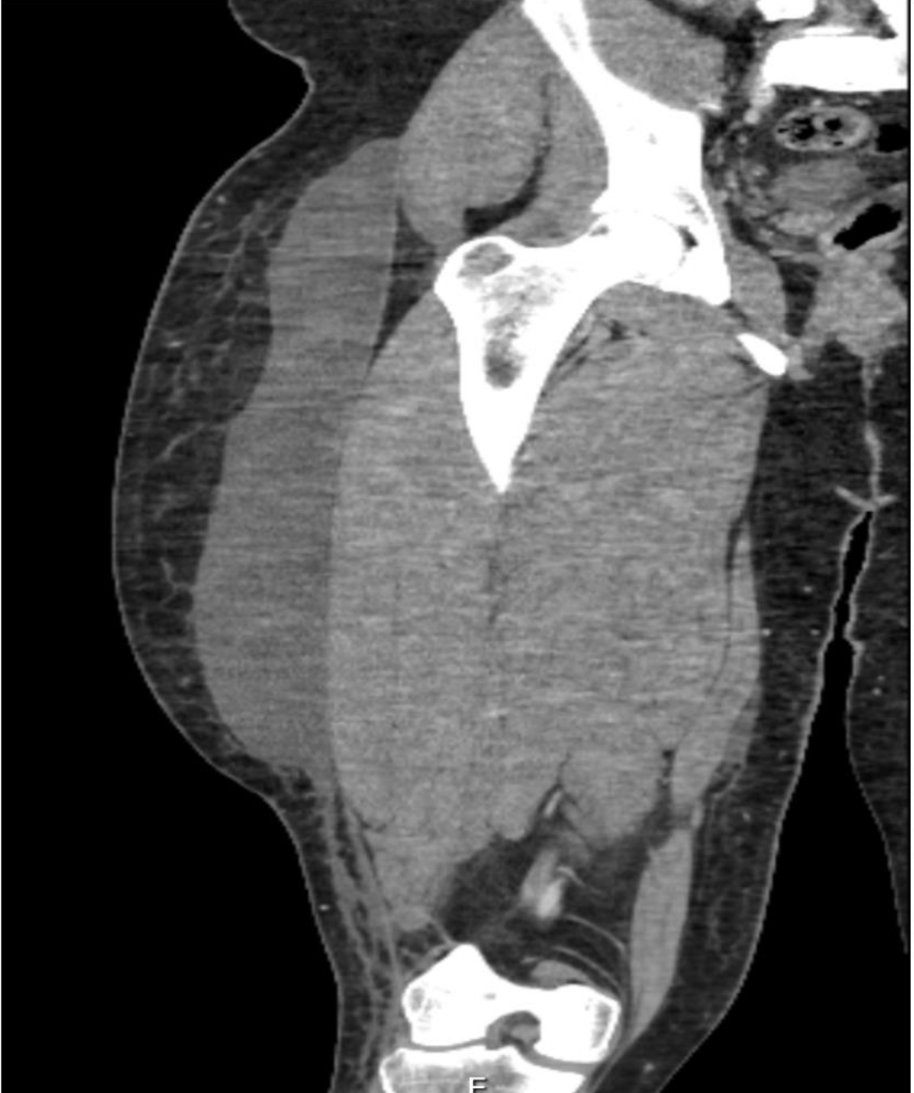
A 37-year-old female with BMI 50 presents to the emergency room one month after her right thigh was rolled between the side of a forklift machine and a wall when a coworker was backing up on the factory floor. She was able to ambulate immediately after the event, however, has noted continued dull pain and swelling in her thigh. Give me the diagnosis and plan.
This patient sustained a shearing force injury to the soft tissue of her thigh with a large fluid collection between the subdermal adipose tissue and the respective underlying fascia. These findings are consistent with a Morel-Lavallée lesion which, given its exceedingly large size and continued symptomatology for this patient, should undergo open irrigation and debridement with long-term drain placement to prevent recurrence.
500
What is the Injury Severity Score (ISS) for a patient with an open chest wound (Abbreviated Injury Scale, AIS=4), colon transection (AIS=4), femoral fracture (AIS=3), shoulder dislocation (AIS=2), and a thyroid gland contusion (AIS=1)
41
Injury Severity Score (ISS) scores are used to define injury severity for research purposes. The score is based on anatomic and severity indicies. Injury severity is based upon the AIS (abbreviated injury scale). AIS scores range from 1-6 where 1 is a minor laceration or contusion and 6 is a unsurvivable severe injury. An example of a 6 is a crushed head or brain whereas a 5 is a crushed larynx. Open pelvic fracture and femoral shaft fracture come in at 3 and large joint dislocations are a level 2 injury. ISS is the sum of the squares for the highest AIS grades in the three most severely injured ISS body regions. An ISS greater than 18 reflects multiply injured patients and that a transfer to a trauma center is indicated. So in this case, it would be (4x4)+(4x4)+(3x3)= 16+16+9=41.
500
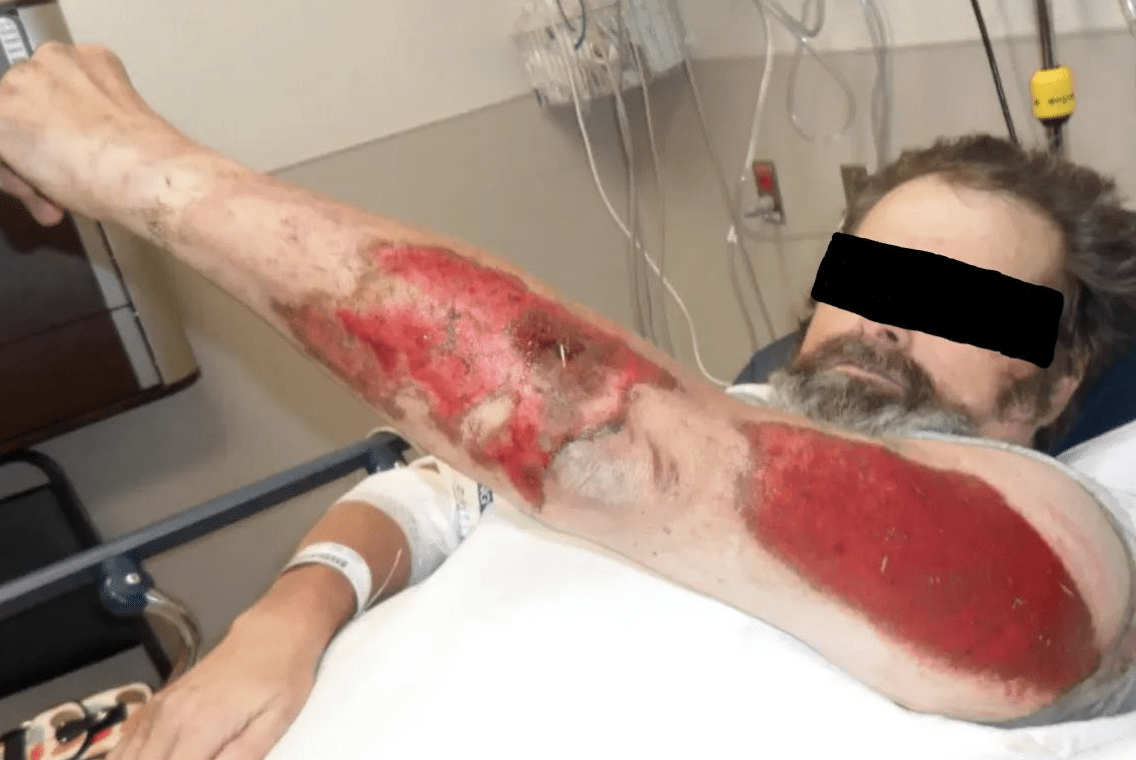
A 55-year-old male sustains a left diaphyseal humerus fracture and left tibial plateau fracture following a motorcycle accident. The patient's left arm is depicted in Figure A. Due to multiple injuries, you decide to perform open reduction internal fixation of the humerus. Name the approach you would use and what internervous interval is utilized during the deep dissection of this approach?
Anterior approach(given skin compromise).
Musculocutaneous nerve and radial nerve
intramuscular split of the brachialis, which has dual innervation from the musculocutaneous and radial nerves.
***The difference between the anterior and anterolateral is the anterior approach is a muscle splitting technique of the brachialis and the anterolateral is an intermuscular approach between the lateral brachialis and lateral head of the triceps.
500
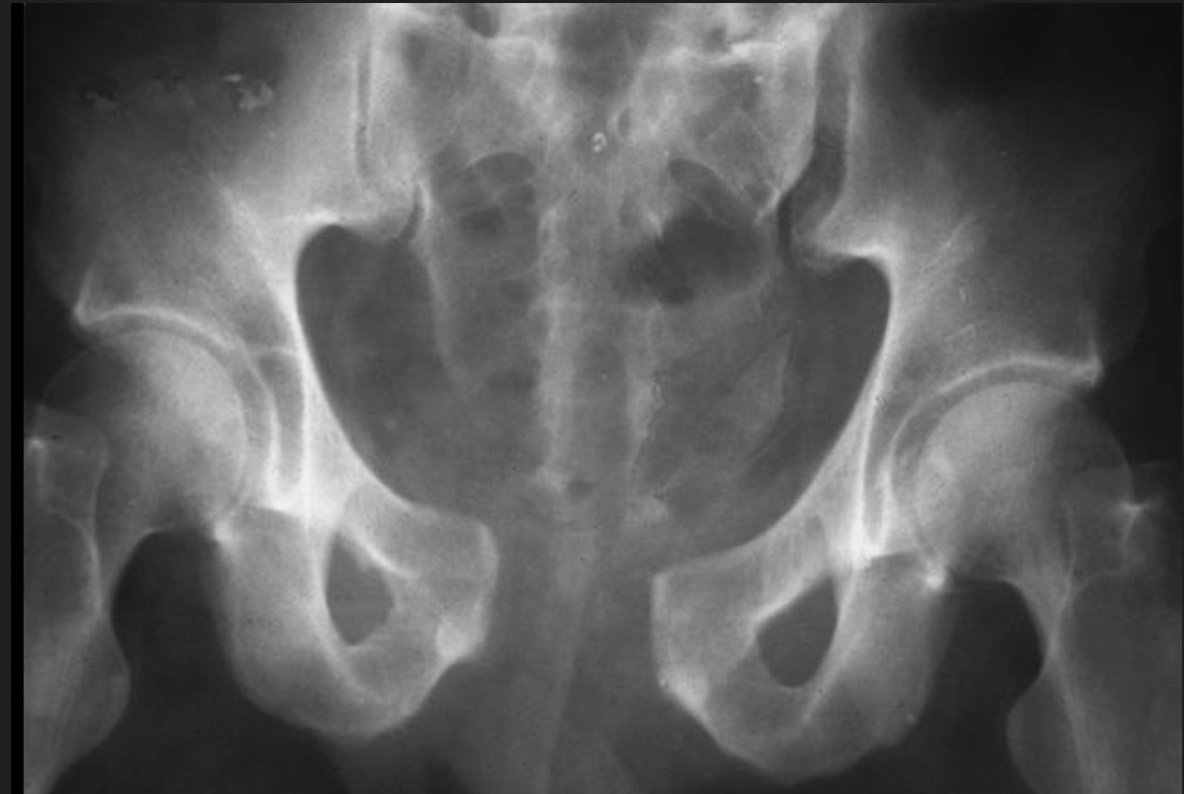
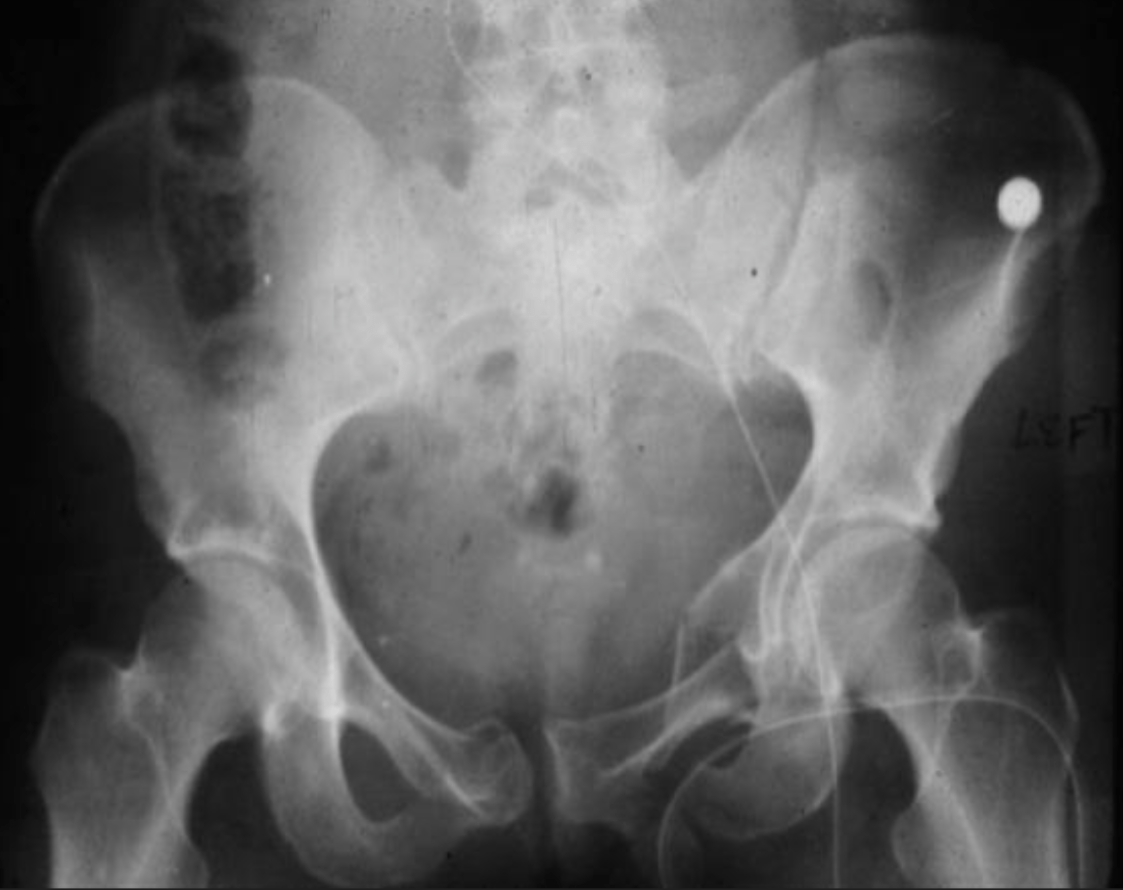
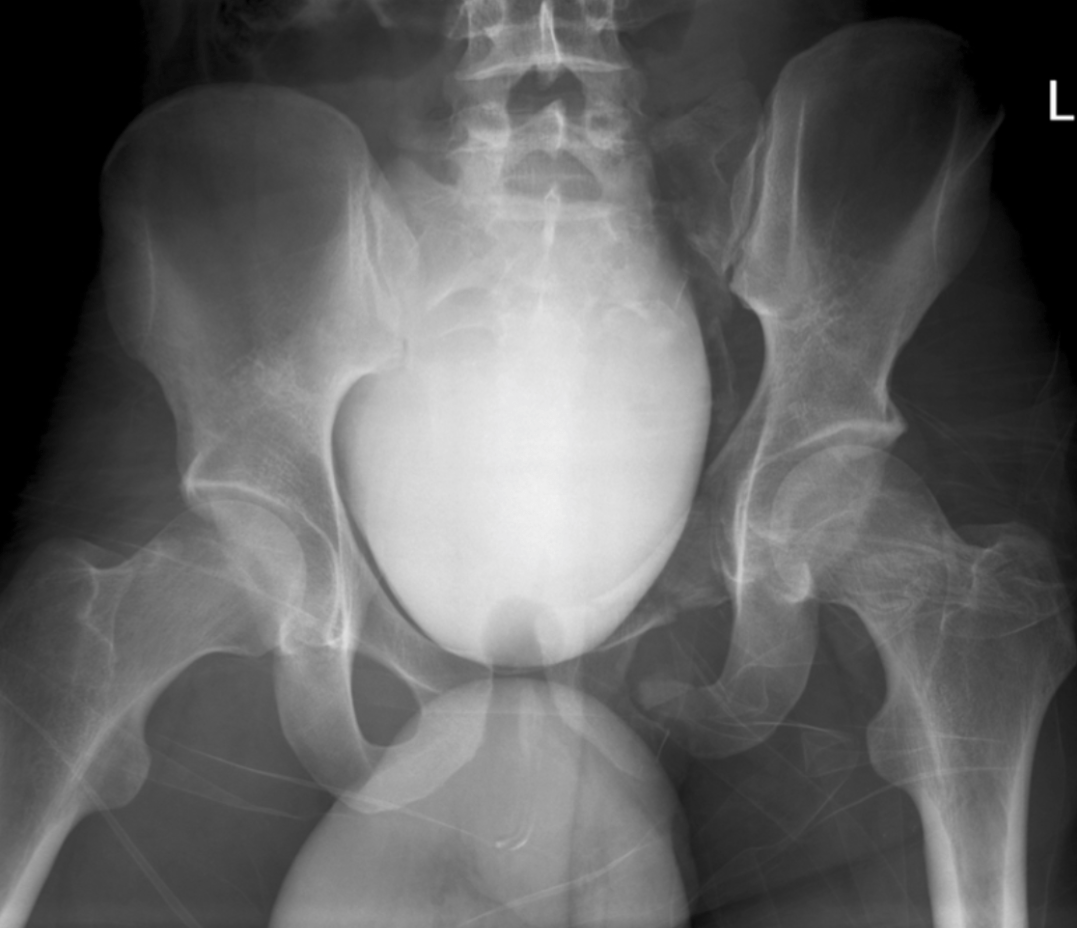
Name them injuries.
APC II
LCII
Vertical shear
Anterior wall Fx