C DIFF
DIVERTICULITIS
APPENDICITIS
PHARM
GUIDELINES/ TX
100
C Diff! What type of bacteria?
how do we get it?
Gram (+) rods --> stains pink
Obligate anaerobes (do not need oxygen to survive, strives w/o it)
-Under the stress of oxygenated air → produce spores (extremely resilient)
-Spores → sprout into fully fledged clostridia
-Can establish residence in our colons via fecal oral route
100
What is diverticulitis? what is the difference btwn that and diverticulosis?
Inflammation of a diverticulum (small pouch protruding from the bowel wall)
Occurs due to increased bowel pressure (from food or stool) causes a micro perforation in Diverticulum wall
Bacteria seeds into the diverticulum —> infection and inflammation
Diverticulosis --> presence of multiple diverticula (d/t increased fat and decreased fiber diet)
100
What is appendicitis?
Appendix → little close-ended hollow tube
Attached to the cecum of the large intestine,
Appendicitis usually occurs because something gets stuck and obstructs the appendix
Uncomplicated appendicitis → the appendix is only inflamed;
Complicated appendicitis → perforation, phlegmon, or abscess.
100
OAC VS BAM for what disease? what are the meds
H PYLORI PUD
OAC:
Omeprazole (PPI) 1 tab BID
Amoxicillin (PCN) 1gm BID or
Metronidazole 500mg BID
Clarithromycin (Macrolide) 500 mg BID
X 14 days (i know her powerpoint said 7 but she lying)
**success of this regimen has declined d/t antibiotic resistance
BAM
Bismuth 2 tablets 4x a day
Metronidazole 250- 500 mg 4x a day
Tetracycline 500mg 4x a day
PPI 1 tablet BID
**more effective but more side effects, more complicated to take throughout the course
**chose this regimen if allergic to PCN
-if resistance to clarithromycin, + levofloxacin instead
X 14 days
100
What are the guidelines to treat:
Bacterial enteritis
Viral enteritis
Parasitic enteritis
Bacterial enteritis- Antibiotics such as fluoroquinolones (e.g., ciprofloxacin) or azithromycin
Viral enteritis- supportive care
Parasitic enteritis- metronidazole
200
RISK FACTORS!
If diversity of flora is disturbed, by antibiotics → organisms that are resistant to ABX like C DIFF will thrive while other bacteria might die out → overgrowth of C DIFF
Chemotherapy, prolonged use of elemental diet (NGT) → disturbs the equilibrium towards C DIFF
200
Uncomplicated vs Complicated Diverticulitis
(after CT A/P FINDINGS)
UNCOMPLICATED:
outpouches on the wall, focal thickening, pericolonic fat standing
COMPLICATED:
abscess, fistula, pneumoperitoneum, fistua
200
MOA of appendicitis
Fluid and mucus build up in the obstructed appendix, ↑ pressure inside
- Flora and bacteria in the gut (E. coli and Bacteroides fragilis) multiply in the appendix
- Immune system recruits white blood cells and pus starts to accumulate → inflammation of appendix
Pressure ’s → appendix swells → compress nearby small blood vessels causing ischemia and local necrosis
Inflammation extends to the serosa of the appendix → spreads to the parietal peritoneum, irritating it
200
Hydrocodone
MOA & S/E
prodrug
MOA
Mu delta/kappa opioid agonist
Adverse effects
Respiratory depression, ↓ HR
200
Treatment for CAP complicated intra-abdominal complications?
single treatment: carpanemems, zosyn
combination:
levofloxacin/ ciprofloxacin + metronidazole
or
cefepime/ ceftazipime + metronidazole
300
SNS of C DIFF
+
Complications that can occur
Diarrhea w/ or w/o mucus & blood
Abd pain
High fever
COMPLICATIONS
**if untreated, infection → toxic megacolon (colon gets dilated to the point of rupture)
Intestinal rupture → perforation → septic shock & death
300
what would prompt emergent surgery for diverticulitis?
Complications such as:
perforation --> peritonitis --> emergent partial colectomy --> ostomy bag (can reverse in a few months if inflammation & infection progresses)
Abscess -->
if too small (less than 3cm) --> IV ABX & fluids
if too big (more than 3cm) --> percuntaenouus drainage
Fistula
(colovesical), elective s/x & bladder repair
(colovaginal) elective s/x & +/- vaginal repair (can get better on its own or w/ suture)
300
treatment for uncomplicated appendicitis
Typically, the initial treatment is with non-surgical management, which includes IV antibiotics for 1 to 3 days, followed by oral antibiotics for a total of 7 to 10 days.
Choose an antibiotic that covers intestinal flora and anaerobes
penicillin with a beta-lactamase inhibitor
combination of metronidazole with either a fluoroquinolone or a third-generation cephalosporin
Serial abdominal exams should be performed to check if the antibiotics are working.
worsening of serial abdominal exams despite antibiotics, → complicated appendicitis
Indications for surgical management include being immunocompromised, having a history of IBD, or pregnancy; as well as the presence of appendicolith on imaging. If your patient falls into any of these categories, they require an urgent appendectomy
300
Morphine
MOA & S/E
Mu receptor agonist in PNS and CNS
Adverse Effects
Constipation → Mu-opioid receptors in the myenteric plexus inhibits gastric emptying and ↓ peristalsis
300
Treatment for acute cholangitis
CARBAPENEMS
or
zosyn
or
CIPRO/LEVO/ CEFEPIME + metronidazole
400
MOA?
Produces toxins to establish itself in the colon
C DIFF TOXIN A- (tcdA) → highly potent enterotoxin → destroys cytoskeleton within an intestinal cell → apoptosis
** if enough intestinal cells die, tight junctions between neighboring cells fall apart → damaged intestinal tissue becomes porous & leaky →
strong inflammatory response from the immune system **
Neutrophils infiltrate the intestine → greeted by another toxin C DIFF TOXIN B (TcdB) a cytotoxin
TcdB enters cells (including neutrophils) → cellular apoptosis
TcdA + TcdB = pseudomembranous colitis (inflammatory response w/ formation of elevated, yellowish-white plaques (pseudomembranes) filled with pus (YUCK)

400
What are some warning signs/ symptoms upon examination and what can it indicate?
Typical symptoms:
abd distention + tenderness in the LLQ, increase in temperature
WARNING SIGNS:
rigidity, guarding, rebound pain --> peritonitis (complication of frank performation of the colon wall where air and stool leaks to the abd causing peritonitis)
400
Treatment for complicated appendicitis
(each complication)
Perforation- IV antibiotics & emergent appendectomy
Phlegmon-IV antibiotics
Monitor response
If improvement → oral antibiotics and discharge home
No improvement → apendectomy
Abscess- IV antibiotics 7-10 days
Abscess drainage if large >3cm
Abscess <3cm or difficult to locate urgent appendectomy
400
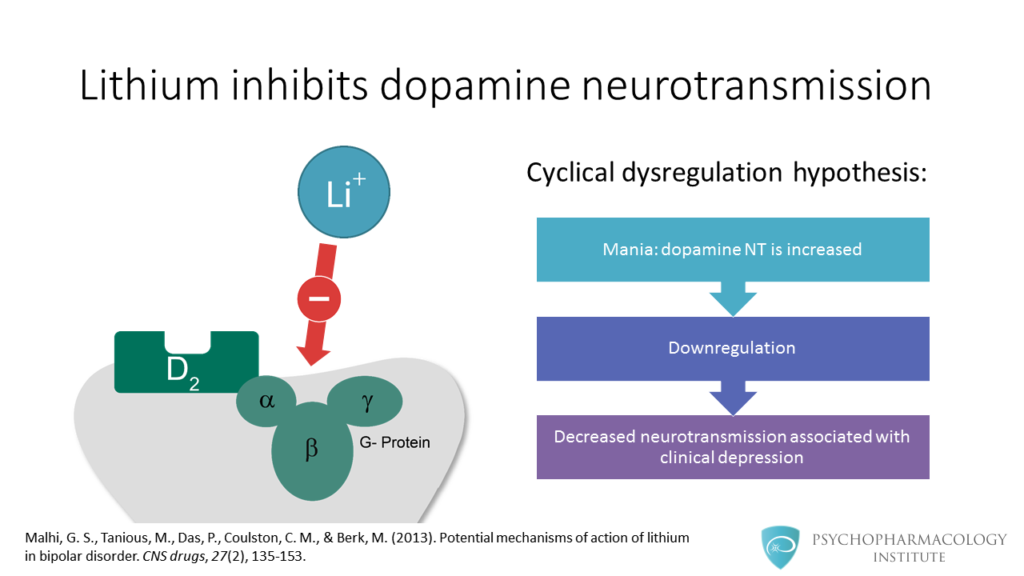
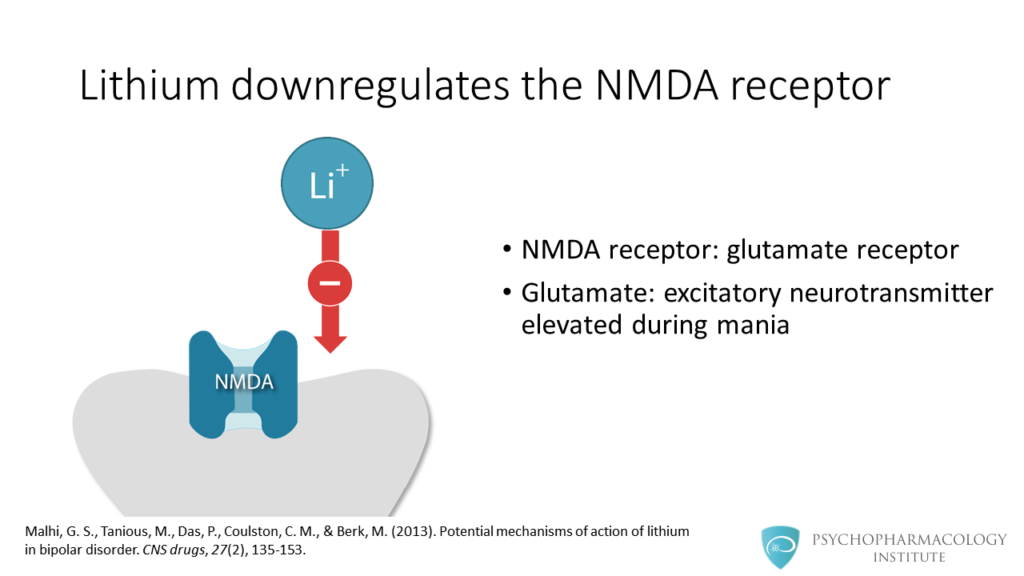
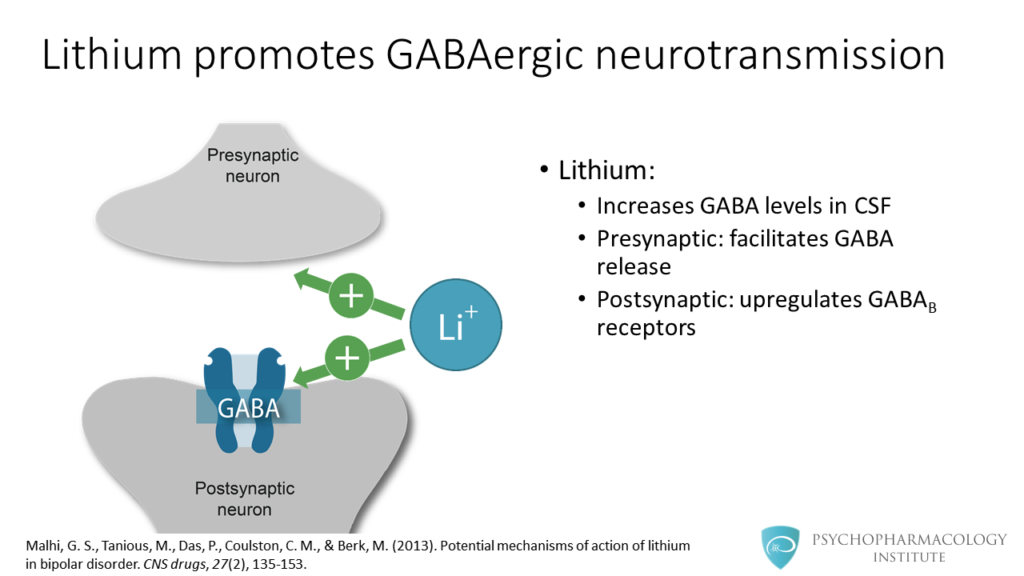
lithium
modulates neurotransmission
-reduces excitatory (dopamine and glutamate) but increases inhibitory (GABA) neurotransmission
400
treatment for HAP biliary infection
Carbapenem + vanco
or
zosyn + vanco
or
LEVO/CIRPO/CEFEPIME + metronidazole + vanco
500
TREATMENT & GIVE ME THE RATIONALE FOR GIVING ABX FOR TREATING CDIFF
(general treatment plan as well)
**doesnt have to be exact medication guideline**
RATIONALE FOR TREATMENT: The standard treatment for primary infection caused by C. difficile is an antibiotic. This is usually done in conjunction with the cessation of the antibiotic that caused the alteration of the gut flora in the first place (when feasible, considering the patient's clinical condition) with subsequent overgrowth of Clostridium difficile. By treatment with an antibiotic that is specifically effective against Clostridium difficile, toxin production is reduced and repopulation of the gut with normal gut flora is possible
IVF to help w/ diarrhea
Stop medications that would slow down the course of diarrhea (Loperamide) → can worsen
(+) PROBIOTICS (lactobacillus & Saccharomyces boulardii yeast) → prevent & supplement pseudomembranous colitis
meds: vanco PO, metronidazole IV, fidaxomicin PO
500
TREATMENT FOR UNCOMPLICATED DIVERTICULITIS
Fluoroquinolones + Metronidazole
or
Trimetroprim + Sulfamethoxazole (bactrim) + Metronidazole
or
PCN + BLI (Amoxicillin-Clavulanate or Piperacillin-Tazobactam baby)
or
3rd gen ceph- ceftriaxone or cefotaxime + flagyl
(NEED GRAM NEG + ANEROBE COVERAGE)
500
MIX AND MATCH
SIGNS W/ SYMPTOMS & INDICATIONS
full points if you enact all of this lmao impress me
SIGNS:McBurney’s sign, Rovsing’s sign, Obturator sign, Psoas sign, ABD GUARDING
SYMPTOMS:
-person lies on their left side and the clinician extends the right hip. Since the appendix borders the psoas muscle, when it’s stretched by hip extension, the friction will lead to pain.
-Person flexes the hip and knees to 90 degrees while lying down, and the clinician rotates the hip internally. Since the inflamed appendix lies in the pelvis, it will cause irritation of the obturator internus muscle when this maneuver is performed.
-which is palpation of the left lower quadrant and moving along the path of the large intestine towards the right This will push the contents in the bowel towards the appendix further irritating it, causing pain in the right lower quadrant.
- one-third of the distance from the anterior superior iliac spine to the belly button, tenderness
- An important and early sign of peritoneal irritation person tightens their abdominal muscles during palpation to try and lessen the pain or not allow assessment
McBurney’s sign tenderness at McBurney's point → one-third of the distance from the anterior superior iliac spine to the belly button
Rovsing’s sign- which is palpation of the left lower quadrant and moving along the path of the large intestine towards the right This will push the contents in the bowel towards the appendix further irritating it, causing pain in the right lower quadrant.
Obturator sign - Person flexes the hip and knees to 90 degrees while lying down, and the clinician rotates the hip internally. Since the inflamed appendix lies in the pelvis, it will cause irritation of the obturator internus muscle when this maneuver is performed.
Psoas sign - person lies on their left side and the clinician extends the right hip. Since the appendix borders the psoas muscle, when it’s stretched by hip extension, the friction will lead to pain.
Abdominal guarding-An important and early sign of peritoneal irritation person tightens their abdominal muscles during palpation to try and lessen the pain, or not allow assessment
500
Bipolar Disorder
Bi-polar-bear
This drug is indicated in patients with bipolar disorder. It is also useful for blocking relapse into another mood disorder, and can also be used for treatment in acute manic episodes. This drug has also been used in patients with SIADH due to the excessive urination the drug causes.
MOA
Mood Stabilizer
Moody-mask Stabilized
These drugs work in an unclear pathway to stabilize patients with labile mood disorders. Lithium has a narrow therapeutic/toxic ratio, and patients should get regular plasma monitoring.
Unknown Mechanism
Question-mark Mechanism
The mechanism is not entirely understood, but it is believed that it is related to the use of second messengers such as IP3 (an initol-triphosphate) and DAG (diacylglycerol).
SIDE EFFECTS
Nephrogenic Diabetes Insipidus
Dyed-beads Kidney with Sippy-cup
As lithium is almost exclusively excreted by kidney, it can lead to nephrogenic diabetes insipidus. An off-label use of lithium is in the treatment of SIADH, to cause urination. Patients taking these drugs should have their kidney function checked regularly.
Hypothyroidism
Hippo-thigh-droid
Patients taking lithium should get regular thyroid function tests, as this drug causes thyroid suppression. A very rare side effect is papillary thyroid carcinoma.
Movement (Tremor)
Trimmer
Tremor and ataxia are side effects of lithium toxicity.
Heart Block
Heart Block
Patients taking lithium salts have been shown to have 1st degree and complete heart block, along with other various arrhythmias.
CONTRAINDICATIONS
Pregnancy (Ebstein's Anomaly)
Caution-tape at Pregnant-woman with Einstein-heart
Lithium salt administration in the first trimester of pregnancy has been linked to fetal cardiac abnormalities. Ebstein's anomaly is described as atrialization of the right ventricle and tricuspid regurgitation.
500
What are the guidelines to treat Cdiff?
Mild-mod
severe
severe + shock
Mild-Moderate
Metronidazole 500 mg TID or
Vanco 125 mg PO 4x a day or
Fidaxomicin 200 BID x 10 days
Severe
(WBC > 150,000, Albumin <3g/dl, Cr > 1.5x premorbid level)
Vanco 125 mg PO 4x a day or
Fidaxomicin 200 BID x 10 days
SEVERE + hypotension, shock, ileus, megacolon
Vanco 500 mg 4x a day PO w/
IV metronidazole 500mg TID
X 10 days
Ileus= Rectal Vanco 500mg in 100 ml NS enema 4x a day