🧠Brainy Babies🧠
(Neurodevelopment & CP)
(Neurodevelopment & CP)
A 2-year-old has delayed sitting, crawling, and walking, talking, but demonstrates normal tone, strength, and neurologic examination. What term best describes this presentation before a specific underlying diagnosis is established?
What is global developmental delay?
Global developmental delay involves significant delay in ≥2 developmental domains in young children; it is a descriptive diagnosis requiring evaluation for an underlying cause.

A child with spastic diplegic CP has excessive ankle plantarflexion during stance and toe-walking. This orthosis maintains the ankle in neutral and improves gait mechanics.
What is an AFO?
An AFO controls ankle position and can prevent excessive plantarflexion/equinus. A solid AFO is commonly used when maximal control is needed.
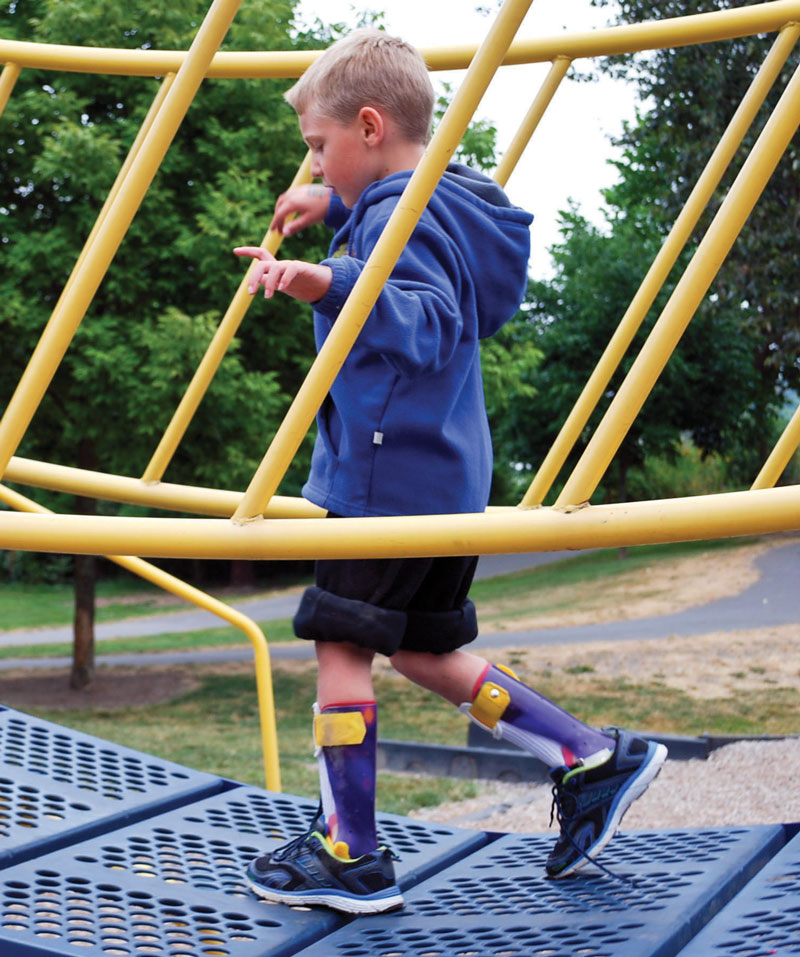
12-year-old F with history of spastic hemiplegia presents for management of right wrist and elbow spasticity. Plan is to target specific muscles in the arm with botulinum toxin injections. What is the mechanism of action of this drug?
What is the mechanism of action of Botox?
Acts by irreversible blocking presynaptic release of acetylcholine into the neuromuscular junction
A child presents for initial evaluation. An unexpected loud noise causes the child to suddenly extend and abduct the arms, followed by flexion and adduction toward the body. What is the name of this primitive reflex, and at what age should it normally be suppressed?
Name of this primitive reflex, and at what age should it normally be suppressed?
Moro reflex; typically suppressed by 4–6 months of age.
A term neonate born after shoulder dystocia has an adducted, internally rotated arm with extended elbow, pronated forearm, and flexed wrist, but preserved hand grasp. What is the most likely diagnosis and the key early management principle?
Erb palsy (C5–C6)
Initial management: Gentle ROM- prevent contracture, observe for spontaneous recovery. Refer for surgical eval if no recovery of biceps function ~3–6 months
A 3-year-old who previously met developmental milestones develops progressive loss of language, social interaction, and motor skills. Unlike cerebral palsy, this condition is characterized by loss of previously acquired developmental skills.
What is developmental regression?
Regression is a red flag for an underlying neurologic, metabolic, genetic, or neurodegenerative disorder.
A 3-year-old with CP is GMFCS III. She can stand independently but needs assistance for community ambulation. This device provides stability while promoting independent upright mobility.
What is a posterior walker?
Posterior walkers encourage a more upright trunk and forward progression compared with traditional anterior walkers and are commonly used for children with CP who require external support for ambulation.
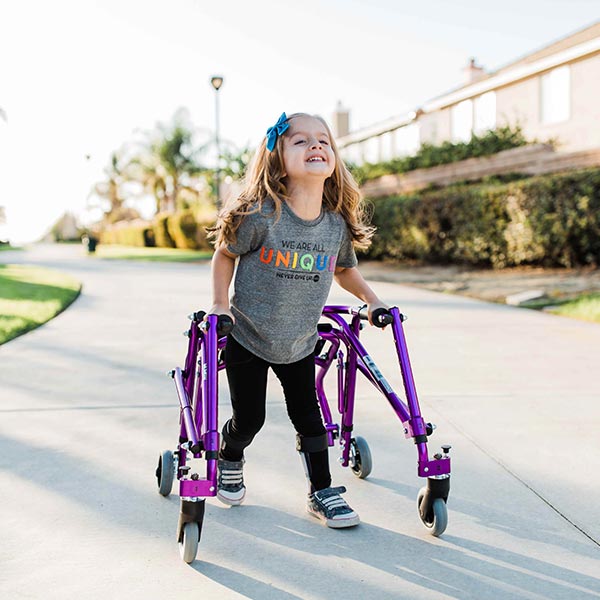
An 8-year-old M with history of CP presents with impaired gait due to spasticity of the lower extremities. Decision is made to block the obturator nerve (anterior and posterior branches) with alcohol. What are the expected effects of this specific nerve block?
What are the expected effects of obturator nerve block?
- Reduced adductor tone/Improved passive abduction
- Diminished scissoring gait
A 5-year-old boy with history of prematurity presents to clinic for follow-up. His gross motor development is appropriate for age. When asked to draw a circle, he has difficulty grasping the pencil appropriately and can only scribble. At what age should a child typically be able to copy a circle?
At what age should a child typically be able to copy a circle?
By approximately 3 years of age
A 9-year-old girl with polyarticular juvenile idiopathic arthritis (JIA) involving the knees, ankles, and wrists is referred for rehabilitation. Her disease is currently well controlled on methotrexate and a TNF inhibitor. Her parents ask whether she should limit activity to "protect her joints," and specifically whether she should stop physical education at school, especially during flares. What is the appropriate exercise recommendation?
Regular land-based and/or aquatic exercise emphasizing strength, flexibility, and aerobic conditioning, continued even during flares
A 2-year-old has delayed motor milestones, persistent primitive reflexes, and increased lower-extremity tone. MRI shows periventricular leukomalacia. This is the most common motor subtype of cerebral palsy.
What is spastic diplegic CP?
Spastic CP is the most common CP phenotype, and diplegia predominantly affects the lower extremities. PVL is classically associated with spastic diplegia, particularly in children born prematurely.
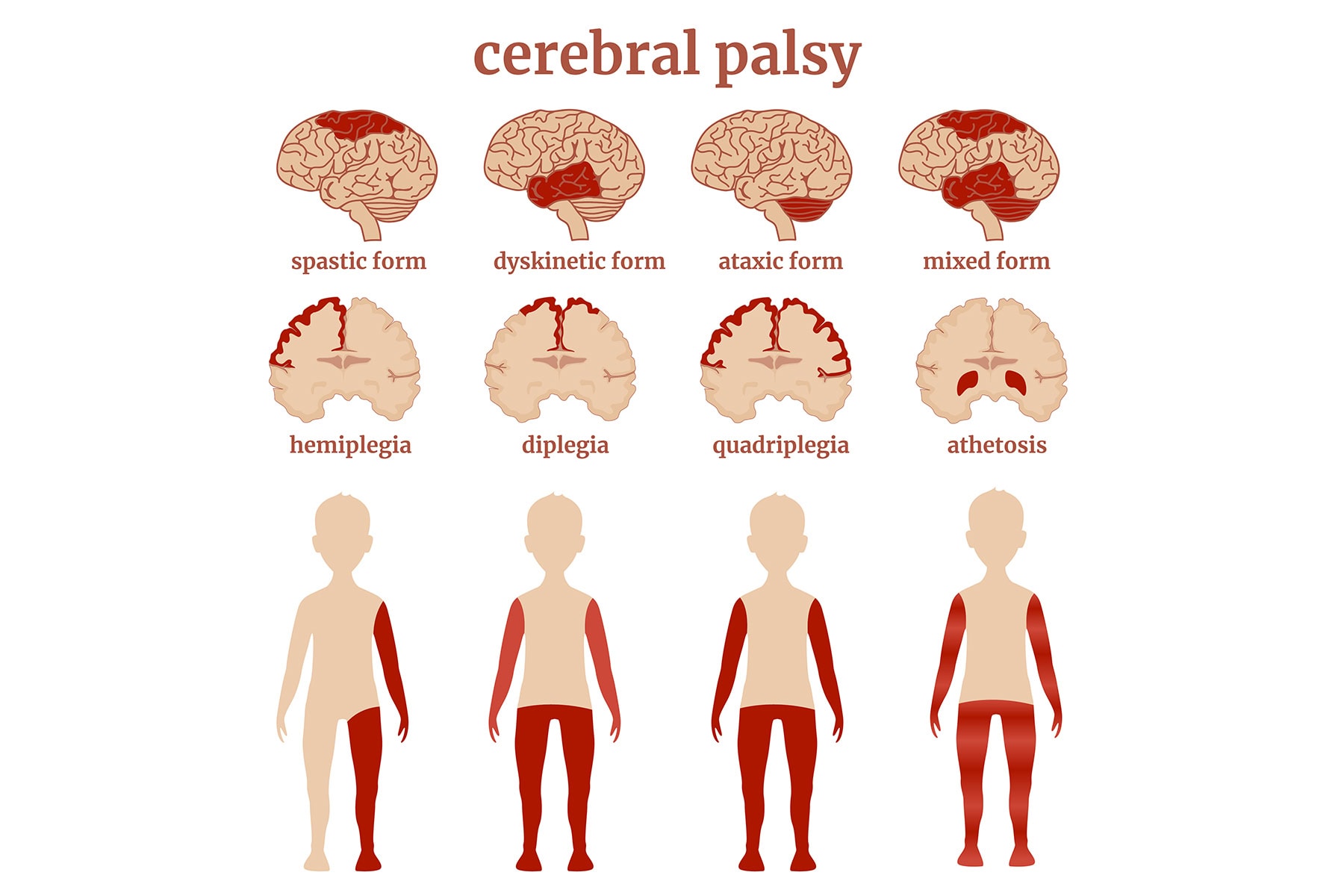
A child with spina bifida has significant quadriceps weakness and requires knee stability during stance but has adequate hip strength. This orthosis controls both the knee and ankle.
What is a KAFO?
A KAFO controls the knee, ankle, and foot and is useful when weakness or instability requires knee stabilization during stance.
An 8-year-old boy with spastic diplegic CP presents for treatment of crouched gait and lower-extremity internal rotation. A sciatic nerve phenol block is chosen for management of his spasticity. What are the major risks associated with phenol neurolysis?
Dysesthesia/neuropathic pain, sensory loss, unintended motor weakness. The risk of dysesthesia is particularly important when injecting a mixed motor-sensory nerve such as the sciatic nerve.
A 5-month-old infant presents for a routine developmental evaluation. When pulled from supine to sitting by the arms, the infant demonstrates persistent head lag. Is this finding developmentally appropriate or concerning for developmental delay?
Concerning for developmental delay. Head lag should typically resolve by approximately 4 months of age.
A 4-year-old boy, previously ambulatory with normal early milestones, presents with progressive gait unsteadiness, truncal ataxia, and slurred speech beginning around age 2–3. Exam shows oculomotor apraxia and mild choreoathetosis; conjunctival telangiectasias are becoming apparent. He has had recurrent sinopulmonary infections. Serum alpha-fetoprotein is markedly elevated. Which of the following best characterizes the expected disability trajectory and a critical management consideration in classic ataxia telangiectasia (A-T)?
Progressive neurologic decline leading to wheelchair dependence around age 10, with a heightened cancer risk. (And immunodeficiency)
A 4-year-old with CP walks independently indoors but uses a hand-held mobility device for longer distances. According to the GMFCS, this child is most consistent with which level?
What is GMFCS Level III?
Level III = walks with a hand-held mobility device and typically uses wheeled mobility for longer distances/community mobility.
A child with spastic hemiplegic CP has equinus during gait but good passive ankle dorsiflexion. This orthosis controls plantarflexion while allowing ankle motion during stance.
What is a hinged/articulated AFO?
An articulated AFO allows controlled ankle dorsiflexion while limiting excessive plantarflexion. It requires adequate ROM and should not be used when substantial ankle instability requires a solid design.
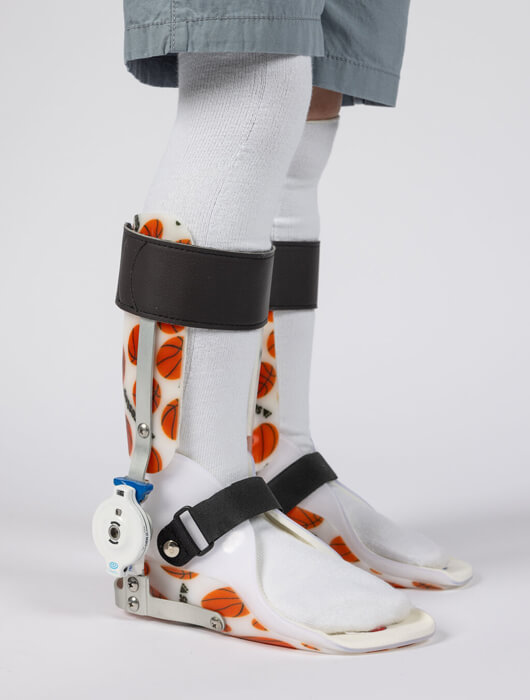
10-year-old F with CP has generalized spasticity that is only partially controlled with oral Baclofen. The child continues to have painful muscle spasms that interfere with sleep. Which medication can be added as an adjunct to baclofen for additional spasticity management?
Adjuct to Baclofen for spasticity mangement?
Tizanidine — α2-adrenergic agonist
An 8-year-old understands that pouring the same amount of water from a short, wide glass into a tall, narrow glass does not change the amount of water. According to Piaget, what stage of cognitive development is this child in?
Concrete operational stage (approximately 7–11 years)
A floppy newborn is referred for EMG. Given concern for SMA, which gold standard diagnostic modality should be ordered?
*NBS-all 50 states!
(EMG/nerve conduction studies help identify region of pathology-anterior horn cells)
A child with Down syndrome develops difficulty walking and new lower-extremity weakness. Before initiating an aggressive therapy program, the PM&R physician should evaluate for this potentially serious cervical spine complication.
What is atlantoaxial instability?
Down syndrome is associated with atlantoaxial instability due to ligamentous laxity. New neurologic symptoms, gait changes, neck pain, or weakness warrant evaluation for cervical spinal cord compromise.
A 6-year-old with spastic diplegic CP has crouch gait with excessive knee flexion during stance. He has adequate passive ankle dorsiflexion but excessive ankle dorsiflexion during weight acceptance. This orthosis provides an external knee extension moment.
What is a ground-reaction AFO (GRAFO)?
A GRAFO limits excessive ankle dorsiflexion and uses the ground-reaction force to generate an external knee extension moment, making it particularly useful for crouch gait.
A 12-year-old child with spastic quadriplegic CP (GMFCS V) presents with severe generalized spasticity despite maximally tolerated oral baclofen. Intrathecal baclofen therapy is being considered. During a screening trial, the patient demonstrates a significant reduction in lower-extremity tone but subsequently develops worsening trunk instability and difficulty maintaining supported sitting. What is the most likely explanation for this deterioration in function?
The patient's spasticity was partially compensating for underlying muscle weakness and impaired postural control. Reducing tone unmasked these deficits, resulting in worsening trunk stability.
A 4-year-old child enjoys choosing activities, initiating games with other children, using imaginative play, and helping their parents with simple tasks. According to Erikson’s stages of psychosocial development, what developmental stage is this child experiencing?
Initiative vs. Guilt, which occurs around 3–6 years of age.
(Successful development leads to a sense of purpose and confidence in taking initiative. If a child is excessively criticized, controlled, or discouraged when initiating activities, they may develop guilt, hesitation, or fear about taking action.)
A full-term newborn is admitted to the NICU with marked hypotonia, respiratory insufficiency requiring ventilatory support, facial diplegia with a tented upper lip, poor suck, and bilateral talipes equinovarus. Pregnancy was complicated by polyhydramnios and reduced fetal movements. The mother has difficulty releasing her handgrip and has bilateral cataracts. Which of the following statements about this infant's expected course and rehabilitation is most accurate?
A. Clinical myotonia is prominent at birth and is the key neonatal diagnostic finding
B. Motor strength will progressively decline throughout early childhood, mirroring adult-onset disease
C. Proximal strength typically improves through childhood into adolescence, so children should be encouraged to participate in physical activity, with proactive contracture prevention and monitoring for scoliosis
D. Cognitive development is typically normal, and the primary long-term concern is limb weakness alone
E. Serial casting and stretching are contraindicated because of fracture risk
C. Proximal strength typically improves through childhood into adolescence, so encourage kids to participate in physical activity, with proactive contracture prevention and monitoring for scoliosis