Mitochondrial & Lysosomal disorders
Pediatric Psychiatry
MSK disorders
Congenital Disorders
100
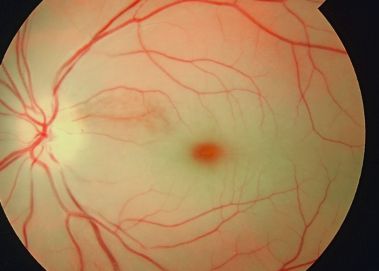
What is the expected finding on fundoscopy in Tay-Sach's disease
Cherry red macula
100
What are the subtypes of ADHD presentations
Predominantly Inattentive: Meets the symptom threshold for inattention, but not for hyperactivity-impulsivity.
Predominantly Hyperactive-Impulsive: Meets the symptom threshold for hyperactivity-impulsivity, but not for inattention.
Combined Presentation: Meets the symptom thresholds for both inattention and hyperactivity-impulsivity over the past 6 months.
100
What the greatest risk factor for this

Obesity
100
What congenital heart defect presents with a harsh systolic ejection murmur at the left upper sternal border and single S2?
Tetralogy of Fallot
200
Name two mitochondrial disorders
MELAS (Mitochondrial Encephalomyopathy, Lactic Acidosis, and Stroke-like episodes)
Leigh Syndrome (Subacute necrotizing encephalomyelopathy, often infancy/childhood onset)
MERRF (Myoclonic Epilepsy with Ragged-Red Fibres)
LHON (Leber's Hereditary Optic Neuropathy, affecting central vision)
KSS (Kearns-Sayre Syndrome, progressive external ophthalmoplegia and pigmentary retinopathy)
NARP (Neuropathy, Ataxia, and Retinitis Pigmentosa)
CPEO (Chronic Progressive External Ophthalmoplegia, dropping eyelids and eye movement weakness)
Alpers' Disease (Progressive infantile/childhood encephalopathy with liver dysfunction)
MNGIE (Myoneurogenic Gastrointestinal Encephalopathy)
Primary Mitochondrial Myopathy / Complex I–V Deficiencies (General or specific respiratory chain enzyme defects causing muscle weakness and fatigue)
200
Complaints of stomach pain during school days only with normal history, physical, vitals should prompt you to consider what condition
An anxiety disorder
What Is Happening
- Real pain: The child is not faking; stress signals shift blood flow and alter gut motility.
- Pattern: Symptoms often peak on school mornings and improve on weekends or during distractions.
- Avoidance trap: Staying home brings immediate relief, which accidentally trains the brain to fear school more
200
This self-limiting condition causes temporary hip inflammation and limping in children, often following a recent viral upper respiratory infection.
Transient synovitis
200
Screening for congenital heart disease includes pre- and post ductal ____________
Pulse oximetry
Pre-ductal = right arm (proximal to ductus arteriosus)
- Post-ductal = either leg
- Follow with echo if abnormal findings (cyanotic heart defects or ductal dependent lesions)
300
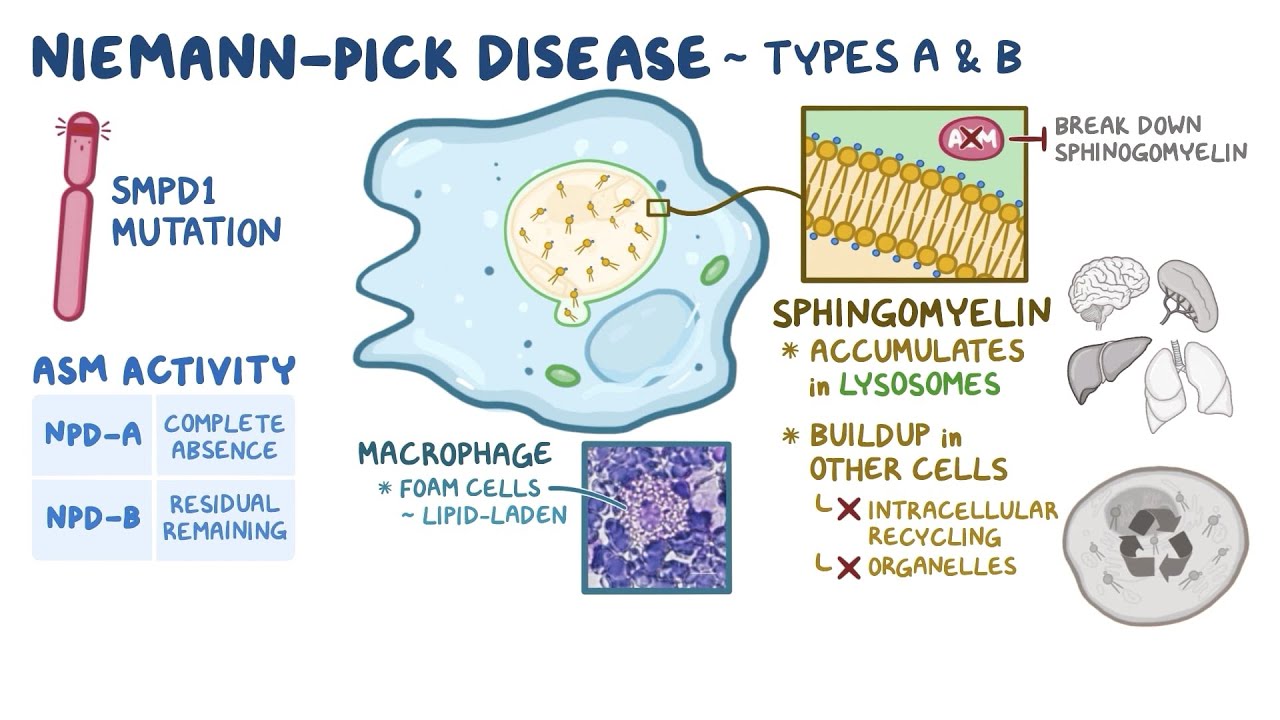
Which lysosomal storage disease is characterized by a cherry red spot on the macula and hepatosplenomegaly?
300
In what way may a child display signs of a depressive disorder that is different when compared to adults with depressive disorders
irritability
defiant/difficult behaviors that may be misinterpreted as discipline issues
300
What is this a classic presentation of
300
Congenital Rubella infection is characterized by what classic triad
Cataracts
PDA and/or Pulmonary stenosis
Sensorineural hearing loss
400
What clinical diad should prompt you to consider a mitochondrial disorder in a patient (according to Dr. Marin)
Diabetes
Hearing loss
400
Disruptive Mood Dysregulation Disorder (DMDD) is diagnosed in youth aged 6 to 18 who experience chronic, severe irritability and frequent temper outbursts.
Disruptive Mood Dysregulation Disorder (DMDD) is diagnosed in youth aged 6 to 18 who experience chronic, severe irritability and frequent temper outbursts. [1]
Core DSM-5 Diagnostic Criteria
- Outbursts: Severe, recurrent verbal rages or behavioral aggression (e.g., hitting people or property) out of proportion to the trigger.
Developmental mismatch: Inconsistent with the child's developmental level.
Frequency: Occur on average _ or more times per week.
Persistent mood: Persistently angry or irritable mood most of the day, nearly every day, observable by others.
Duration: Symptoms present for 12 or more months, with no gap of 3+ consecutive months without symptoms.
Settings: Present in at least 2 of 3 settings (home, school, peers) and severe in at least one.
3
400
Name two primary causes of congenital muscular tortiicollis

Intrauterine crowding: breech presentation, oligohydramnios, first born
Perinatal/Birth trauma: difficult or foreceps/vacuum assisted delivery
Fibrosis, Scarring, Pseudotumor of infancy, compartment syndrome
400
A 10 year old presents with the following constellation of findings on physical exam:

Neurofibromatosis type 1
Lisch nodules are diagnostic

500
What CSF biomarker is most likely to be abnormal in a patient with a mitochondrial disorder (think uncommon)
Lactate
500
A teenager has become increasingly withdrawn in their room. Mother states that they are losing weight and skipping meals. The teen says their mom is "freaking out over nothing" and that she's fine. On exam you notice a 5kg weight loss from last visit 6 months ago, a flaky eczematous rash around the mouth and nose, bilateral hand tremor and globally decreased reflexes. What is the most likely explanation?
Inhalant use
Peri oral dermatitis (glue sniffer's rash) classically involving nasolabial folds

500
In idiopathic adolescent scoliosis referral for surgery is recommended when the Cobb angle reaches what value
40 degrees or above
(american academy of family physicians)
500
What is the most likely diagnosis in a young child with low back pain, new-onset urinary incontinence, lower extremity hyporeflexia and weakness, and foot deformities?
Tethered cord syndrome
Congenital would be secondary to spina bifida oculta
layman's: vertebral defect causing adhesion of lower spinal cord restricting movement and causing abnormal stretch and causing ischemia