Vocab
Chemistry Basics
Changes/Reactions
Biochemistry
Vocab 2
Energy
Periodic Table of Elements
100
This is the building block of matter; the smallest possible particle of an element.
Atom
100
This is a bond formed when atoms share electrons
Covalent Bond
100
The movement of particles from an area of higher concentration to an area of lower concentration.
Diffusion
100
This macromolecule provides long lasting energy for the body
Lipids
100
A substance that provides an alternate route from reactant to products that doesn't require as much energy to jumpstart. Speeds up the reaction time.
Catalyst
100
This is energy in motion
Kinetic energy
100
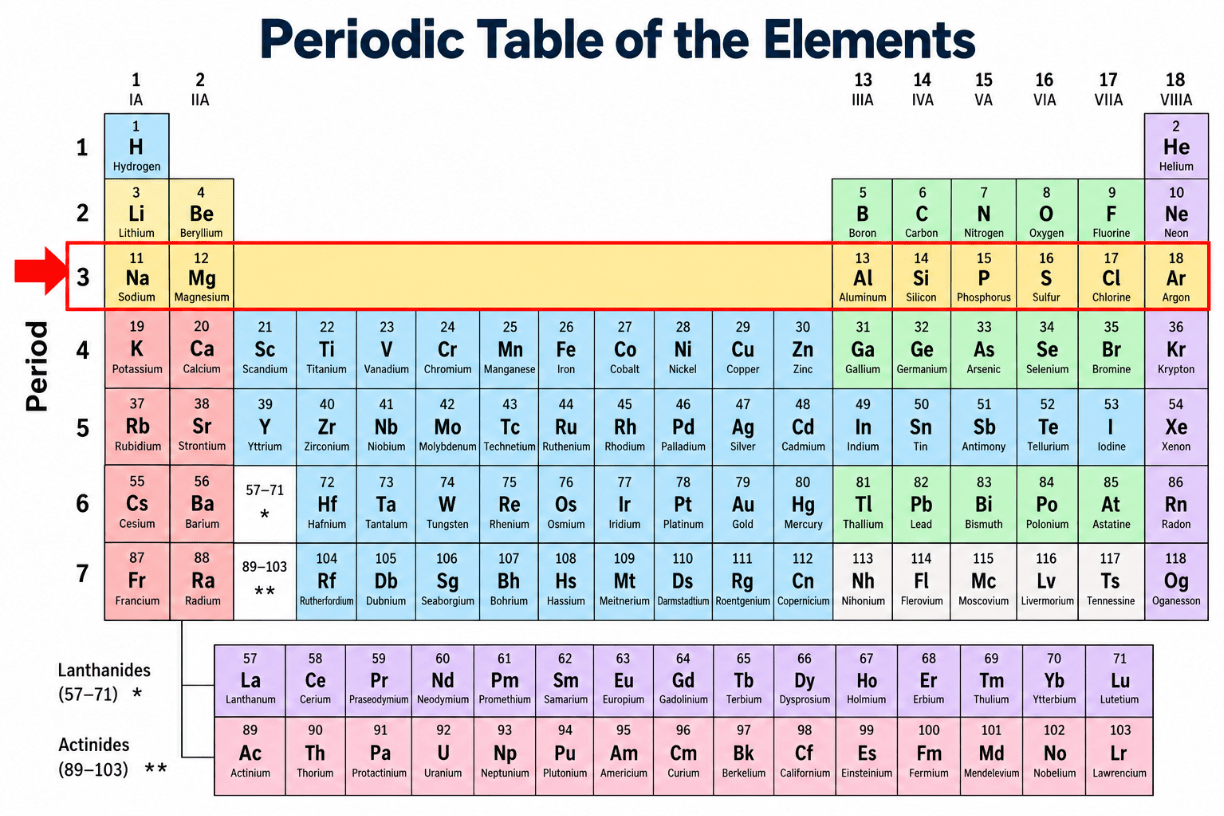
Period
200
A pure substance made of only one kind of atom
Element
200
This is the bond formed when Atoms transfer or give away electrons to another atom
Ionic Bond
200
This biological catalyst will lower activation energy required for some chemical reactions
Enzyme
200
This molecule provides quick energy for the body
Carbohydrates
200
Liquid molecules that like to stick to together
Cohesion
200
This is energy is carried through sound waves
Acoustic
200
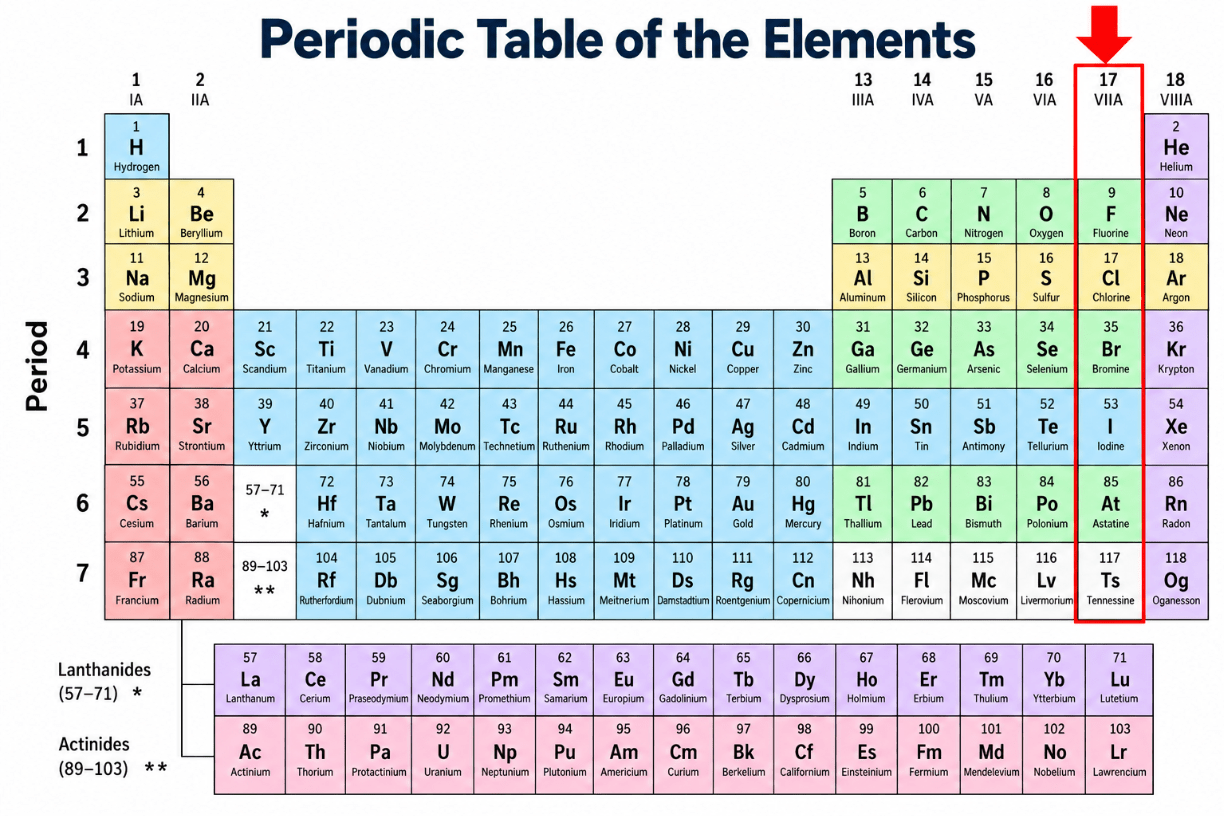
Group
300
Anything that has space and takes up mass
Matter
300
An ionic bond forms between these types of elements
Metal and Non-metal
300
A chemical reaction results in heat exiting the system to its surrounds. This exit of heat is called
Exothermic
300
This is created when amino acids form in the body
Proteins
300
In dissolved solutions, this is the substance that does the dissolving.
Solvent
300
This reaction is caused by the entering of heat into a system.
Endothermic
300
Lithium(L) has how many valence electrons?
1
400
The random movement of particles caused by collisions with surrounding molecules
Brownian Motion
400
A covalent bond forms between these two types of elements
Two Non metals
400
An egg being cooked in a pan is exhibiting a physical and/or chemical change
Both Chemical and Physical Change
400
This macromolecule is formed from non polar hydrocarbon chains
Lipids
400
Liquid molecules that like to stick to other surrounding molecules
Adhesion
400
This energy is stored due to position, condition, or structure
Potential Energy
400
Bromine(Br) has how many valence electrons?
7
500
Molecules that contain carbon compounds covalently bonded to other elements
Organic compounds
500
This molecule has unequal SHARING of electrons
Polar molecule (Polarity)
500
This graph represents this kind of reaction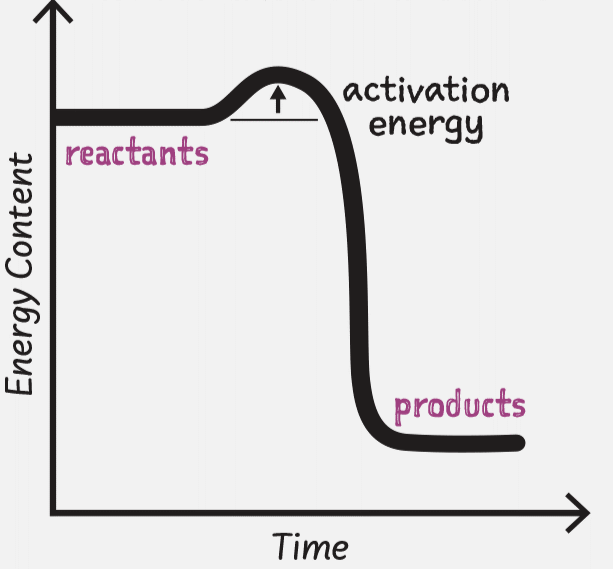
Exothermic
500
This is what the four major classes of macromolecules are called that form the foundation of life
Biomolecules
500
While dissolving solutions, this is the substance that is being dissolved.
Solute
500
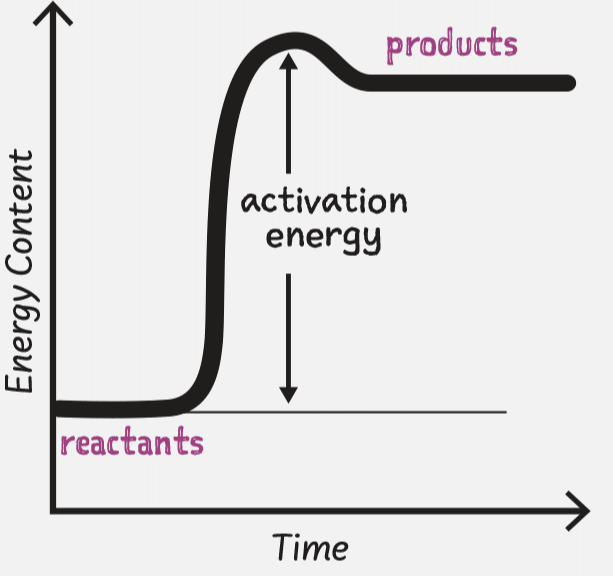 This graph shows an exothermic or endothermic reaction?
Endothermic
500
These elements are all
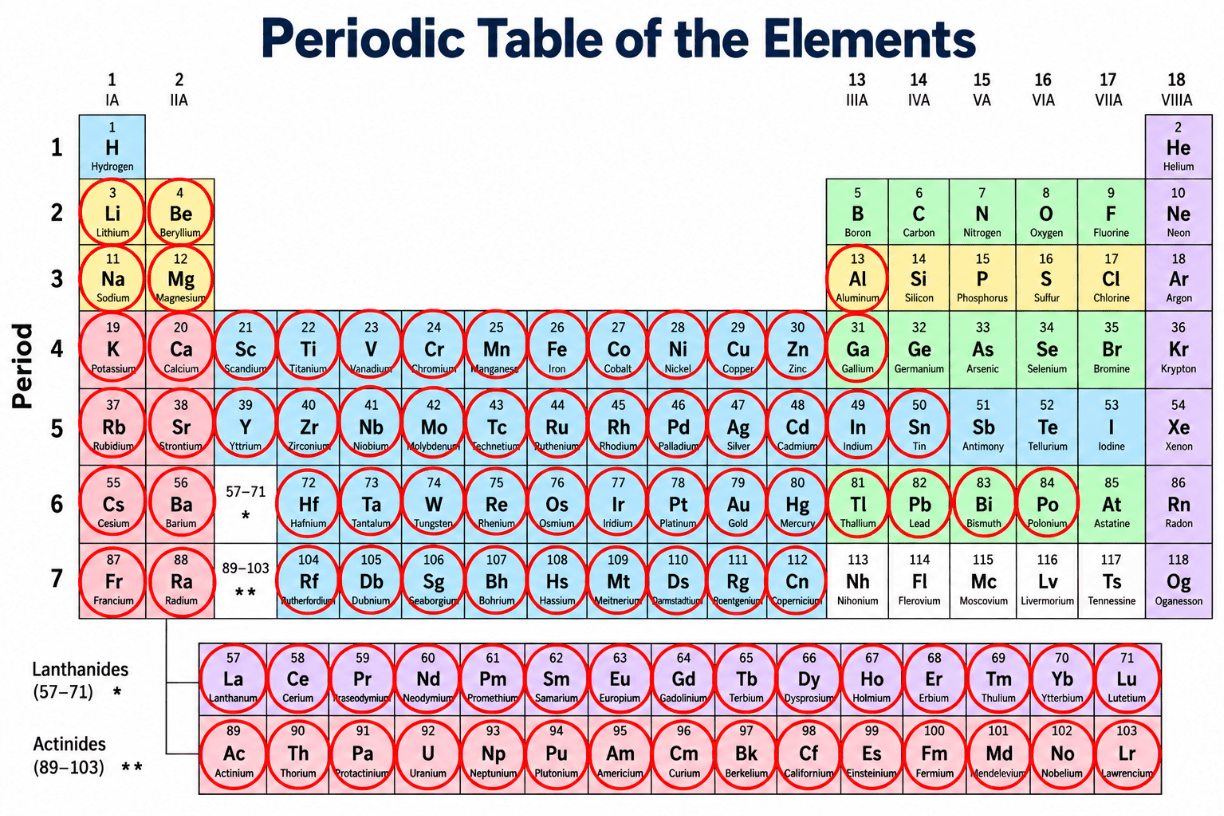
Metals
600
The minimum amount of energy required to START a reaction
Activation Energy
600
A cation produced from an ionic bond will have this charge
(+) Positive Charge
600
An anion formed form an ionic bond will have this charge
(-)
600
This vital biological information is stored and transmitted by Nucleic Acids
DNA and RNA
600
This will bind to the active site of the enzyme to create a new product
Substrate
600
This law states energy cannot be created or destroyed
Law of conservation of energy
600
These elements are
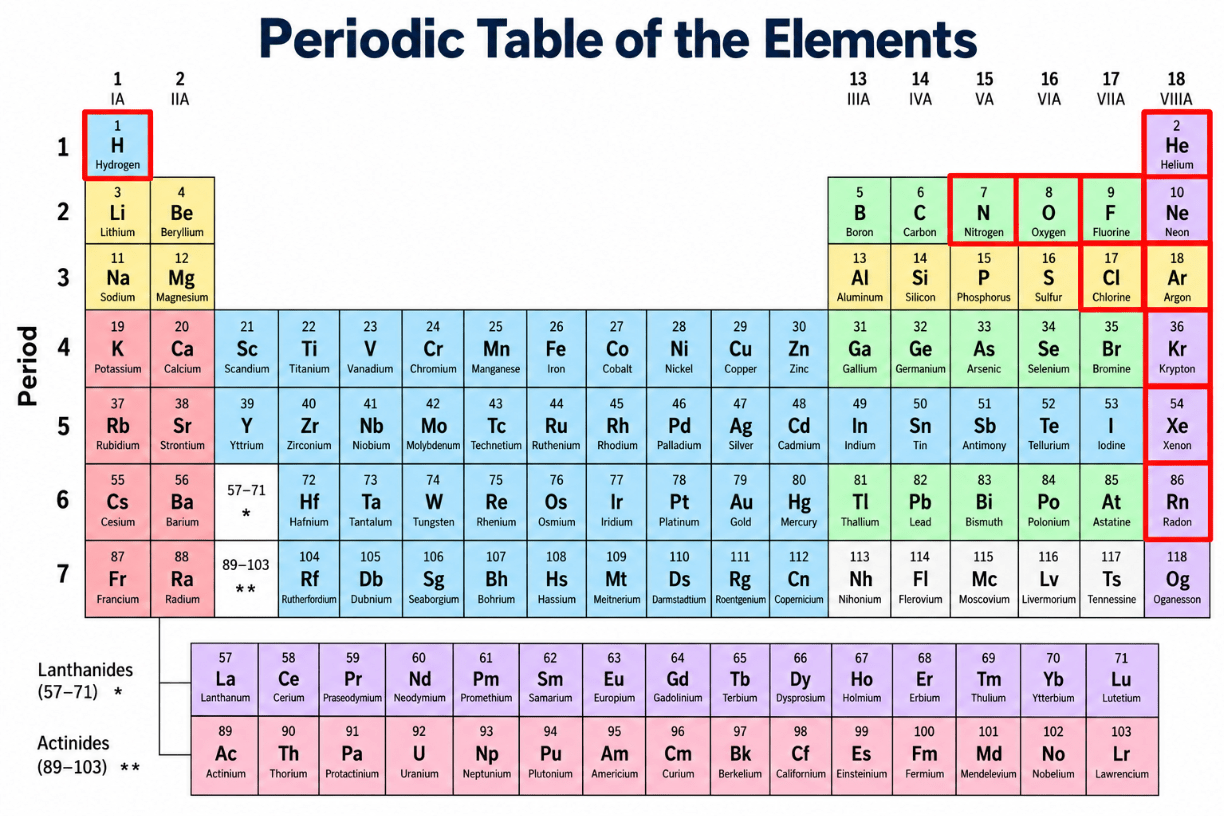
Gases