Immune System
Skeletal System
Digestive System
Body Parts
Muscular System
100
Which organ serves as the body’s largest and primary physical barrier against invading pathogens?
Skin - preventing most germs from entering the body.
100
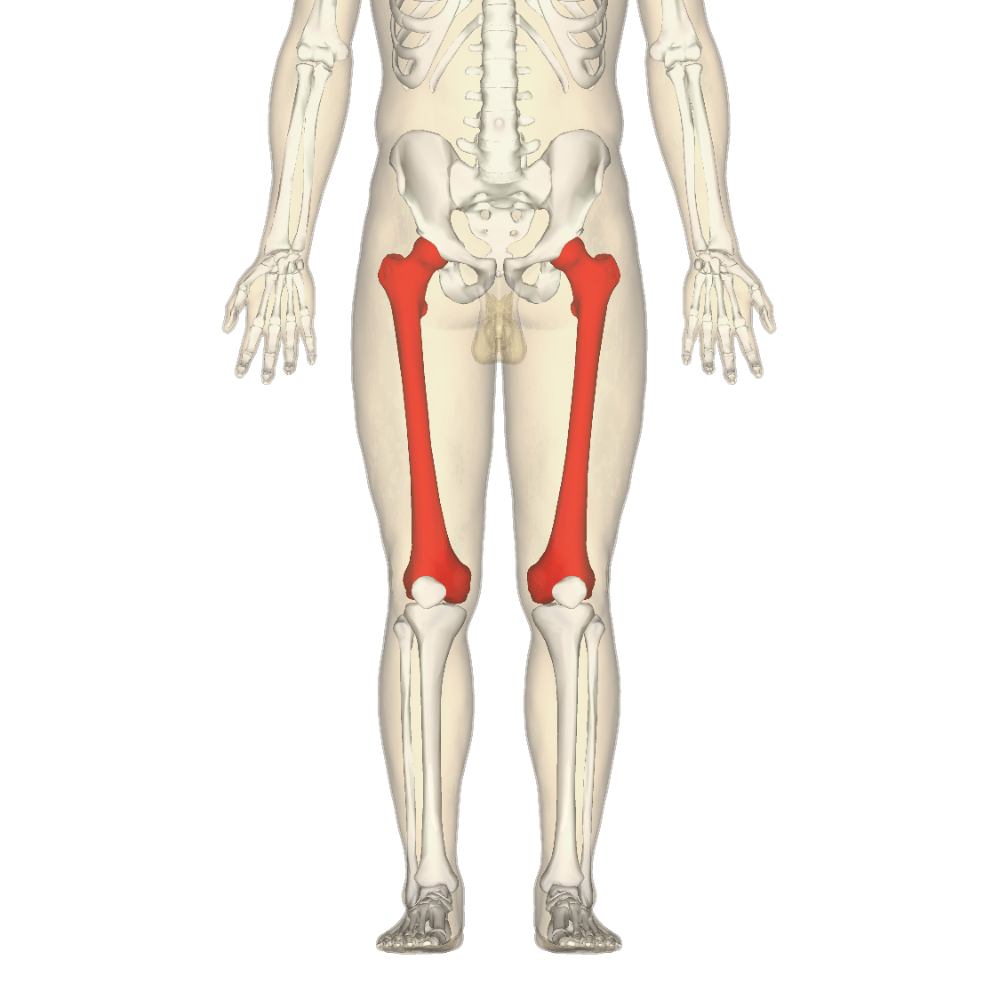 What is the name of this bone? Also known as the largest bone in the body!
Femur
100
Which J-shaped organ uses acid and powerful muscles to turn food into a thick liquid called chyme?
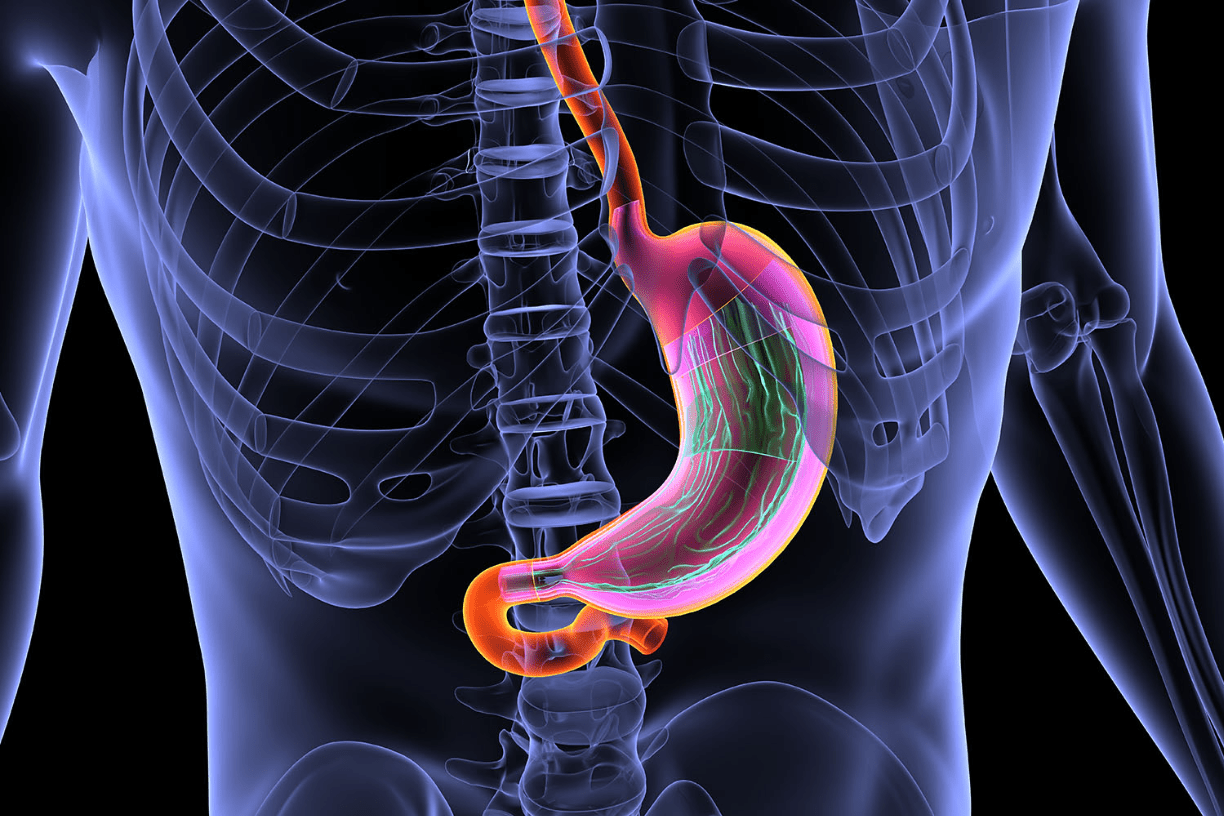
Stomach
100
What is the scientific name for the female breast? 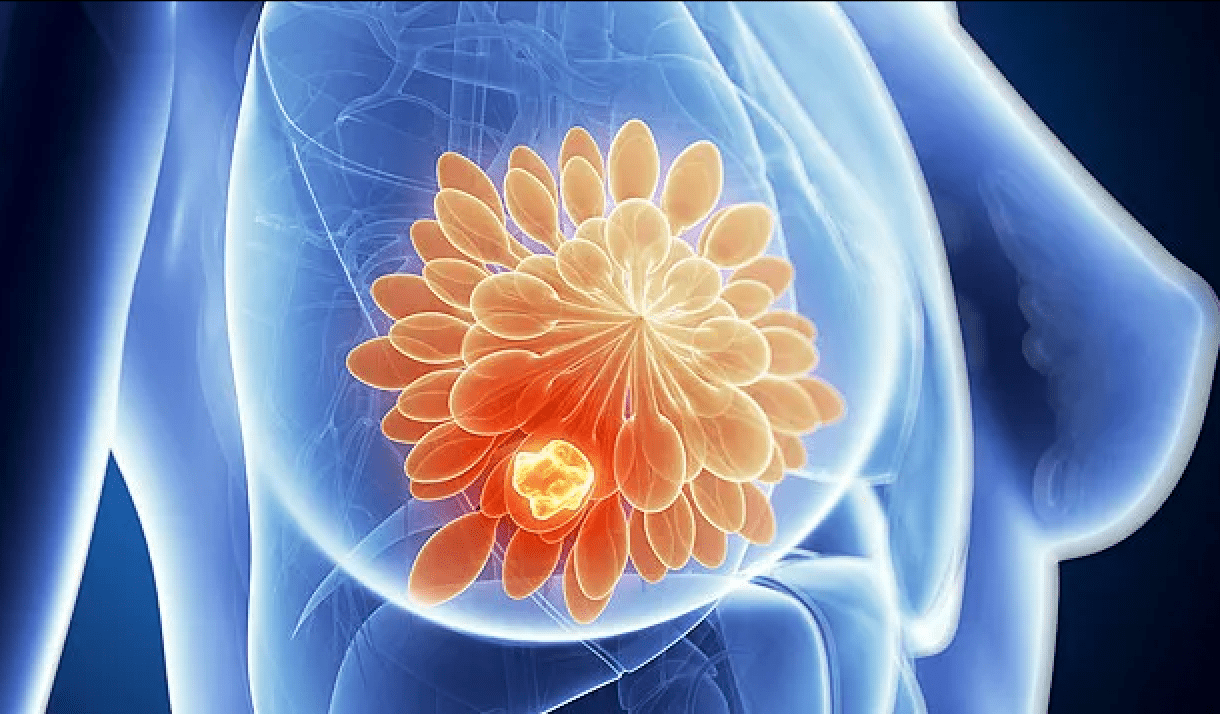
Mammary gland
100
What is the only muscle in the human body that never gets tired and works 24/7 to pump blood?
Cardiac Muscle (Heart)
200
Which type of medical intervention helps the immune system "learn" how to recognize and fight a specific pathogen without the person having to get sick first?
Vaccines - introduces new pathogen so the body can create "memory" cells to fight off sickness.
200
How many bones are found in the human skeleton?
206 bones, but infants are born with around 270 bones, which are fused together as they grow.
200
What is the name of the long, muscular tube that connects the throat to the stomach?
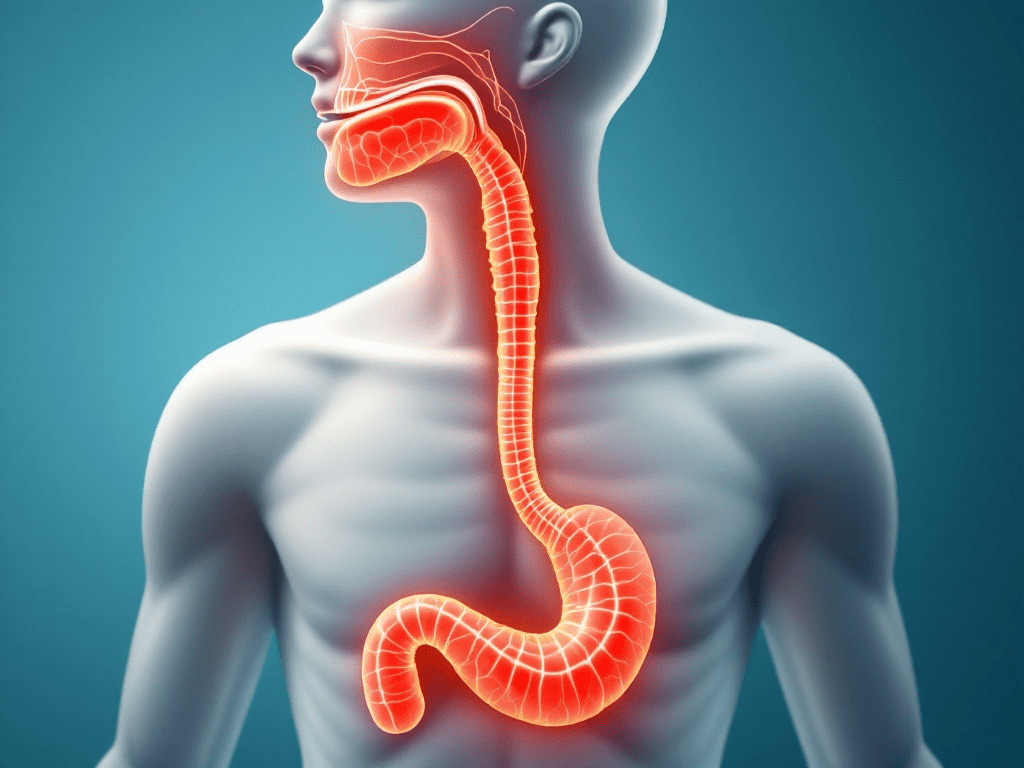
Esophagus
200
Where is the cochlea located in the body? 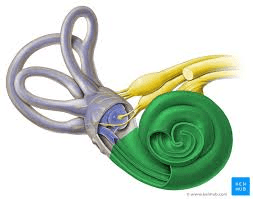
The ear.
200
Muscles can only do one thing to create movement in the body. What is it?
Contract
300
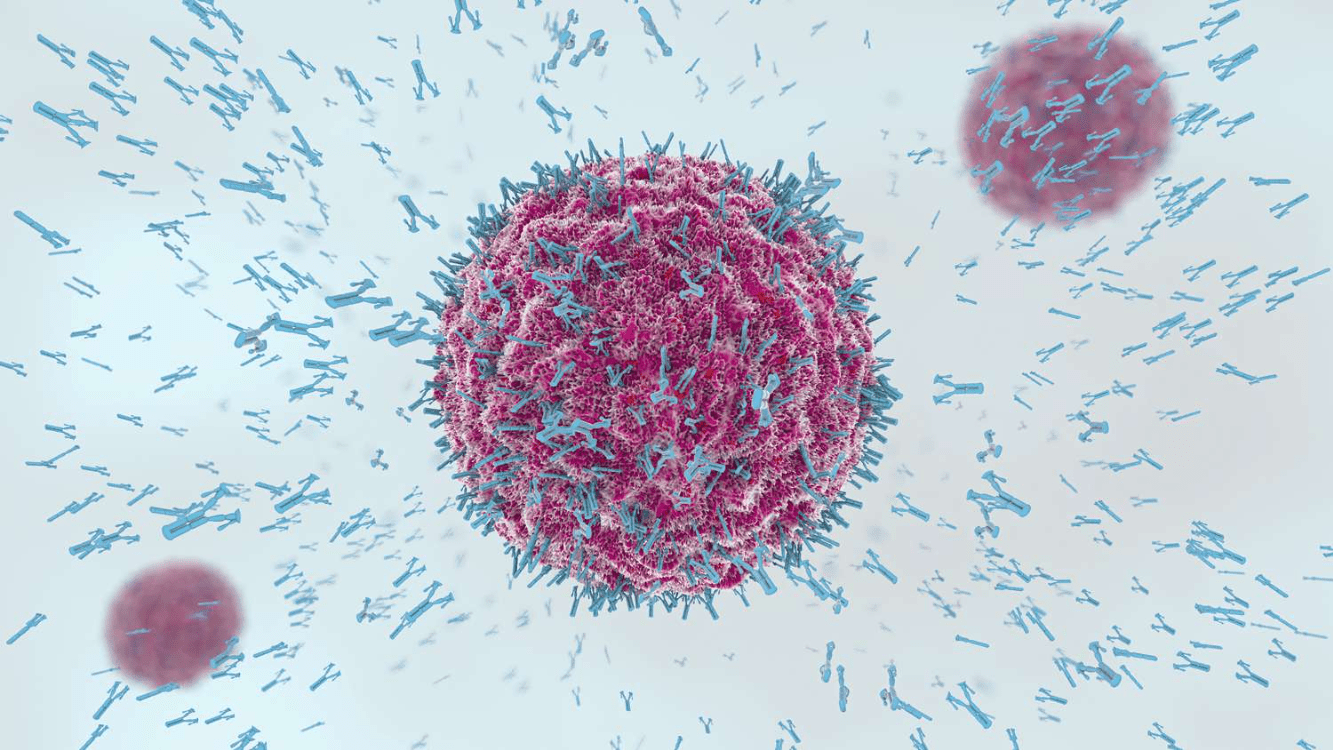
Which specific type of white blood cell is responsible for producing antibodies that tag and neutralize foreign invaders?
B-cells - the "factory" cells that pump out Y-shaped antibodies.
300
What type of flexible connective tissue is found at the ends of bones to reduce friction in joints?
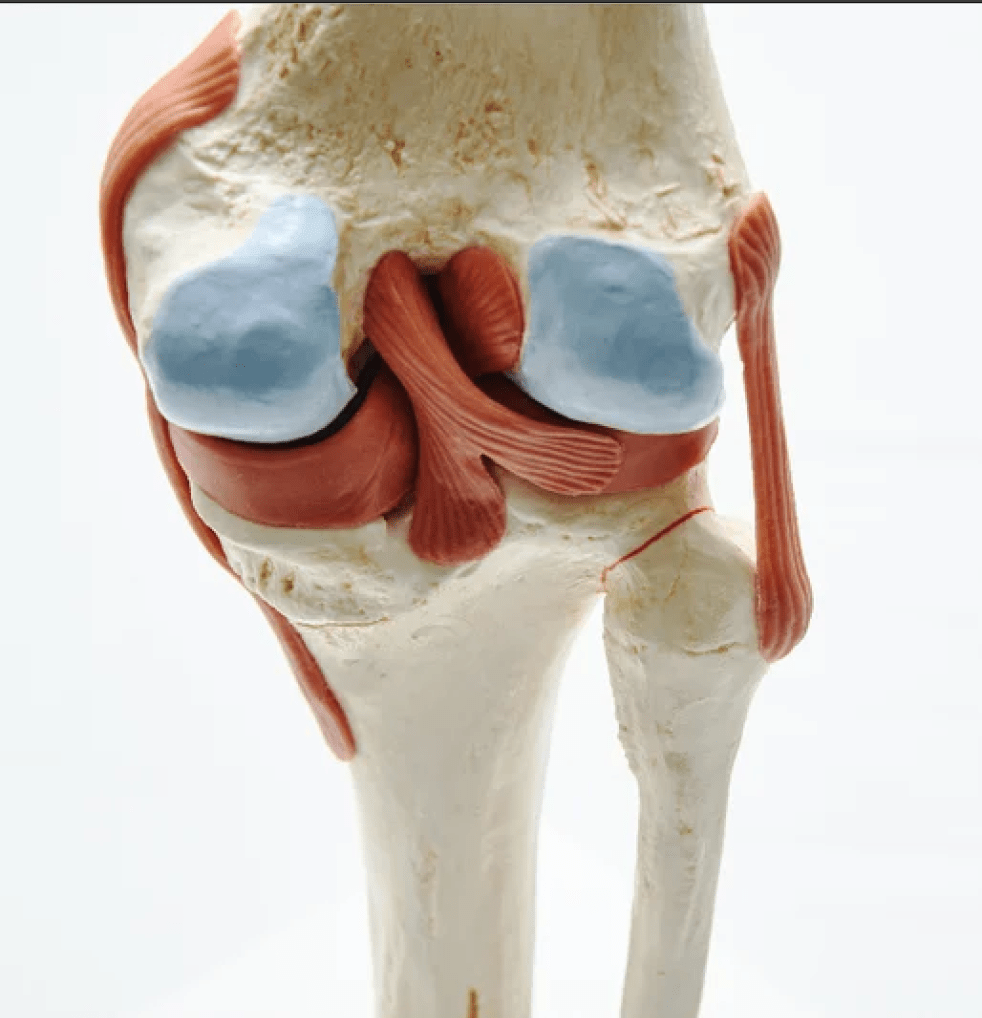
Cartilage
300
Which organ is responsible for producing bile, which helps the body digest and absorb fats?
Liver
300
What is the name of the body part located in this image? 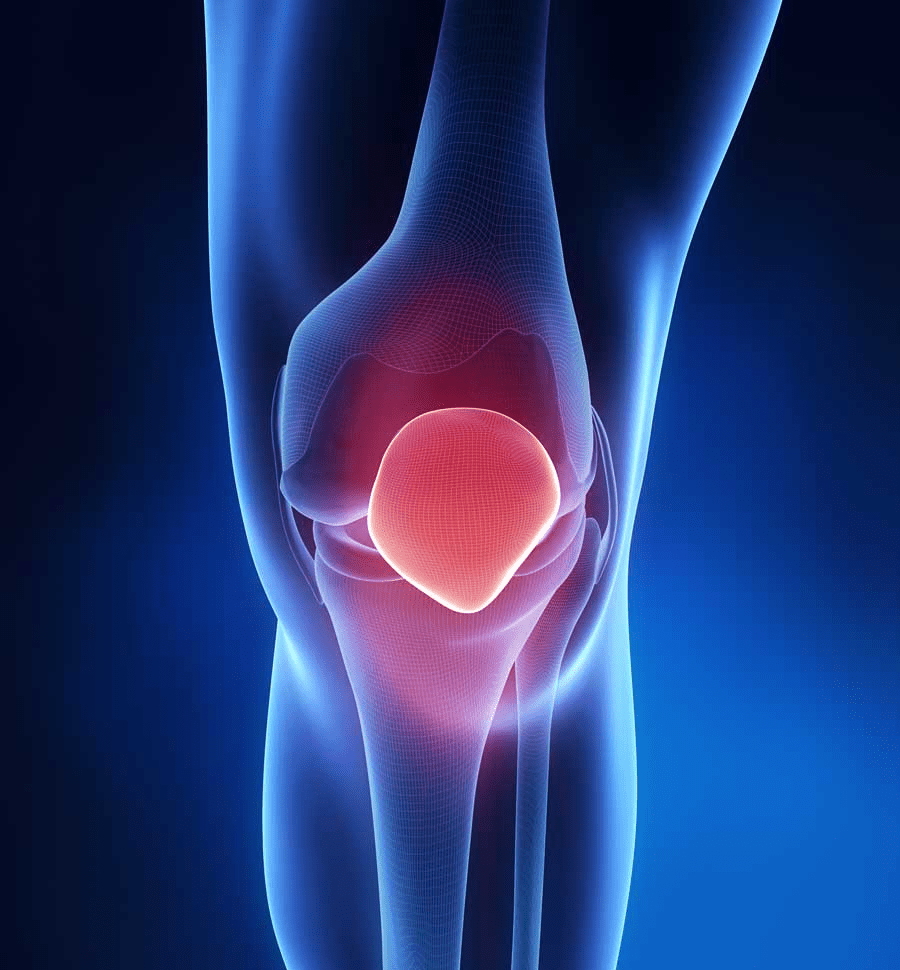
Patella
300
What is the name of the tough, cord-like tissue that attaches a muscle to a bone?
Tendon
400
When a cell is infected by a virus, it releases these small signaling proteins to warn neighboring cells and "interfere" with the virus's ability to replicate. What are they called?
Interferons - act as an early-warning system to help nearby cells put up antiviral defenses.
400
Which part of the bone is responsible for "hematopoiesis," or the production of red blood cells, white blood cells, and platelets?
Red Bone Marrow
400
Most nutrient absorption happens in the small intestine. What are the tiny, finger-like projections that increase the surface area for absorption called?
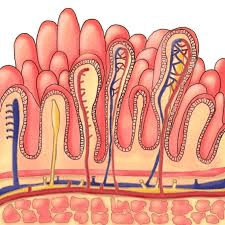
Villi
400
What are the 6 parts of the human brain? 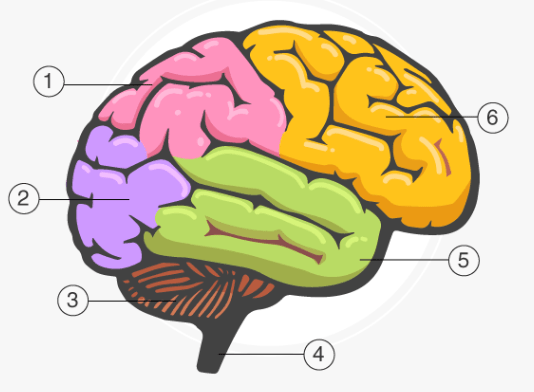
1 - Parietal Lobe
2 - Occipital Lobe
3 - Cerebellum
4 - Spinal Cord
5 - Temporal Lobe
6 - Frontal Lobe
400
During a muscle contraction, which ion is released from the sarcoplasmic reticulum to bind with troponin, allowing the "cross-bridge" between actin and myosin to form?
Calcium (Ca2+)
500
Sometimes the immune system makes a mistake and begins attacking the body's own healthy cells and tissues. What is the general term for this type of condition?
Autoimmune Disease
500
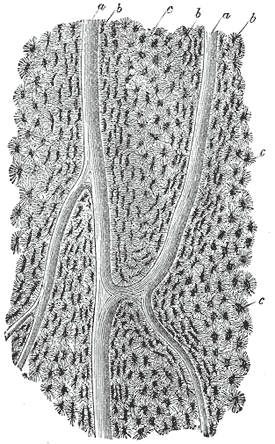
What are the tiny chambers called that house mature bone cells (osteocytes) within the hard matrix of the bone?
Lacunae
500
Which digestive enzyme, primarily secreted by the pancreas, is responsible for breaking down complex carbohydrates into simple sugars in the small intestine?
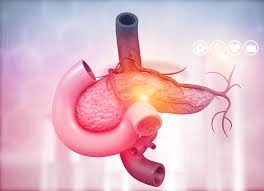
Pancreatic Amylase - While salivary amylase starts the process in the mouth, pancreatic amylase completes the chemical breakdown of starches into maltose in the duodenum.
500
What is the scientific name of this part of the body anatomy? 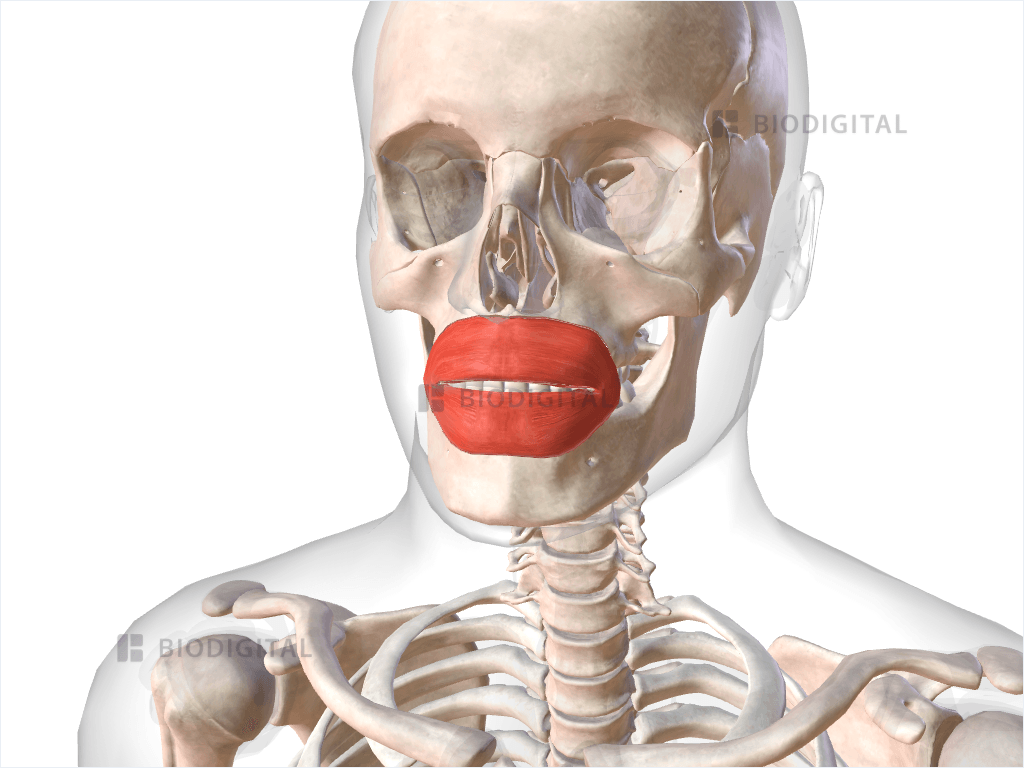
Orbicularis oris
500
Whoever points at their own head first gets a prize! Well.... GO!
Congratulations! You will receive a Human Anatomy Book!