Opioid Basics
Effects on the Brain & Body
Risks & Addiction
Fentanyl Facts
Overdose Recognition & Response
100
What are Opioids? what class of drug are they in?
They are depressants that originally came from the poppy plant.
100
What are the main medical reason opioids are prescribed?
To relieve pain
100
what is an overdose?
When someone takes more of a drug than their body can handle, leading to dangerous or life-threatening effects.
100
What makes fentanyl different from many other opioids?
It is extremely potent and much stronger than heroin or morphine.
100
What are two common signs of an opioid overdose?
Slow breathing, unconsciousness, pinpoint pupils, gurgling sounds, pale or clammy skin. Also look for purple lips and fingers nails.
200
Name 2 commonly used opioids.
Heroin, morphine, codeine, oxycodone, hydrocodone, fentanyl, etc.
200
What feeling do some people report experiencing when using opioids recreationally?
Euphoria, calm, or relief from anxiety.
200
What is tolerance?
Bonus 50 points: What is your experience with tolerance?
When someone needs more of a drug to get the same effect.
200
Why is illicit fentanyl especially dangerous today?
It is often mixed into other drugs without people knowing.
200
What should you do first if someone is unresponsive and breathing slowly?
Call 911 immediately.
300
Why do opioids have a high risk of addiction compared to many other medications?
Because they not only relieve pain but also activate the brain’s reward system, creating feelings of pleasure that can lead to repeated use, tolerance, and dependence.
300
What are two visible physical signs of opioid use?
Pinpoint pupils, slurred speech, drowsiness, itching, nausea.
300
What can increased tolerance eventually lead to?
Physical dependence or addiction.
Bonus 50 points: What are the symptoms of opioid withdrawal?
300
Who was fentanyl originally intended for medically?
Patients with severe or chronic pain, especially those with opioid tolerance.
300
What medication can reverse an opioid overdose?
Naloxone.
Bonus 50 points: Where can you get Narcan (Naloxone) in your community?
400
How do opioids reduce pain in the brain?
They mimic the body's natural pain-relief chemicals and attach to opioid receptors. specific receptors found parts of the brain that control emotion, reward and physical pain.
400
What physical change does opioids cause that is the main cause of death in opioid overdoses?
opioids use caused respiratory depression. Also, risk of choking on voimit
400
What are the main ways opioids can be taken?
Bonus question 50 points: What is the most dangerous way, and why is the most dangerous?
orally, snorted, smoked and injected.
Bonus: injection, due to its rapid onset, protentional high risk of overdose due to dosage, transmission of disease and infection, vein collapse.
400
Why do fentanyl overdoses often happen so quickly?
Because fentanyl is very strong and is highly lipophilic which allows it to cross the blood brain barrier much faster and binds much more efficiently to receptors.
400
What do Good Samaritan laws protect people from in overdose situations?
Legal trouble for calling 911 or seeking emergency help.
500
What are the three categories of opioids based on how they are made?
Bonus 100 points: which category is Fentanyl in?
Natural (poppy plant), semisynthetic, and synthetic.
Bonus: Fentanyl is a synthetic opioid.
500
What are the long-term effects of opioid use?
Bonus 100: What are your experiences with long term opioid use? (you or others)
overdose, dependence, withdrawal, mental health issues, lowers testosterone, condition called opioid-induced hyperalgesia pain sensitivity becomes worse. Etc.
500
What 2 substances, when mixed with opioids, greatly increases the risk of overdose and death?
benzodiazepine and alcohol. both depress breathing and work on similar brain receptors with compounds the bodies' reaction.
500
How much Fentanyl can kill an average sized person?
the average dose for overdose on Fentanyl is 2mg. DEA analysis of seized pills have shown a range between .02mg to 5.1 mg of fentanyl. 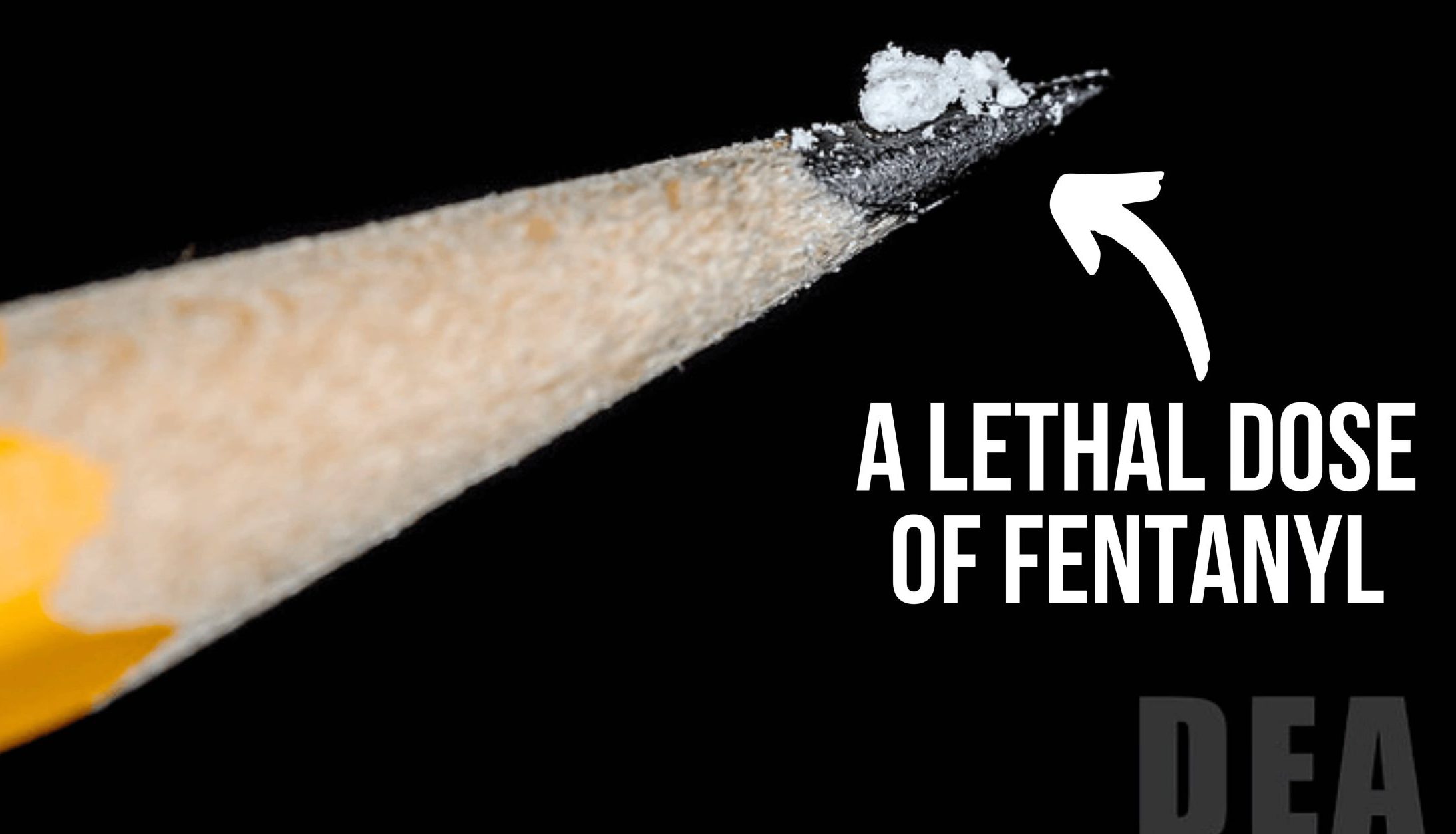
500
Why might naloxone not work if someone overdosed on alcohol alone?
Bonus 100 points: How long does Narcan stay in the brain to help reverse an overdose?
Because naloxone only reverses opioid overdoses, not alcohol or other depressants.
Bonus: Narcan only has 30-90 half-life. Which means after that time half the Narcan will be gone. Someone can go back into overdose if not hooked to a Narcan I.V drip by a hospital.