Intro and Public Health
Behavioral Changes and Motivational Interviewing
Cardiovascular and Metabolic Prevention
Cancer Screenings
Women's Health and IPV
Immunizations and Lifespan Geriatrics
Pediatrics and Anticipatory Guidelines
High Risk Behavior and Mental Health
Occupational and Environmental Injury
400
This USPSTF grade describes an intervention or screening that will produce a moderate benefit to the patient
Grade B
400
"What I hear you say is..." is which component of OARS
Reflection
400
This health initiative in 2011 by the First Lady Michelle Obama was to increase healthy eating habits 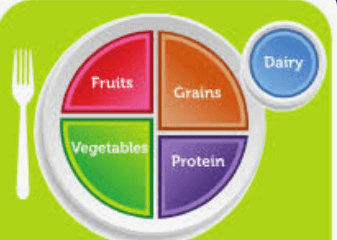
MyPlate
400
This type of cancer has the highest mortality rate in women
Lung cancer
400
Ovarian cancer screening in asymptomatic women is this USPSTF grade
Grade D
400
This primary preventive intervention can be given at birth within 24 hours along with the RSV vaccine.
Hepatitis B vaccine
400
Repetitive tardiness or absence from school is this type of child abuse/neglect indicator
behavioral indicator
400
Well-documented follow-up, and this patient-driven component should be created for patients who have been screened for suicidality
Safety plan
400
This sleeping practice increases the risk of suffocation in newborns
co-sleeping (bed/surface sharing)
800
Health protection focuses on this concept, while health promotion focuses on behavior changes
reducing exposure
800
This behavioral model expands the awareness and decision-making of patients
Precaution adoption process model
800
Children and teens in this percentile range are categorized as overweight
85th to < 95th percentile
800
In addition to smoking, advanced age, and HIV/AIDS, these are two other major risk factors penile cancer
HPV and uncircumcised
800
The USPSTF assigns this grade and intervention for individuals at an increased risk for HIV acquisition
Grade A, pre-exposure prophylaxis
800
This primary preventative intervention should be given at this age to prevent the reemergence of HZV
Shingles vaccine, age 50
800
The USPSTF assigns this grade for child abuse/neglect in children and adolescents without signs and symptoms of or known exposure to maltreatment
Grade I
800
"Within the ________ " is used as a timeframe reference for the questions on the PHQ-9 and GAD-7
last 2-weeks
800
This is the age range that a toddler should remain in a rear-facing car seat
birth up to age 2
1200
Hospital quality standards and public health infrastructures like fluoridated water supply fall under this category of preventitive medicine
Assurance
1200
Environmental influences, self-efficacy, and observational learning refer to this specific behavioral model
Social cognitive theory (social learning)
1200
A patient with a 10-year ASCVD risk of less than 5% or between 5-7.4% should have an ASCVD reassessment at this frequency.
Every 4-6 years
1200
Breast cancer screening, assigned a USPSTF Grade B, should be done within this age range and frequency
40-74 years old, biennial
1200
This is the number one killer of women
cardiovascular disease
1200
These are the respective USPSTF grades for osteoporosis in women and men
Grade B for women, Grade I for men
1200
Given the context that kids have already been practicing the oral health anticipatory guidelines, adolescents aged 11- 21 years should wear mouth guards for contact sports and be educated on these two topics that may impact oral health
smoking and drug use
1200
This is the definition of suicidal ideation
Thinking about/considering, OR planning for suicide
1200
According to the CDC ______ is a leading cause of unintentional injury-related death in children 1-4 years old
Drowning
1600
Identify three patient barriers to prevention
Transportation, cost, and health literacy
1600
During behavioral counseling, objective measures/data may be beneficial for this stage of the transtheoretical model
Precontemplation
1600
This pharmacologic intervention has a Grade C for adults 40-59 with a 10-year ASCVD greater or equal to 10% and Grade D in adults 60 years and older to prevent cardiovascular disease
Aspirin
1600
If patients opt in, PSA testing for average-risk men should be done between this age range
50-69 years old
1600
DAILY DOUBLE
This type of reproductive cancer has a higher mortality rate compared to other gynecologic malignancies
1600
__ in __ adults over the age of 65 fall each year
1/4
1600
This screening tool is used to assess adolescents aged 12-21 and their behaviors with alcohol and other substances
CRAFT
1600
These two tools can be used to screen for depression in the general elderly population
PHQ-9 and GDS-15
1600
Disease reporting and outbreak tracking fall under this category of public health and preventative medicine
surveillance and reporting
2000
Determinants of Health
Behavior, environment, genetics, social determinants of health
2000
This practical framework (an acronym) is used during patient declination
Assess, investigate, mitigate, explain, document (AIMED)
2000
DAILY DOUBLE
These are the four components that qualify a patient as having major ASCVD risk factors
2000
Cervical cancer is frequently diagnosed in women of this age range and in ___% of women over 65
35-44 years old, and 20%
2000
__ in __ (%) women experiences severe partner violence
1/4, 25%
2000
These three tools can be used for falls and mobility risks assessments
Gait speed
Timed up and go
Berg balance scale
2000
The USPSTF grade and age range for screening adolescents for major depressive disorder with adequate diagnosis, treatment, and follow-up are as follows:
Grade B, ages 12-18
2000
This is the relative phrasing for Question 9 of the PHQ-9
Thoughts that you would be better off dead or of hurting yourself in some way
2000
According to the CDC ______ is a leading cause of unintentional injury-related death in children 5-19 years old
motor vehicle crash