Major Functions
Anatomy
Function of structures
Major organs
Misc.
100
This system is helps to protect the body from external microorganisms.
What is the integumentary system?
100
List and draw the location of the five tastes.
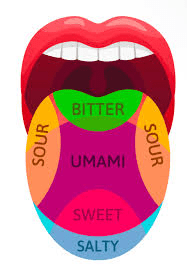
100
What structure produces sperm?
Testicles, testes, gonads
100
 Identify parts C, E, and F
Stomach, small intestines, large intestines
100
How many trimesters is in a normal pregnancy?
3
200
This system provides structure and movement to the body.
What is the skeletal system?
OR
What is the muscular system?
200
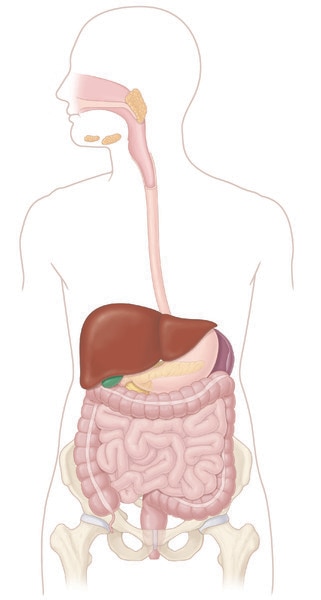 Identify the liver and list its primary function.
The liver is the large, brown organ. Creates bile, filters blood
200
What structure is responsible for the majority of mechanical digestion?
Teeth.
200
 These clusters, like #4, filter lymph fluid and destroy pathogens.
Lymph nodes.
200
This blood type is considered the universal donor.
Type O
300
This system circulates nutrients and oxygen through the body to the organs and tissues.
What is the cardiovascular system?
300
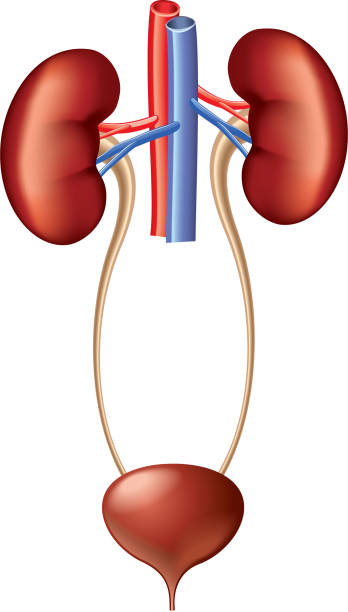 Identify the kidneys and describe its function.
Kidneys are the bean shaped organs. Filter liquid wastes, reabsorb any needed water or nutrients and eliminate toxins and extra water/liquid.
300
The alveoli in the lungs are responsible for this.
exchanging oxygen and carbon dioxide
300
#3 is a structure that helps produces lymphocytes and begins to disappear during puberty.
Thymus gland
300
This is also called the sense of smell.
olfaction
400
This system is responsible for fighting diseases inside the body.
What is the lymphatic or immune system?
400
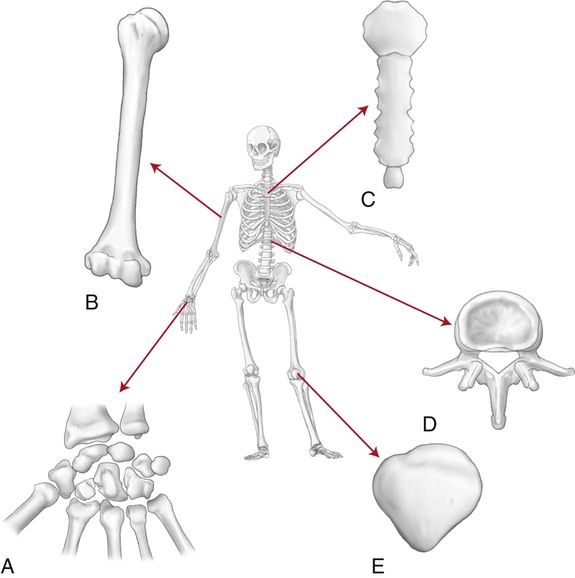 Identify which bone is an irregular bone.
Bone D
400
These are responsible for taking blood away from the heart, usually this blood is oxygenated and ready to be delivered to the body.
Arteries
400
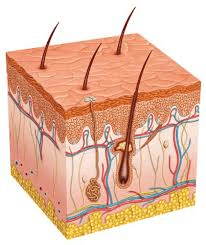
List the 3 layers of the above diagram.
epidermis, dermis, hypodermis/subcutaneous
400
How many chambers are in the human heart?
FOUR
500
This system is responsible for gas exchanges.
What is the respiratory system?
500
 Identify parts D, G, and A.
nose/nasal cavity; trachea; bronchi
500
This is where the nutrients, gases, and wastes move in and out of the blood stream.
Capillaries or capillary beds
500
What organs are responsible for our senses?
eyes, ears, nose, skin, tongue
500
This type of gene/trait will only appear if a person receives it from both parents.
Recessive genes
600
This system sends and receives messages in response to stimuli.
What is the nervous system?
600
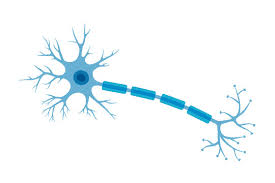 Identify this basic unit that connects structures on the nervous system.
Nerve cell or neuron.
600
This structure is responsible for regulating blood sugar.
Pancreas
600

Identify the 4 structures/organs in the diagram.
kidneys, ureter, bladder, urethra
600
Which photoreceptor is responsible for seeing color and more clarity?
cones