Probability Terms
Probabilistic Situations
Simplified
This and That
Probability Expressions
100
This term is used when two or more events have the same chance of occurring.
What is equally likely?
100
When rolling a fair number cube, this fraction represents the theoretical probability of rolling a 1.
What is 1/6?
100
When conducting 20 trials of flipping a fair coin, results show that tails occurred only 5 times. This fraction represents the experimental probability for tails.
What is 1/4?
100
This represents the total number of outcomes when rolling a standard die.
What is six?
100
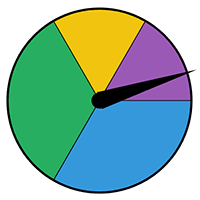
This word describes the chance of the spinner landing on a red section.
What is Impossible, or No Chance.
200
One round of an experiment is called this.
What is a trial?
200
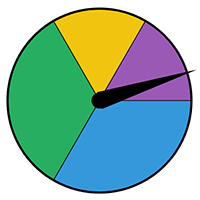
Based on Theoretical Probability, which colors are more likely to occur when conducting trials with the spinner?
What are green and blue?
200
A bag contains 5 red marbles, 3 purple marbles, and 2 blue marbles. This fraction represents the theoretical probability of pulling a red marble from the bag.
What is 1/2?
200
A whole number greater than 1 that has more than 2 factors is categorized as this kind of number.
What is composite?
200

This describes the likelihood of pulling a green marble from the bag.
What is less likely, or small chance?
300
A statement of probability represented as fraction that identifies the total number of times a specific event occurred in an experiment to the total number of trials conducted in the experiment.
What is Experimental Probability?
300
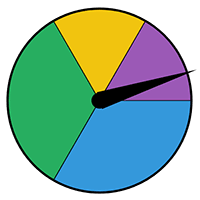
This fraction represents the theoretical probability of the spinner landing on either green or blue.
What is 1/3?
300
A fair number cube is rolled for a total of 24 trials. Results show that the number 6 occurred four times. This fraction represents the experimental probability for 6.
What is 1/6?
300
Of the numbers represented on a standard die or fair number cube, these numbers are composite.
What is 4 and 6?
300
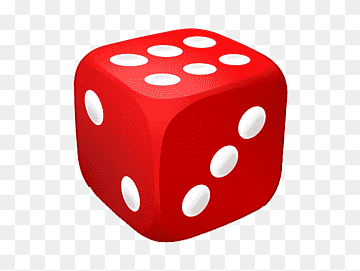
When rolling a standard die, this describes the chance of rolling a 1, 2, 3, 4, 5, or 6.
What is certain?
400
A statement of probability represented as a fraction that predicts what will occur in an experiment based on analysis of the situation and a comparison of the number of favorable outcomes with the total number of possible outcomes.
What is Theoretical Probability?
400
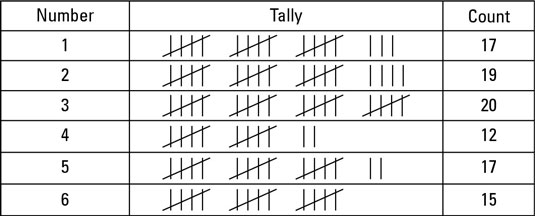 The table shows the results of 100 trials of rolling a fair number cube. This fraction represents the experimental probability for rolling a 4.
What is 12/100, or 3/25.
400
When adding up the theoretical probabilities of rolling the numbers 1-6 on a fair number cube, the sum adds up to this.
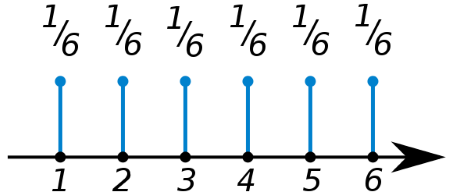 What is 1?
400
If the word predict is associated with theoretical probability, then this word is associated with experimental probability.
What is results?
400
 A spinner has red, blue, green, and yellow sections. This describes the chance of the spinner landing on the yellow section.
What is likely to happen?
500
This concept states that the more trials completed in an experiment, the closer the experimental probability approximates the theoretical probability.
What is the Law of Large Numbers?
500

This fraction represents the theoretical probability of pulling a yellow marble from the bag.
What is 4/12, or 1/3?
500
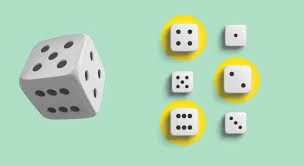
When rolling a standard die, this represents the probability of rolling an even number.
What is 1/2, or 50%?
500
When taking a standardized test with 4 answer options, eliminating 2 answer choices that you know are not correct increases your chances of selecting the correct answer from 1/4, or 25%, to this.
What is 1/2, or 50%?
500
 When flipping a fair coin, this describes the chance of landing on heads.
What is equally likely?