City Life
Inventions and Ideas
Fighting for Justice
Workers Rights
People and Persuasion
Photos
100
Q: Many Americans moved from rural areas to cities during this era. What was the main reason for this move?
A: What is to find jobs in factories? (or "for economic opportunities")
100
Q: This official document protects an inventor's right to their creation, encouraging them to share new ideas.
A: What is a patent?
100
Q: This term refers to journalists who "raked up" and exposed corruption and social problems.
A: Who are muckrakers?
100
Q: Organizations formed by workers to negotiate for better pay, hours, and conditions.
A: What are labor unions?
100
Q: This word describes a change made to improve something, like a law or a social condition.
A: What is reform?
100
What kind of area is this?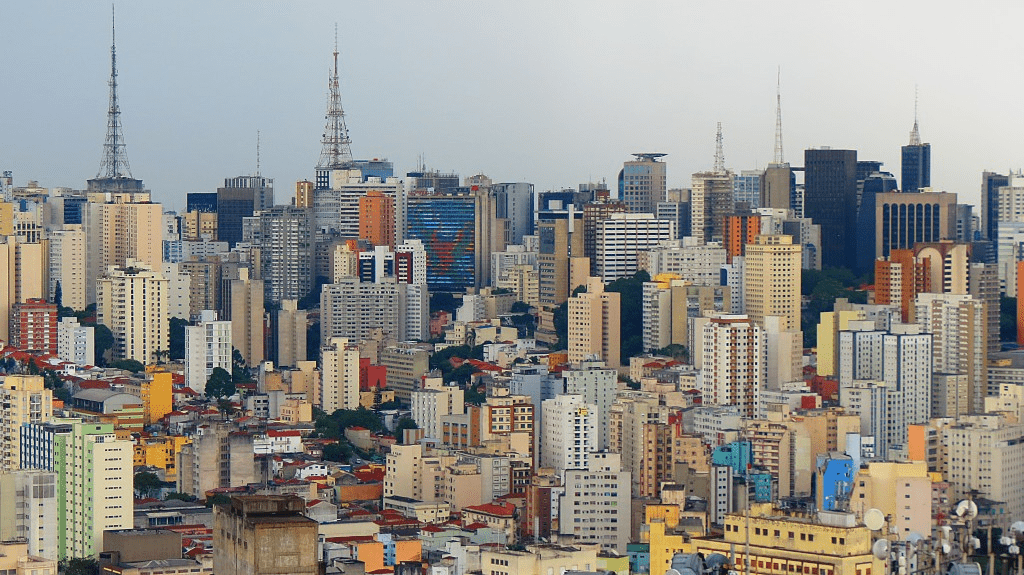
What is URBAN/ urban area
200
Q: These overcrowded, unsafe apartment buildings were home to many poor city dwellers.
A: What are tenements?
200
Q: True or False: Patents forced inventors to share their ideas with competitors immediately.
A: What is False? (Patents prevent others from stealing work.)
200
Q: His photographs of children working in factories helped convince Americans that child labor was a serious problem.
A: Who is Lewis Hine?
200
Q: This action, where workers refuse to work, is a powerful tool unions use to demand change. The Pullman Strike was a famous example.
A: What is a strike?
200
Q: Which of the following is an example of Progressive Era reform?
A) Lowering wages
B) Passing food safety laws
C) Increasing child labor
D) Building fewer schools.
A: What is B) Passing food safety laws?
200
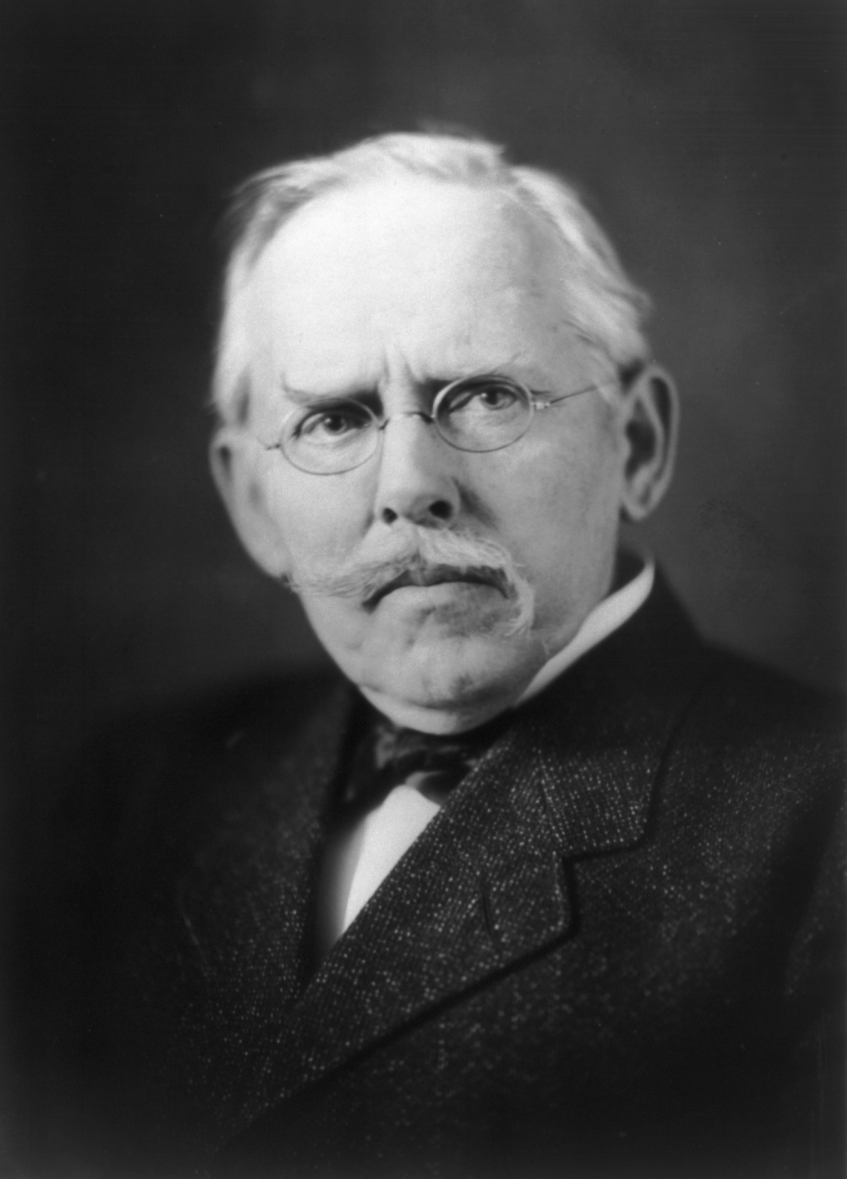
Who was this famous muckraker?
Who is Jacob Riis.
300
Q: This was the main entry point for immigrants arriving on the East Coast, known for its medical exams.
A: What is Ellis Island?
300
Q: Name one major invention from the Progressive Era.
A: What is 1800s/early 1900s, e.g., the automobile, the telephone, the electric light bulb, the radio).
300
Q: This muckraker's book, The Jungle, exposed the filthy conditions in the meatpacking industry.
A: Who is Upton Sinclair?
300
Q: Name one major goal of labor unions during the Progressive Era.
A: What is to negotiate for higher wages? (or "shorter workdays," "safer working conditions," or "ending child labor")
300
Q: This muckraker is famous for using photography to expose urban poverty and the harsh lives of the poor in cities like New York.
A: Who is Jacob Riis?
300
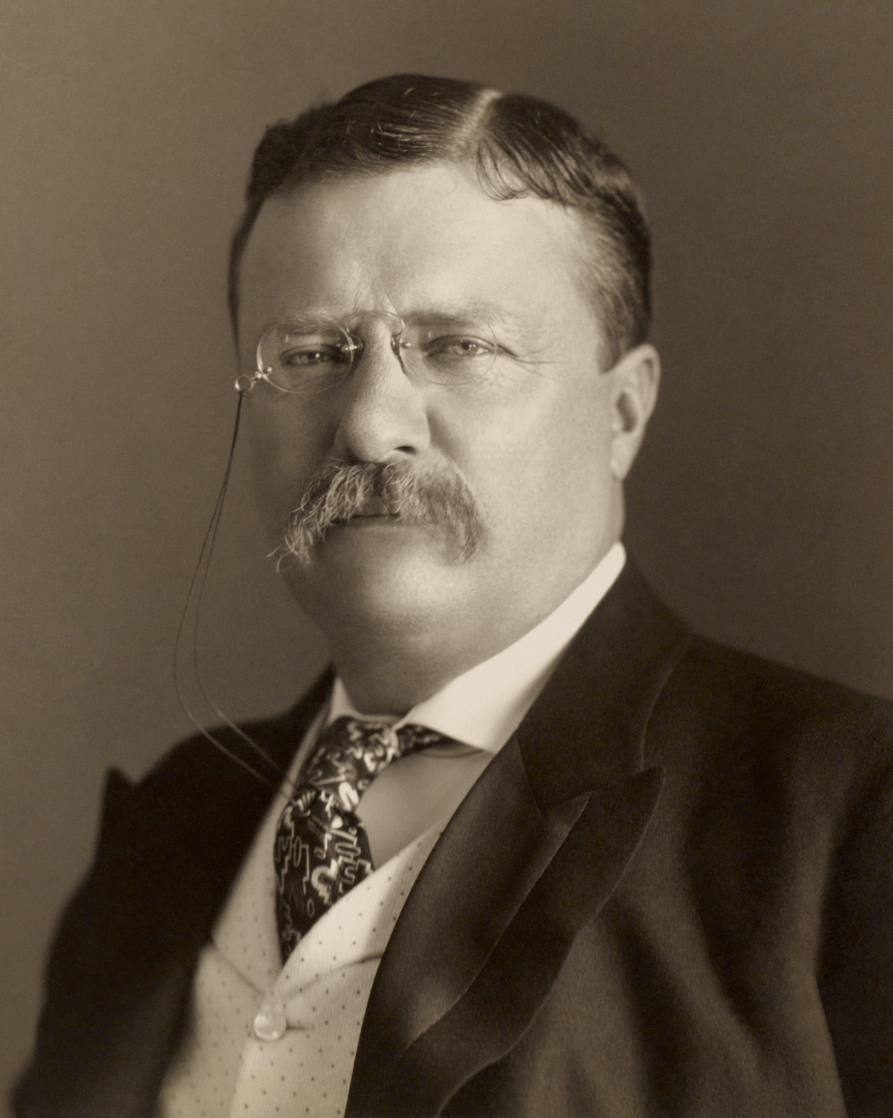
Who was this famous former leader of our country?
Who is Theodore Roosevelt.
400
Q: Unlike Ellis Island, this West Coast processing center was known for its harsh interrogations and long detentions.
A: What is Angel Island?
400
Q: Besides the inventor, who else benefited from a new invention and how?
Example: Regular people benefited from the light bulb because it allowed them to work and read safely after dark.
- Productivity
-Efficiency
-Creativity
-Transportation
400
Q: Lewis Hine photographed child laborers, while Jacob Riis photographed the poor living conditions in city tenements. How were their goals similar?
A: Their goal was the same: to expose social problems to the public and create pressure for reform. They both wanted to use powerful images to convince people that change was needed.
400
Q: Give one reason why someone, like a factory owner, might be against labor unions.
A: They might believe unions would disrupt business, decrease profits, or give workers too much power.
400
Q: How did the work of muckrakers like Upton Sinclair directly lead to government reform?
A: Sinclair's The Jungle horrified the public, including President Roosevelt. The public outcry directly led to the passage of the Pure Food and Drug Act and the Meat Inspection Act.
400

What kind of area is this?
What is SUBURBAN.
500
Q: Describe two ways that the arrival of millions of immigrants changed U.S. cities during the Progressive Era.
A: Answers may include: Cities became more culturally diverse (different languages, foods, religions); neighborhoods became crowded; immigrants provided a large workforce for factories; cities developed new ethnic neighborhoods.
500
Q: Explain how the patent system directly contributed to the wave of innovation during this time.
A: The patent system encouraged innovation by giving inventors the confidence that they could profit from their work without someone immediately stealing their idea. This protection made it worthwhile to invest time and money into developing new technologies.
500
Q: Who was the intended audience for the photographs of muckrakers like Hine and Riis, and why did they need to reach them?
A: The intended audience was the general public, especially the wealthy and middle class who might not be aware of the problems. They needed to reach them because public outrage would put pressure on politicians to pass laws and create reforms.
500
Q: Progressive reformers wanted to end child labor for two main reasons. What were they?
A: 1. The work was dangerous and harmed children's health and safety.
2. Working long hours prevented children from getting an education.
500
Q: Why were photographs a more powerful tool for reform than just written articles?
A: Photographs provided undeniable, visual proof of the problems. They could be understood by everyone, including immigrants and children who couldn't read. They created an emotional connection and made it harder for people to ignore the suffering.
500
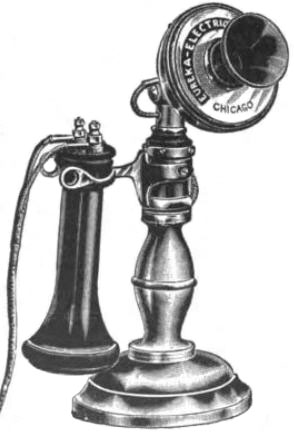
What was the name of this famous invention made during the progressive era?
What is the telephone.