SCIENCE!!!
Key Term Time!
The Brains Hardware
John Cena
Babies!
100
Clue: A specific, informed, and testable prediction of the outcome that should occur under a particular condition
Answer: What is a hypothesis?
100
Clue: The scientific study of thought and behavior.
Answer: What is Psychology?
100
Clue: These two structures meet together at a bridge to comprise the Central Nervous System (CNS)
Answer: What are the brain and spinal cord?
100
Clue: The conversion of physical energy from the outer world (such as light or sound waves) into electrical impulses that the brain can understand
Answer: What is transduction?
100
Clue: The first stage of cognitive development (ages 0–2), during which infants construct an understanding of the world by coordinating sensory experiences with physical movements
Answer: What is the sensorimotor stage?
200
Represented by the acronym OPTICR, these six sequential steps form the core workflow of scientific inquiry: Observe, Predict, Test, Interpret, Communicate, and Replicate
Answer: What is the scientific method?
200
Clue: a complex emotional and sensory experience associated with actual or potential tissue damage.
Answer: What is Pain?
200
Clue: The branch of the autonomic nervous system gives us that "fight-or-flight" response during emergencies
Answer: What is the sympathetic nervous system?
200
 Clue: Photoreceptors located in the retina that are highly sensitive to contrast and essential for night vision are essential if we want to see John Cena...but cannot tell us the color of his super suit...
Answer: What are rods?
200
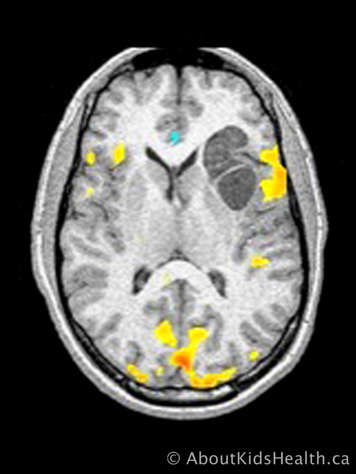
Clue: Functional imaging technique shows us this kink of high-resolution images of brain activity in children by tracking oxygen usage
Answer: What is fMRI (functional magnetic resonance imaging)?
300
Clue: In an experimental study, this is the condition or property that is systematically manipulated by the experimenter under controlled conditions
Answer: What is the independent variable?
300
Clue: Things from the environment such as alcohol, nicotine, radiation, or maternal infections that can cross the placenta and cause birth defects
Answer: What are teratogens?
300
Clue: The gap between Neurons that neurochemicals are deployed into
Answer: What is the Synapse?
300
Clue: Not really a necessary sense in utero, this sense takes about 6 months to come fully online!
Answer: What is Vision?
300
Clue: Developmental process where unstrengthened or unused synaptic connections in the brain degrade and die off
Answer: What is pruning?
400
Clue: An experimental setup designed to prevent experimenter expectancy effects and demand characteristics by ensuring neither the participants nor the researchers know who is in the control or experimental group
Answer: What is a double-blind study?
400
Clue: The act of organizing and interpreting data from a sensory experience.
Answer: What is Perception?
400
Clue: The primary inhibitory neurotransmitter in the brain, which acts to slow central nervous system function and is correlated with anxiety regulation and intoxication
Answer: What is GABA (Gamma-aminobutyric acid)?
400
Clue: Region in the temporal lobe specialized primarily for recognizing faces. You cant see him...but if you do you'll recognize him.
Answer: What is the fusiform face area?
400
Clue: According to Erikson, the first developmental stage in the development of our personalities. Pretty simple trust me!
Answer: What is Trust vs Mistrust
500
Clue: This fundamental quality of scientific measurement refers to getting a consistent result over time or across different observers
Answer: What is reliability?
500
Clue: The final step of the scientific method, without it we would just believe anything that called itself science
Answer: What is Replication?
500
Clue: Located deep within the left temporal lobe, damage to this specific cortical area impairs a person's ability to comprehend spoken language and produce meaningful speech
Answer: What is Wernicke’s area?
500
Clue: These specialized brain cell activate when watching John Cena perform an action and when performing that same action yourself! They won't fire if you cant see him do it though...
Answer: What are mirror neurons?
500
Clue: The age when our brains start to slow their growth...before this we were learning soooooo much, and very quickly too.
Answer: What is about 6 years old?