A
B
C
D
E
F
G
100
The nurse is caring for a client diagnosed with seasonal affective disorder (SAD). When caring for
the client, at which time of the year does the nurse limit nursing interventions due to an uplifting of
mood?
April/May
100
Anticonvulsants enhance which neurotransmitter in clients diagnosed with bipolar disorder?
GABA
100
The nurse is caring for a female client with mood disorder who is prescribed lithium. What
interventions should the nurse perform?
Instruct to avoid becoming pregnant
100
A client who caused a house fire by leaving a pot on the stove often returns home to recheck the
burners. The nurse understands this action is performed for which main purpose?
o alleviate anxiet
100
The nurse is caring for a client diagnosed with PTSD. The client is exhibiting withdrawal and
ignoring problems and issues. The nurse recognizes this as which of the following
Psychic numbing
100
The nurse is using a theory which includes positive reinforcement with rewarding client behavior in
group participation activities From which theorist is the nurse deriving these strategies?
B.F. SkinneR
100
A client exhibits hostility toward the persons from whom the client wants love and approval What
describes the client's condition?
Ambivalence
200
Which statement made by the client is an
indication of a clinical effect of selective serotonin reuptake inhibitors (SSRI)?
A."I have gained 25 lbs in the last year."
B."I feel that I am so sleepy all of the time."
C."No one cares about me. I just want to die."
D."I have a difficult time concentrating.
C
200
WHAT ARE THE NEUROTRANSMITTERS
SADENG
200
The nurse is completing a medication history for a client diagnosed with bipolar disorder. When
assessing the medications, which medication classification is noted as an adjunct to lithium
therapy
Anticonvulsants
200
the Beer's List is helpful in providing the nurse with a quick reference on potential risks and
benefits for which likely group of clients?
Older adultS
Potentially Inappropriate Medications (PIMs) in Older Adults
The Beers Criteria®, commonly called the “Beers List,” is a guideline developed by the American Geriatrics Society (AGS) that identifies medications that may have more risks than benefits in adults age 65 years and older. It helps healthcare providers reduce medication-related harm, especially falls, confusion, delirium, bleeding, kidney injury, and adverse drug reactions.
Important nursing point:
A medication on the Beers List is not automatically forbidden. It means the nurse should recognize that the medication requires careful assessment, monitoring, and consideration of safer alternatives.
200
While caring for an older adult client, the nurse notices the client is exhibiting increased episodes of
forgetfulness, restlessness, and anxiety. Which assessment data is most significant for this client?
Recent loss of spousE
200
The nurse is caring for a client who has recently lost a spouse Which question asked by the nurse
is essential in guarding the client's immune system?
"Do you have friends and family to support you?"
200
What intervention should a nurse recommend for fostering effective coping skills and a sense of
hardiness
Daily exercise
300
the client is vague with details but does state feeling better when the sun is
shining. With this information, the nurse would document which disorder as a possibility?
SAD
300
The nurse is providing teaching to a client starting monoamine oxidase inhibitor (MAOI) drug
therapy. Which over-the-counter medications should the nurse instruct the client to avoid?
Cold and allergy medications
Antiulcer medications
Multivitamins
Laxatives
A
300
A client who reports moderate to severe anxiety requires intervention. What technique(s) suggested
by the nurse would be helpful in assisting this client in the management of anxiety? Select all that
apply.
A.Use rapid respiration
B.Take a cool shower or bath
C.Visualize a relaxing place
D.Listen to music
BCD
300
A client is scheduled for magnetic resonance imaging (MRI) of the head and neck. Which action by
the nurse would be most helpful in calming the anxious client?
Allow the client to express fears and concerns.
300
A client who is being interviewed by the nurse begins pacing and wringing hands, and repeating, "I
just need to keep moving." Which statement by the nurse is most appropriate and therapeutic for
this client?
"Please sit down and relax."
"Is something bothering you?"
"The physician will talk with you next."
"Are you feeling anxious?
D
300
The nurse is caring for a client in whom a psychobiologic disorder is anticipated Which assessment
data would the nurse use to formulate report for the next shift? Select all that apply
Family history
Mental status examination
Laboratory/diagnostic testing
Client statements
Community report
ALL EXCEPT LAST
300
If the nurse researcher is administering study medications
in a double-blind study, who is knowledgeable of the specifics of the medication?
the study committee
400
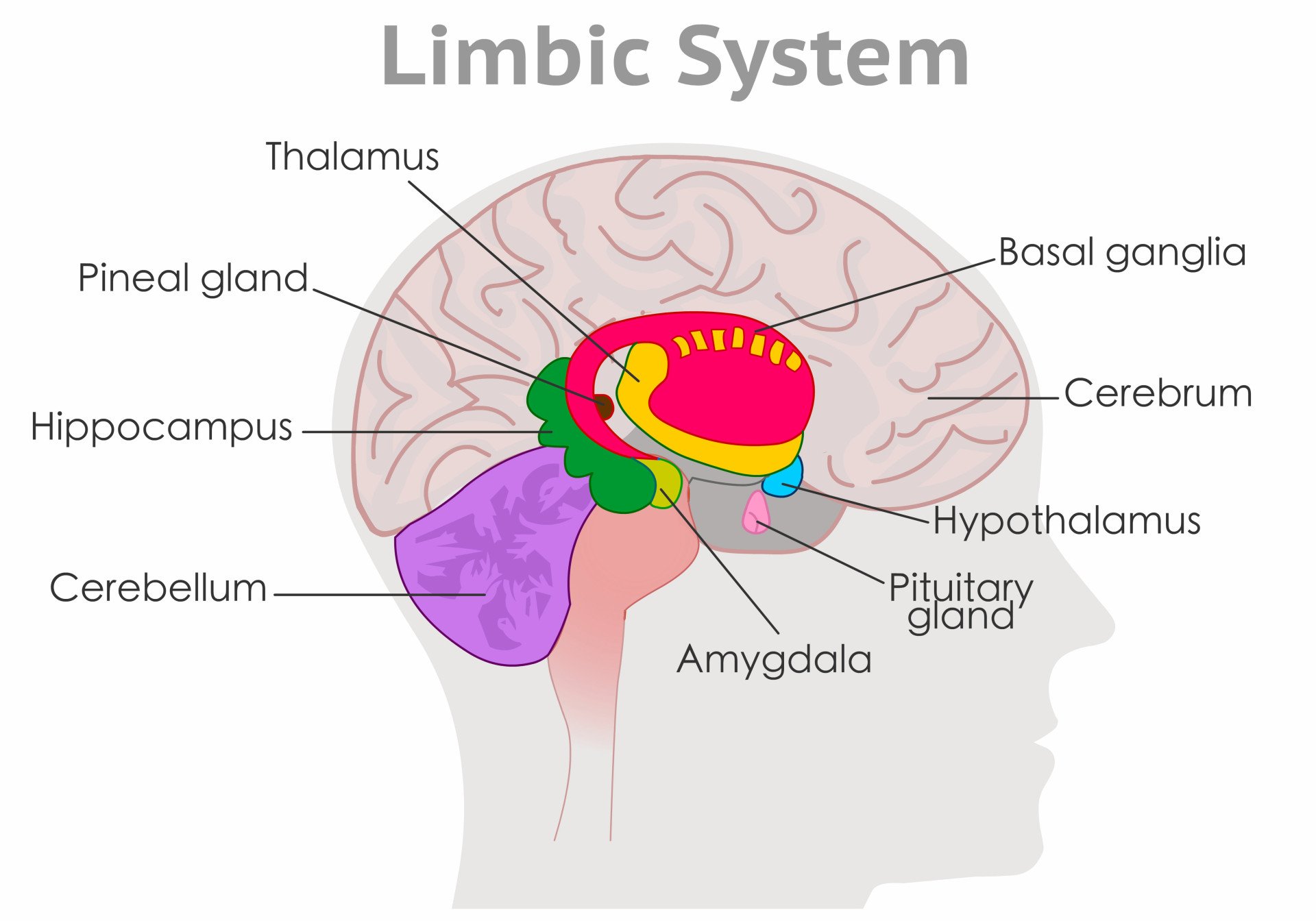
which area of the brain identify as
being the site for mood generation?
LIMBIC SYSTEM
400
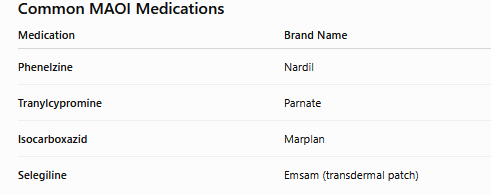
WHAT ARE THE MAOI DRUGS?
400
What is a side effect of beta-adrenergic blockers?
BRADYCARDIA
400
Which type of therapy assists the clients to alter their irrational thinking
Cognitive Therapy
PsychopharmacologyUse of medications to treat mental health disorders by altering neurotransmitter activity.Includes antidepressants, antipsychotics, mood stabilizers, and anxiolytics. Monitor side effects and safety.
Desensitization (Systematic Desensitization)Gradual exposure to a feared stimulus while using relaxation techniques.Used for phobias and anxiety disorders. Progress from least → most anxiety-provoking situation.
Behavioral TherapyTherapy that focuses on changing unhealthy behaviors through learning, reinforcement, and conditioning.Uses rewards, consequences, and behavior modification techniques (e.g., token economy).
Cognitive Therapy- focuses on changing negative or distorted thought patterns.Helps clients replace irrational thoughts with realistic thinking. Common for depression and anxiety.
400
The nurse is caring for a client who is taking a medication that affects the function of the
neurotransmitter norepinephrine The client asks,"What does norepinephrine normally do in the
body? " What should the nurse include in the response? Select all that apply
A.Affects attention and concentration
B.Raises energy level
C.Heightens arousal
D.Assists memory storage
E.Decreases seizure potential
ABCD
400
Which theorist proposed that adaptive and maladaptive behaviors are learned and repeated
because of rewarding reinforcement?
SKINNER
400
Which neuropeptide transmits the sensation of pain?
Substance P
Note:
- Enkephalins + Endorphins = Endogenous opioids → "End pain"
- Substance P = Pain transmitter
- Dopamine = Drive, Dopamine, Disease
- ↓ Dopamine → Parkinson disease
- ↑ Dopamine → Psychosis (schizophrenia)
500
During the assessment of a client with mood disorder, the nurse observes that the client
experiences hallucinations and delusions. What form of depressive disorders does the client
experience?
Psychotic depression
500
The nurse is completing a plan of care for a client on lithium therapy to manage bipolar symptoms.
Which nursing intervention(s) will be included? Select all that apply.
A.Monitor for symptoms of nausea, vomiting, muscle weakness, and lack of coordination.
B.Increase fluid intake to 3000 mL/day.
C.Limit sodium intake daily.
D.Monitor kidney and liver functioning.
E. Instruct client that it may take up to 6 weeks to reach therapeutic level. / Monitor intake and
output
ABE
500
Following a severe automobile accident, the client reports insomnia and terrifying nightmares. The
symptoms persist for months. Diagnostic testing reveals no physical basis for these recurrent
symptoms. These symptoms suggest the client is experiencing which of the following?
PTSD
500
A client who has an intense fear of flying has elected to participate in a therapy that culminates in a
short air flight. This is an example of which type of therapy?
BEHAVIORAL
500
mpaired balance and uncontrolled tremors of Parkinson disease is correlated with which
neurotransmitter?
DOPAMINE
500
The nurse is caring for a client who consistently presents to the emergency department with
symptoms of varied illnesses Family members correlate the symptoms to illnesses seen on
television or in other family members When viewing past documentation of client history, which
would the nurse anticipate?
Hypochondriasis
500
A rare but life-threatening reaction to antipsychotic medications (neuroleptics) caused by blockade of dopamine receptors in the brain.
Medications Associated:
- Haloperidol (Haldol)
- Chlorpromazine
- Fluphenazine
- Risperidone
- Olanzapine
Neuroleptic Malignant Syndrome (NMS)