Strengths/Positive Psychology
Coping Skills
Reframing Negative Thoughts
Types of Therapy
Brain and Body
100
List 3 positive affirmations.
Some examples:
- I am capable
- I am worthy
- I deserve good things
100
Give an example of a grounding skill.
- put your hands in cold water
- breathe deeply
100
Define Cognitive Distortion
A negative and pervasive thought pattern.
100
This type of therapy is all about mindfulness, presence, and how to manage intense emotions through coping skills.
DBT (Dialectical Behavioral Therapy)
100
This chemical messenger in the brain is often called the "feel-good" neurotransmitter. It's released when you achieve a goal, eat something delicious, or scroll social media.
Dopamine
200
Tell a short story when you succeeded doing something challenging.
Any story will do! We are proud of your persistance!
200
Define what a coping skill is.
Strategies used to reduce intense or unwanted emotions.
200
Explain what it means to personalize, and give an example
Seeing yourself as the sole cause of negative events
200
This therapy focuses on connection between your thoughts, feelings, and behaviors. Typically involves "homework."
CBT (Cognitive Behavioral Therapy)
200
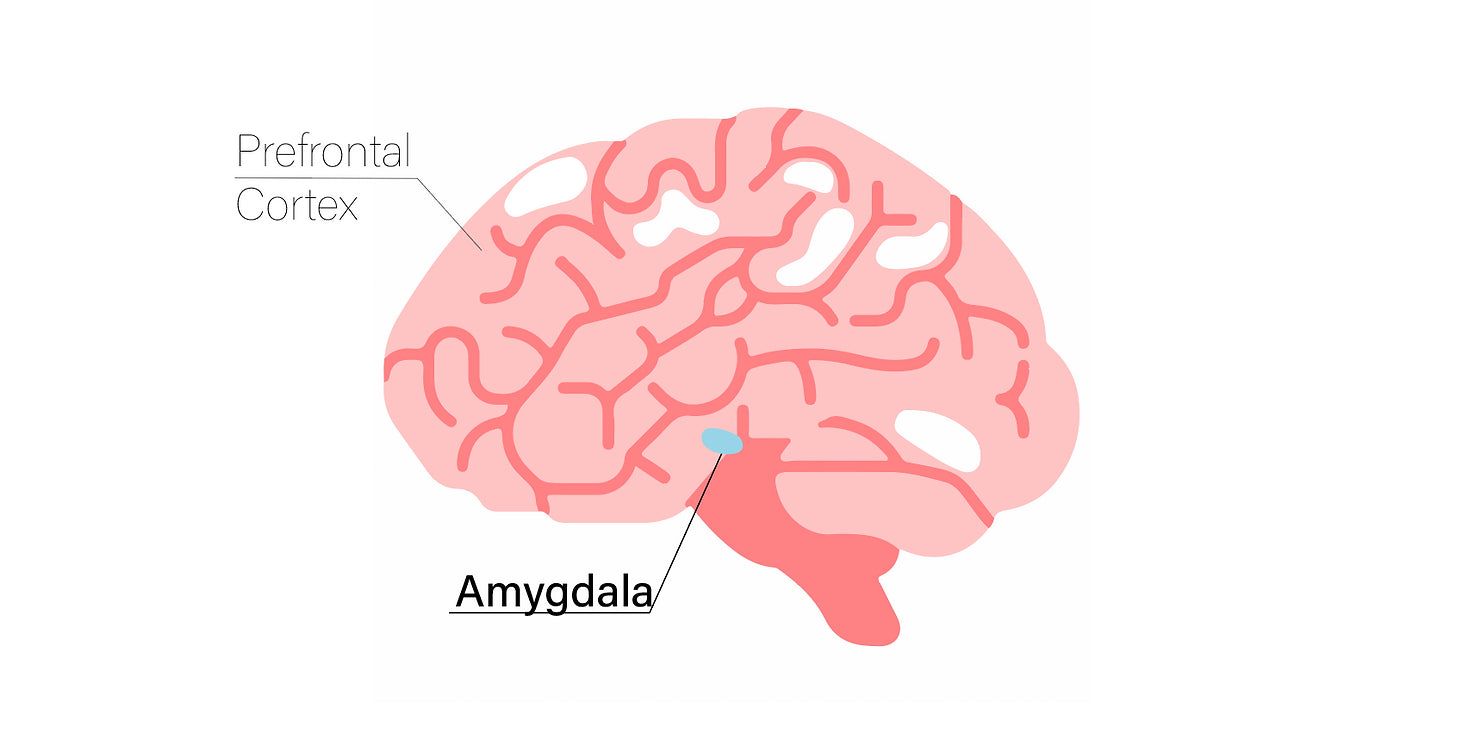
This part of the brain is in charge of decision-making, planning, and impulse control. Often called the "CEO" of the brain.
Pre-frontal cortex
300
Talk about someone you are grateful for and why.
For bonus points, write them a letter.
300
Give 5 examples of self care.
- Routine
- Proper diet
- Meditation
- Exercise
- Setting boundaries
300
Explain catastrophizing and give an example
Automatically anticipating the worst outcome
300
This type of therapy uses media, images, and creative processes as a vehicle for self-expression.
Art therapy
300
This part of the brain is responsible for the fight, flight, or freeze response.
Amygdala
400
List 5 positive things that have happened to you this week.
Wow! So many great things. Thank you for sharing!
400
Boundaries: what are they and give examples of you setting them.
Thank you for sharing! Good boundaries is necessary for growth.
400
What is a negative thought you’ve had recently and how can you positively reframe it?
Thank you for sharing!
400
This therapy pays special attention to identity & culture, power structures, oppression, and the importance of advocacy.
Feminist Therapy
400
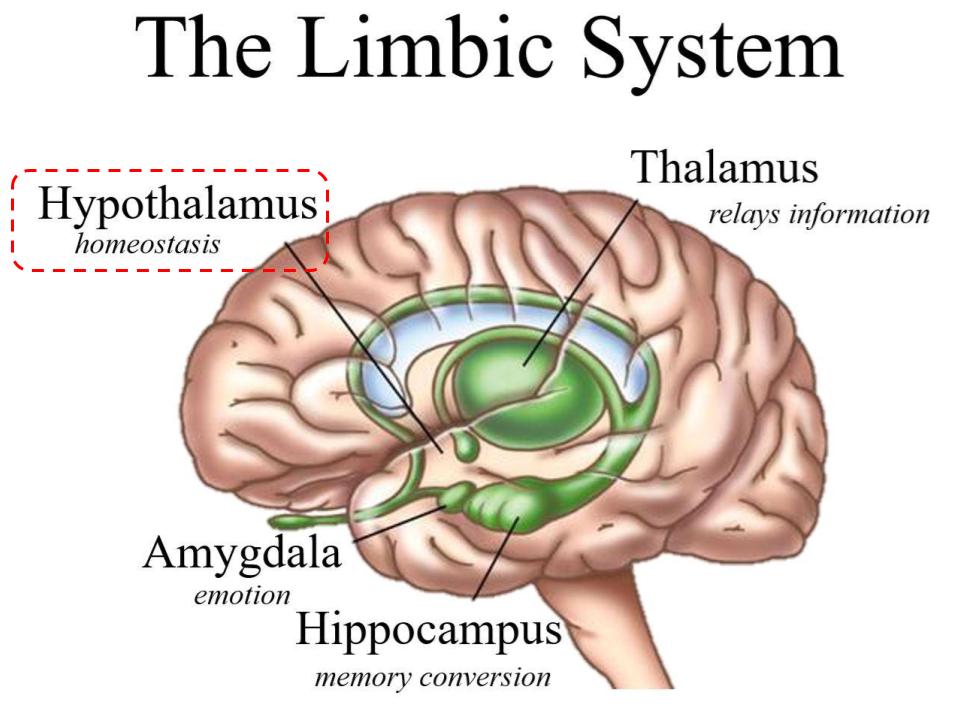
The system that controls basic emotions and our drives (such as food and sleep).
Limbic System
500
What is an "I feel" statement, and give an example?
Ex: Instead of saying "You never listen to me," you can say: "I feel unheard when you're on your phone while I'm talking to you."
500
Give a few tips for preparing for difficult conversations.
Write down speech, think about other’s feelings, revise, plan self talk, etc.
500
This part of the brain is responsible for the fight, flight, or freeze response.
Amygdala
500
This therapy focuses on "externalizing" the problem in order to "re-author" life stories.
Narrative Therapy
500
This term refers to the brain's ability to adapt by forming new neural connections throughout life.
Neuroplasticity