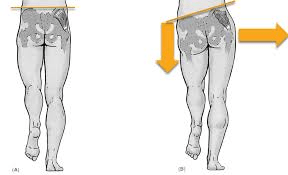
Hip/Pelvis
Knee
Ankle/Foot
Trunk/Spine
Gait
100
A therapist palpates this bony landmark that moves anteriorly and posteriorly during passive hip internal/external rotation.
the greater trochanter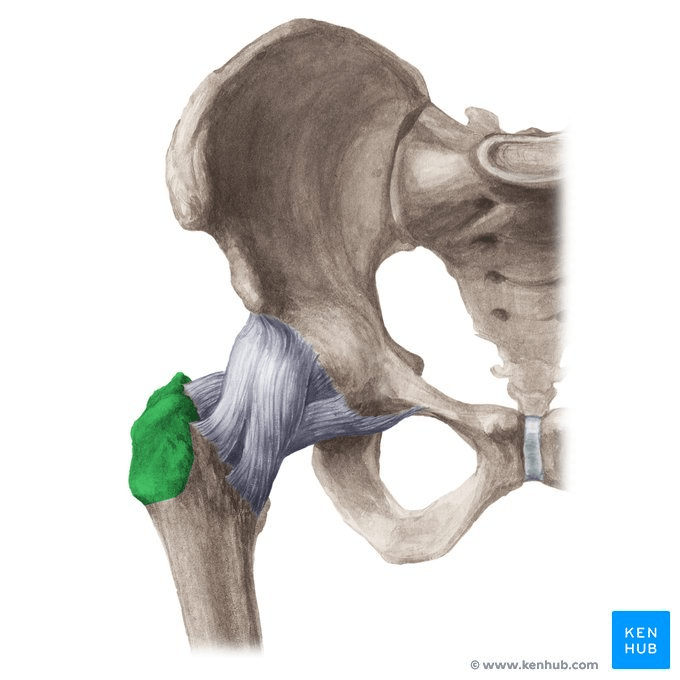
100
This muscle is the only hamstring that inserts on the lateral side of the knee, and is the part that does not cross the hip
the biceps femoris, short head
100
These are the primary motions occurring at the subtalar joint.
inversion and eversion
100
This abdominal muscle has vertically oriented fibers and is enclosed within the rectus sheath
the rectus abdominis
100
This percentage of the gait cycle is spent in swing
40%
200
This muscle originates on the anterior sacrum and inserts on the greater trochanter and if overused, can compress on the Sciatic Nerve
the Piriformis
200
Injury to this nerve would weaken hip flexion and knee extension while reducing sensation over the anterior thigh and medial leg.
The Femoral Nerve
200
Compression of this nerve at the fibular head often results in foot drop due to weakness of dorsiflexion.
Common Fibular (peroneal) nerve
200
This ligament connects the tips of adjacent spinous processes and limits excessive spinal flexion
the supraspinous ligament
200
Maximum hip extension occurs during this Rancho Los Amigos gait phase
terminal stance
300
This strong ligament of the hip, shaped like an inverted "Y," helps prevent hyperextension during standing and is considered one of the strongest ligaments in the body.
the iliofemoral ligament (Y ligament)
300
These 2 large muscle groups contribute the most to be able to peform a sit to stand
the Glute Max ( hip extension) and Quadriceps ( knee extension)
300
These three ligaments make up the lateral ankle ligament complex, and are commonly injured during excessive _______ motion
ATFL, CFL, and PTFL ( injured with inversion sprains)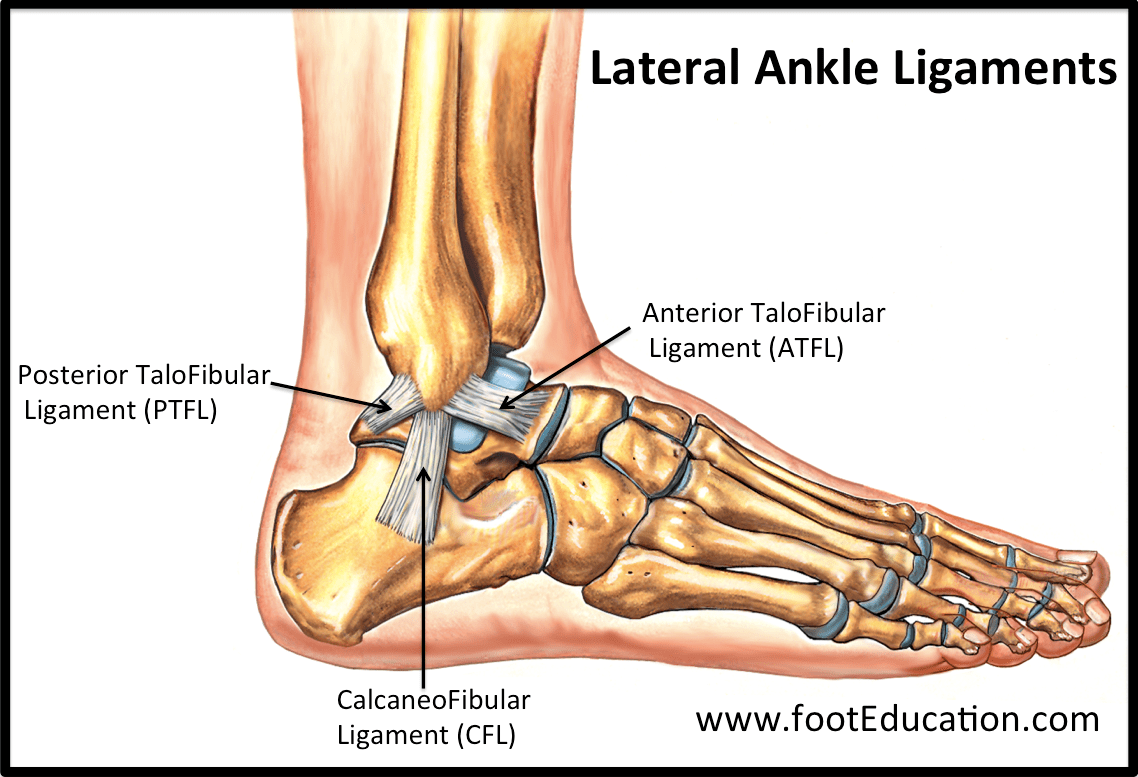
300
This artery travels through the transverse foramina of the cervical vertebrae
vertebral artery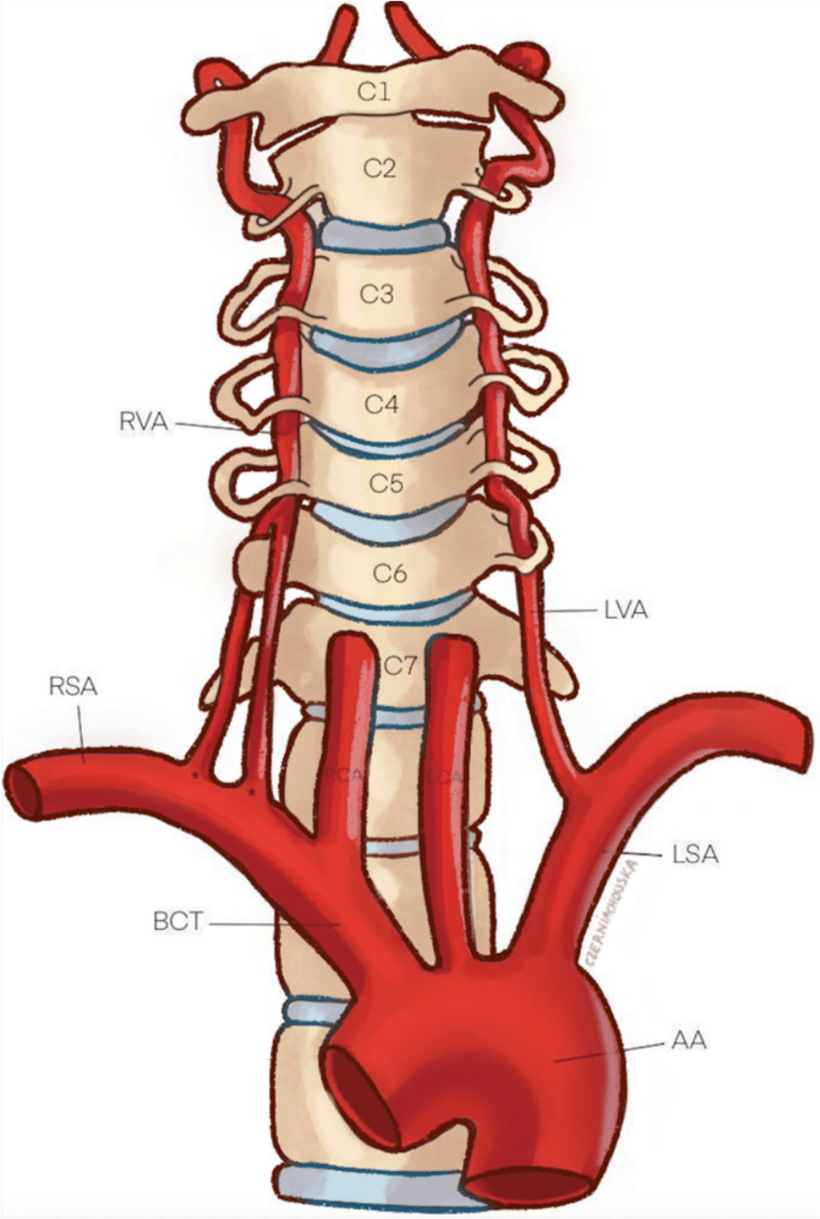
300
This gait measurement is defined as the distance between one heel strike and the next heel strike of the same foot.
stride length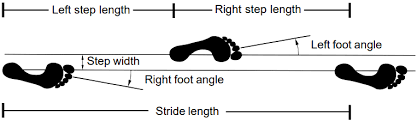
400
This muscle assists with hip flexion, abduction, and lateral rotation and is part of the "tailor's position."
the sartorius
400
The ______ muscle unlocks the knee out of the ________ mechanism
Popliteus muscle, unlocks the screw home mechanism:
The screw-home mechanism is a biomechanical function of the knee that "locks" the joint/ externally rotates the tibia into place when fully straightened. This automatic rotation allows you to stand for long periods without constantly engaging your leg
400
These muscle(s) eccentrically control how fast the tibia moves anteriorly from loading response through terminal stance
Gastroc-soleus
400
A line drawn across the iliac crests intersects this vertebral level.
L4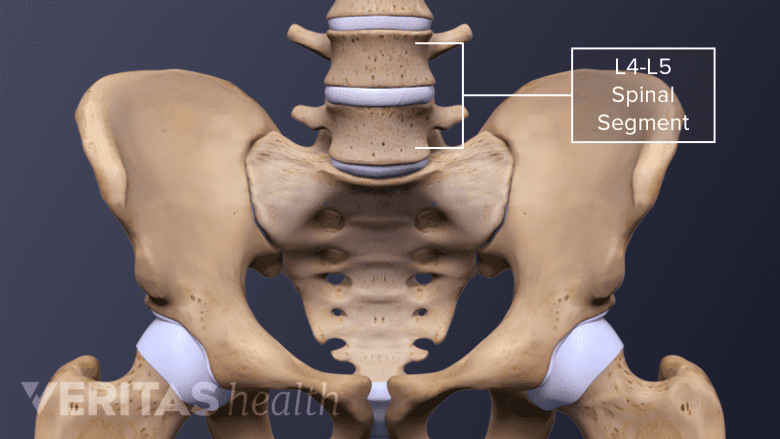
400
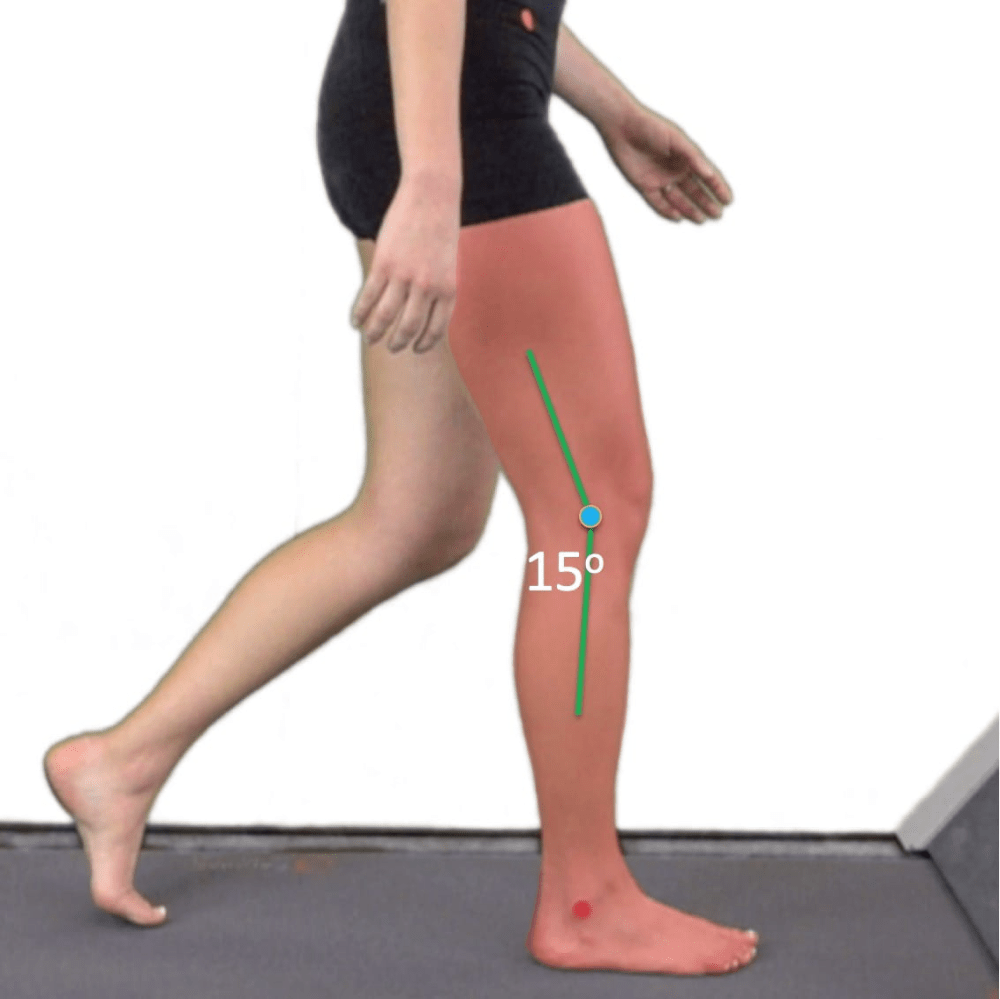
This is the Rancho Phase of Gait where shock is absorbed as forward momentum is preserved, and a foot-flat position is achieved.
Loading Response
500
Name the 6 major, deep, hip external rotators
Piriformis (1), Obturator internus(2), obturator externus (3), Superior (4) and inferior Gemellus (5), Quadratus Femoris. (6)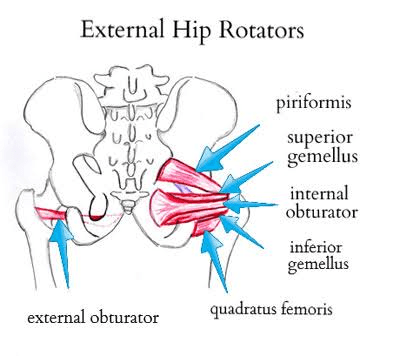
500
The PCL connect from the _____ aspect of the femur to the _____ aspect of the tibia, and prevents ______ motion of the tibia on the femur
anterior femur to posterior tibia --> prevents posterior translation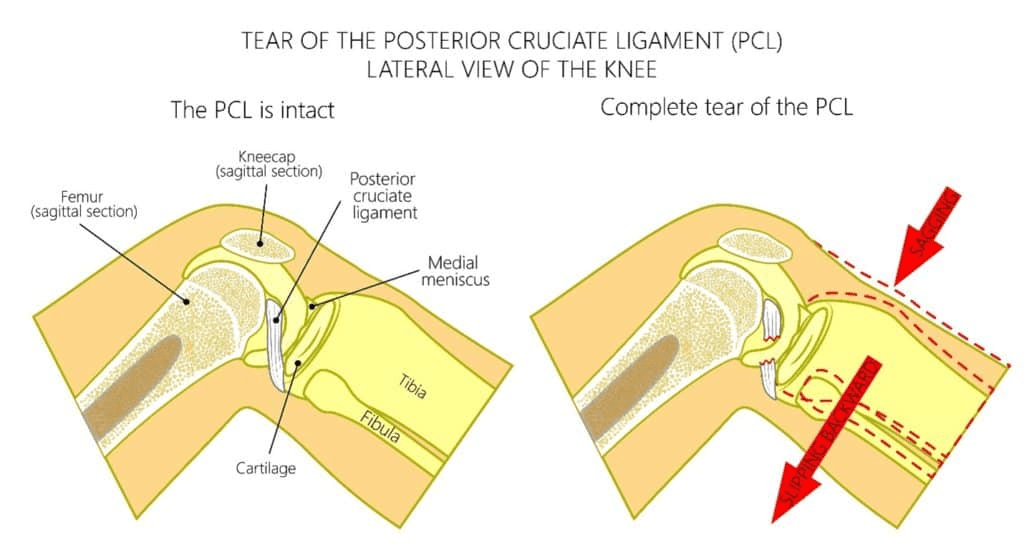
500
This muscle primarily inserts on the navicular and medial cuneiform, and is important in the dynamic stabilization of the medial longitudinal arch
The Posterior Tibialis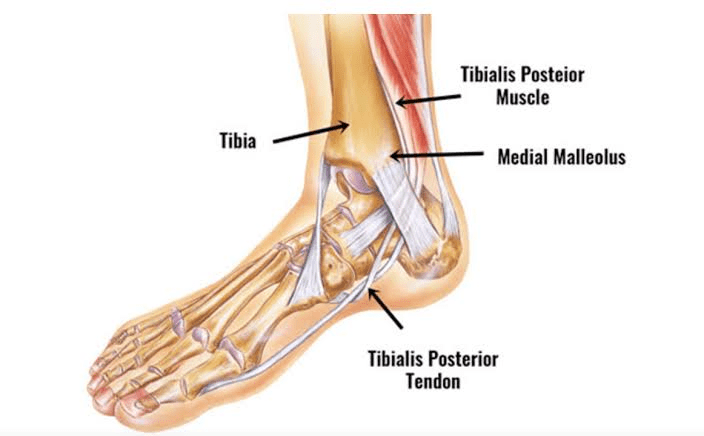
500
A clinician asks a student to identify the muscle group primarily responsible for maintaining upright posture against gravity throughout the day.
the erector spinae muscles
500
What phase(s) of gait is the glute medius most active?
Bonus: If the glute medius is weak, what is the gait deficit called?
Midstance ( and terminal stance)
Contralateral hip drop/ Trendelenburg gait pattern