Microscopes
Properties of Water
Resources
Populations and Succession
Water and Carbon
Cycles
Cycles
Energy in Ecosystem
100
TRUE or FALSE
You can view a live specimen when using the Transmission Electron Microscope (TEM)
FALSE! Because you are using a beam of electrons the specimen cannot be alive.
100
Solid water becomes ________ dense than liquid water and will float on its surface
Solid water becomes LESS dense than liquid water and will float on its surface
100
TRUE or FALSE
The use of renewable resources do not cause environmental harm.
FALSE! Clearing of land for solar farms or wind turbines can destroy entire ecosystems.
100
The last stage of an ecological succession.
Climax community
100
Which carbon cycle process is primarily responsible for removing carbon dioxide from the atmosphere?
Photosynthesis
100
In which direction does energy flow in the energy pyramid?
Up. From prey to predator. This is represented by arrows within the energy pyramid.
200
Which TWO microscopes produce a 3D image?
Dissecting microscope and Scanning Electron Microscope (SEM)
200
__________ is when water bonds to other molecules and _________ is when water molecules bonds to other water molecules.
ADHESION is when water bonds to other molecules and COHESION is when water molecules bonds to other water molecules.
200
One positive and one negative for use of renewable resources.
Positive- Clean energy- no CO2 emissions; sustainable
Negative- High cost; destroy ecosystems due to land clearing
200
What determines the carrying capacity of a population?
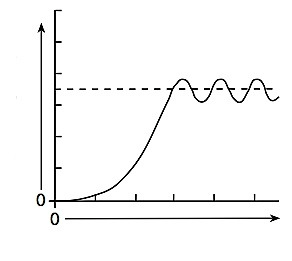
Limiting factors/available resources
200
A tree falls in a forest and begins to decay. Over time, fungi and bacteria break down the tree's tissues, releasing carbon dioxide into the atmosphere.
Which process is directly responsible for the release of carbon dioxide in this scenario?
Decomposition
200
If biodiversity decreases within an ecosystem, what will happen to the ecosystem?
The ecosystem will become UNSTABLE and WEAKEN or COLLAPSE.
300
What are TWO differences between the Compound Microscope and the Transmission Electron Microscope (TEM)?
Compound- uses light, live specimen, 1000x magnification
TEM- uses electrons, dead specimen, 50,000x magnification
300
When carbon dioxide is taken in by the oceans through the process of diffusion, which property of water supports this?
Universal Solvent
300
__________ is an energy resource that is not replaced or is replaced very slowly by natural processes. Name TWO examples.
Nonrenewable energy- oil, coal, natural gas
300
A new species is introduced into an ecosystem and has begun to spread rapidly causing harm to the environment. What affect will this species have on biodiversity
Invasive Species
300
Name three of the five processes that emit (release) carbon into the atmosphere. Name all 5 for additional points for your team!
Cellular Respiration
Death/ Decomposition
Combustion
Burning
Diffusion
300
A grasshopper obtains 1,000 units of energy by eating plants. Only about 100 units become available to the frog that eats the grasshopper.
Why is it that most of the energy is not transferred to the frog?
The energy is either lost to the environment as heat or used by the grasshopper in metabolism
400
The image below shows the muscles of the heart at work. Which microscope produced this image?
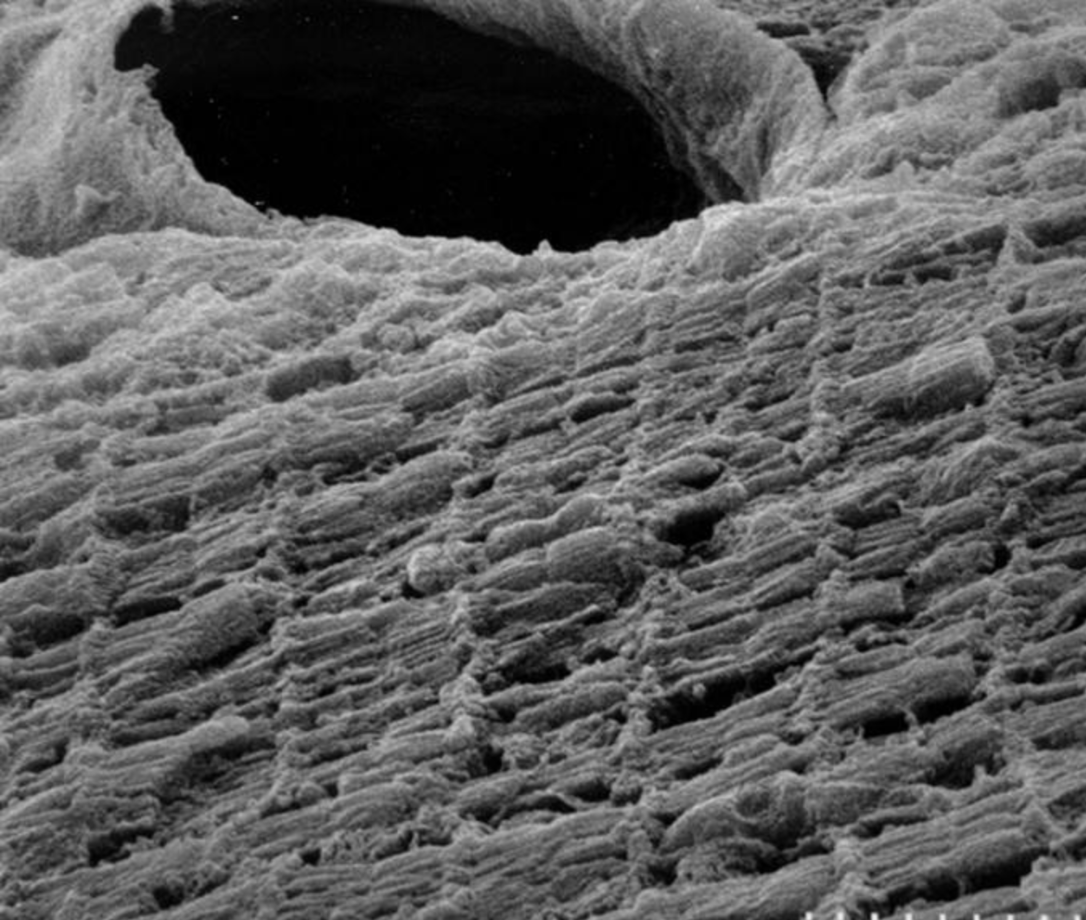
Scanning Electron Microscope
400
Name ALL four properties of water!
Cohesion
Ability to moderate temperature
Expansion upon freezing
Universal solvent
400
Two positive and TWO negative for the use of renewable resources.
Positive- replenishable, reduces greenhouse gas emissions
Negative- expensive; not available 24/7
400
A glacier receded and left behind rocks- what type of succession would occur?
Primary Succession
400
___________ is when the oceans constantly take in AND release carbon dioxide (CO2) with the atmosphere
Diffusion
400
In a meadow ecosystem, rabbits feed on grasses and are an important food source for foxes. A disease causes the rabbit population to decrease significantly. Which outcome is most likely?
A. The grass population increases because fewer rabbits are eating it.
B. The fox population increases because fewer rabbits compete for food.
C. The grass population decreases because less energy enters the ecosystem.
D. The fox population immediately increases because more energy becomes availa
A. The grass population increases because fewer rabbits are eating it.
500
During a biology lab, a student collects a sample of pond water and places a drop on a glass slide. The student wants to observe living microorganisms in the water and compare their size and shape. The student needs to magnify the organisms while allowing light to pass through the sample. Which microscope should the student use?
Compound Light Microscope
500
In northern lakes, the surface water freezes during the winter months creating an insulated barrier to keep the water below slightly warmer allowing life to survive. Which water property allows this?
Expansion upon freezing
500
Which of the following best describes a benefit of non-renewable energy use?
A. Scientific advances now allow us to synthesize fossil fuels, making them renewable.
B. Ecosystems will be healthier as dangerous chemicals in fossil fuels are extracted for use as energy.
C. Removing these energy sources will stabilize the abiotic factors in the ecosystem, making them more resilient to change
D. The infrastructure to distribute and use this energy is already in place, therefore fewer surrounding environments need to be disturbed.
D. The infrastructure to distribute and use this energy is already in place, therefore fewer surrounding environments need to be disturbed.
500
A landslide removes vegetation from the side of a mountain but leaves much of the soil behind. Within a few years, grasses and wildflowers begin growing. Which type of succession is likely occuring
Secondary succession
500
A large area of forest is cleared for development. Fewer plants are available to absorb carbon dioxide through photosynthesis. What is the most likely effect on the carbon cycle?
A. Atmospheric carbon dioxide will tend to increase.
B. Atmospheric carbon dioxide will tend to decrease.
C. Carbon will stop moving between organisms.
D. Decomposers will no longer release carbon dioxide.
A. Atmospheric carbon dioxide will tend to increase.
500
A scientist studies a newly discovered ecosystem and finds bacteria, insects, and larger animals. However, she finds very few organisms capable of producing their own food. Why could this be a problem for the ecosystem?
A. Consumers would have more energy available.
B. Decomposers would stop recycling nutrients.
C. There would be less energy entering the ecosystem
D. Energy would increase at higher trophic levels.A. There would be less energy entering the ecosystem.
C. There would be less energy entering the ecosystem