LGM to CE
Classical (1 CE-1500)
Colonial (1500-1800)
Industrial (1800-1900)
Contemporary (1900-)
100

Disappearing around 9,000 years ago, the lack of adequately-sized food was nothing to grin at for this ferocious feline.
Smilodon or Saber-toothed cat (if no one can get the proper name)
100

The largest bird in African history, this Malagasy avian was a browsing herbivore gone with deforestation.
Elephant Bird
100

Hunted and predated to extinction by the Dutch and their pets in the 1600s, these flightless birds are synonymous with stupidity
Dodo
100

Going extinct due to the advent of modern firearms, this starry ursid inhabited parts of the Ottoman Empire until 1834.
Atlas Bear/North African Brown Bear
100

This bird, once endemic to North America, had a name referring to its migratory patterns of 'passing by'. Here is a photo of the last known specimen, Martha, on display at the Smithsonian Museum of Natural History.
Passenger Pigeon
200

Disappearing around 11,000 years ago, this large land mammal's name means literally 'Breast Tooth'
Mastodon
200

Going extinct during the decline of the Roman Empire in 370, aridification of Algeria and Libya probably was the downfall of this petite pachyderm.
The North African Elephant
200
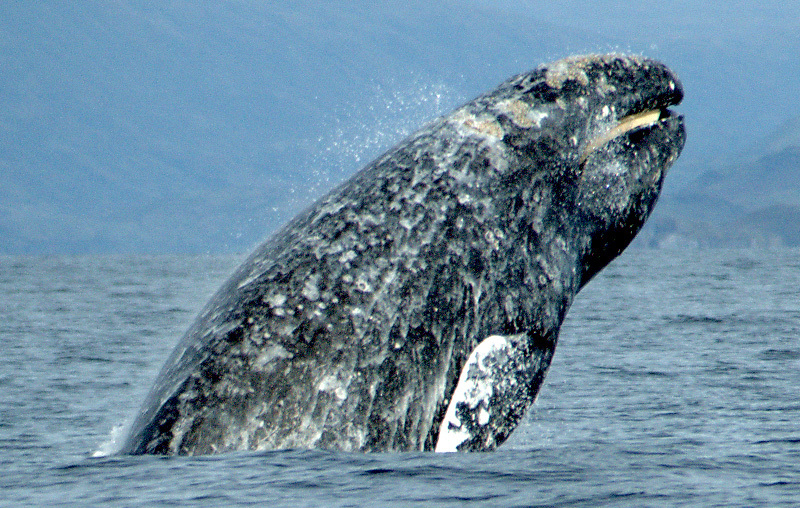
Hunted to extinction in the Atlantic in the 1700s, this species of Marine Mammal still inhabits the Northern Pacific
The Grey Whale
200

Depicted here by the great James Audubon, these birds similar to ducks inhabited much of the American and European Atlantic Coast
Great Auk
200

The only species of parrot native to the USA, this colorful parakeet went extinct in 1918 due to hunting and competition with bees.
Carolina Parakeet
300

Going extinct around 12,000 years ago, this group was made up the largest land mammals in history, reaching 22 feet tall.
Giant Ground Sloths
300

Hunted to extinction in the 15th century by the newly-arrived Māori People, this New Zealand bird was the largest to live alongside humans.
Moa
300
This was the number one cause of extinction during the period of colonial Empires.
Predation and competition by introduced species (rats, cats, etc.)
300

Going extinct shortly after it's namesake's famous Galapagos visit, this big bird died due to introduced predators on the canopy floor.
Darwin's Large Ground Finch
300
Apart from humans, approximately how many Great Ape individuals remain on Earth?
About half a million, all of which are critically endangered.
400
This massive species, long thought to have died out with the Ice Age, actually existed on an isolated island in present-day Russia until around 1700 BCE.
Wooly Mammoth
400
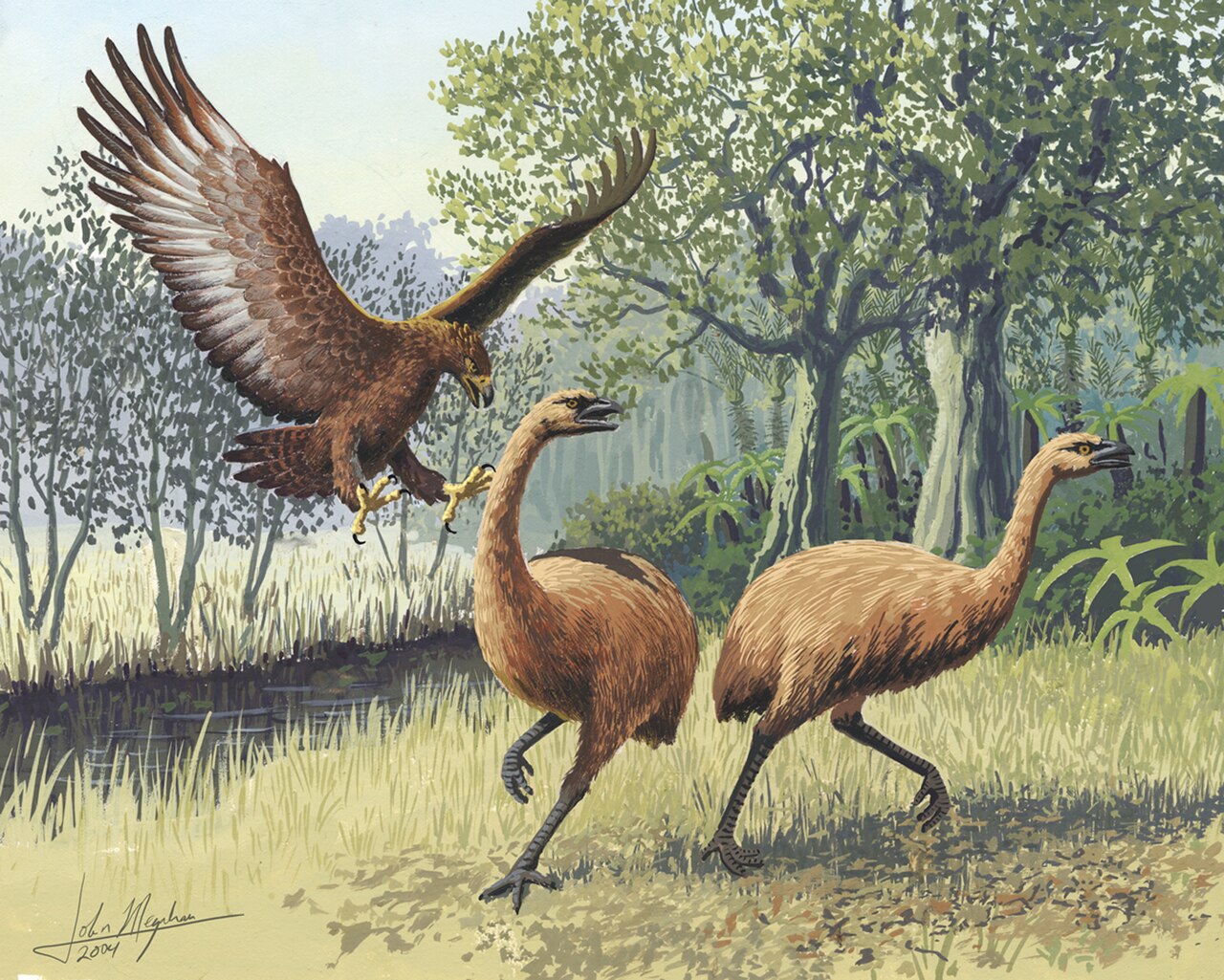
Dying out due to the overhunting of its prey, the largest predatory bird in human history made a faast departure
Haast's Eagle
400

Hunted to extinction in South Africa at the end of the 18th century, this colorfully named cervid must have been saddened by its fate.
Bluebuck
400
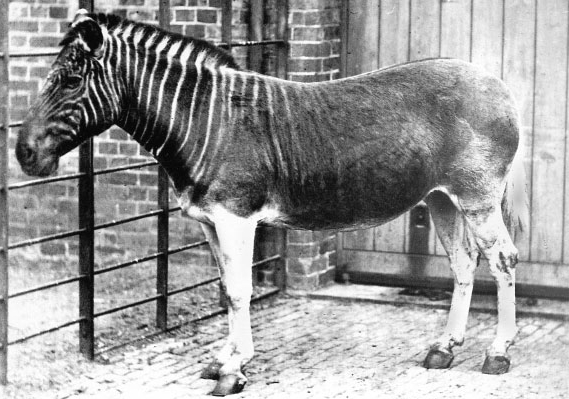
A strange hybrid of Zebra and Horse? Not at all, this distinct equid (who's only photographed living specimen is placed here) was native to South Africa.
Quagga
400
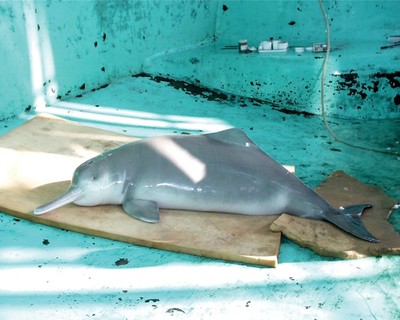
Dying out in 2002, this extinct species of cetacean swam throughout the Yangtze.
Chinese River Dolphin
500
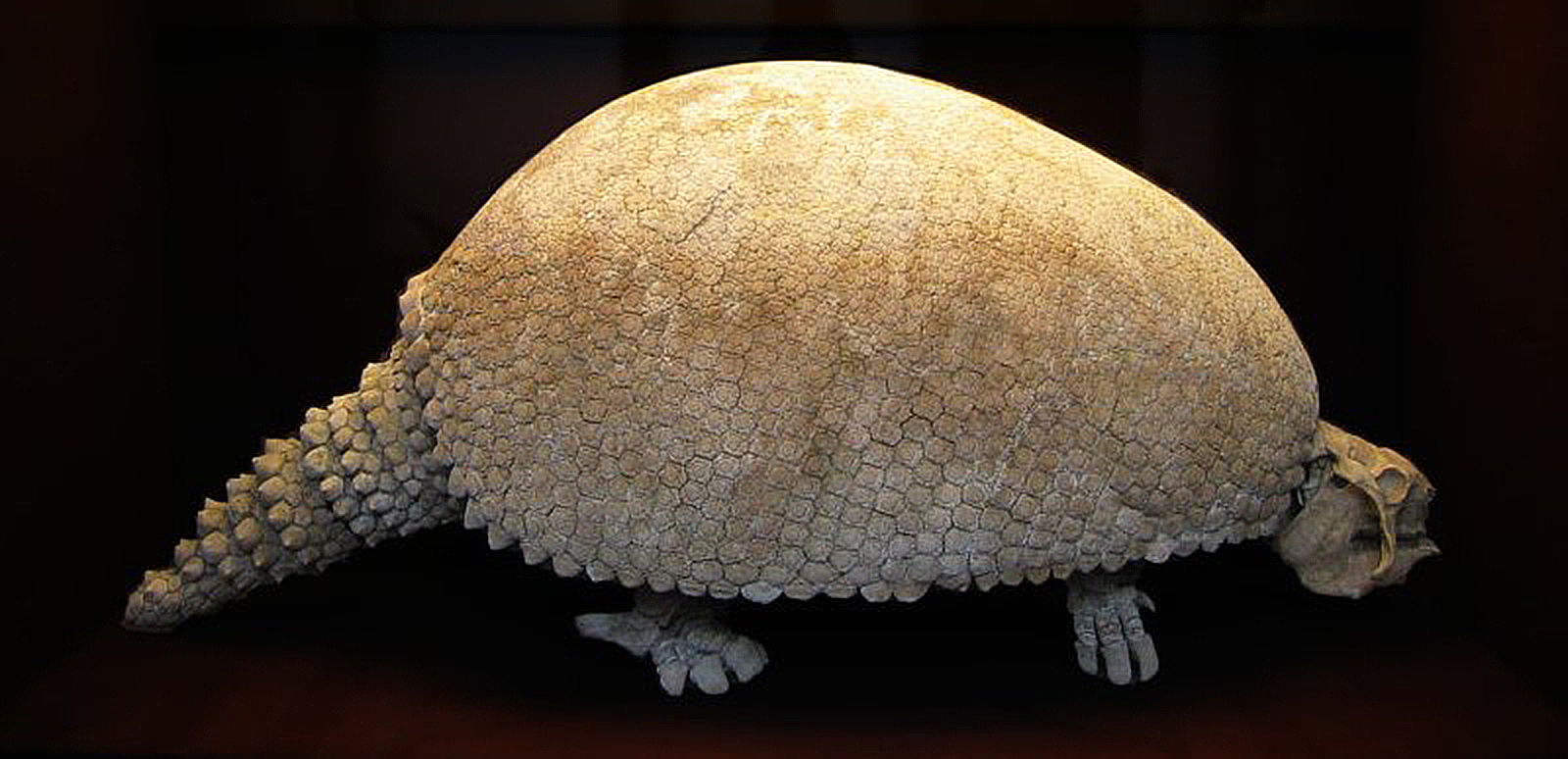
Ancestors to modern-day armadillos, this large, shelled mammal went extinct right as humans arrived in South America.
Glyptodon
500
One of the first examples of human-caused plant extinction, this bush went extinct due to the introduction of rats on [Easter Island] in 1650.
Rapa Nui Palm
500

An example of consequential imbalance, this sirenian went extinct as a result of a reduction of kelp as a result of sea otter hunting in Kamchatka, which caused proliferation of kelp-eating sea urchins. This led to loss of hiding from being hunted.
Stellar's Sea Cow
500

This species of Canine was hunted to extinction via a furious campaign by the Japanese government in the 1860s following a number of horse killings.
Ezo Wolf or Hokkaido Wolf
500
Approximately how many species go extinct every year?
~8,000 (though some estimates range from 2,000 to 15,000)