Name it!
Practice it!
The 5 Senses
Tell me about...
BONUS ROUND
100
This grounding skill uses cold or cool sensations to quickly help the body calm down.
Answer: What is temperature grounding?
Practice: ❄️ Imagine splashing cool water on your face or holding something cold. Tell me about it.
Psychoeducation: Cool sensations can slow the stress response in the body.
100
This calming practice uses slow breathing into your belly to help your body relax.
Answer: What is belly breathing?
Practice: Place one hand on your belly. Breathe in through your nose for 4, out through your mouth for 6 (repeat 2 times).
Psychoeducation: Slow breathing helps calm the nervous system and lower stress.
100
This sense can help calm your brain when you slowly look around and name 3 things you can see.
Answer: What is sight?
Practice: 👀 Look around and name 3 things you can see that feel calming or interesting.
Psychoeducation: Looking around helps your brain notice that you are safe right now.
100
Question: Tell me about a time your body felt calm or relaxed — what were you doing?
Examples:
Listening to music • Walking outside • Lying in bed
Psychoeducation: Your body remembers what helps it calm down.
100
What's your favorite relaxation technique?
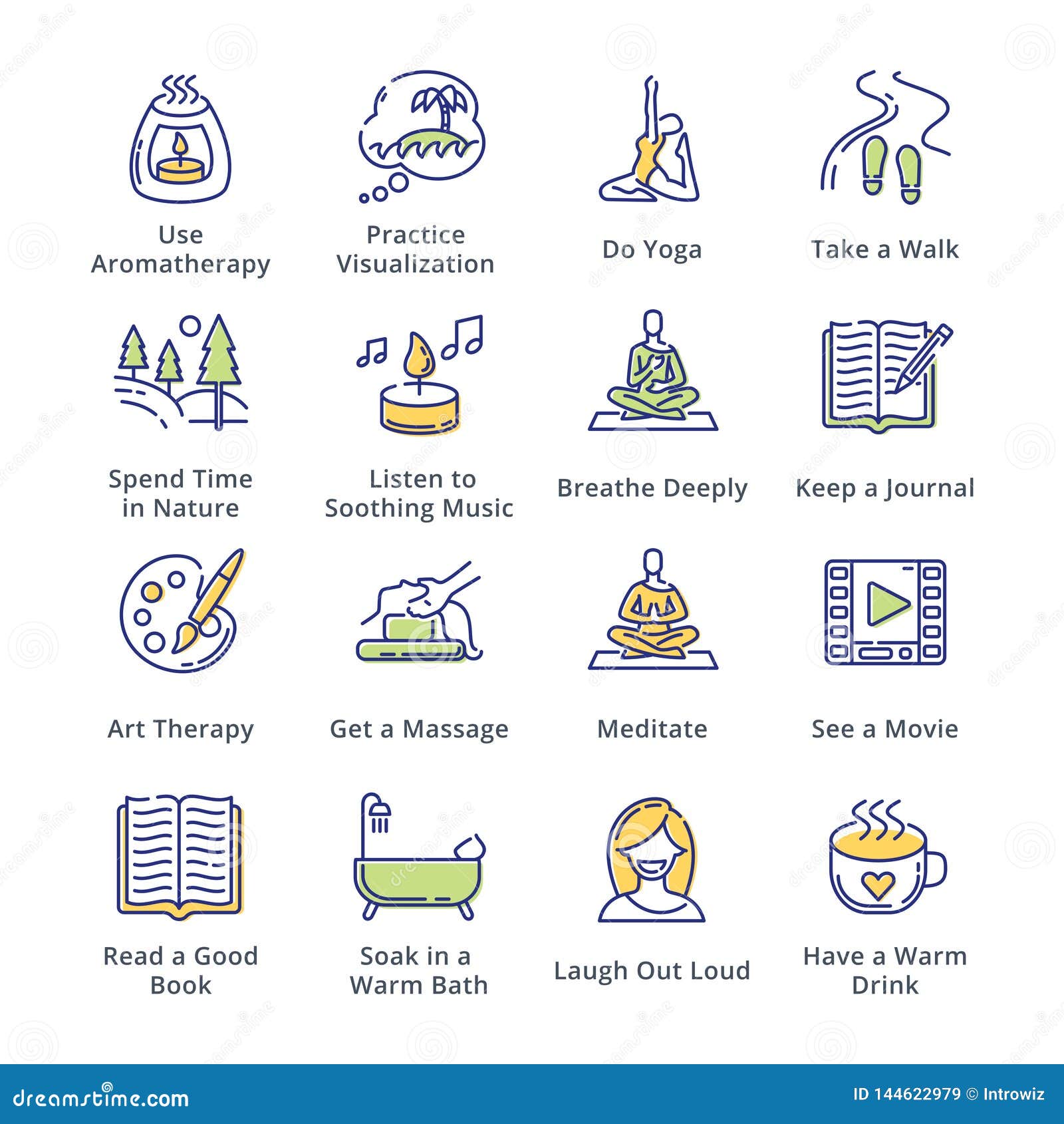 No wrong answers
200
This grounding skill helps calm the mind by naming what is happening in your body or emotions without judging it.
Answer: What is mindful noticing?
Practice: 🧠 Finish this sentence: “Right now, I notice…”
Psychoeducation: Naming experiences helps the brain feel more in control.
200
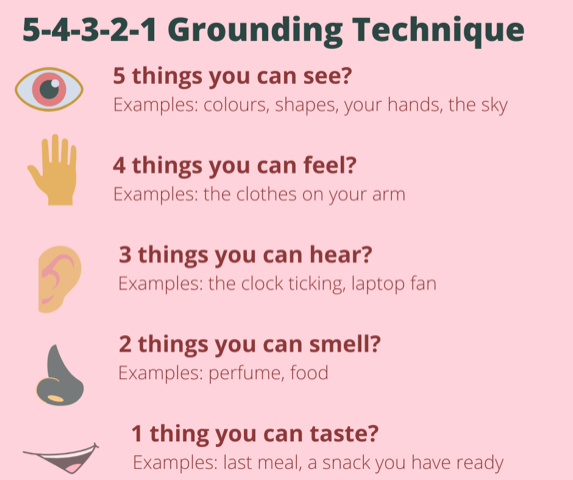
This grounding skill helps calm anxiety by using all five senses to focus on the present moment.
Answer: What is the 5-4-3-2-1 grounding technique?
Practice: Name 5 things you see, 4 feel, 3 hear, 2 smell, 1 taste.
Psychoeducation: Grounding brings your attention out of worry and back into the present.
200
This sense can help your body relax when you listen for soft or far-away sounds.
Answer: What is hearing?
Practice: 👂 Pause and listen — name 2 different sounds you hear.
Psychoeducation: Listening carefully can slow down your nervous system and help your body relax.
200
Tell me about a time you noticed your body giving you a signal that you were stressed or anxious.
Examples:
Fast heartbeat • Tight stomach • Feeling restless
Psychoeducation: Body signals are early signs that tell us when to use coping skills.
200
When should you use your skills?
When I feel stressed, anxious, worried, scared, upset, angry, tense, grumpy, overwhelmed or need to sleep!
Or any other time you want!
300
This grounding skill helps your brain feel safe by slowly looking around and noticing where you are.
Answer: What is orienting to the present?
Practice: 👀 Slowly turn your head and notice three things that tell you where you are. What are they?
Psychoeducation: Orienting helps the brain learn that the danger is not happening now.
300
This skill helps your body release stress by tightening and then relaxing muscles.
Answer: What is muscle relaxation?
Practice: Squeeze your fists tight for 5 seconds, then let go. Notice the difference.
Psychoeducation: Relaxing your muscles sends a message of safety to your brain.
300
This sense is strongly connected to memory and emotions — like imagining the smell of your favorite food, flower, or place.
Answer: What is smell?
Practice: 🌸 Close your eyes and imagine your favorite scent, then take one slow breath in.
Psychoeducation: Smells send fast messages to the emotion part of the brain and helps to calm it down.
300
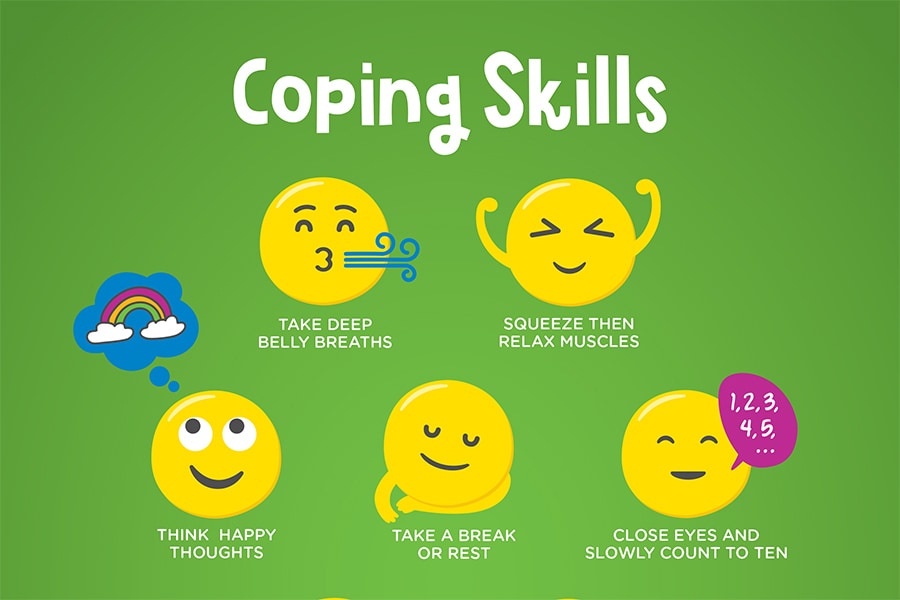
Tell me about a time you felt stressed or anxious and tried any coping skill.
Examples:
Deep breathing • Talking to someone • Taking a break
Psychoeducation: Trying a coping skill is success, even if the feeling didn’t go away.
300
What feelings do you notice in your body when you're getting anxious/nervous/worried?
Examples: Tense, shaking, stomach ache, headache, clenched jaw, sweating, red face or neck, etc.
400
This relaxation skill uses steady movement or rhythm to help the body calm.
Answer: What is rhythmic grounding?
Practice: 🟡 Gently tap your feet or hands in a slow, steady rhythm. What is your favorite tune?
Psychoeducation: Rhythm helps regulate the nervous system.
400
This practice uses imagination to help your mind feel calm and safe.
Answer: What is a safe or calm place visualization?
Practice: Close your eyes and picture a place where you feel calm. Notice colors, sounds, and feelings. Tell me about your safe & calm place.
Psychoeducation: Your brain can respond to imagined safety almost like real safety.

400
This sense helps with mindfulness when you slowly notice flavor, texture, and temperature.
Answer: What is taste?
Practice: 🍎 Imagine a bite of your favorite food — what do you notice first?
Psychoeducation: Paying attention to taste keeps your mind in the present moment.
400
Tell me about a coping skill that surprised you by helping more than you expected.
Examples:
Breathing helped • Stretching helped • Music helped
Psychoeducation: The brain learns calm through practice.
400
Say the phrase!
"I am enough!"
You are enough just the way you are!
500
This grounding skill helps you calm yourself using comforting actions or kind self-talk.
Answer: What is self-soothing?
Practice: 🤍 Place a hand over your heart or give yourself a quiet, kind message.
Psychoeducation: Comfort signals help the brain feel safe and supported.
500
This calming skill uses physical sensations to help your body feel steady and grounded.
Answer: What is grounding through touch?
Practice: Press your feet into the floor or hold an object and describe how it feels.
Psychoeducation: Physical sensations help anchor your body in the here and now.
500
This sense helps your body feel safe by noticing physical sensations like pressure or warmth.
Answer: What is touch?
Practice: ✋ Press your hands together (press hard!) for 5 seconds, then relax.
Psychoeducation: Deep pressure tells your body it is okay to calm down.
500
Tell me about a time you helped your body feel safer, even if you were still nervous.
Examples:
Asking for help • Positive Self-talk • Holding something comforting
Psychoeducation: Feeling safer helps your body handle big feelings.
500
Say the phrase!
"I don't have to be perfect to be great."
No one is perfect, you are amazing just the way you are!