Preguntas de Sí o No (Yes-No Questions)
Vocabulario del Aula (Classroom Vocabulary)
Conversación Básica (Basic Conversation)
Formal o Informal (Formal or Informal)
Personas Famosas (Famous People)
5
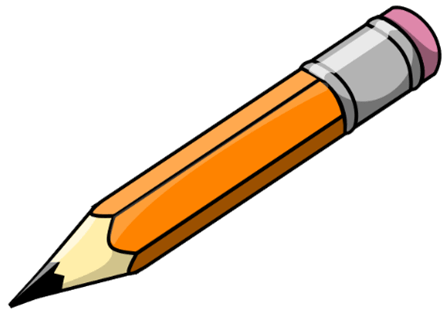
¿Hay un bolígrafo?
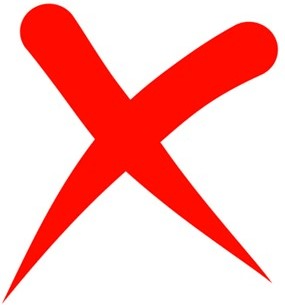
(Answer in a complete sentence starting with the Spanish word for "No.")
No, no hay un bolígrafo.
5
¿Cómo se dice goma de borrar en inglés?
Se dice eraser.
5
¿Cómo se dice mucho gusto en inglés?
Se dice pleased to meet you.
5
What question should you use to ask a delivery man where he is?
A. ¿De dónde eres?
B. ¿De dónde es usted?
C. ¿Dónde está usted?
D. ¿Dónde estás?
C. ¿Dónde está usted?
5
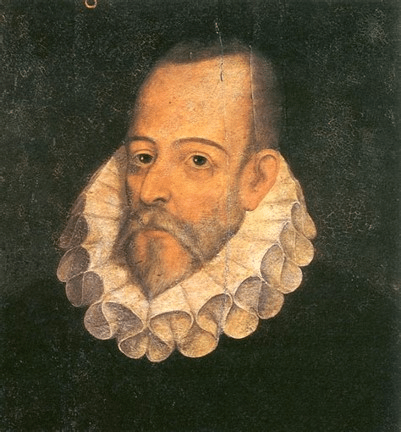
¿Cómo se llama él?
A. Se llama Miguel de Cervantes.
B. Se llama Roberto Clemente.
C. Se llama Lionel Messi.
D. Se llama Pablo Picasso.
A. Se llama Miguel de Cervantes.
10
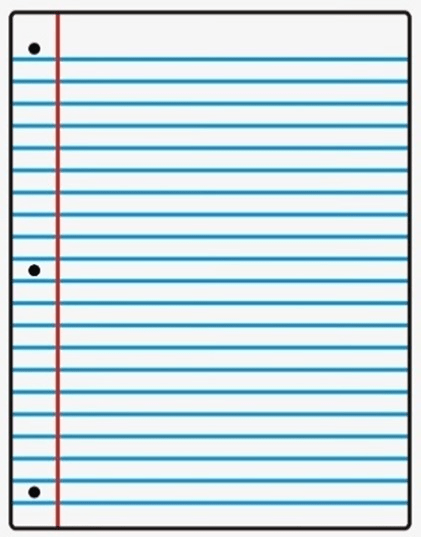
¿Hay papel?
(Answer in a complete sentence starting with the Spanish word for "Yes.")
Sí, hay papel.
10
¿Cómo se dice bolígrafo en inglés?
Se dice pen.
10
¿Cómo te llamas?
(Answer the question in a complete Spanish sentence.)
Me llamo ___.
10
Which question should you use to ask the principal how he is doing?
A. ¿Cómo estás?
B. ¿Cómo está usted?
C. ¿Qué pasa?
D. ¿Qué tal?
B. ¿Cómo está usted?
10

¿Cómo se llama él?
A. Se llama Miguel de Cervantes.
B. Se llama Roberto Clemente.
C. Se llama Lionel Messi.
D. Se llama Pablo Picasso.
C. Se llama Lionel Messi.
20
¿Te llamas Marti?
(Answer in a complete sentence starting with the Spanish word for "No.")
No, no me llamo Marti.
20
¿Cómo se dice grapadora en inglés?
Se dice stapler.
20
¿Cómo estás?
(Answer the question in a complete Spanish sentence.)
Estoy ___.
(muy) bien
regular/más o menos
terrible/(muy) mal
20
Which question should you use to ask a new student what his name is?
A. ¿Cómo está usted?
B. ¿Cómo estás?
C. ¿Cómo se llama usted?
D. ¿Cómo te llamas?
D. ¿Cómo te llamas?
20
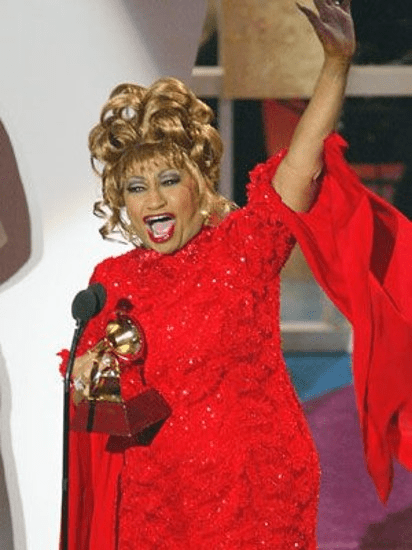
¿Cómo se llama ella?
A. Se llama Celia Cruz.
B. Se llama Amalia Hernández.
C. Se llama Frida Kahlo.
D. Se llama Eva Perón.
A. Se llama Celia Cruz.
30
¿Estás bien?
(Answer in a complete sentence starting with the Spanish word for "Yes.")
Sí, estoy bien.
30
¿Cómo se dice book en español?
Se dice libro.
30
¿Cómo se dice good afternoon en español?
Se dice buenas tardes.
30
What question should you use to ask a new teacher where she is from?
A. ¿De dónde eres?
B. ¿De dónde es usted?
C. ¿Dónde está usted?
D. ¿Dónde estás?
B. ¿De dónde es usted?
30
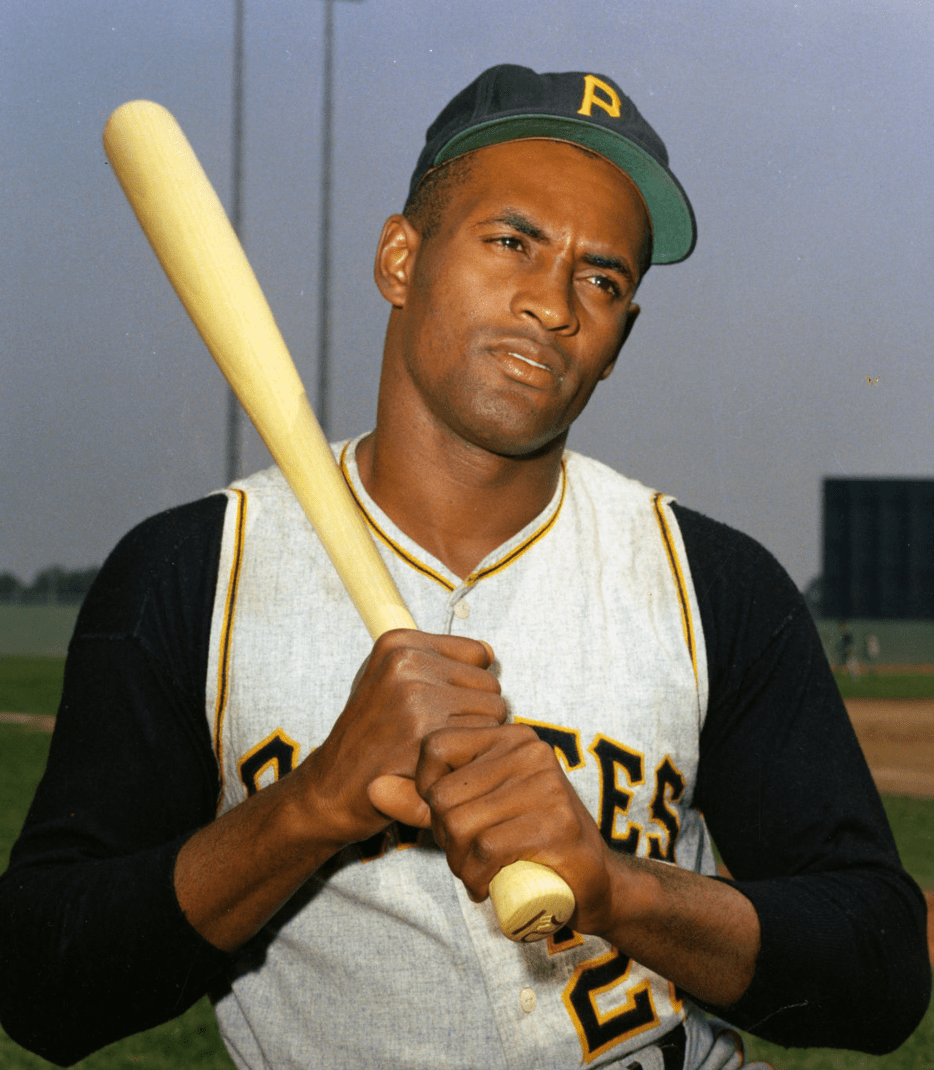
¿De dónde es él?
A. Es de Argentina.
B. Es de España.
C. Es de México.
D. Es de Puerto Rico.
D. Es de Puerto Rico.
40
¿Te gusta pintar?
(Answer in a complete sentence starting with the Spanish word for "No.")
No, no me gusta pintar.
40
¿Cómo se dice scissors en español?
Se dice tijeras.
40
¿Cómo se dice hasta pronto en inglés?
Se dice see you soon.
40
What question should you use to ask your grandmother where she is?
A. ¿De dónde eres?
B. ¿De dónde es usted?
C. ¿Dónde está usted?
D. ¿Dónde estás?
D. ¿Dónde estás?
40
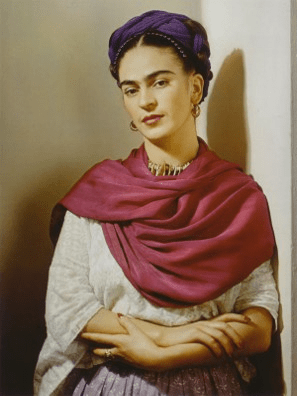
¿De dónde es ella?
A. Es de Argentina.
B. Es de Cuba.
C. Es de México.
D. Es de Puerto Rico.
C. Es de México.
50
¿Puedo ir a la enfermería?
(Answer in a complete sentence starting with the Spanish word for "Yes.")
Sí, puedes (ir a la enfermería).
50
¿Cómo se dice notebook en español?
Se dice cuaderno.
50
¿Cómo se dice see you tomorrow en español?
Se dice hasta mañana.
50
Which question should you use to ask your best friend what she likes to do?
A. ¿A ella qué le gusta hacer?
B. ¿A usted qué le gusta hacer?
C. ¿Qué me gusta hacer?
D. ¿Qué te gusta hacer?
D. ¿Qué te gusta hacer?
50

¿A él qué le gusta hacer?
A. Le gusta cantar (sing).
B. Le gusta escribir (write).
C. Le gusta jugar al fútbol (play soccer).
D. Le gusta pintar (paint).
B. Le gusta escribir (write).