Respiratory system
Respiratory system 2
Respiratory system 3
Respiratory system 4
Respiratory system 5
100
Commonly called the windpipe. This structure is strengthened by rings of cartilage.
trachea
100
smaller branches of the bronchial tree that enter the lungs
Bronchioles
100
This process decreases air pressure in the lungs and causes air to rush into the lungs.
Inhalation
100
List the pathways of carbon dioxide out of the body using the following words: bronchi, alveoli, trachea, nose/mouth, bronchioles
alveoli, bronchioles, bronchi, trachea, nose/mouth
100
What is the number one cause of lung disease/damage?
Smoking/Vaping
200
These air passages are located at the bottom of the trachea, where it divides. They lead into the lungs.
bronchi
200
The voicebox
larynx
200
What are the tiny hairs that move back and forth along the trachea called?
Cilia
200
What system helps the rib cage move up and out in order for the lungs to fill with air?
muscular system
200
A respiratory illness in which the bronchial tubes are inflamed, causing coughing and difficulty breathing. It can be caused by bacteria, viruses, or irritants in the air (ex: smoke)
bronchitis
300
What is the name of the large muscle that contracts and relaxes to allow air into and out of the lungs?
diaphragm
300
the exchange of oxygen and carbon dioxide into and out of cells
respiration
300
During inhalation what does the diaphragm do?
Contracts and flattens
300
What system does oxygen go into when it leaves the Respiratory system?
Circulatory
300
Respiratory illness in which there is inflammation of the alveoli (air sacs) in the lungs. The alveoli fill with fluid, making gas exchange difficult. Causes coughing, chest pain, shortness of breath, and fever.
Pneumonia
400
This is a flap of tissue that covers the trachea and helps keep food and water from entering the lungs.
Epiglottis
400
The exchange of oxygen and carbon dioxide between the respiratory and circulatory systems occurs in the _____
alveoli
400
During Exhalation, what does the diaphragm do?
Relaxes and moves up
400
The part of the respiratory system that is connected to the nose and mouth and is shared with the digestive system.
Pharynx
400
chronic (long lasting) respiratory disorder in which inflammation causes narrowing of the bronchial tubes. This causes difficulty breathing and sometimes spasms in the bronchi. Can be treated with drugs that relax the bronchial tubes.
Asthma
500
tiny balloon-like sacs where gas exchange occur
Alveoli
500
This cellular process requires oxygen and creates energy for our cells
cellular respiration
500
List the pathway of oxygen through the respiratory system using the following words: bronchi, bronchioles, trachea, nose/mouth, alveoli
nose/mouth, trachea, bronchi, bronchioles, alveoli
500
What is the main organ of the respiratory system?
Lungs
500
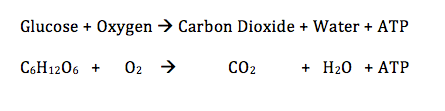 The formula above is the process of _______ _______, which is how our body creates ATP energy.
Cellular Respiration