Elements
Periodic Table
Atomic Structure
100
Define:
element
a type of substance that cannot be broken into simpler substances by heating it or causing it to react with other chemicals.
elements can be combined with other elements to form new substances.
100
What does this tell us on the periodic table?
(See the bright green box)
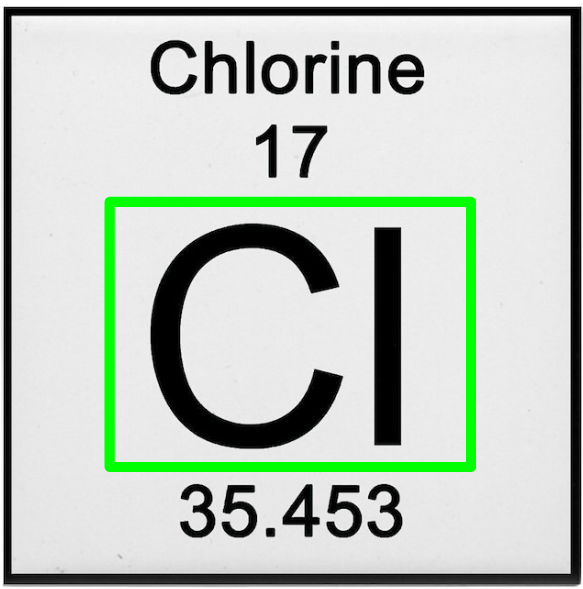
The abbreviation for the element.
100
What are the three components of an atom?
Protons, Neutrons, Electrons
200
What are the four Families of Elements?
Alkali Metals
Alkaline Earth Metals
Halogens
Noble Gases
200
What does this tell us on the periodic table?
(See the bright green box)
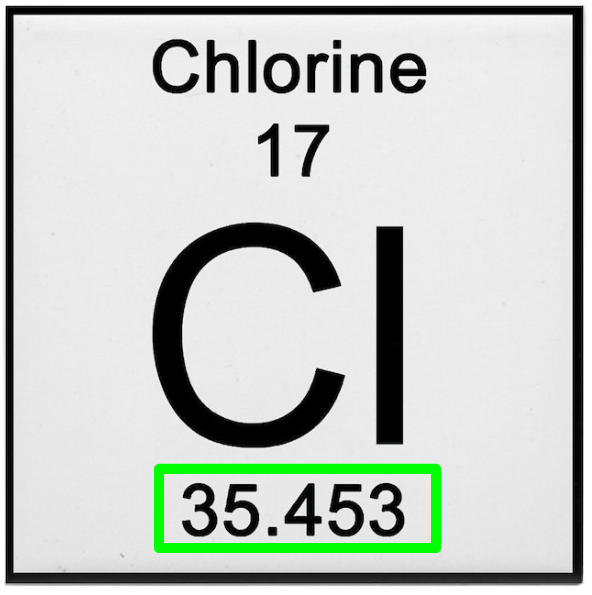
The atomic mass in amu.
200
What is the mass and charge of a proton?
Mass: 1 amu
Charge: Positive
300
Share at least one significant difference between Alkali Metals and Alkaline Earth Metals.
Alkali Metals: soft, lower melting points and densities
Alkaline Earth Metals: harder than their Alkali Metal neighbors on the periodic table, higher melting points and densities
300
What does this tell us on the periodic table?
(See the bright green box)
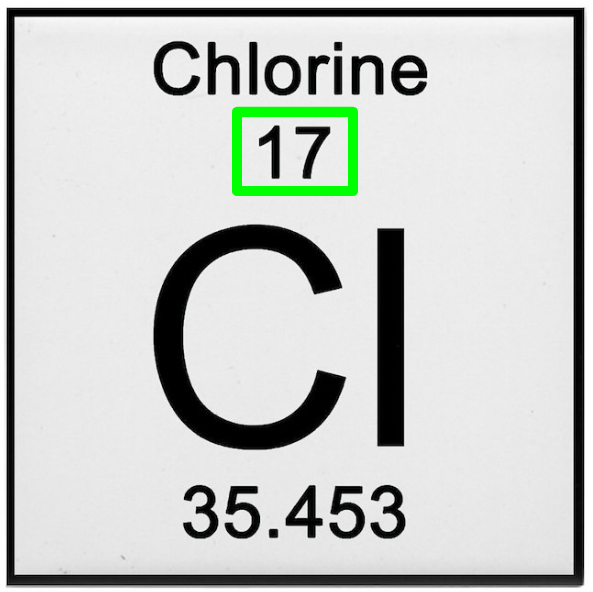
The number of protons in one atom of this element.
300
What is the mass and charge of a neutron?
Mass: 1 amu
Charge: none (neutral)
400
Name two defining characteristics of Halogens.
Reactive non-metals. Includes liquids, solids, and gases at room temperature.
400
What does the "staircase" tell us about elements on the periodic table?
Divides metals from nonmetals
400
What is the mass and charge of an electron?
Mass: 0 amu (so small it cannot yet be measured)
Charge: negative
500
Name three defining characteristics of Noble Gases.
Least reactive of the families, non-metals, low boiling points, rarely bond with other elements.
500
Describe the relationship between two "next-door neighbors" on the Periodic Table.
Alkaline Earth Metals are harder than the Alkali Metal elements they sit next to on The Periodic Table.
Horizontal rows on the table are called "periods"
500
What is the name of an atom that has a changed charge due to the loss or gain of electrons?
Ion