Elements
Parts of the Elements
More About the Elements
Artists & Cultures
Art Styles/Movements
Art Vocab & Techniques
100
The 7 things are the little things, the building blocks you need to make any kind of artwork.
The 7 elements
100
Line is divided into these 3 categories.
Size, Type & Direction
100
What is in the middle ground?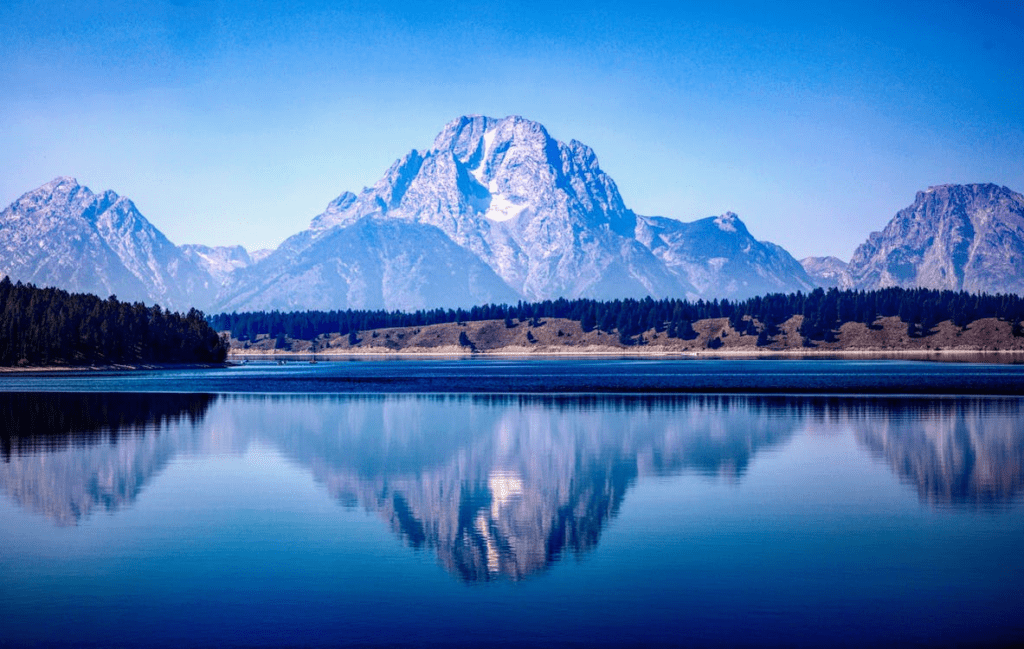
Trees/Hills
100
What is this an example of?
A Collage
100
This kind of art is made by gluing different things to a flat surface.
Collage
100
Red, Yellow, and Blue are what colors?
Primary
200
This element is a mark on a surface that has a beginning point and ending point.
Line
200
The kinds of shapes are used in math, have angles, and can be measured.
Geometric.
200
The element is made from light reflecting off of an object. Also called hue.
Color
200
Which Artist made this?

Keith Haring
200
What art movement was Keith Haring a part of?
Street art & Pop art
200
Orange, Green, and Violet are all __________ colors.
Secondary
300
The element is a 2-D closed configuration.
Shape
300
The plain in space is closest to the viewer.
Foreground
300
This element is the surface quality of an artwork.
Texture
300
Who is celebrated during Dia de los Muertos on November 1st?
Children who have passed
300
This is an arrangement of shapes closely fitted together, in a repeated pattern without gaps or overlapping
Tessellation
300
What do you get when you mix 2 primary colors together?
Secondary color.
400
Using all three categories, describe this line.
Thick, horizontal, zig-zag line.
400
The space is the focus of an artwork or the sculpture itself.
Positive
400
The plain of space that isn't the closest or the farthest from the view is called...
Middle Ground
400
This is an example of what?
An Ofrenda
400
This holiday is primarily celebrated in Mexico and celebrates the lives of loved ones who have passed.
Dia de los Muertos
400
This is an example of which type of value technique?
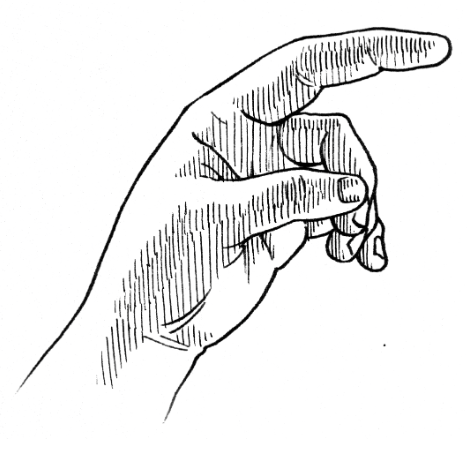
Hatching
500
The Element is the area in which objects are contained.
Space
500
The kind of space is the background (not the focus) in an artwork or the "air" or unused space in a sculpture.
Negative
500
What is another term used to describe an organic shape?
Freeform
500
Artist and Mathematician born in the Netherlands is most well known for his tessellations.
MC Escher
500
This kind of Tessellation is made when the shape repeats by moving or sliding.
Translation
500
This is an example of which value technique?
Cross-Hatching
600
The Element is shading to show light and dark.
Value
600
These are all examples of what?

Organic Shapes
600
What is the fancy term for color?
Hue
600
Which Artist made this?
MC Escher
600
This type of Tessellation is when the shape repeats by reflecting or flipping.
Reflection
600
This is an example of what value technique?
Stippling
700
This element is 3-D and is often mistaken for Shape.
Form
700
The plain of space is the farthest away from the viewer.
Background
700
Texture is divided into these two categories, one you can see and one you can feel.
Visual & Tactile
700
Who is this?

La Catrina
700
This kind of Tessellation is made when the shape repeats itself by spinning.
Rotation
700
Which colored pencil blending technique is made by adding layers of color on top of each other until you get a waxy finish?
Burnishing