Anatomy
DSM-5
Pathophysiology
Neurotransmitters
Hormones
100
This brain structure is strongly involved in fear and threat detection.
Amygdala
100
Persistent sadness or loss of interest for at least two weeks is characteristic of this disorder.
Major Depressive Disorder
100
The body's rapid "fight-or-flight" response is primarily driven by this branch of the autonomic nervous system.
Sympathetic nervous system
100
This neurotransmitter is commonly associated with mood, anxiety, and sleep regulation.
Serotonin
100
This hormone helps regulate the sleep-wake cycle and is produced by the pineal gland.
Melatonin
Bonus - This hormone can be produced excessively when too much of what compound is ingested?
200
This brain region is involved in judgment, impulse control, planning, and decision making.
Prefrontal cortex

200
Excessive, difficult-to-control worry occurring more days than not for at least six months characterizes this disorder.
Generalized anxiety disorder
200
This brain process allows neural connections to strengthen or weaken in response to experience.
Neuroplasticity
200
This neurotransmitter plays a major role in reward, motivation, and psychosis.
Dopamine
200
This hormone is released during acute stress and increases heart rate and alertness.
Epinephrine
300
This structure plays a major role in memory formation and contextual learning.
Hippocampus
300
Recurrent unexpected sympathomimetic attacks followed by persistent concern or behavioral changes characterize this disorder.
Panic disorder
300
This process describes the brain's adaptation to repeated exposure to a drug, requiring more of it to achieve the same effect.
Tolerance
300
This is the primary inhibitory neurotransmitter in the central nervous system.
GABA
Bonus - What class of medicine works on GABA receptors?
300
This hormone is involved in the brain's reward system and can increase in response to addictive substances and rewarding experiences.
Dopamine
400
This brain structure is involved in reward, motivation, and reinforcement learning.
Nucleus accumbens
:background_color(FFFFFF):format(jpeg)/images/article/nucleus-accumbens-en/t1U8Hbeua8fcilvP8fIg_Nucleus_accumbens___magni.jpg)
400
This disorder involves episodes of mania or hypomania along with episodes of depression.
Bipolar disorder
-Bonus - how many different types of bipolar disorders?
400
The inability to experience pleasure or diminished interest in normally rewarding activities is called this.
Anhedonia
400
This is the primary excitatory neurotransmitter in the central nervous system.
Glutamate
400
Chronic elevation of this hormone can contribute to anxiety, sleep disturbance, and changes in mood.
Cortisol
Bonus - what organ produces this hormone?
500
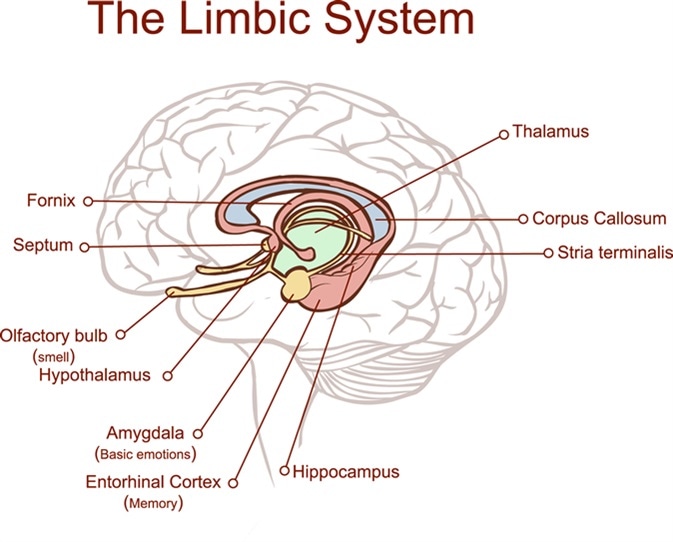
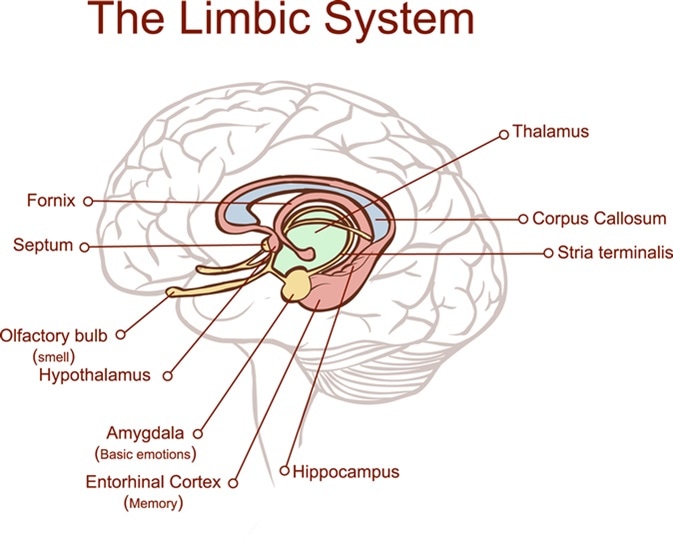
This group of interconnected brain structures includes the amygdala and hippocampus and is broadly associated with emotion and motivation.
Limbic system
500
his personality disorder features a rigid focus on rules and details that often stops tasks from getting finished.
Obsessive Compulsive Personality disorder
500
This system links the hypothalamus, pituitary gland, and adrenal glands and plays a central role in the body's response to stress.
HPA axis
500
This neurotransmitter is involved in attention, alertness, and the body's response to stress.
Norepinephrine
500
This hormone is strongly associated with social bonding and attachment.
Oxytocin