Water Cycle
Regimes and Hydrographs
Processes
River Landscapes
Water Use, Supply, Demand
Floods & Management
100
Is the hydrological cycle a CLOSED or OPEN system?
CLOSED - the amount of water on Earth is constant
100
Define river discharge
The amount of water being carried by the river at a given time
100
Hydraulic action is an example of which river process?
erosion
100
Interlocking spurs are a feature found in which part of the river?
Upper course
100
Name two main uses of water
industry, agriculture, domestic
100
Name any two natural causes of floods
Seasonal - ice/snow melt
Heavy rainfall/storms
Steep relief/slopes
Impermeable soil or rock layers
Less vegetation
200
Identify any TWO transfers in the hydrological cycle
Evaporation
Transpiration
Evapotranspiration
Precipitation
Infiltration/percolation
Overland flow
Throughflow
Groundwater flow
Condensation
200
In what unit do we measure a river's dishcarge?
cumecs
200
Small rocks being bounced along the river bed describes which form of transport?
Saltation (remember to jump in Spanish is saltar and in French it's Sauter, this is the root for the word SALTation)
200
What is the dominant process in the outer bend of a meander?
erosion - this is because water moves faster along the outer bend so there is more abrasion and hydraulic action

200
What is the term for an area in which the the supply of water is greater than the demand
water surplus
200
According to this storm hydrograph, how long after peak rainfall does Broadcastle River reach peak discharge?
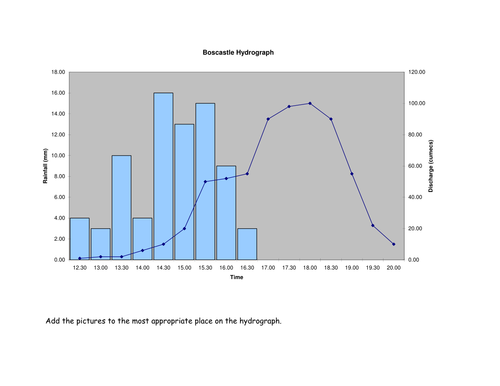
3.5 hours
Peak rainfall is at 14:30
Peak discharge is at 16:00
300
Which transfer in the hydrological cycle does this describe?
"precipitation that hits the ground and moves due to gravity eventually reaching a stream, river, lake, etc. Also known as run-off"
Overland flow - water that does NOT absorb into the soil, and instead moves over the land and more directly reaches a water store.
300
The changes in a rivers discharge monthly, daily, etc are called what?
River Regime
300
The freeze-thaw process is an example of which type of weathering?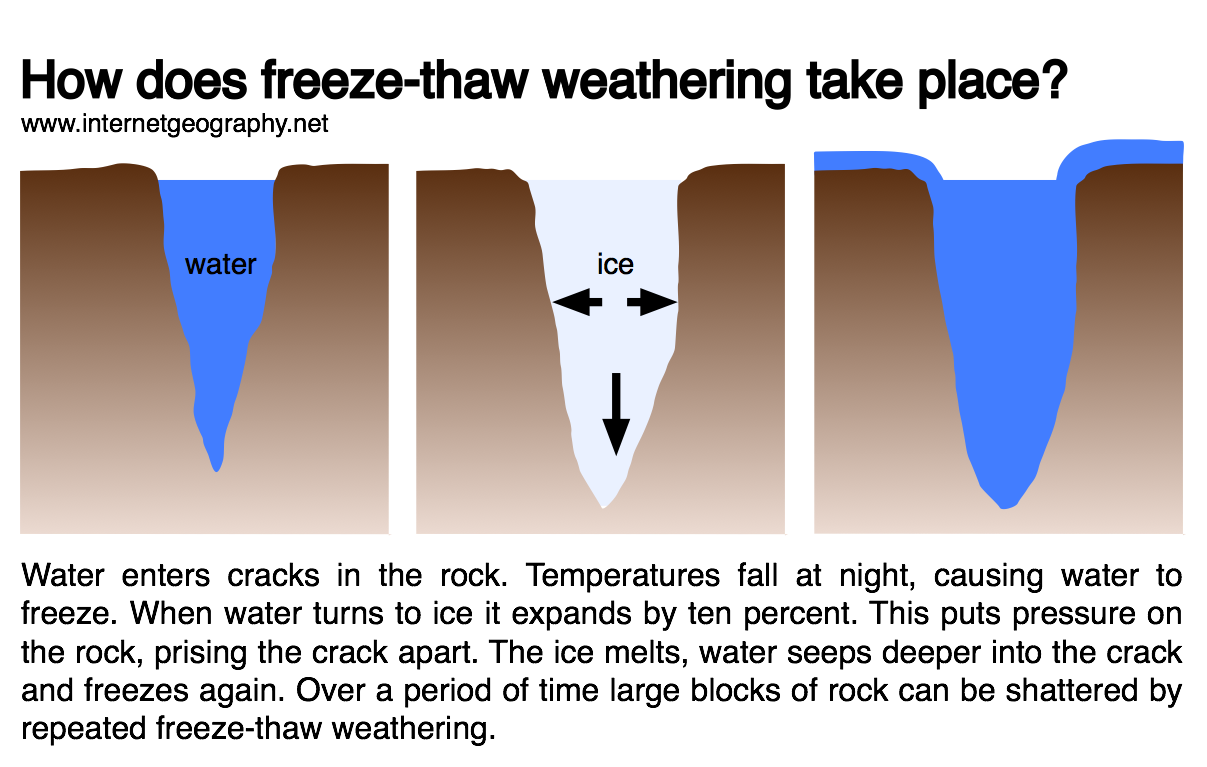
Physical weathering
(the other types include chemical and biological weathering)
300
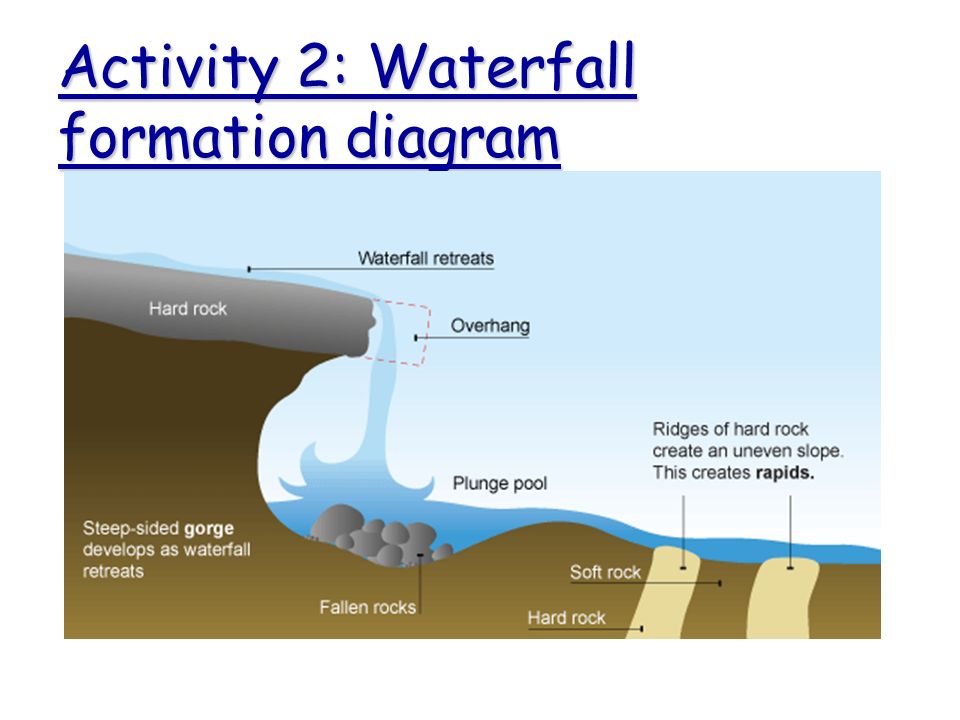
What is the name of the feature formed mainly from abrasion and hydraulic action at the bottom of waterfall?
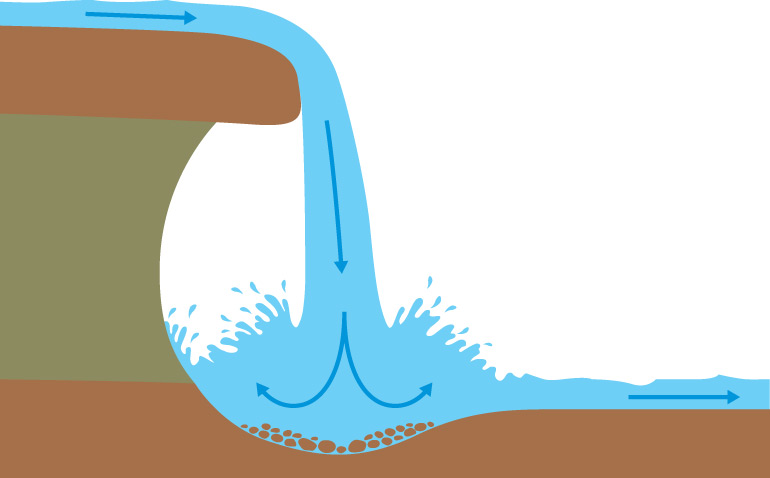
Plunge pool
300
How does the demand for water differ in developed and developing countries 
In developing countries, more demand in agriculture.
In developed, more demand in industrial and domestic use
300
Name 3 social impacts of river flooding
Loss of property/homes
Loss of incomes/work
Injury/death
Poverty - cost of repairs
Mental heath - anxiety, trauma
400
Roughly how much of the water on Earth is FRESH water?
3%
400
What are 4 factors that can effect lag-time;
Amount of urbanisation
Vegetation cover vs deforestation
Drainage density - how many tributaries, size of watershed, etc
Rainfall
Soil/rock type - permeable versus impermeable
Relief - steep versus flat
Temperatures/climate - how much evapotranspiration

400
Describe the lower course of the river according to;
Load size: smaller/larger
Load quantity: less/more compared to upstream
Discharge level: higher/lower
Depth of channel: deeper/shallower
Load size: smaller
Load quantity: More
Discharge: Higher
Depth: Deeper

400
What river feature is pictured below?
Delta - a flat, wide mouth of a slower moving river where a high amount of deposition causes the river to form different channels which then flow into a sea/ocean/lake.
400
Give 4 common steps in the water treatment process
aeration
chlorination
sedimentation
filtration
disinfection
400
Name this flood management strategy, which type of engineering is this an example of, and provide 1 advantage and 1 disadvantage 
Flood relief channel, this is an example of hard engineering
Advantages: provides additional capacity during flood periods, main channel is still passable for boats so transport not interrupted, sluices gates or weirs can further help control flow of water
Disadvantages: Expensive, difficult to build in highly urbanised/developed area as it requires a lot of room
500
Name any five atmospheric transfers in the hydrological system
Evaporation, transpiration, evapotranspiration, condensation, precipitation
500
According to these hydrographs, which river is less likely to flood; River A or River B? What are the two reasons from this graph that tell us thus?
River B because it has a longer lag time, and overall lower discharge volume.
500
Explain why less erosion occurs near the mouth of river
The river is deeper and wider meaning less water is in contact with river banks and bed, reducing friction. The load is mainly lighter sediment, not larger rocks banging into each other and scraping the banks/ bed, so there is less abrasion.
500
What is the name of waterfall found in the upper course of the River Severn?
Water break it's neck 

500
Explain two reasons for the increase in the demand for water
population increase, more people to feed therefore increased agricultural demand; and more people means more water needed for domestic uses such as bathing, cooking, drinking; growing middle class and urban population - use more water for electricity/gadgets, washing machines, etc
Growing industrialization - more factories, more demand for water.
500
Identify the flood management strategy being used in the picture
What type of engineering does this exemplify?
Give one advantage and one disadvantage?
What other strategy can also be used along with this strategy to deepen the river?
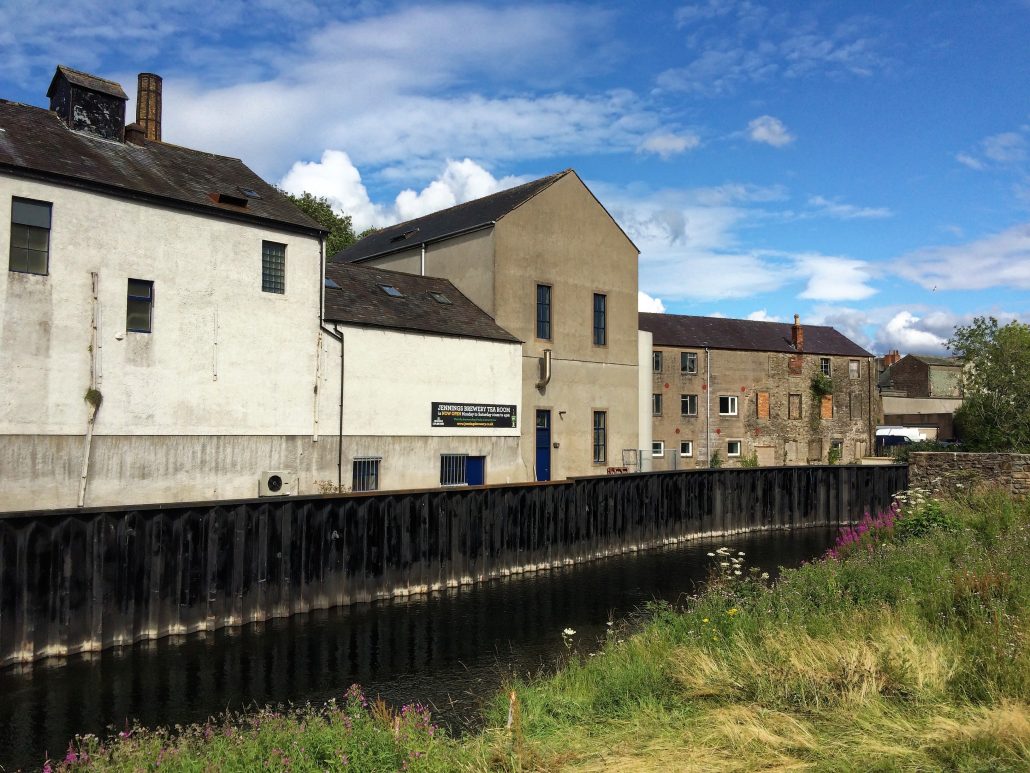
Strategy: Embankment - floodwalls
Engineering: hard
Advantages: Increases capacity of river, protect against erosion of river banks
Disadvantages: expensive and has to be maintained, can make the river inaccessible, if broken they create huge flood risk
Often used along with 'dredging' to remove sediment build up on the bottom of the river