Miracle Makers & Visionaries
Courage Under Fire
Mega-Brains of the Church
Saints on a Mission
Holy Heroes and Legends
100
This humble doorkeeper of Montreal became known for miraculous healings and devotion to St. Joseph.
St. Andre Bessette
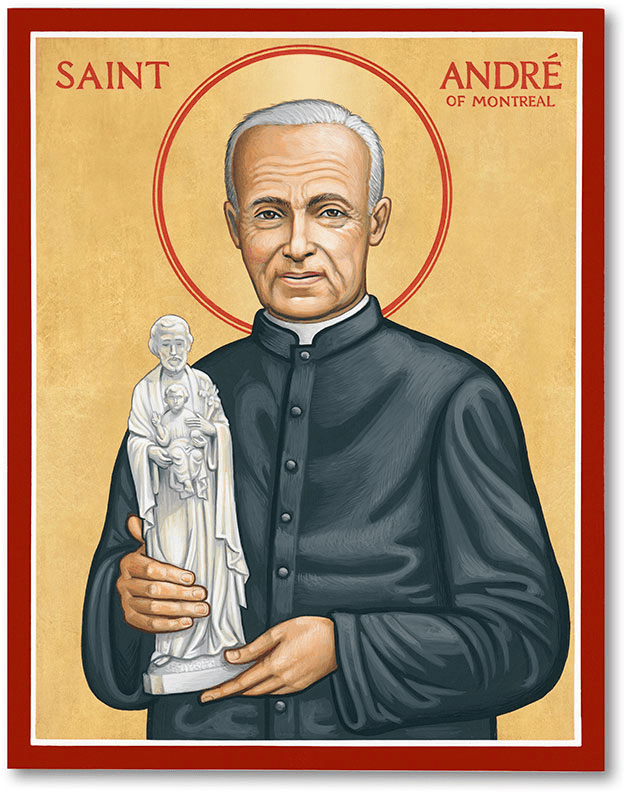
Saint André of Montreal, was a lay brother of the Congregation of Holy Cross and a significant figure of the Catholic Church among French Canadians. He is credited with thousands of reported healings associated with his pious devotion to Saint Joseph.[1]
Bessette, who founded Saint Joseph's Oratory in Montreal, Canada's largest church, was declared venerable in 1978 and was beatified by Pope John Paul IIin 1982.[2] Pope Benedict XVI approved the decree of sainthood for Bessette on 19 February 2010, with the formal canonization taking place on 17 October 2010.[2][3][4] He is the first Canadian living after Confederation to be canonized.
100
This Oklahoma priest refused to abandon his Guatemalan parish, becoming the first U.S.‑born martyr.
Blessed Stanley Rother
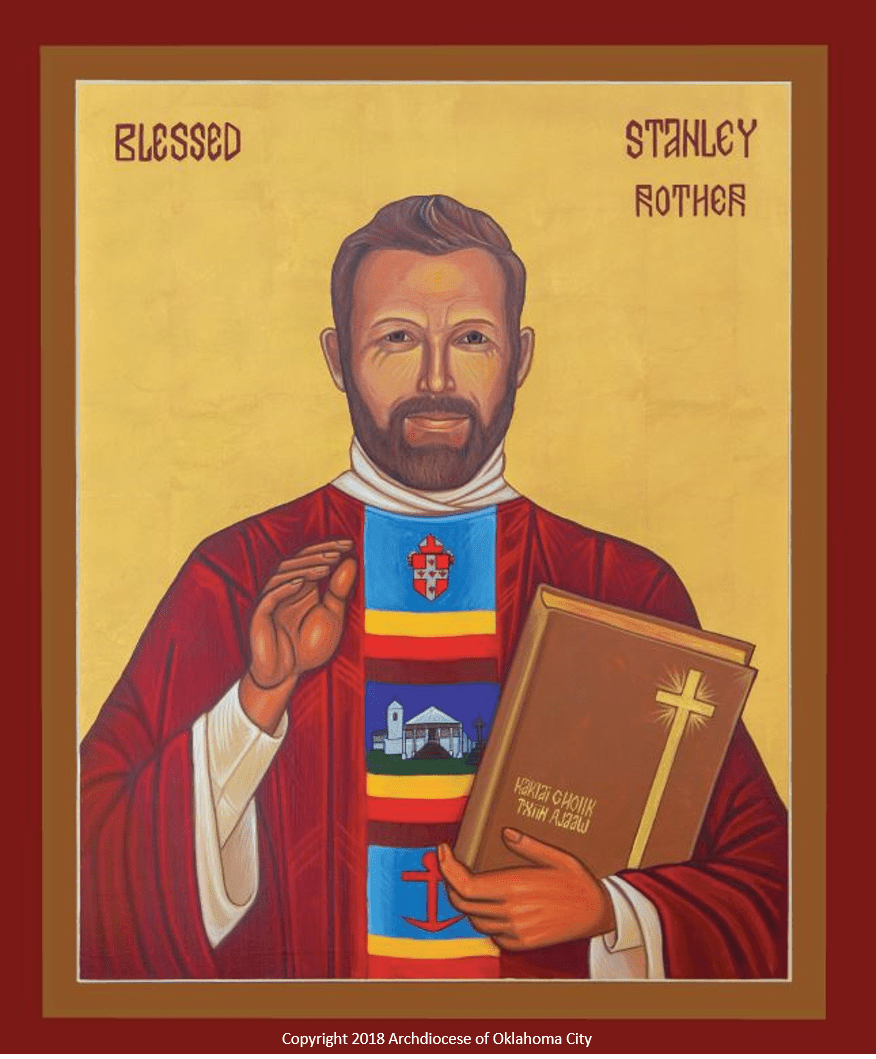
Stanley Francis Rother (/ˈroʊθər/ ROH-thər; March 27, 1935 – July 28, 1981) was an American Catholic priest from Oklahoma who was murdered during the Guatemalan Civil War. He held several parish assignments as a priest of the Diocese of Oklahoma Cityfrom 1963 to 1968 before being assigned as a missionary to Guatemala.
On December 1, 2016, Pope Francis confirmed that Rother had died a martyr, murdered for his faith, and Rother was beatified on September 23, 2017, in Oklahoma City. He is the first U.S.-born priest and martyr to be beatified by the Catholic Church, and the second person to be beatified on American soil.
100
A medieval monk and philosopher, he famously argued for God’s existence using the “ontological argument.”
St. Anselm
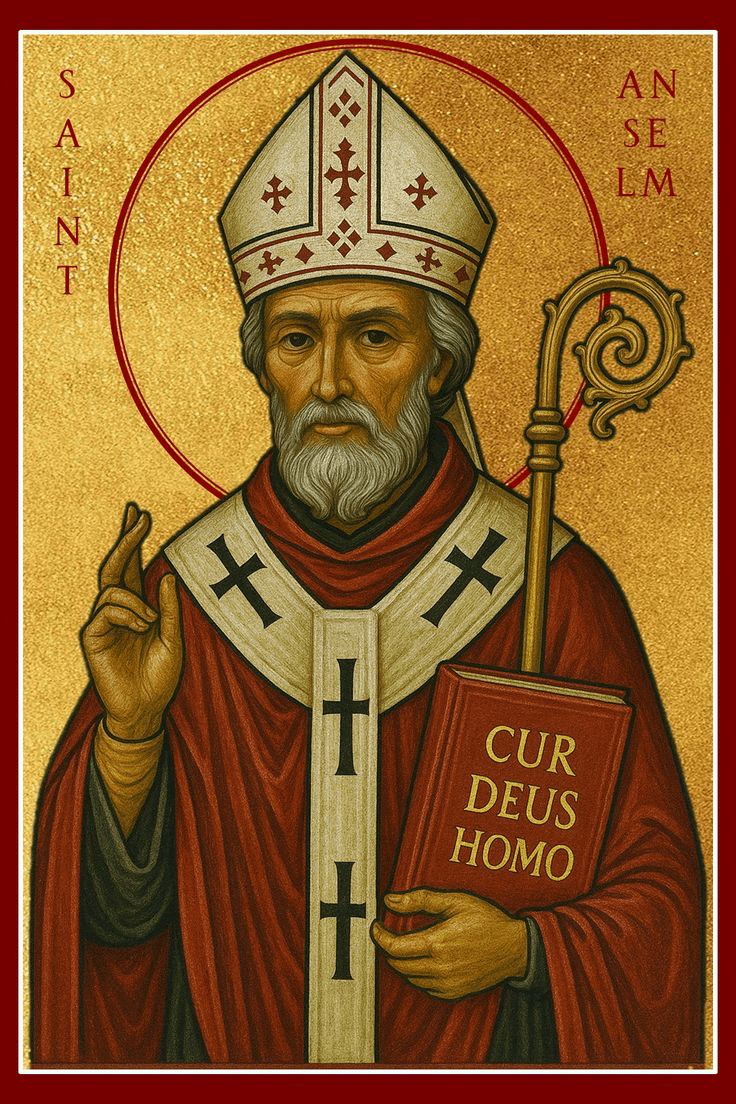
(born 1033/34, Aosta, Lombardy [Italy]—died April 21, 1109, possibly at Canterbury, Kent, England; feast day April 21) was an Italian-born theologian and philosopher, known as the father of Scholasticism, a philosophical school of thought that dominated the Middle Ages. He was recognized in modern times as the originator of the ontological argument for the existence of God (based on the idea of an absolutely perfect being, the fact of the idea being in itself a demonstration of existence) and the satisfaction theory of atonement or redemption (based on the feudal theory of making satisfaction or recompense according to the status of a person against whom an offense has been committed, the infinite God being the offended party and humanity the offender). There is incomplete evidence that he was canonized in 1163, though some scholars contend that he was canonized by Pope Alexander VI in 1494.
100
America’s first native‑born saint, she founded the first free Catholic school for girls.
St. Elizabeth Ann Seton
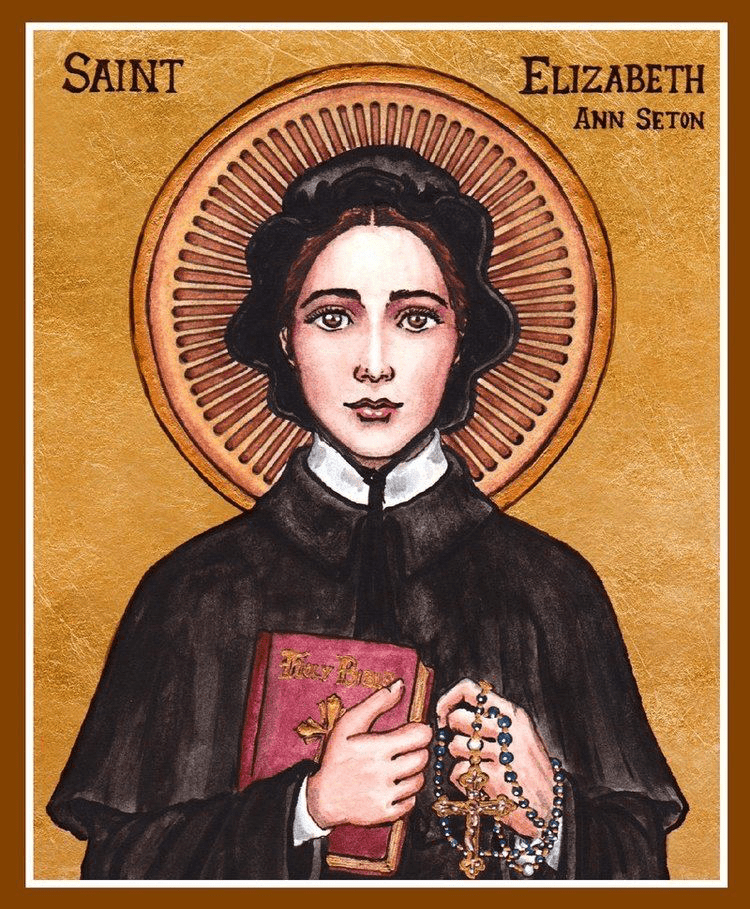
(born August 28, 1774, New York, New York [U.S.]—died January 4, 1821, Emmitsburg, Maryland, U.S.; canonized September 14, 1975; feast day January 4) was the first native-born American to be canonized as a Roman Catholic saint. She was the founder of the Sisters of Charity, the first American religious society. She is revered as the patron saint of Catholic schools, teachers, widows, orphans, and people who have been persecuted for their faith.
100
This young shepherdess‑turned‑saint rallied Paris through prayer during Attila the Hun’s invasion.
St. Genevieve
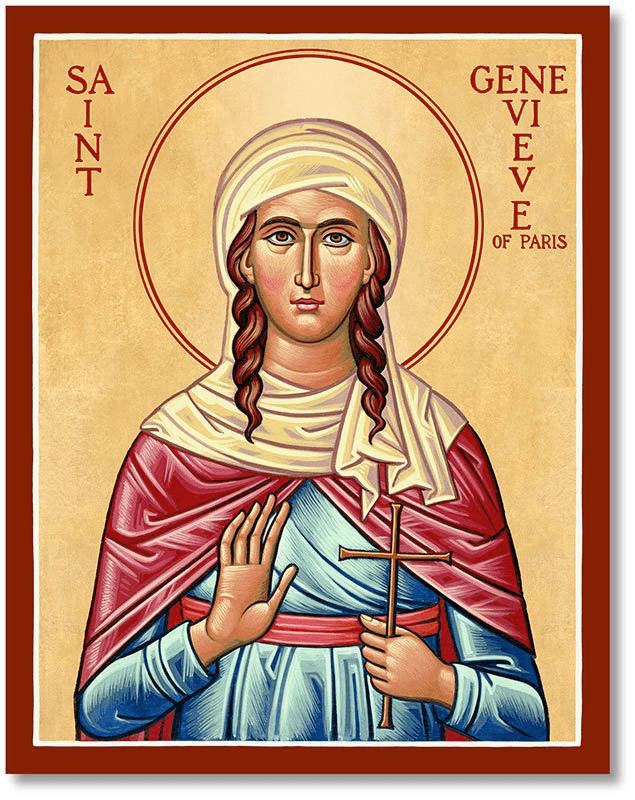
(French: Sainte Geneviève; Latin: Genovefa;[2][3] and Genofeva;[4] c. 419/422 AD – 502/512 AD) was a consecrated virgin, and is one of the patron saints of Paris in the Catholic Church, and she is also venerated in the Eastern Orthodox Church. Her feast day is on 3 January.
200
A poor French girl who saw visions of a “Lady” in Lourdes, leading to one of the world’s most visited shrines.
St. Bernadette of Soubirous
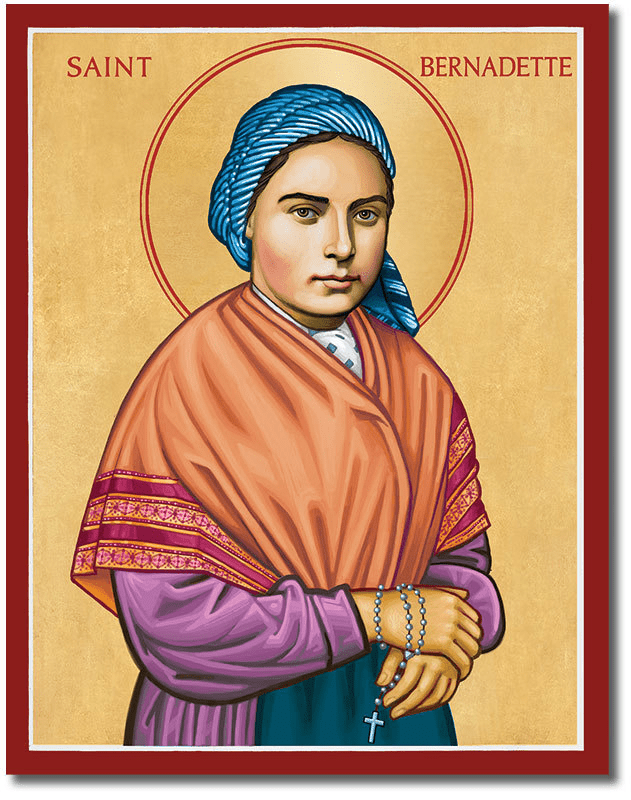
7 January 1844 – 16 April 1879), also known as Bernadette of Lourdes (religious nameMarie-Bernarde), was a miller's daughter from Lourdes(Lorda in Occitan), in the department of Hautes-Pyrénéesin France, and is best known for experiencing apparitions of a "young lady" who asked for a chapel to be built at the nearby cave-grotto. These apparitions occurred between 11 February and 16 July 1858, and the young lady who appeared to her identified herself as the "Immaculate Conception".
200
A Polish priest who volunteered to die in place of another prisoner at Auschwitz.
St. Maximilian Kolbe
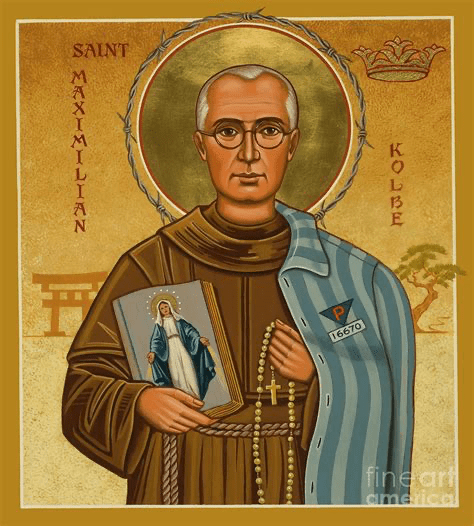
was a Polish Conventual Franciscan friar, priest, missionary, and martyr. He volunteered to die in place of a man named Franciszek Gajowniczek in the German death camp of Auschwitz, located in German-occupied Poland during World War II. He had been active in promoting the veneration of the Immaculate Virgin Mary, founding and supervising the monastery of Niepokalanów near Warsaw, operating an amateur-radio station (SP3RN), and founding or running several other organizations and publications.
200
This charismatic bishop became a media pioneer with his Emmy‑winning television show Life Is Worth Living.
Blessed Fulton Sheen
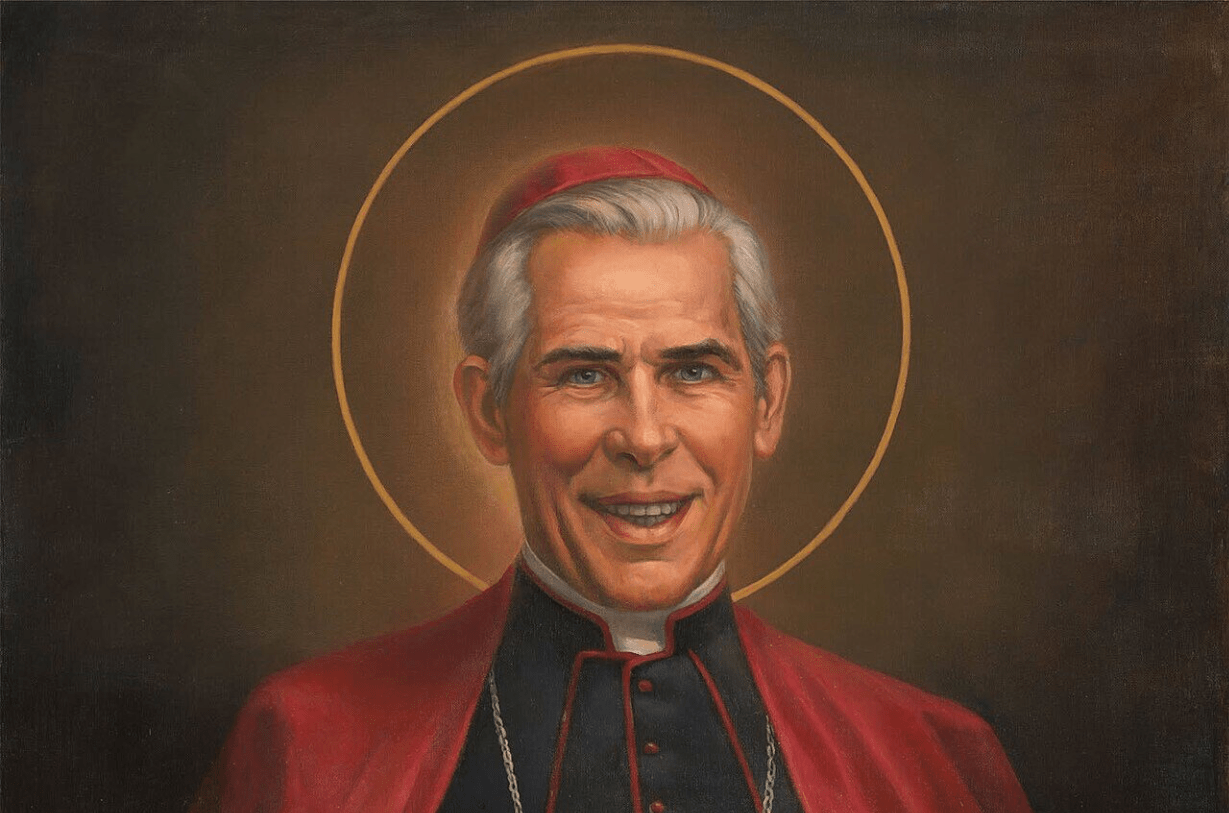
was an American Catholic prelate who served as the Bishop of Rochester, N.Y., from 1966 to 1969. He was known for his preaching, especially on television and radio.
200
The first U.S. citizen to be canonized, she founded dozens of schools and hospitals for immigrants.
St. Frances Xavier Cabrini
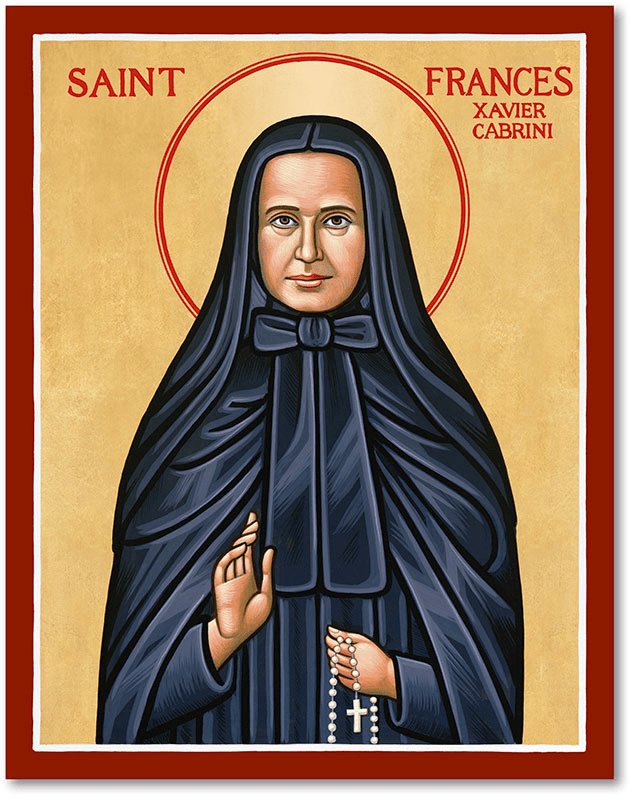 (born July 15, 1850, Sant’Angelo Lodigiano, Lombardy [Italy]—died December 22, 1917, Chicago, Illinois, U.S.; canonized July 7, 1946; feast day November 13) was an Italian-born Roman Catholic nun and founder of the Missionary Sisters of the Sacred Heart. She was the first United States citizen to be canonized as a saint in the Roman Catholic Church. She is venerated as the patron saint of immigrants, hospital administrators, missionaries, and impossible causes.
200
A persistent mother whose prayers helped convert her son — the future St. Augustine.
St. Monica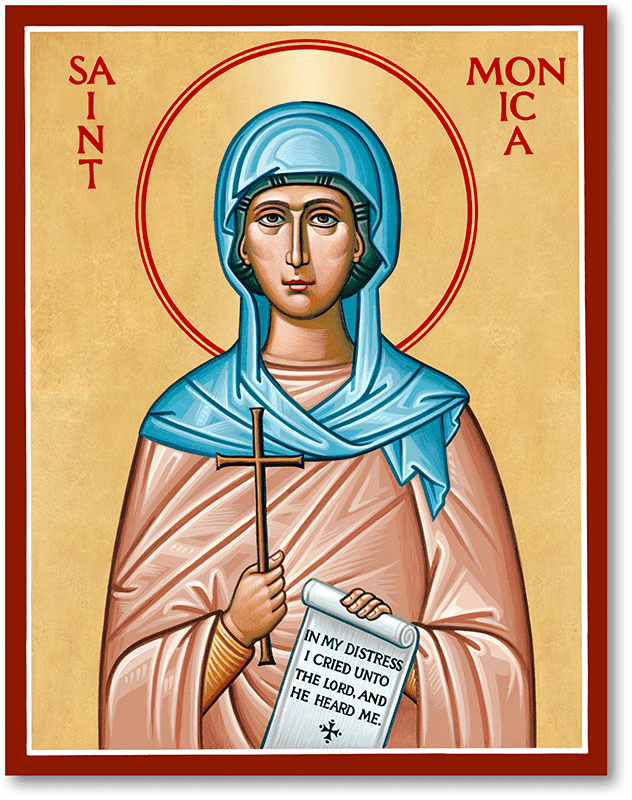 was an early North African Christian saint and the mother of Saint Augustine. She is remembered and honored in the Catholic and Orthodox Churches, albeit on different feast days, for her outstanding Christian virtues, particularly the suffering caused by her husband's adultery, and her prayerful life dedicated to the reformation of her son, who wrote extensively of her pious acts and life with her in his Confessions. Popular Christian legends recall Monica weeping every night for her son Augustine.
300
A young novice who received the visions that led to the creation of the Miraculous Medal.
St. Catherine Laboure
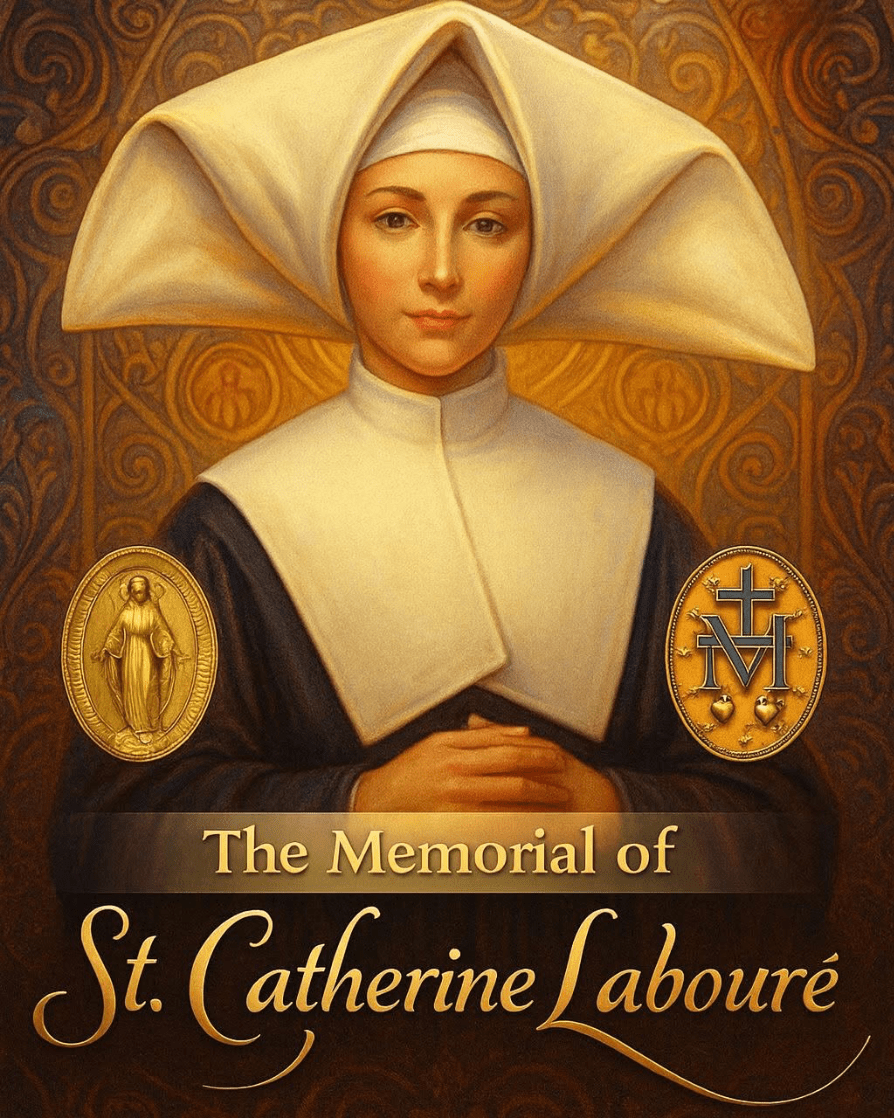 was a French member of the Daughters of Charity of Saint Vincent de Paul and a Marian visionary. She is believed to have relayed the request from the Blessed Virgin Mary to create the Miraculous Medal, now worn by millions of people around the world. Labouré spent forty years caring for the aged and infirm. For this, she is called the patroness of seniors.
300
Once enslaved in Sudan, she became a joyful religious sister known for her forgiveness.
St. Josephine Bakhita
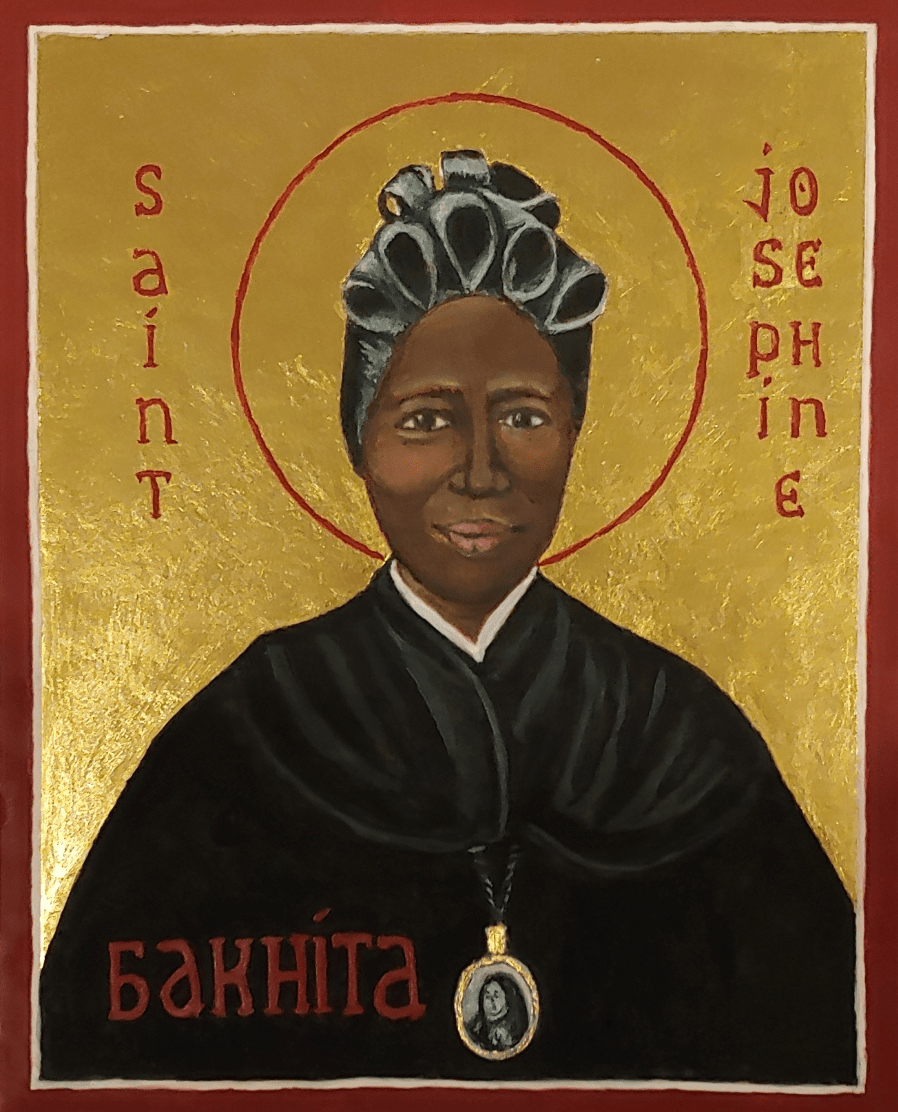 was a Sudanese Catholicreligious sister who joined the Canossians in 1896 after winning her freedom from slavery. She served in Italy for 50 years until her death in 1947. She was canonized in 2000, becoming the first female black Catholic saint in the modern era.
300
This globe‑trotting pope survived an assassination attempt and helped inspire the fall of communism in Eastern Europe.
St. John Paul II
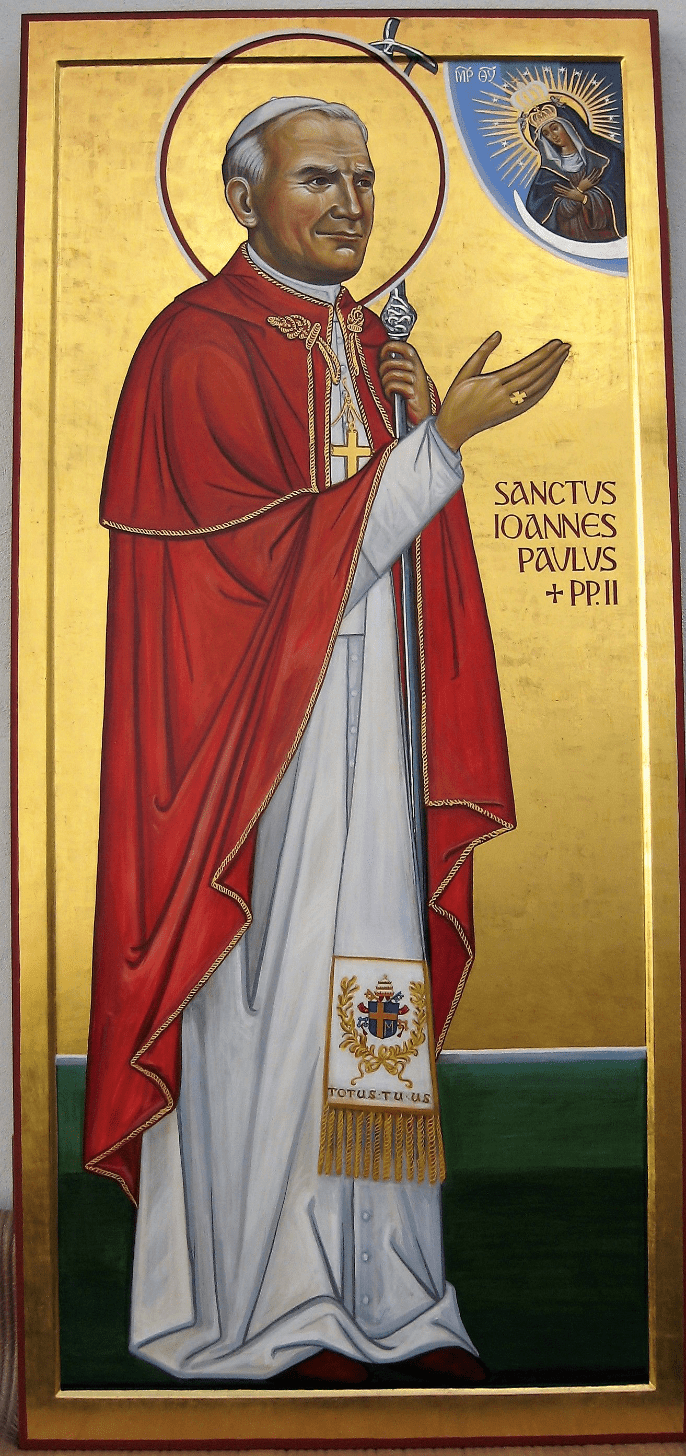 beatified May 1, 2011; canonized April 27, 2014; feast day October 22) was the pope1978 to 2005. He was the first non-Italian pope in 455 years and the first from a Slavic country. His pontificate of more than 26 years was the third longest in history. Travelled far greater distances than had all other popes combined, and extended his influence beyond the church by campaigning against political oppression and criticizing the materialism of the West.
300
An adventurous Italian mountaineer known for his charity, prayer, and the motto “Verso l’alto.”
St. Pier Giorgio Frassati
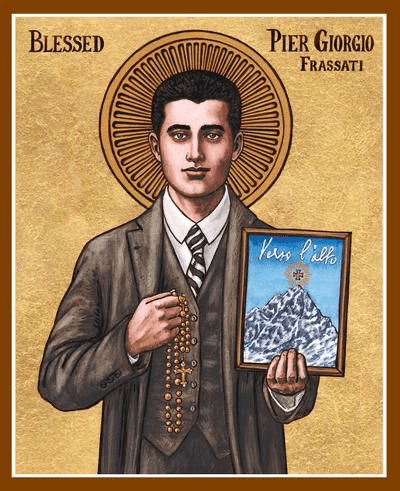 (6 April 1901 – 4 July 1925) was an Italian Catholic activist and a member of the Third Order of Saint Dominic.[2] He was dedicated to social justice issues and joined several charitable organizations, including Catholic Action and the Society of Saint Vincent de Paul,[3] to better aid the poor and less fortunate living in his hometown of Turin.[4][5]
300
A patroness of Ireland, she founded monasteries and was known for generosity so great she once gave away her father’s sword.
St. Brigid of Ireland
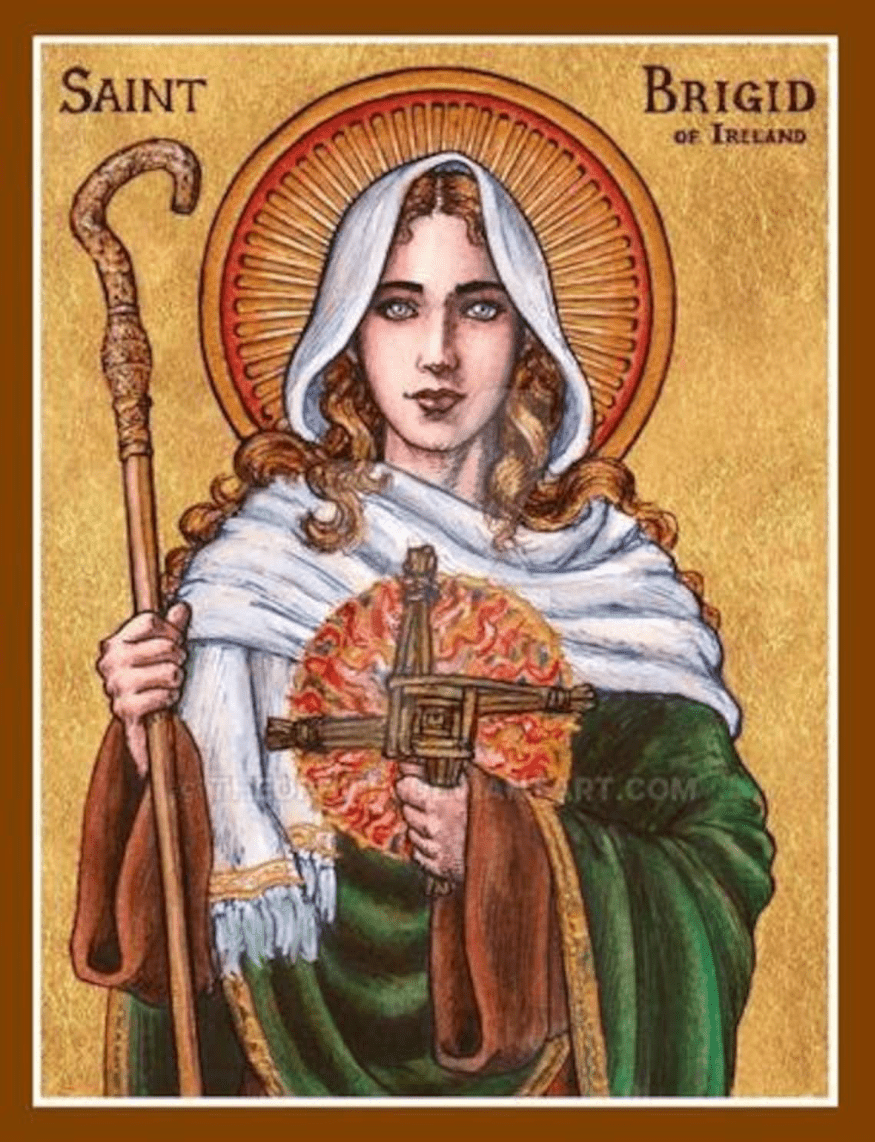 The saint's feast day is 1 February, and traditionally it involves weaving Brigid's crosses and many other folk customs. It was originally a festival called Imbolc, marking the beginning of spring. Since 2023, it has been a public holiday in the Republic of Ireland.[9] This feast day is shared by Dar Lugdach, who tradition says was her student, close companion, and successor.
400
This Indigenous Mexican saint saw the Virgin Mary on Tepeyac Hill and carried her miraculous image on his tilma.
St. Juan Diego
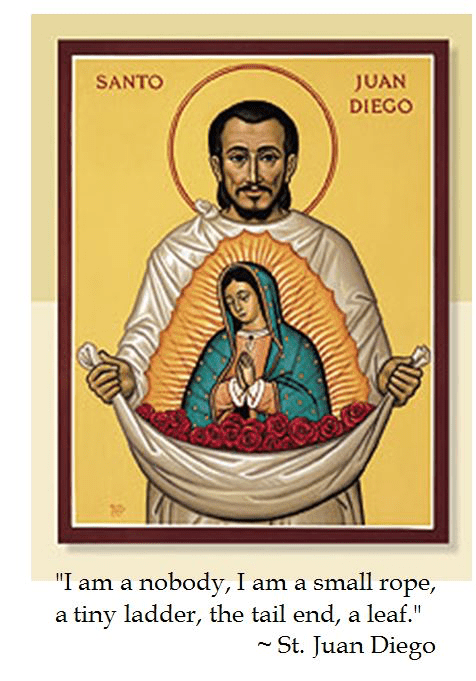
He is said to have been granted apparitions of Our Lady of Guadalupeon four occasions in December 1531: three at the hill of Tepeyac and a fourth before don Juan de Zumárraga, then the first bishop of Mexico.
Juan Diego was the first indigenous American canonizedas a saint by the Catholic Church
400
Known as the “Good Thief,” he defended Jesus on the cross and was promised paradise that very day.
St. Dismas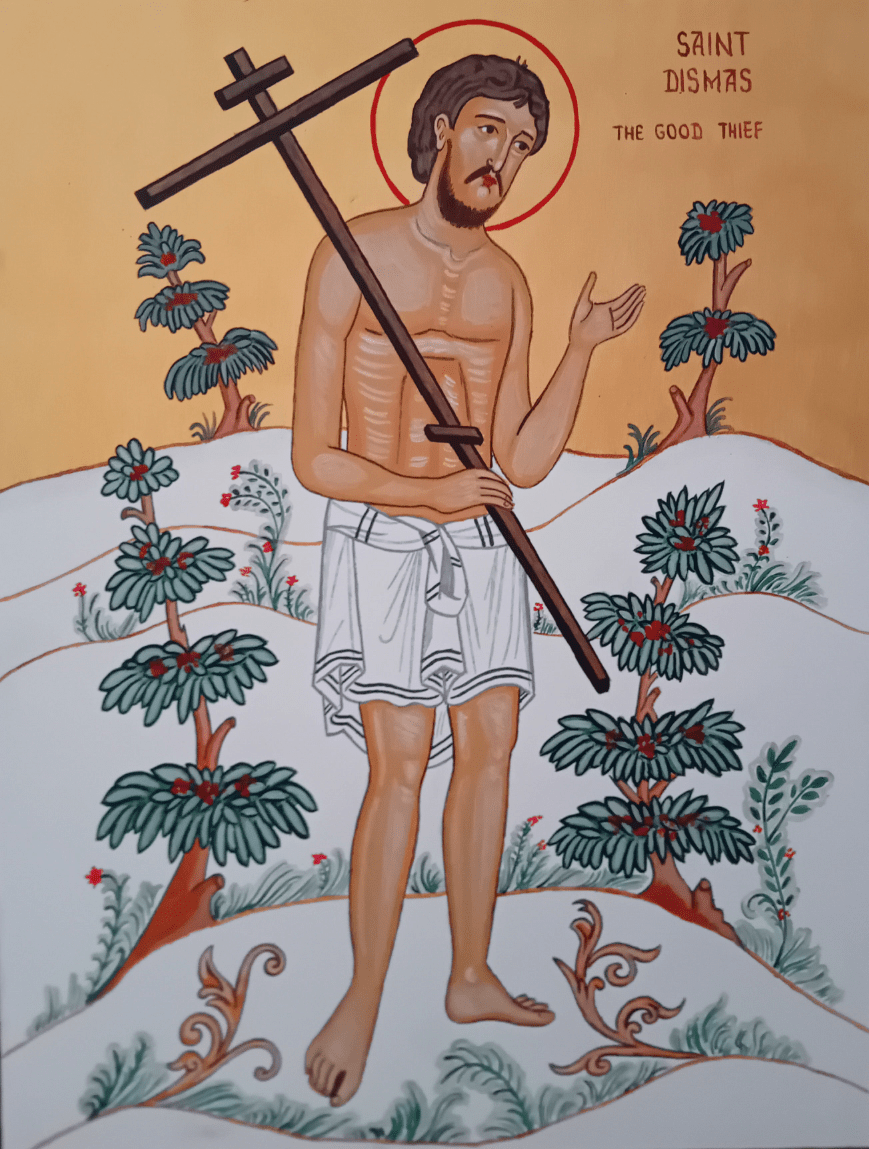
400
Founder of Opus Dei, he taught that everyday work can be a path to holiness.
St Josemaria Escriva
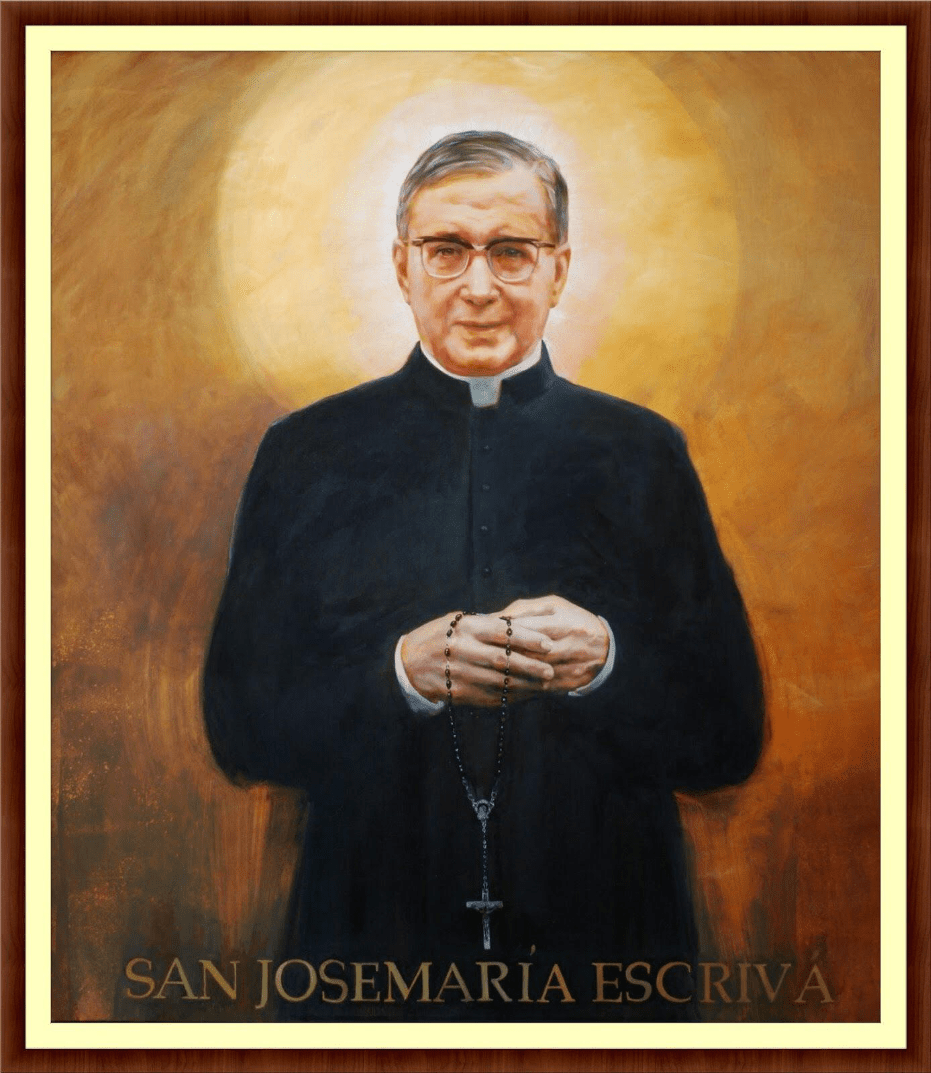 was a Spanish Catholic priest who founded Opus Dei, an organization of laypeople and priests dedicated to the principle of everyday holiness.[1]He was canonized by Pope John Paul II in 2002.
400
The “Lily of the Mohawks,” she embraced Christianity despite hardship and is the first Native American saint.
St. Kateri Tekakwitha
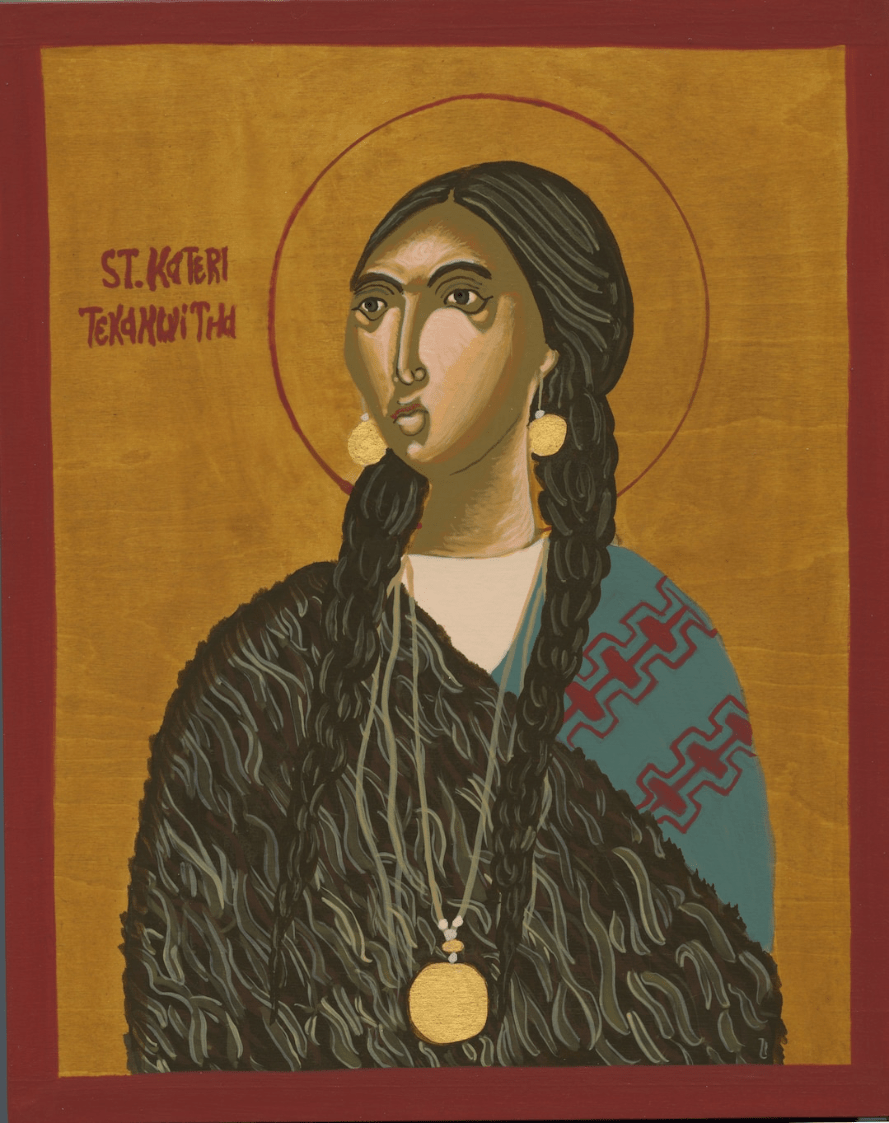 was a Mohawk woman who converted to Catholicism. Committing to live as a virgin, she became known for her devotion to Jesus Christ, diligent work ethic, and dedicated prayers for her fellow Native people. She was canonized in 2012, becoming the first Native American saint
400
This hermit‑saint is often depicted riding a bear he supposedly tamed on the way to visit a bishop.
St. Romedio
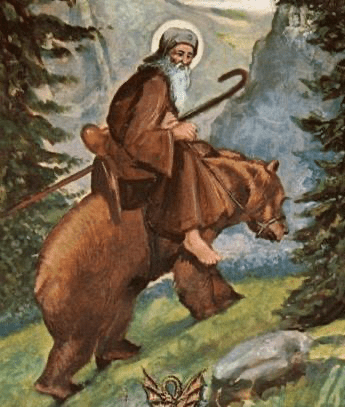
Legend
Romedius is often depicted alongside or astride a bear. According to his hagiography he wanted to visit the friend of his youth, St. Vigilius, Bishop of Trento (who died in 405), but his horse was torn to pieces by a wild bear. Romedius, however, had the bear bridled by his disciple David (Davide). The bear became docile and carried Romedius on its back to Trento.
500
A soldier‑saint whose legendary dragon‑slaying made him one of the most iconic Christian heroes.
St. George
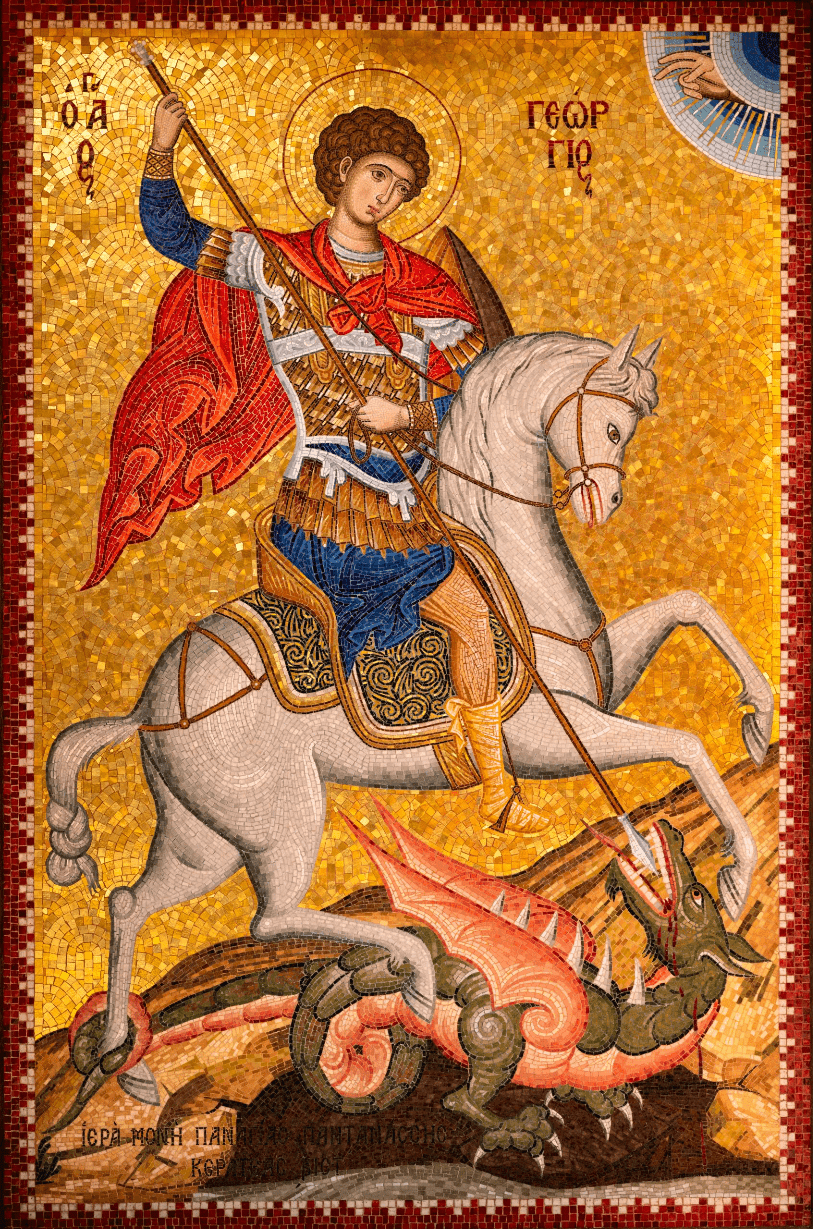 Saint George was an early Christian martyr who died on 23 April 303 and is venerated as a saint in many Christian traditions. He is also famous for the legend of Saint George and the Dragon, and his feast day is traditionally celebrated on 23 April.
500
A Hindu convert to Christianity in India, he was martyred for refusing to renounce his new faith.
St. Devasahayam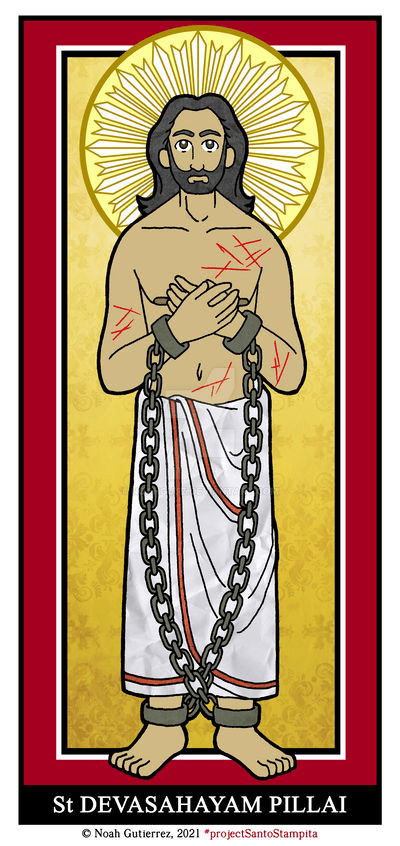 born Neelakanta Pillai and baptized as Lazarus; 23 April 1712 – 14 January 1752) was an Indian layman and martyr of the Catholic Church.[2] He was canonized as a saint of the church by Pope Francis on 15 May 2022.
500
The “Angelic Doctor,” he wrote the Summa Theologiae and shaped Catholic theology for centuries.
St. Thomas Aquinas
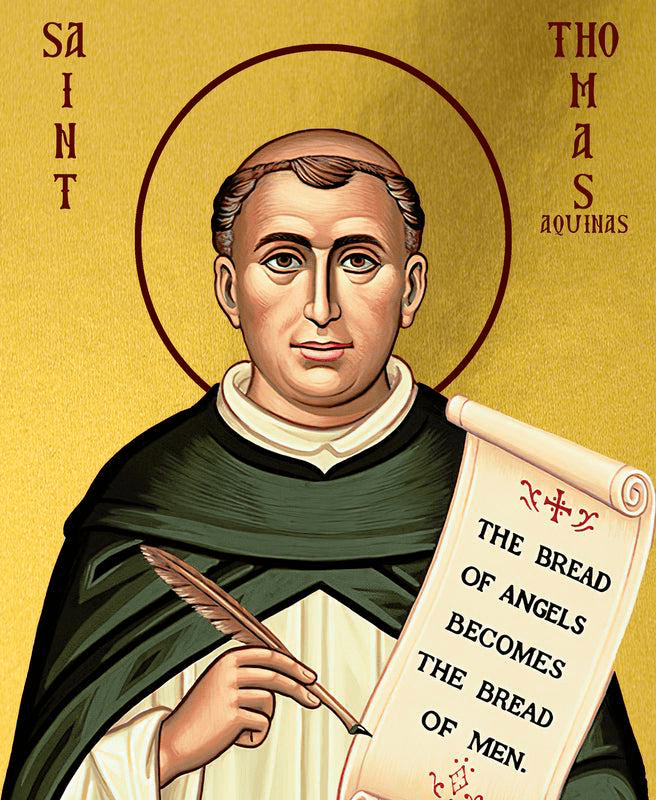 was an Italian Dominican friar and priest, theologian, and philosopher. He is considered one of the most influential thinkers in the history of Catholic theology and Western philosophy.[6][7] He is the father of a school of thought (encompassing both theology and philosophy) known as Thomism.
500
Founder of the Good Shepherd Sisters, she created global homes for vulnerable women and girls.
St. Mary of Euphrasia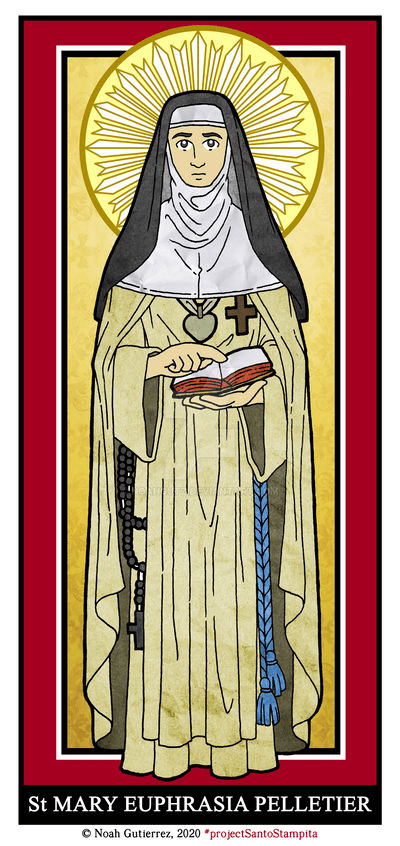
Mary Euphrasia Pelletier, RGS, religious name Mary of Saint Euphrasia, born as Rose Virginie Pelletier (31 July 1796 in Noirmoutier-en-l'Île – 24 April 1868 in Angers), was a French religious sister. She founded the Sisters of the Good Shepherd and was its first superior general.
During her time as superior in Tours founded also a community, the "Magdalens", for women who wanted to lead a contemplative life in the enclosure and would support, by their ministry of prayer, the different works of the apostolic congregation.[1] They are now known as the Contemplatives of the Good Shepherd.
Pope Pius XII canonised Mary Euphrasia Pelletier in 1940. Her feast day is 24 April.
500
A Dominican scholar who compiled one of the Church’s earliest collections of canon law.
St. Raymond of Penyafort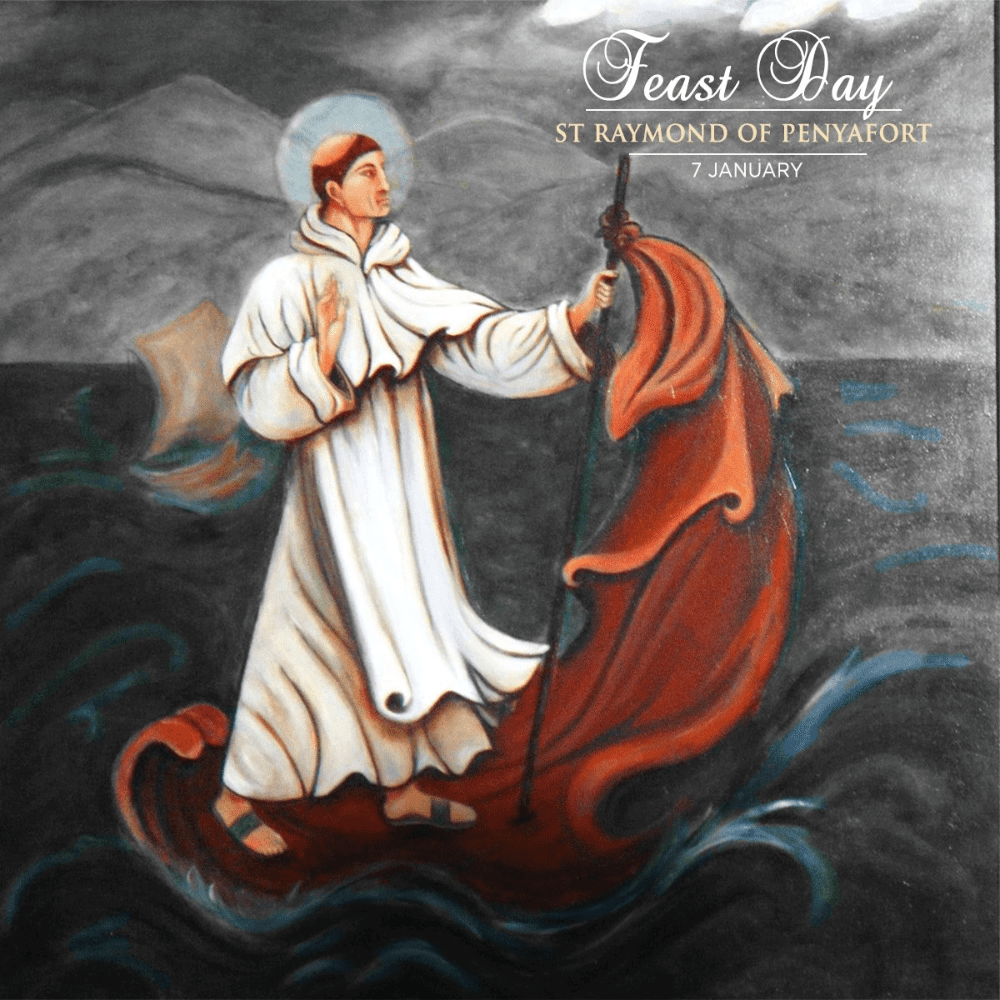
Most famous miracle
Raymond of Penyafort served as the confessor for King James I of Aragon. While on the island of Mallorca to initiate a campaign to help convert the Moors living there, the king brought his mistress with him. Raymond reproved the king and asked him repeatedly to dismiss his concubine. The king refused to do so. Finally, the saint told the king that he could remain with him no longer and made plans to leave for Barcelona. But the king forbade Raymond to leave the island, and threatened punishment to any ship captain who dared to take him.
Raymond and his Dominican companion went down to the seashore where Raymond took off his cappa (the long black cloak worn by Dominicans over the white tunic and scapular), and spread one end of it on the water while rigging the other end to his walking staff. Having thus formed a miniature mast, Raymond bid the other Dominican to hop on, but his companion, lacking the saint’s faith, refused to do so. Then Raymond bid him farewell, and with the sign of the cross he pushed away from the shore and sailed away on his cloak. Skirting around the very boats that had forbidden him passage, the saint was seen by scores of sailors who shouted in astonishment and urged him on. According to this legend, Raymond sailed the 160 miles to Barcelona in the space of six hours, where his landing was witnessed by a crowd of amazed spectators. In awe of this miracle, King James I mended his ways.[9]