Rotation
Revolution
Invertebrates
Vertebrates
General
100
The spinning of the Earth around its axis is known as ______.
Rotation
100
Revolution is the movement of the Earth around the ______
Sun
100
A cockroach has ____ pairs of legs
three (3)
100
The soft a sponge mass in the bones is -_____
bone marrow
100
Which of the following does not contribute to soil erosion?
(A) Hurricane (B) Earthquake (C) Heavy rainfall (D) Planting of trees
(D) Planting trees
200
The Earth takes ______ to complete a rotation with respect to the sun.
24 Hours
200
Seasons change due to _____ of the Earth.
Revolution of the Earth
200
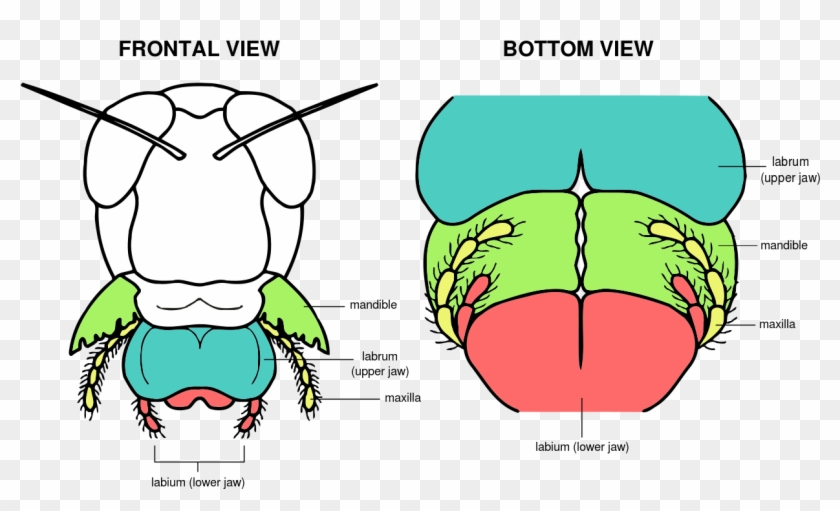
This insect feeds by
(A) cutting and chewing leaves. (B) sucking nectar from flowers. (C) piercing the skin and sucking blood. (D) catching and swallowing insects.
(a) cutting and chewing leaves
200
Which of the following animals are vertebrates
(a) Earthworm
(b) snail
(c)snake
(d) cockroach
(c)
200
In a Science experiment, John extracted the sand from a mixture of sand, salt and water.
Which separation technique did he most likely use?
(A) Sieving (B) Filtration (C) Magnetism (D) Evaporation
(B)
300
State true or false: The Earth rotates on its axis, which is an imaginary line.
True
300
The Earth revolves around the Sun in an elliptical path.
True
300
The organism shown above belongs to the group of
(A)crustaceans. (B)molluscs (C)arthropods (D)myriapods
(B)molluscs
300
The organ in the body mostly affected by nicotine in tobacco is the
(A) Lung. (B)kidney. (C) tongue. (D) liver.
(a) Lung
300
. When Rena tried to walk with her new socks on a polished floor, she slipped and fell. This happened mainly because
(A) the floor was shiny. (B) friction was reduced. (C) the socks were new. (D) friction was increased.
(B) Friction was reduced
400
_______ causes day and night
rotation
400
Which of the following is NOT a factor affecting Earth's seasons and climate?
Earth's orbital revolution around the sun
Earth's axis tilt
Earth's distance from the sun
Earth's wind and ocean current patterns
Earth's wind and ocean current patterns
400
Which of the diseases below are spread by mosquitoes?
(A) Yellow fever and elephantiasis
(B) Yellow fever and dengue fever
(C) Elephantiasis, cholera and dengue fever
(D) Yellow fever, elephantiasis and dengue fever
(D) Yellow fever, elephantiasis and dengue fever
400
Which of the following functions does the digestive system carry out?
(A) Moves the body from place to place
(B) Eliminates carbon dioxide and other waste gases
(C) Breaks down food into nutrients that the body can use
(D) Transports blood from the heart to the rest of the body
(C) Breaks down food into nutrients that the body can use
400
Paul sells used plastic bottles to a factory that produces other plastic products. Which of the following processes is the factory engaged in?
(A) Reusing (B) Reducing (C) Recycling (D) Regaining
Recycling
500
The earth rotates from ______ to ______.
what is west to east
500
2. Which of the following does NOT explain why it is always warm at the Equator?
It is closer to the sun than the poles
The atmosphere is thicker around the Equator
The Equator gets hit with a high angle of radiation from the sun
The earth's atmosphere flattens slightly over the Equator
The atmosphere is thicker around the Equator
500
Which of the following may be negative effects of animals on the environment?
I. Spread of disease
II. Making of homes
Ill. Damage of crops
(A) I only (B) II only (C) I and Ill only (D) II and Ill only
(D) II and Ill only
500
The feeding series in which a kiskadee eats a grasshopper that ate a grass plan is called a
(A) food web, (b) food chain
b food chain
500
. Surface tension allows some insects to walk on water. This is because the water particles
(A) are larger. (B) are far apart. (C) cling together. (D) are very strong.
(c) cling together