Water Cycle Words
Earth's Systems Interact
Plants and Groundwater
Earth's Water Supply
Maps, Graphs and Data
100
What is the process where water changes from liquid to gas and rises into the air
Evaporation
100
What role does the Sun play when puddles dry up?
Heating the water so it can evaporate
100
Which plant has roots deep enough to reach groundwater?
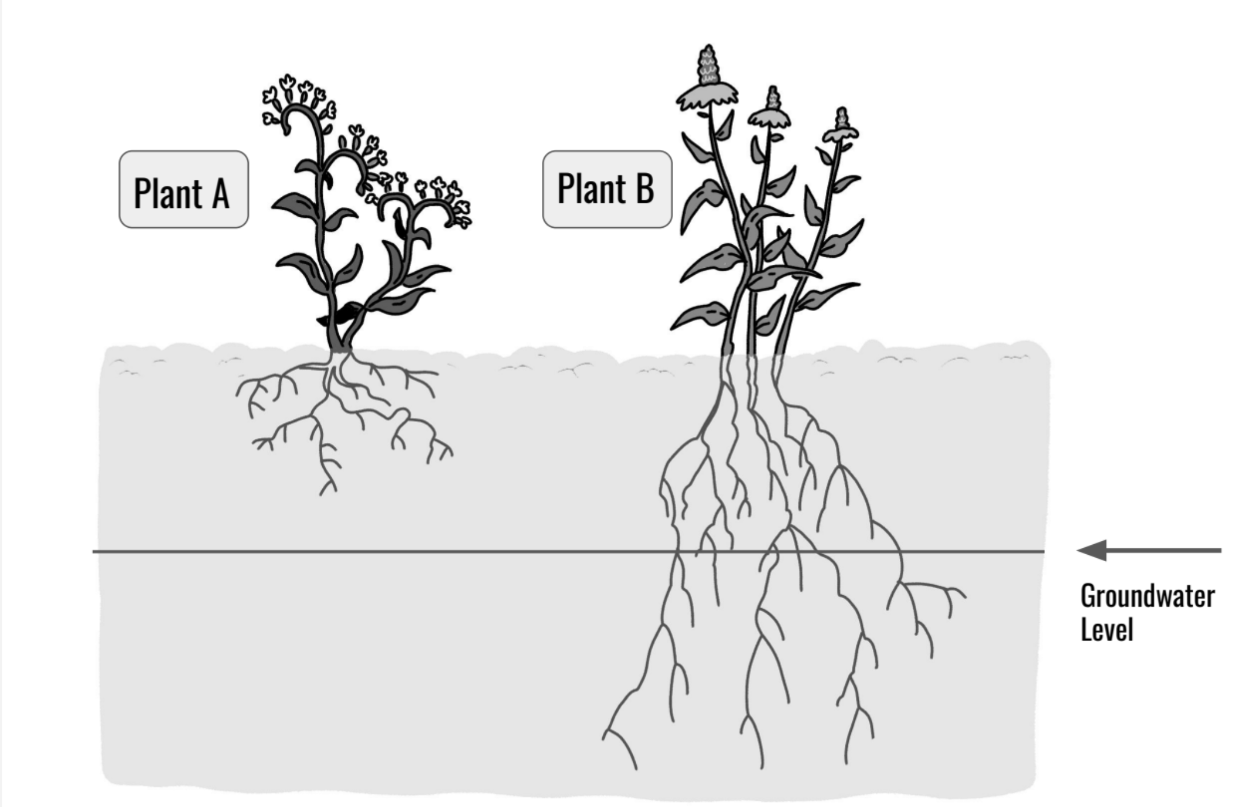
Plant B
100
Most of Earth's water is what type? (Salt, Fresh, Frozen)
Salt Water
100
Which type of water covers the most area on the mini map?
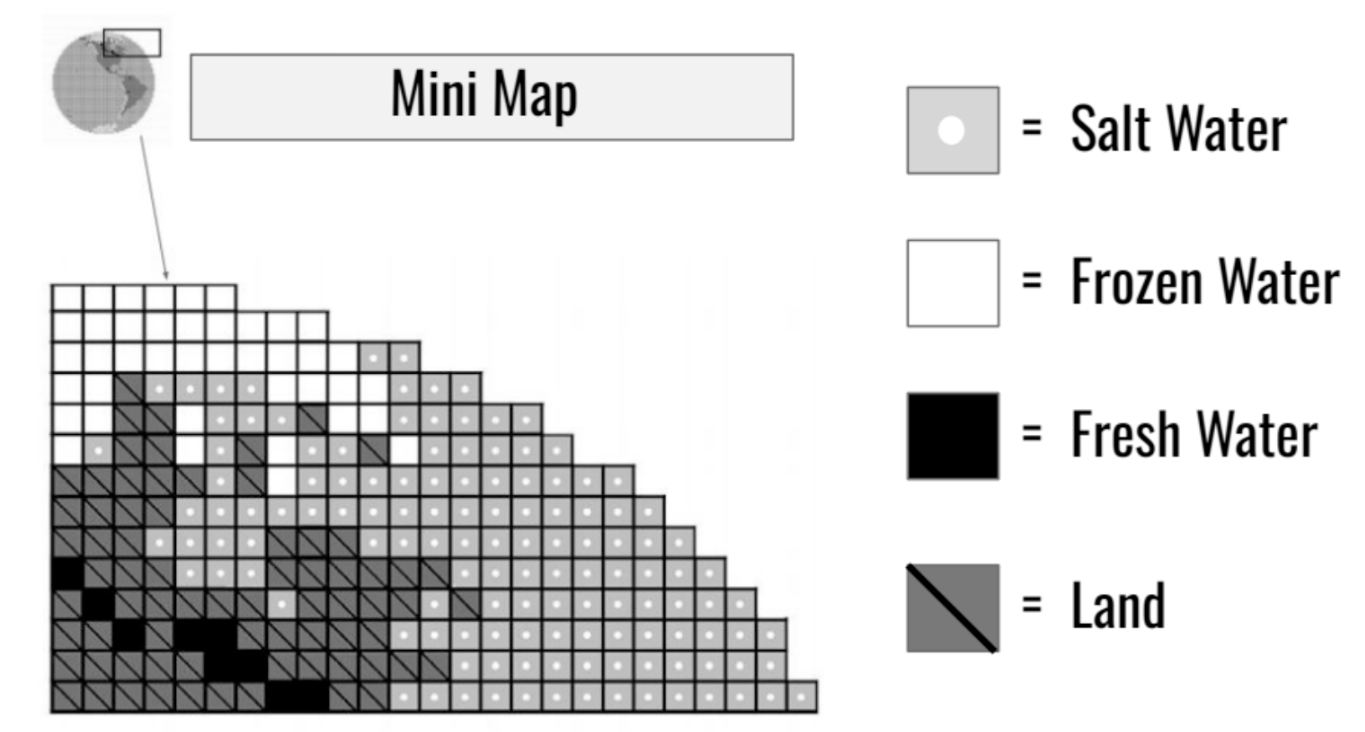
Salt Water
200
Why does evaporation happen faster on a warm, sunny day?
Heat gives water more energy to change into water vapor
200
Why does water soak into the ground instead of evaporating right away?
Land absorbs water
200
Why can't Plant A get groundwater?
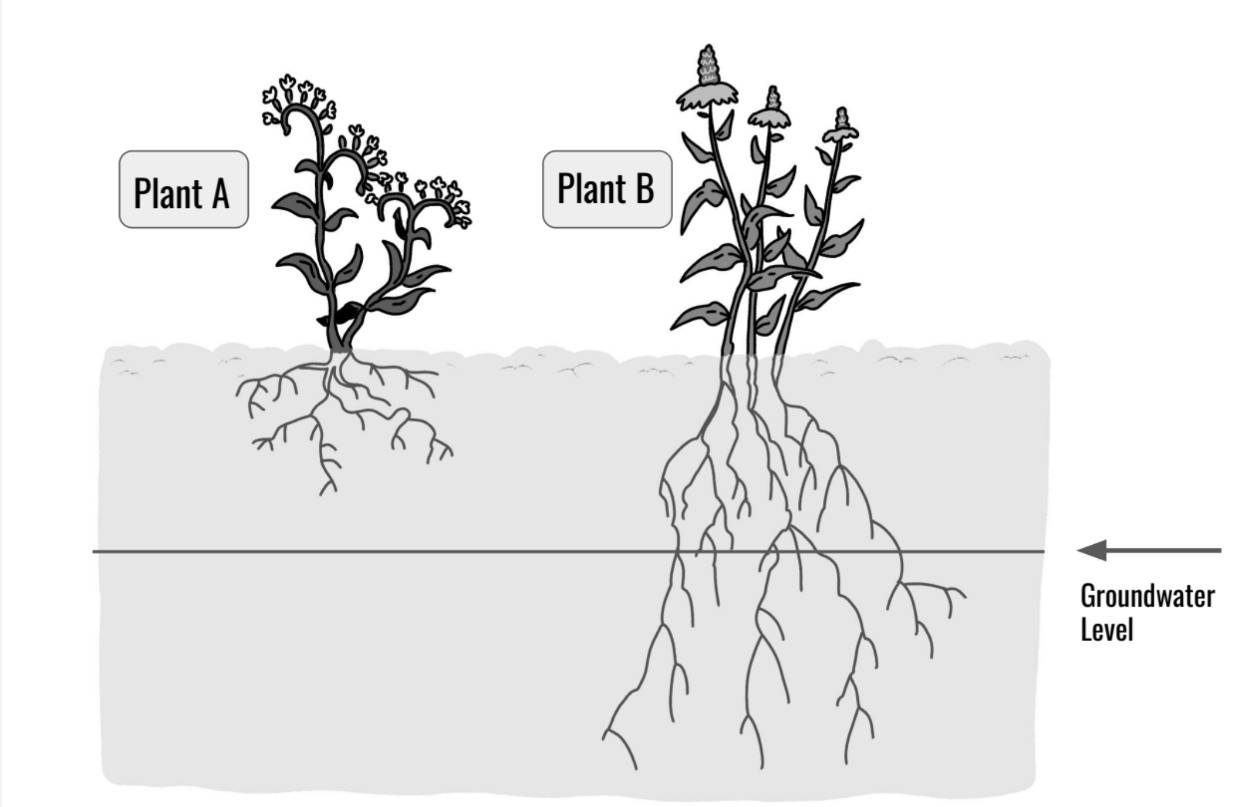
Roots are too short and shallow
200
What percentage of Earth's water is fresh water? (Small Percentage)
3%
200
Which category has the fewest squares on the map?
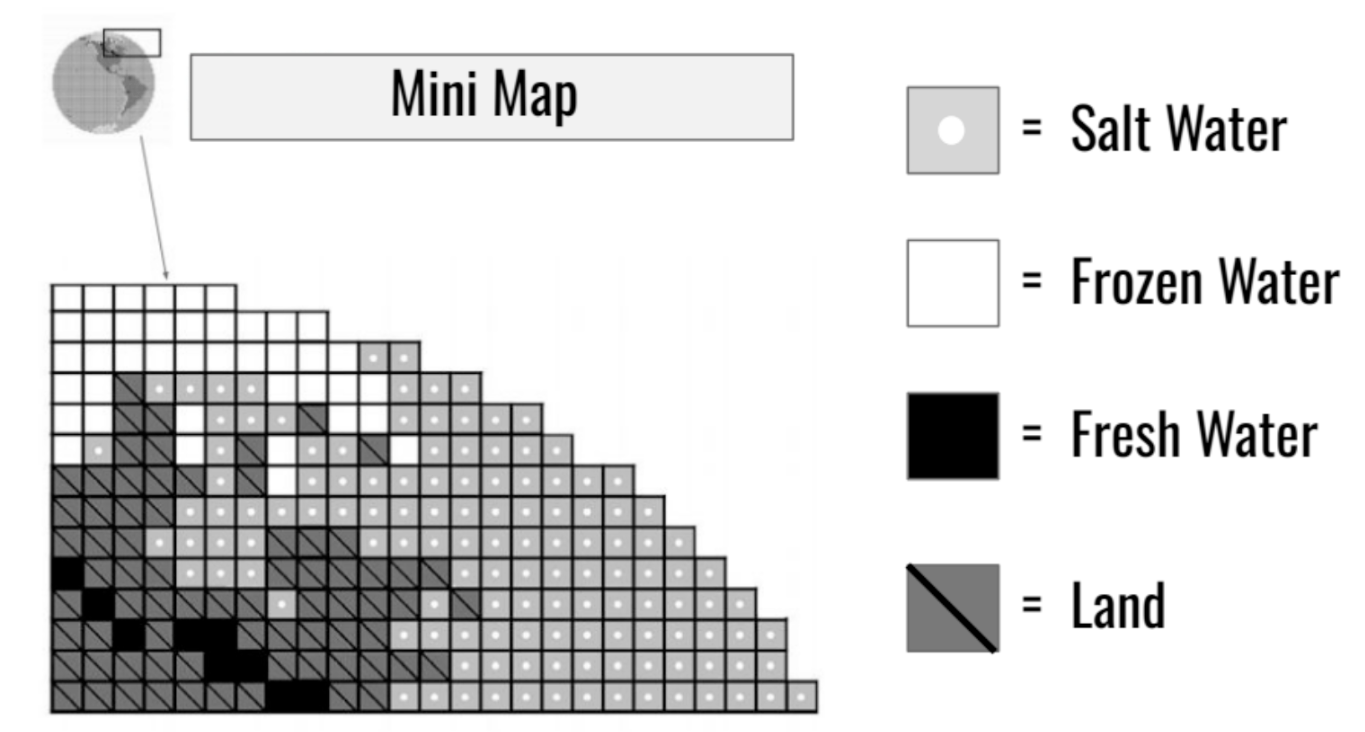
Fresh Water
300
What word best describes water falling from clouds as rain?
Precipitation
300
Which two Earth systems interact when puddles disappear after the sun comes out?
Hydrosphere and Atmosphere
300
Which plant would need less watering during a drought?
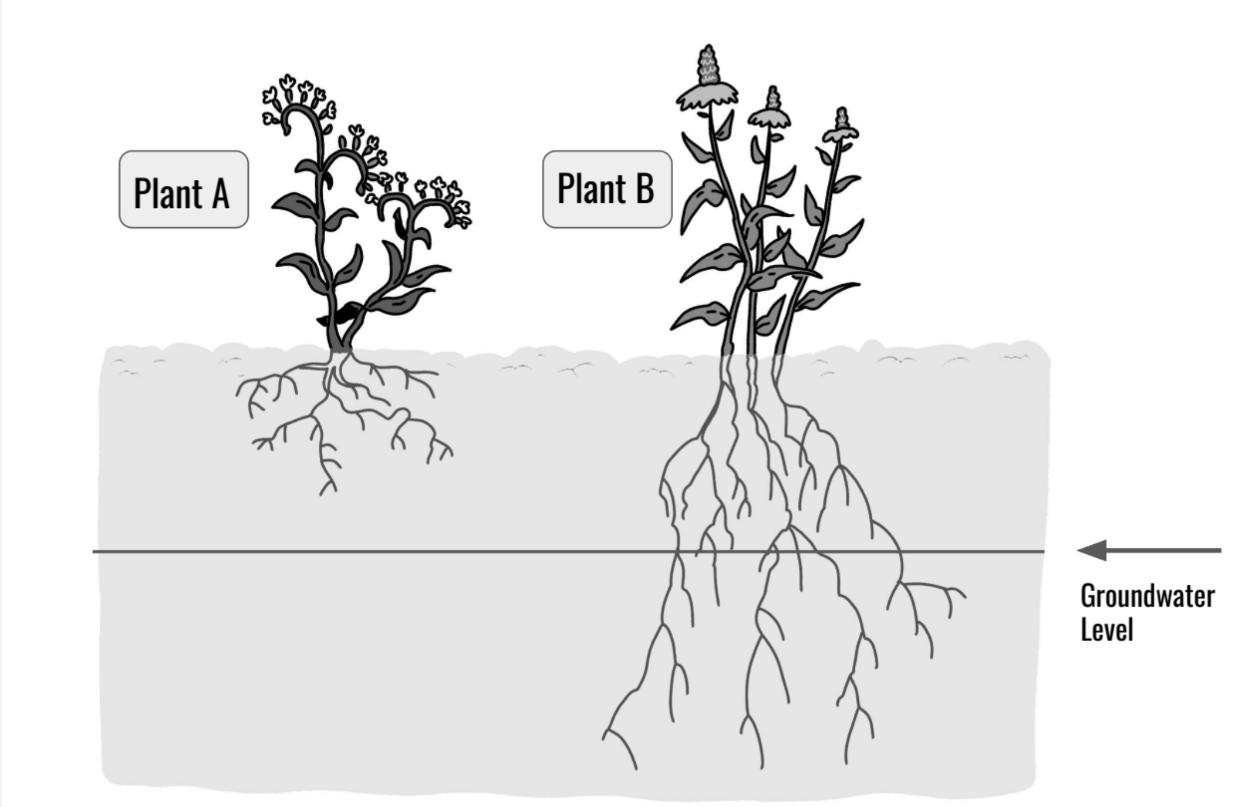
Plant B
300
Most of Earth's fresh water is stored where?
Frozen in glaciers and ice caps
300
Why is a bar graph useful for comparing land and water types?
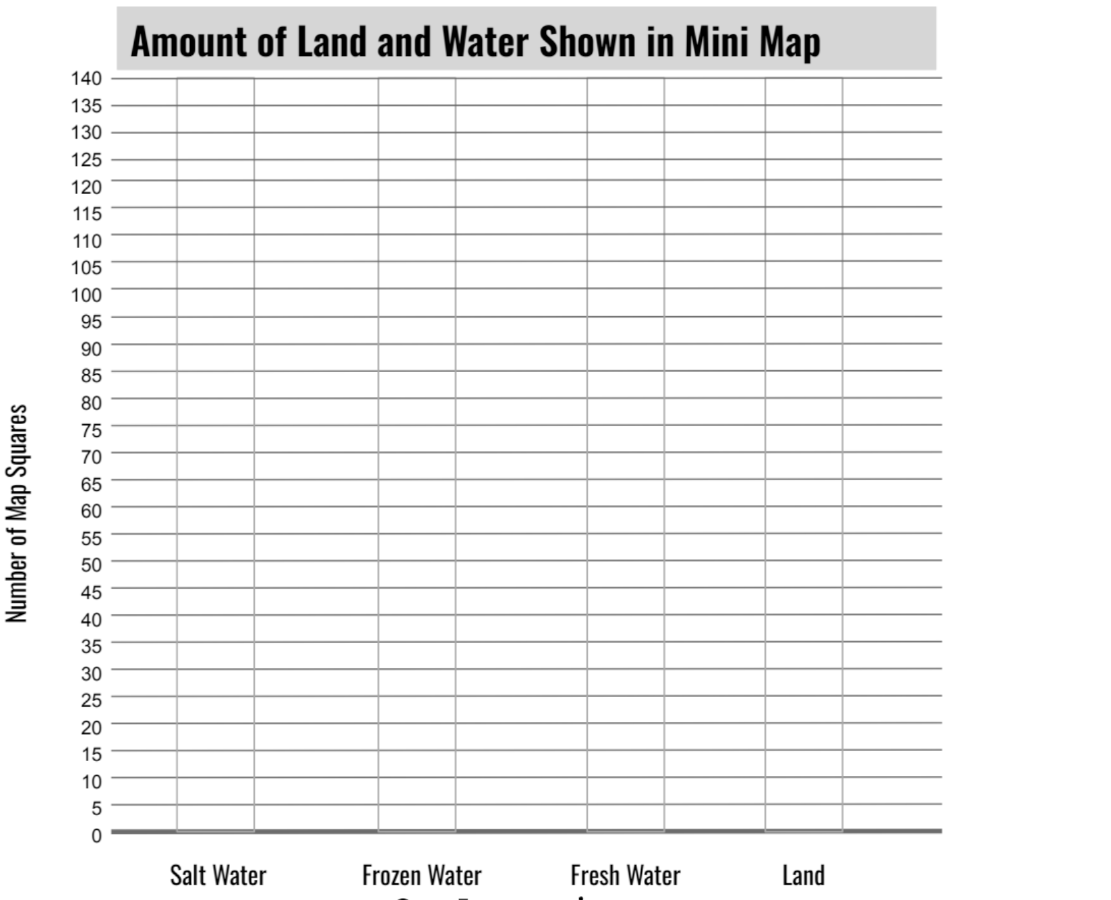
Helps compare amounts visually
400
Weh water vapor cools and forms clouds, this process is called?
Condensation
400
If rain fell on soil instead of pavement, which system would interact with water?
Geosphere (land)
400
How does groundwater help plants survive when it hasn't rained?
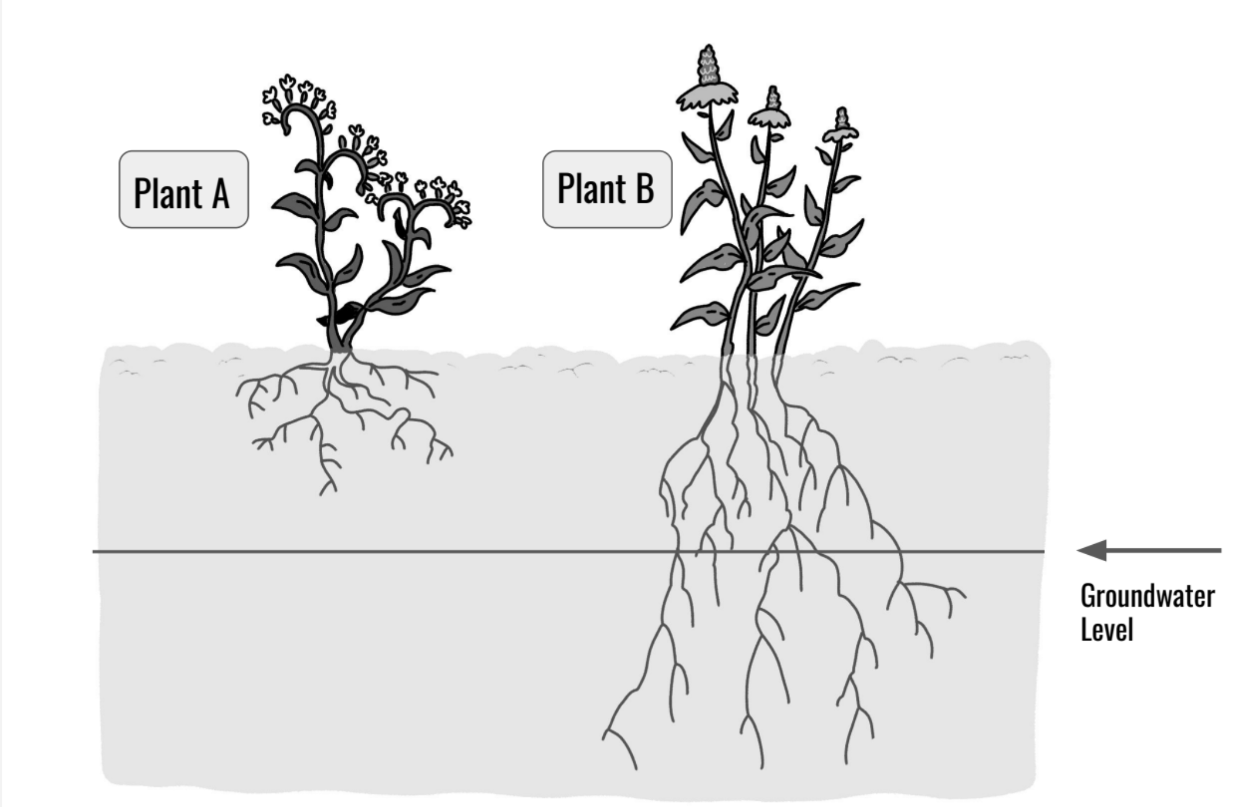
Provides water below the surface
400
Why is fresh water considered a limited resource?
Very little is available for humans to use
400
What happens to flooding when wetlands are removed?
Flooding increases
500
Put these words in the correct order: evaporation, rain, condensation, clouds
Evaporation -> condensation -> clouds -> rain
500
Name 3 Earth systems that could interact during a rainstorm
Hydrosphere, Atmosphere, Geosphere
500
Explain why deep roots help conserve water
Plants don't need to be watered as often because they can access groundwater
500
Why is protecting fresh water important for people?
Humans need it for drinking, bathing, and survival
500
Why do wetlands reduce damage from hurricanes?
They absorb water and protect land from flooding