Medical
Natural Hazards
Field Sanitation
Actions When Lost
ICS
100
List three treatment steps for heat cramps.
Move to a cool shady place, salted water or Gatorade, Massage cramped area.
100
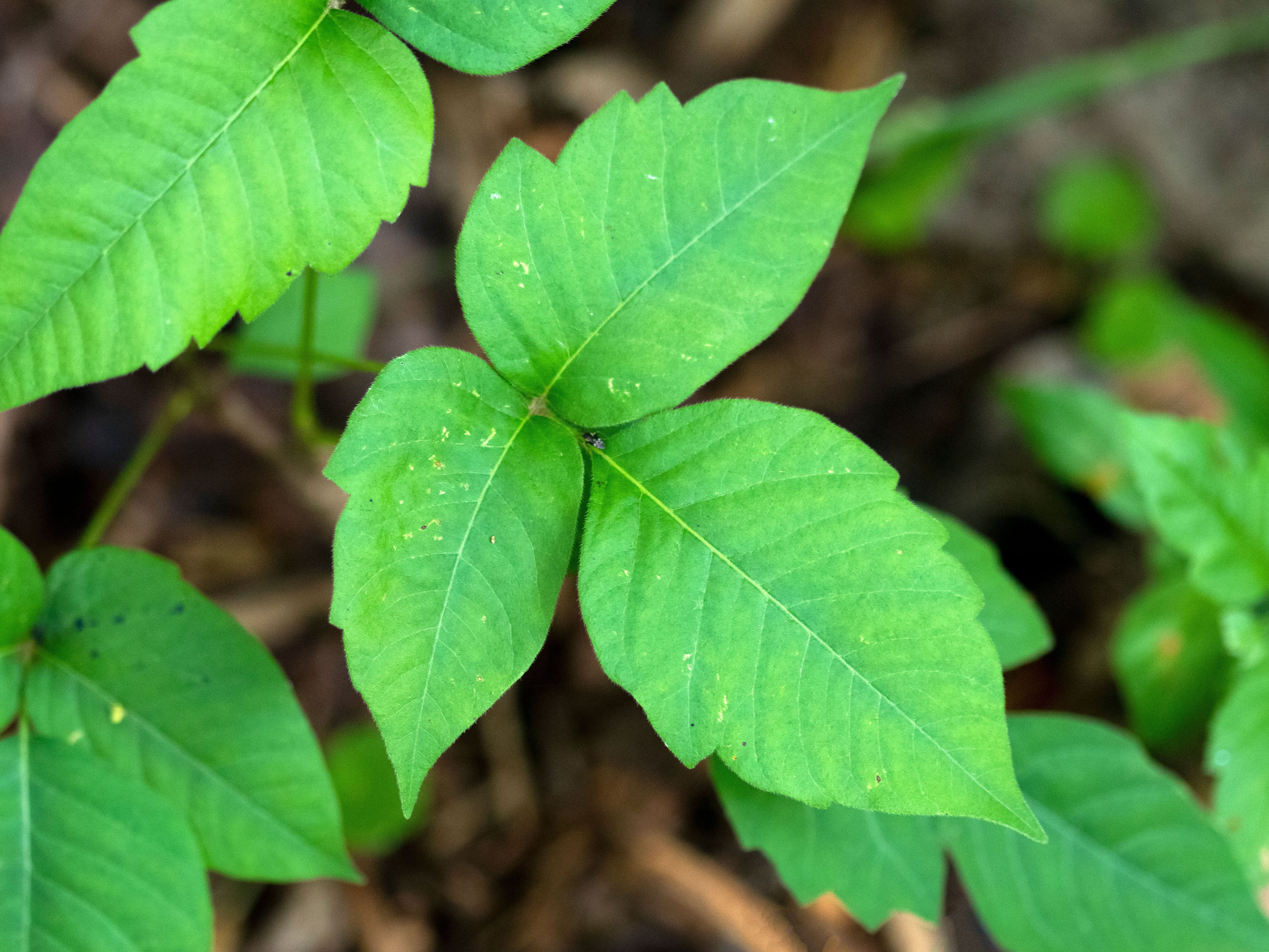
Identify this plant.
Poison Ivy
100
What is one thing you should ensure before movement for proper foot care?
Clean socks, boots broken in, boots fit properly, treat and protect blisters
100
What are the 2 acronyms that CAP uses to remember the procedures to take when lost. (Just the acronym, not what each letter means)
SURVIVAL & STOP
100
What does ICS stand for?
Incident Command System
200
List one of three treatment steps for heat stroke.
Remove clothing and away from heat sources (ie move into shade), immerse in cool water or use cold pack/wet towels, treat for shock and transport to medical care.
200

What is this snake? Is it venomous?
Copperhead, Yes
200
What is one thing you should ensure during movement for proper foot care?
Keep feet dry, change dirty or damp socks, dust feet with foot powder, adjust socks and boot lacings.
200
What is the S in STOP stand for?
Stay where you are
200
Who is the first line supervisor for ground teams in CAP?
Ground Team Leader
300
List one of 3 ways to prevent cold weather injuries while operating outdoors.
Use layer principal, exercise frequently, watch for others who have had cold weather injuries.
300
What kind of snake is this? Is it venomous?
Copperhead, yes.
300
If you get a blister you should..?
Wash with soap and water; watch for signs of redness, throbbing, and drainage; apply moleskin.
300
What does the T in STOP stand for
Think before acting rashly
300
Who do Ground Team Leaders report to?
Ground Branch Director?
400
Explain the layering principal.
Dress in multiple loose layers of clothing in order to be able to add and remove clothing as body temp rises and falls through activity.
400

What kind of snake is this? Is it venomous?
Timber/Canebreak Rattle snake, Yes
400
Who should you get permission from before you are allowed to drink unpurified water in the field.
A) Ground Team Leader
B) Incident Commander
C) Safety Officer
D) Planning Section Chief
A) GTL
400
What does the O in STOP stand for?
Observe surroundings/inhabitants
400
Who is in command of the overall incident.
Incident Commander (IC)
500
What is 1 common sign of a transition from heat exhaustion to heat stroke.
Accepted Answers: Core temp over 105F, Subject stops sweating.
500
 What type of snake is this? Is it venomous?
Corn snake, No
500
All garbage not able to be placed in proper trash receptacles in the field should be...?
Carried out.
500
What does the P in STOP stand for?
Plan for the worse (seek shelter, conserve water, etc)
500
Name 2 people on the SCWG ES Team
Wing ES Director: Lt Col A. Carnes
Asst. Wing ES Director: Maj J. Dockery, FO L. Mai
Wing ES Officer: FO L. Mai
Group 1 ES Officer: Capt. B. Dillard
Group 2 ES Officer: Capt B. Wilson
Group 3 ES Officer: 1stLt R. Ciecwierz
Group 4 ES Officer: Capt N. Davidson
ES Trng Officer - Ground: Maj. E Nason
Asst ES Trng Officer - Ground: FO L. Mai
Wing Cadet ES Officer: C/Maj J. Twilley
ES Trng Officer - Air: Maj P. Shulte
Asst ES Trng Officer - Ground: Maj J. Bell
ReadyOp Coordinator: Capt. B Dillard