Earth's History
Global Climate Patterns
Natural Resources
Human Impact
3 Pictures
100
This geological period was known for massive forests, large insects, and a high concentration of oxygen.
Carboniferous? (Mississippian & Pennsylvanian)
100
The air temperature on weather reports is only accurate for the lowest region of this lowest layer of the atmosphere, where all weather occurs.
Troposphere?
100
PVCs are used to turn this directly into electricity.
Solar Energy?
100
These energy sources are used the most, but are criticized for releasing CO2 into the atmosphere.
Non-renewables? (Coal, oil, natural gas)
100

Clair Patterson Showed up early in Unit 3 because of this important discovery using radiometric dating.
Age of the Earth?
200
We don't have many rocks surviving from the Hadean Eon, mostly due to constant bombardment from these.
Meteorites?
200
Pacific ocean temperatures are heating up fast. This means Minnesotans can expect a warm, dry winter ahead thanks to this ocean current oscillation.
El Niño?
200
Drilling and fracking get you this energy source.
Petroleum (oil)?
200
You might agree or disagree with mining sulfide ores in this Minnesota nature area.
Boundary Waters Canoeing Area? (BWCA)
200
This was one of the biomes used to introduce you to terrestrial biomes in Unit 4.
Tundra?
300

These rings were likely visible on earths surface during the LOME, an acronym for this major geological event.
Late Ordovician Mass Extinction?
300
The poles are colder than the equator, and we expect these to form as the temperatures try to balance out.
Convection cells?
300
Oxidation-reduction reactions can free up electrons. This renewable energy source catches that electron from hydrogen and oxygen.
Hydrogen Fuel Cells
300
CO2 is the one of these that causes the high temperatures on Venus.
Greenhouse gases?
300
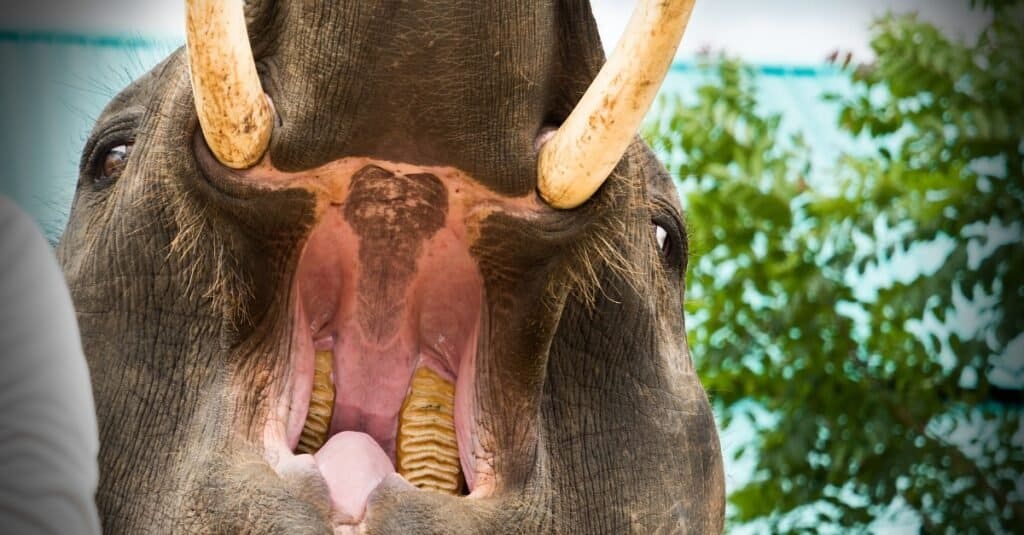
These elephant teeth were used to introduce this concept of genetic change over time due to non-random selection of traits.
Evolution by Natural Selection?
400
The Cenozoic heated up and cooled down multiple times. The last freeze was the ice age in the Pleistocene, the first time Earth had permanent ice caps since this largest mass extinction pumped CO2 into the atmosphere.
The Permian extinction (The Great Dying)?
400
Not because of sunlight, this biome has deciduous trees like ours to survive the drought between the monsoons.
Tropical Seasonal Forest?
400
This type of potential energy is highest when a spring is fully compressed.
Elastic Potential Energy (Spring)?
400
My hometown of Moorhead, MN, lies in the Red River Valley. Ancient lakes and modern flood plains add a lot of clay to the soil, but it is still this texture, good for agriculture.
Loam? (Silty-clay loam, clay loam)
400
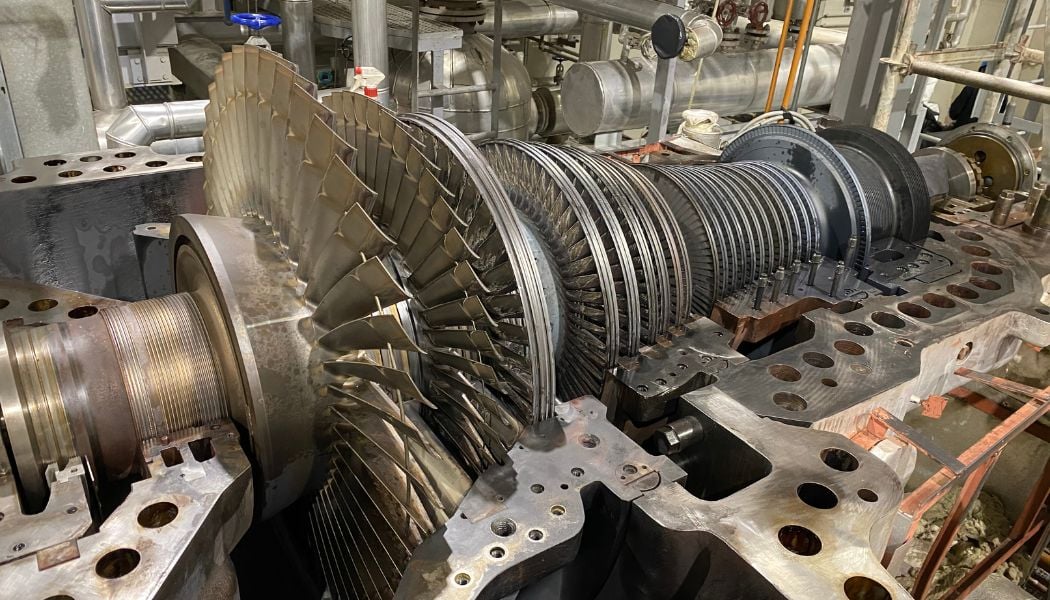
Most of our energy sources rely on these; with this variety, the "combined cycle", appearing in your Unit 5 slides.
Steam Turbine?
500
The triassic gets its name for a specific triple layer of these 3 different rock types.
Sandstone, Limestone, Clay?
500
If it's too dry on the equator, you have enough sun for plants but not enough water for forests. These areas are considered this biome.
Tropical Grassland (Savanna)?
500
Water causes this in loose soil while wind causes it in sandy soils.
Erosion?
500
From our 3 pictures, this is why some data can show climate change and some data cannot.
Heteroscedasticity?
500

The name of this weather system was used to think about the relationship between weather patterns and biomes.
Cloudburst?