Muffins
Campfires
Fall Treats
Harvest
Doughnuts
100
What are some of the most popular flavors of muffins? What is your favorite?
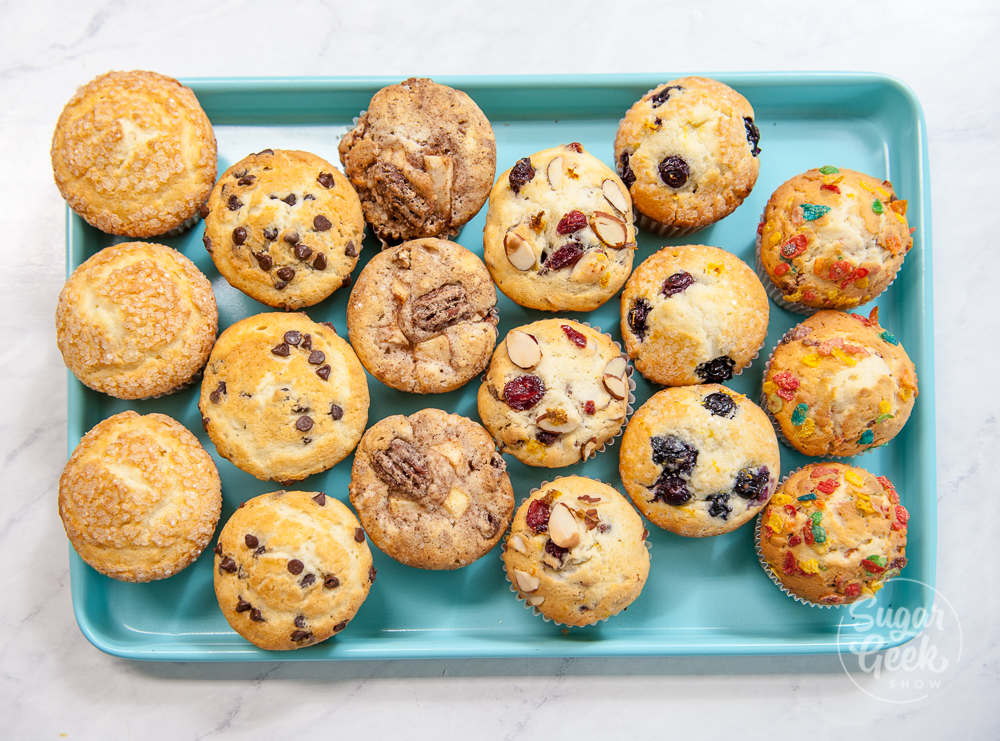
The most popular flavors of muffins are blueberry, banana nut, chocolate chip, bran, lemon poppyseed, apple cinnamon, chocolate, corn and poppyseed.
Muffins have been a beloved baked good for centuries, with their origins dating back to the 18th century in England. Originally a type of quick bread, muffins were made with yeast and cooked on a griddle. In the 19th century, the invention of baking powder led to the creation of the modern muffin we know today, which is baked in a muffin tin. Muffins have since evolved to include a wide variety of flavors and ingredients, becoming a staple in breakfast and brunch menus around the world.
100
What sweet treats do people typically make over campfires using sticks?

S'mores!
S'mores history begins with the 1911 mention of marshmallow roasting in a Boy Scout handbook and the 1927 publication of the first "Some More" recipe in the Girl Scout manual Tramping and Trailing with the Girl Scouts by Loretta Scott Crew, which popularized the treat as a mixture of toasted marshmallow, chocolate, and graham crackers. The name "s'more" evolved from the original "Some More" and was first found in a 1938 guide, but the basic recipe has largely remained the same.
100
This classic dessert with a spiced custard filling in a pastry crust is a staple of North American fall and winter holidays, made from the inside of a certain popular autumn gourd.
:max_bytes(150000):strip_icc()/MSL-1511079-pumpkin-pie-hero-3x2-11511-c9c4b6f36f6544578ea9166ae998b1af.jpeg)
Pumpkin Pie
What were these “former Pumpkin Pies” like? At the time, pumpkin pie existed in many forms, only a few of which would be familiar to us today. A 1653 French cookbook instructed chefs to boil the pumpkin in milk and strain it before putting it in a crust while a 1670 copy of Gentlewoman's Companion advocated a pie with layers of spiced pumpkin and apple. By the early 18th century pumpkin pie had earned a place at the table, as Thanksgiving became an important New England regional holiday. In 1705 the Connecticut town of Colchester famously postponed its Thanksgiving for a week because there wasn’t enough molasses available to make pumpkin pie.
100
What crops are usually harvested in the autumn?
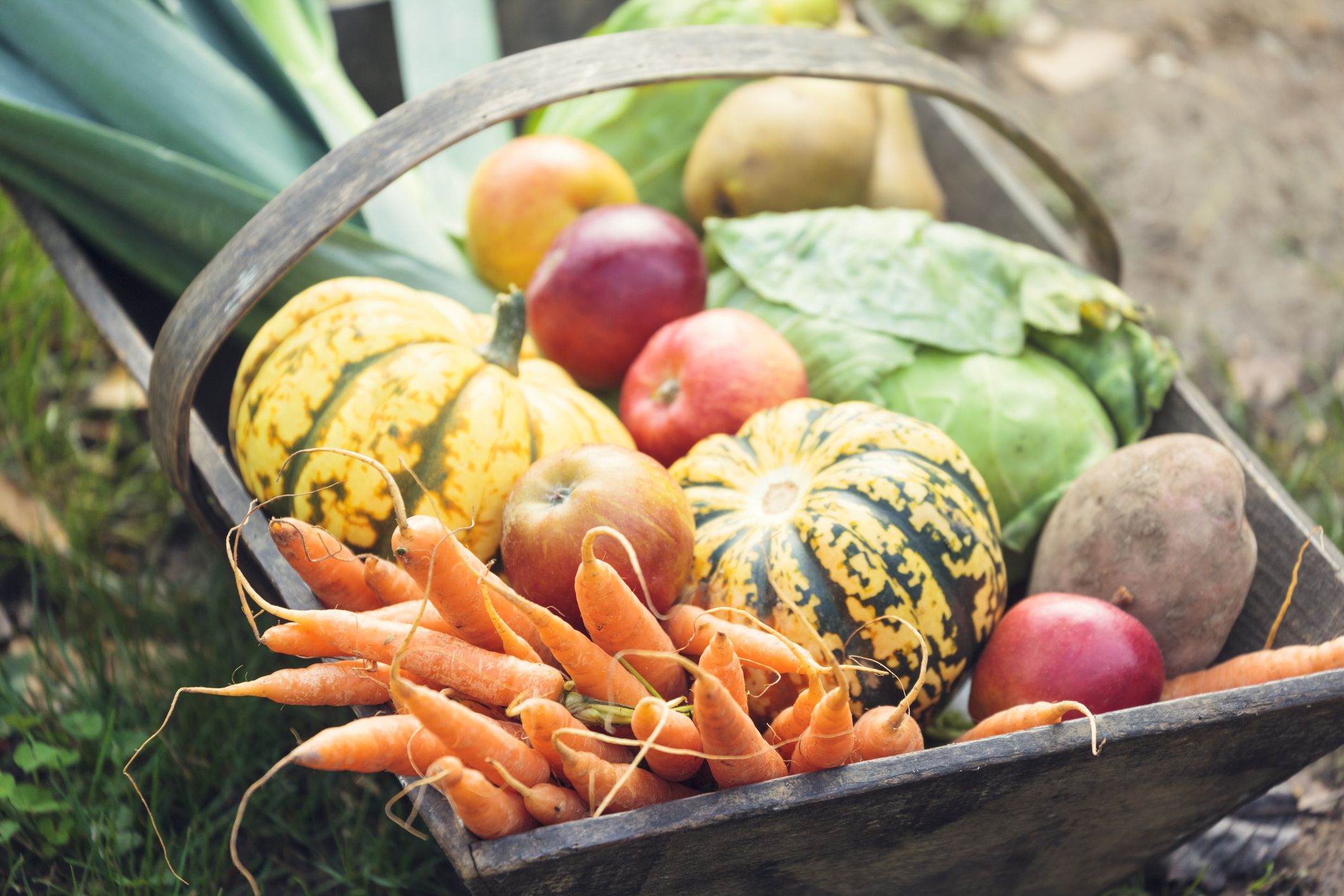
Apples, pumpkins, squash, carrots, potatoes, broccoli, cauliflower, Brussels sprouts, and leafy greens like kale and spinach.
Harvest comes from the Old English word for autumn, Haerfest, and means to reap, gather and store what has been grown. This season is associated with abundance and joy as it is the culmination of many months of hard work. Many cultures around the world celebrate this season with traditions and festivals, such as Thanksgiving, all rooted in gratitude for crops and food.
100
What are some popular doughnut flavors? What is your favorite?

Some popular flavors are glazed, cream-filled, jelly-filled, old-fashioned cake, sprinkles and chocolate.
The glazed donut evolved from ancient fried pastries and Dutch oily cakes, with the modern ring-shape popularized in the 19th-century United States by Hanson Gregory in 1847 to improve cooking. The 20th century saw the donut's mass commercialization and integration into American culture, boosted by the rise of major chains like Dunkin' Donuts and Krispy Kreme, the latter becoming famous for its iconic hot, fresh glazed donuts.
200
True or False: American muffins and English muffins are the same thing, just from different countries.
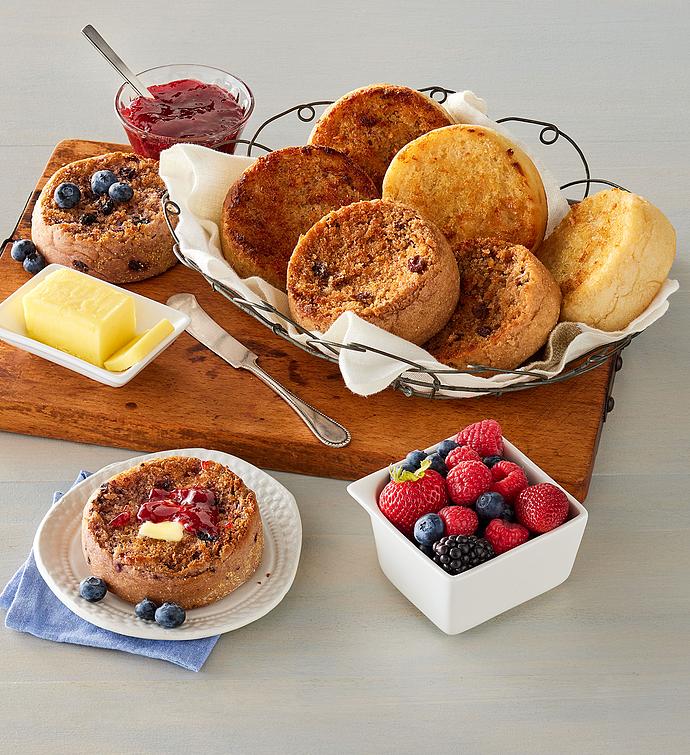
True!
An English muffin is a yeast-leavened, griddle-cooked flatbread with a dense, chewy texture and distinct "nooks and crannies" that is not sweet. In contrast, an American muffin (or quickbread muffin) is a cake-like, baked item with a soft, crumbly texture, made from a sweetened batter and typically containing fruit, nuts, or other fillings.
200
True or False: Campfires can burn at a temperature of 900 degrees Fahrenheit.

True
At its peak, a campfire reaches a temperature around 900 degrees Fahrenheit. That's hot enough to melt down soft metals such as lead or zinc, but too cool to bake a clay pot in.
200
This classic fall treat features a certain fruit typically harvested in the autumn, with a sweet, chewy coating added then put on a stick for easy and mess-free eating.
:max_bytes(150000):strip_icc()/ar-21130-caramel-apples-ddmfs_7974-fa501081790148ac94770eb2da15f29a.jpg)
Caramel Apples
The legend goes that the first caramel apple was created in the 1950s. A Kraft Foods employee discovered the recipe while experimenting with excess caramels from Halloween sales. He melted the caramels down and dipped the apples into it, and the rest is history. Then, in 1960, a shop worker named Vito Raimondi invented and then patented the first caramel apple machine with the help of his uncle William, who owned a confectionery company in Chicago. The Raimondi machine-dipped caramel apple company is still in business! Since its origins decades ago, the caramel apple has evolved into a delicious candy wonder with numerous variants, adding anything from chocolate to chopped nuts on top of caramel apples.
200
True or False: Turnips are harvested and traditionally carved into jack-o-lanterns in the Autumn.

False, it's pumpkins!
The history of jack-o'-lanterns dates back to the Irish legend of Stingy Jack, a man who tricked the devil and was cursed to wander the Earth with only a burning coal in a carved-out turnip for light. Irish and Scottish immigrants brought this tradition to America, where they began using native pumpkins, which are easier to carve, to make these lanterns as part of Halloween festivities to ward off evil spirits.
200
True or False: There are 5 billion doughnuts made in the U.S. each year.

False, it's 10 billion!
While donuts are widely associated with American culture, they are enjoyed in various forms around the globe. In the United Kingdom, for example, donuts are known as “doughnuts” and are often filled with jam or custard. In Germany, they are called “Berliner” and are similarly filled with sweet preserves. In France, you might find “beignets,” which are deep-fried pastries dusted with powdered sugar.
300
Where does the Muffin Man live?
a. Jam Boulevard
b. Glazed Avenue
c. Dessert Drive
d. Drury Lane
d. Drury Lane
Victorian households had many of their fresh foods delivered, such as muffins, which were delivered door-to-door by a vendor known as a muffin man. The "muffin" in question was the bread item also known as an English muffin, not the typically sweeter U.S. variety of muffin. Drury Lane is a thoroughfare bordering Covent Garden in London. Urban legend claims that a local baker named Frederick Thomas Lynwood who lived on Drury Lane in London lured children into a dark alley by tying baked goods such as English muffins onto a string in order to murder them but there are actually no historical records of Lynwood!
300
Dating back as far as 1.9 million years ago, where were some of the first campfires believed to have been made?
a. Africa
b. Europe
c. Asia
d. South America
a. Africa
Evidence suggests early campfires originated in Africa, with the first controlled fire usage by hominids like Homo erectus dating back to at least 1.5 million years ago in places like Swartkrans Cave, South Africa. Further evidence includes findings at sites in Kenya and Ethiopia, establishing Africa as the cradle for the human use of controlled fire. One of the earliest discoveries of controlled fire use comes from Swartkrans Cave, where burned bones and ash were found, dating to approximately 1.5 million years ago. Other sites in Kenya, such as those near Lake Turkana, also provide evidence of early fire use by hominids, with dates exceeding 1.8 million years ago.
300
This unfiltered, non-alcoholic and unsweetened beverage is made by pressing a certain fruit down, typically spiced and served hot or cold.

Apple Cider
Apple cider originated thousands of years ago in the Ancient Near East and was enjoyed by Greeks and Romans. Early settlers brought cider knowledge to America, where fermented "hard cider" became a staple due to its safety over contaminated water and the difficulty of growing grains for beer. Its popularity declined after Prohibition due to economic changes, the rise of industrial beer production, and changing tastes, though it has seen a modern resurgence.
300
Which crop is harvested in Autumn and often used for fall decorations with dried husks intact?
a. Oats
b. Apples
c. Wheat
d. Corn
d. Corn
Native Americans cultivated corn and used various parts of the plant, including stalks and husks, for practical items like dolls, mats, and baskets. During harvest, corn was brought into homes to symbolize the "spirit" of the grain and was believed to provide good fortune for the coming year.
300
Doughnuts were served to soldiers in the trenches of France during which war?
a. Civil War
b. Revolutionary War
c. World War I
d. World War II
c. World War I
When women of Salvation Army volunteered to join the front lines of World War I to support the American Expeditionary Force, they were given a few obvious supplies: gas masks, helmets and .45-caliber revolvers. But it turned out what they needed most were things much harder for the Army to supply: rolling pins, cookie cutters, flour and sugar. In September 1917, four women, all members of the evangelical Christian charitable organization, traveled to the camp of the 1st Ammunition Train, 1st Division, mere miles from the trenches of eastern France. Initially they provided the same wholesome activities they’d provided stateside: religious services, music played on a Victrola, and treats like hot cocoa and fudge. Then two of the women hit on a novel idea: what if they made donuts to remind the men of home?
400
What are the main ingredients in a muffin?
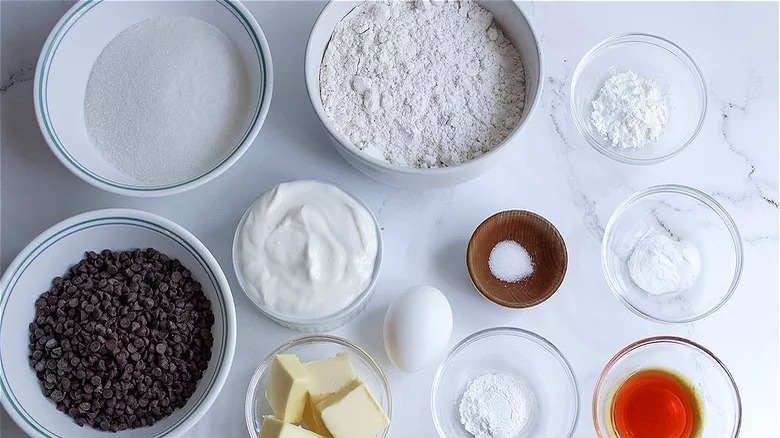
The main ingredients for a basic muffin are all-purpose flour, sugar, baking powder, salt, milk, butter or oil, and eggs.
Flour: All-purpose flour forms the muffin's structure. Sugar: Provides sweetness. Baking Powder: Acts as a leavening agent, helping the muffin rise. Salt: Enhances the overall flavor. Milk: Adds moisture and helps to create the batter. Fat (Butter or Oil): Butter provides flavor, while neutral oils like vegetable oil contribute to a tender and moist crumb. Eggs: Bind the batter together, add moisture, and contribute to richness. Vanilla Extract: (Optional) Adds flavor but isn't a necessary component for the basic structure.
400
Are the red or blue flames in a fire hotter?

Bonus: What causes different colors in fires?
Blue!
The hottest flames are those that burn with a violet, ultra-violet, indigo and blue color. This may surprise those accustomed to associating heat with the vibrant oranges and reds seen in a crackling campfire or the glowing embers of a dying flame. However, these blue and purple flames indicate the presence of a more intense and efficient combustion process, typically reaching higher temperatures than their yellow or red counterparts.
Bonus: Fire's color varies due to temperature, chemical composition, and fuel-oxygen interactions, causing different molecules to emit light at specific energy levels.
400
This rustic, comforting dessert is made from a day-old baked good soaked in a rich, spiced custard and baked until golden, often cited as a common "poor man's" dessert as it used up stale ingredients.
:max_bytes(150000):strip_icc()/Bread_Pudding_010-0a3c02ca49e04903b663fd4ae5796392.jpg)
Bread Pudding
Bread pudding has roots in 11th and 12th-century Europe, evolving from the need to use stale bread to prevent food waste. Early versions, popular in medieval England and known as "poor man's pudding," were simple, often made with water-soaked bread, sugar, and spices. Over centuries, the dish spread to America and beyond, with regional variations emerging. In the 20th century, chefs like Paul Prudhomme helped popularize more luxurious, modern versions featuring ingredients like bourbon and chocolate, transforming it into a celebrated dessert found worldwide.
400
What cereal grain, harvested in Autumn, is a primary ingredient in traditional Oktoberfest beer?
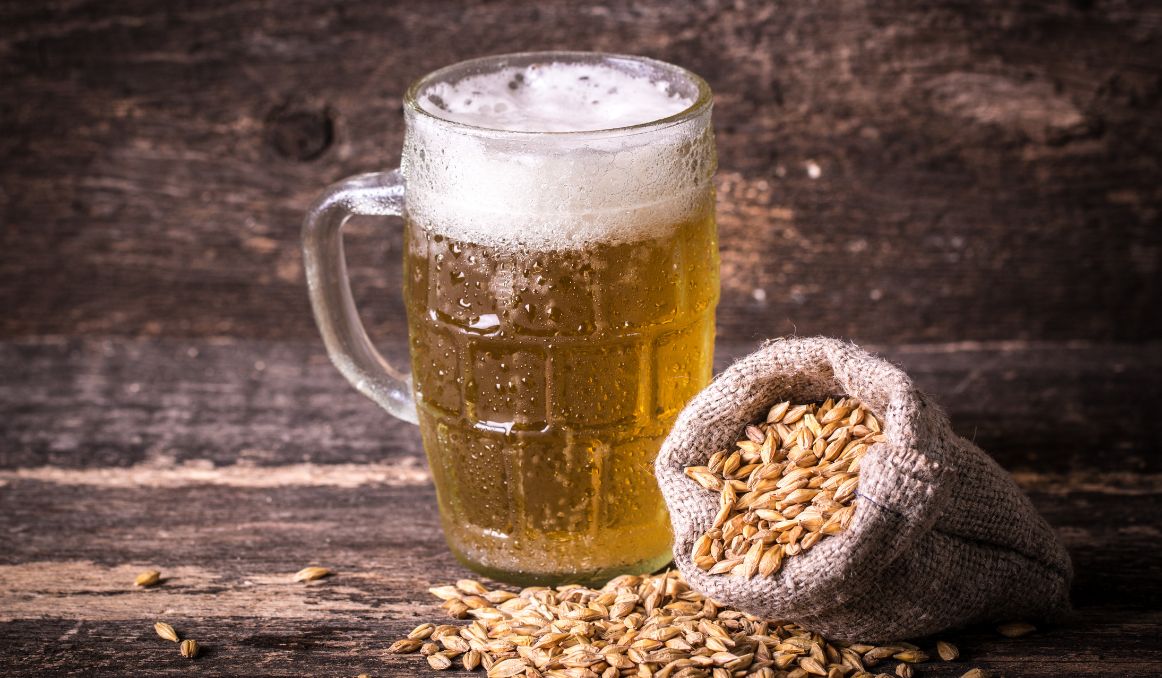
Hint: It starts with a B.
Barley
Barley is used in beer because the malting process activates enzymes that convert the grain's starches into fermentable sugars, which yeast uses to produce alcohol and carbon dioxide. Barley's unique structure and husk also make it an ideal and widely available ingredient for its ability to retain shape, regulate water, and provide necessary enzymes.
400
What fast food chains sell doughnuts? Which do you think sells the most per year?
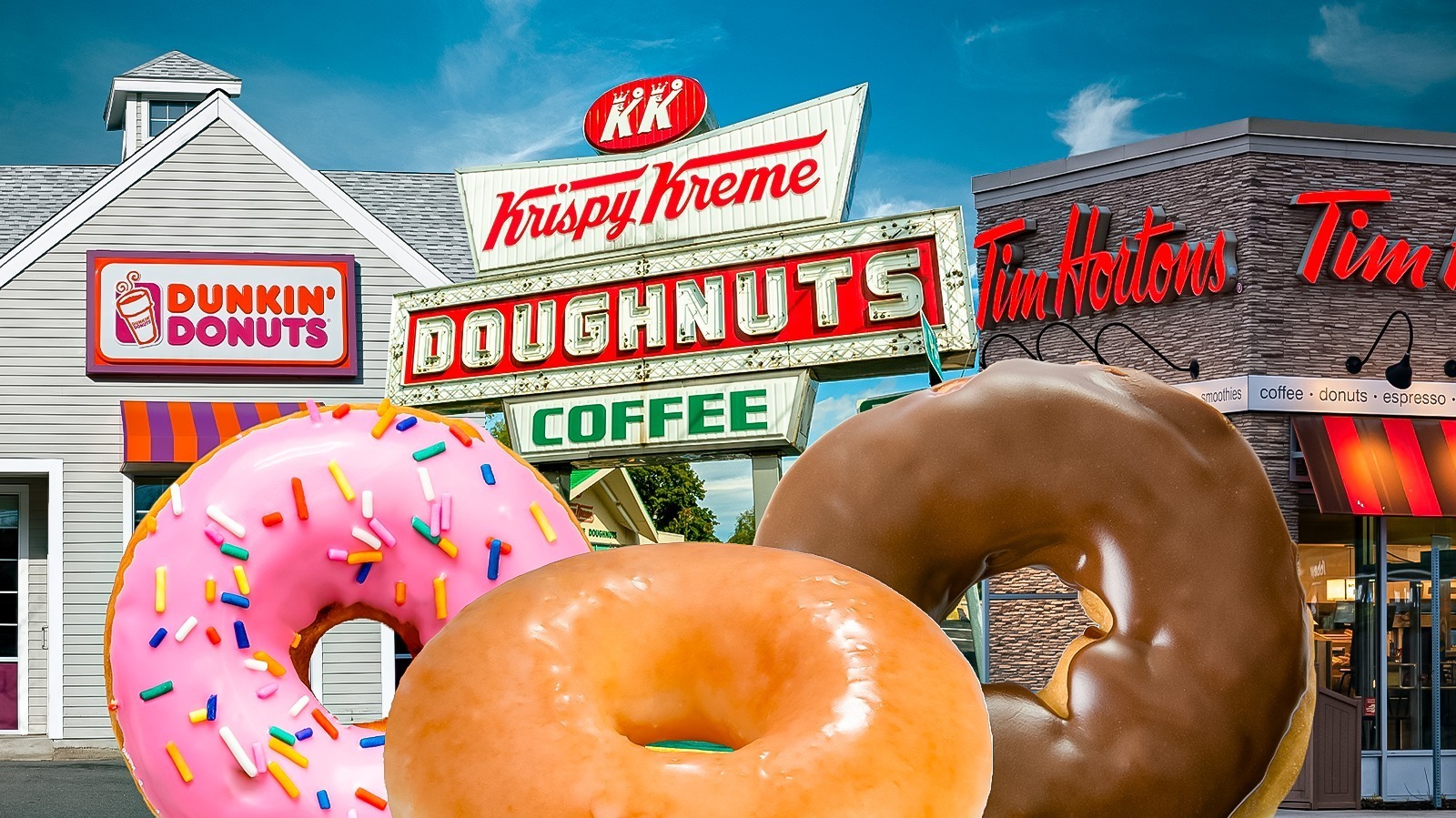
Dunkin' Donuts, Tim Hortons and Krispy Kreme (as well as less known ones like Shipley Do-Nuts, Winchell's Donut House and Daylight Donuts).
The fast food chain that sells the most donuts is Dunkin', selling more than 2.9 billion donuts annually, including their "Munchkins". Dunkin’ Donuts is the largest donut chain, with 11,000 stores in 33 countries. Originally named Kettle Donuts, it opened in 1948 and by 1950 adopted the name Dunkin’ Donuts as it was sold as franchises. Although not all of “America Runs on Dunkin’”, Massachusetts certainly does. During the lockdown after the marathon bombings, Dunkin’ Donuts stayed open to serve the police officers during their manhunt for the marathon bombers.
500
What country does the word "muffin" originate from?
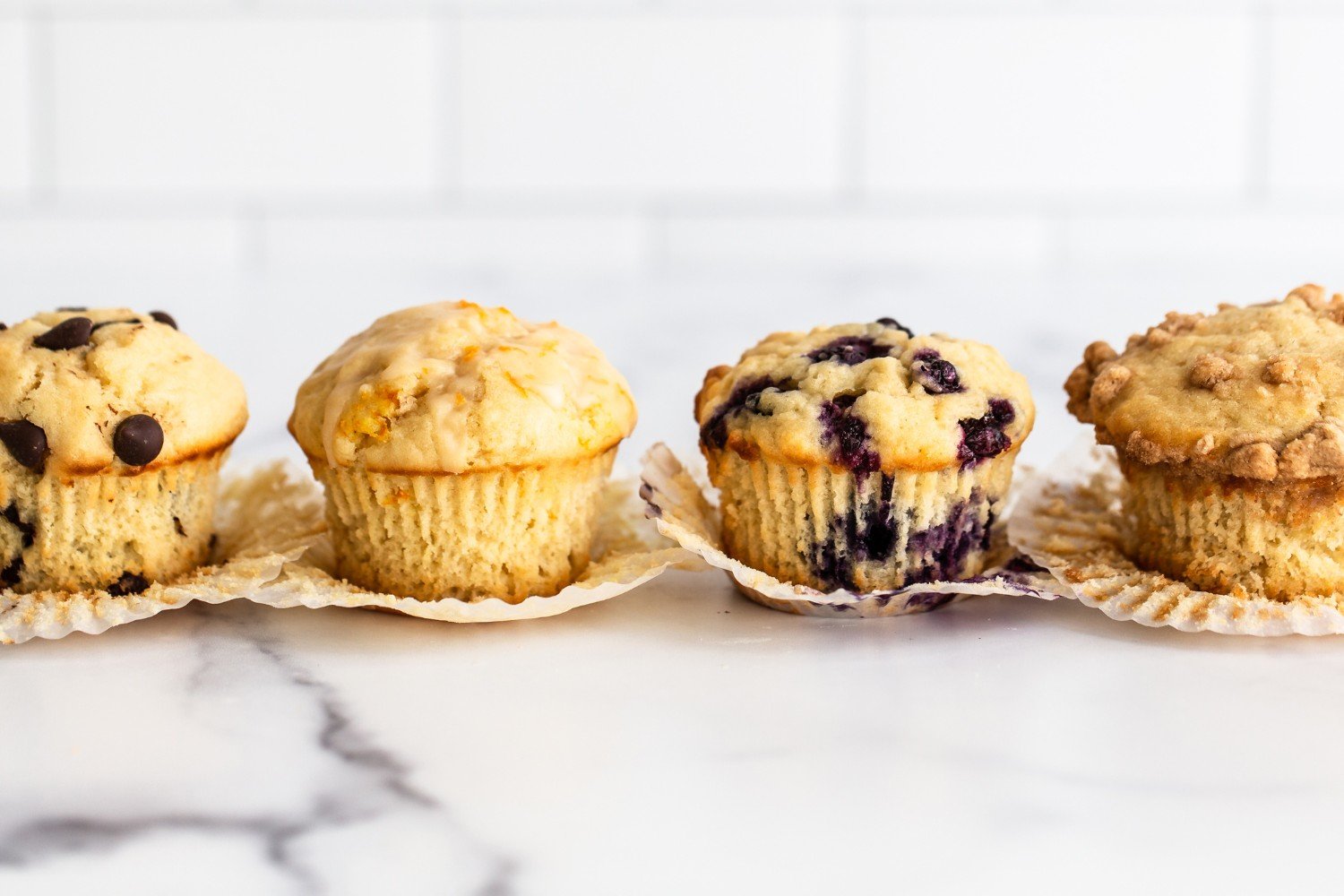
Muffins are thought to have originated in Wales in the 18th century. The term "muffin" most likely comes from the French word "moufflet," which means soft bread.
Originally, muffins were flatbreads cooked on a griddle. Muffins became popular in England during the 19th century, especially as a breakfast food. Street vendors would sell freshly baked muffins door-to-door, and they were often enjoyed with butter or jam. Muffins were introduced to America by English immigrants in the 19th century. They quickly became a popular baked good, especially in New England.
500
What are some other uses for a campfire besides cooking things and keeping warm?

Campfires can also be used for water purification, drying clothes, insect repellent (from smoke), offering light for visibility and a beacon for finding your way back to a campsite, deterring predators and a backdrop for telling scary stories!
Campfire stories evolved from ancient human tradition to modern military and youth group pastimes, initially serving to keep guards awake during wartime and foster camaraderie. The term "campfire story" emerged in the mid-1800s, linked to military exploits and adventure tales, and became a key part of youth organizations like the Boy Scouts and Girl Scouts. Today, they encompass diverse narratives from folk tales, local legends, historical events, and personal accounts, and are celebrated in various forms, from books and podcasts to national park programs.
500
This dessert is made with pieces of a certain fruit that have been simmered until soft and then sweetened and spiced.
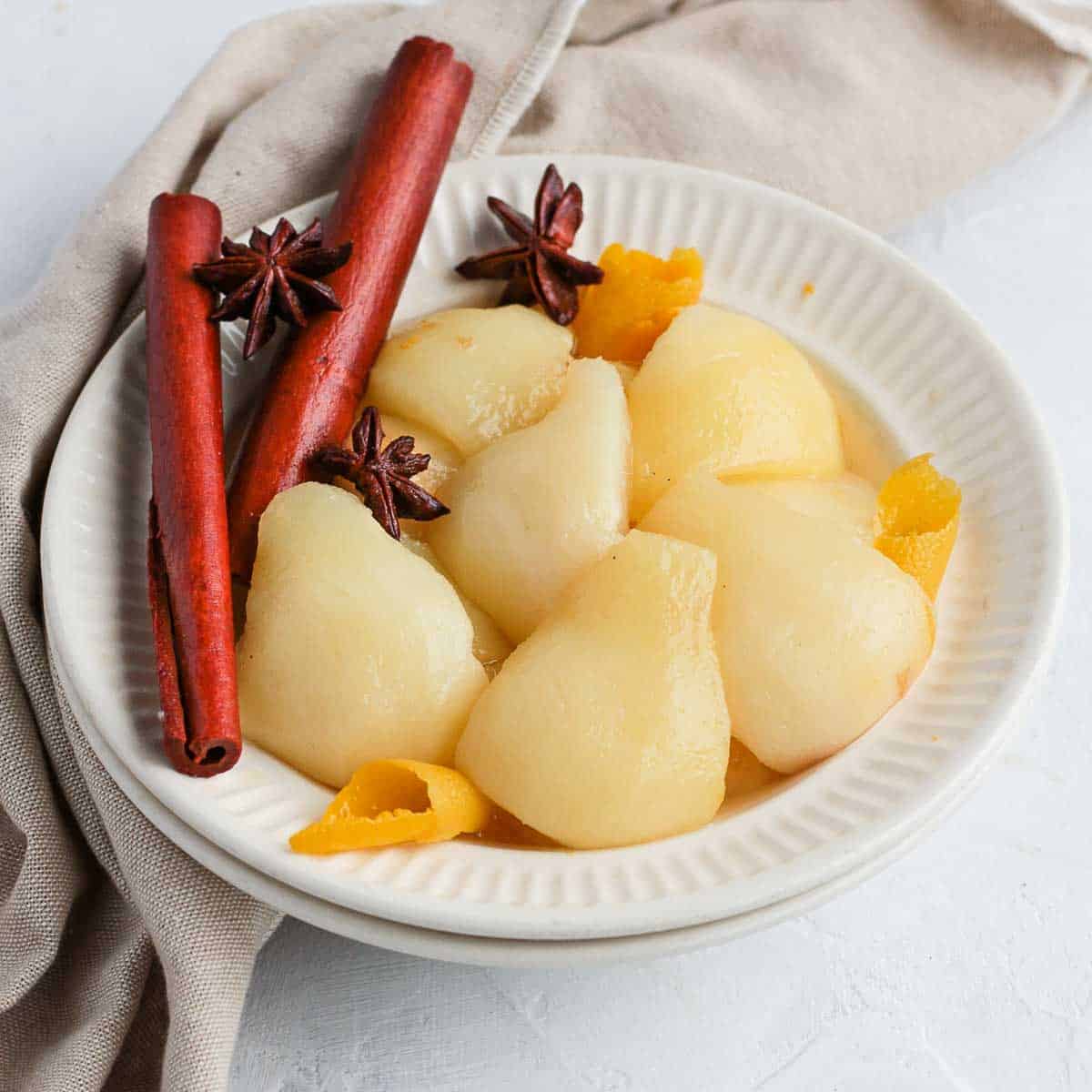
Stewed Pears
The history of stewed pears is intertwined with the long-standing European culinary tradition of poaching or cooking fruit in liquid, with origins possibly dating to the Middle Ages. The technique was used to preserve fruits and add flavor with sugar and spices like cinnamon and cloves, and today, stewed pears remain a popular dish in countries like the Netherlands and Belgium, often served with game or meat dishes and as a dessert with ice cream.
500
Name the harvest vegetable:
1. Crunchy root vegetables that are typically orange and favored by rabbits.
2. Colorful, edible leafy green vegetables in the beet family, known for their vibrant stalks, mistakenly believed to have originated in Switzerland.
3. A nutrient-rich, affordable leafy vegetable often used in cooking and to make sauerkraut and kimchi.
4. Fast-growing, root vegetables in the mustard family, known for their crisp texture, commonly round and red.
1. Carrots
2. Swiss Chard
3. Cabbage
4. Radish
Fall harvest vegetables are plants that thrive in cooler weather, with examples including hearty greens like kale and spinach, root vegetables such as carrots and beets, and cold-hardy cole crops like broccoli and Brussels sprouts. These vegetables are typically planted in late summer, with some needing to be started indoors as transplants and others direct-sown into the garden. Many fall vegetables, especially greens and root crops, taste sweeter after a light frost.
500
When doughnuts became popular in the 1830s, what did bakers add to help them cook more evenly?
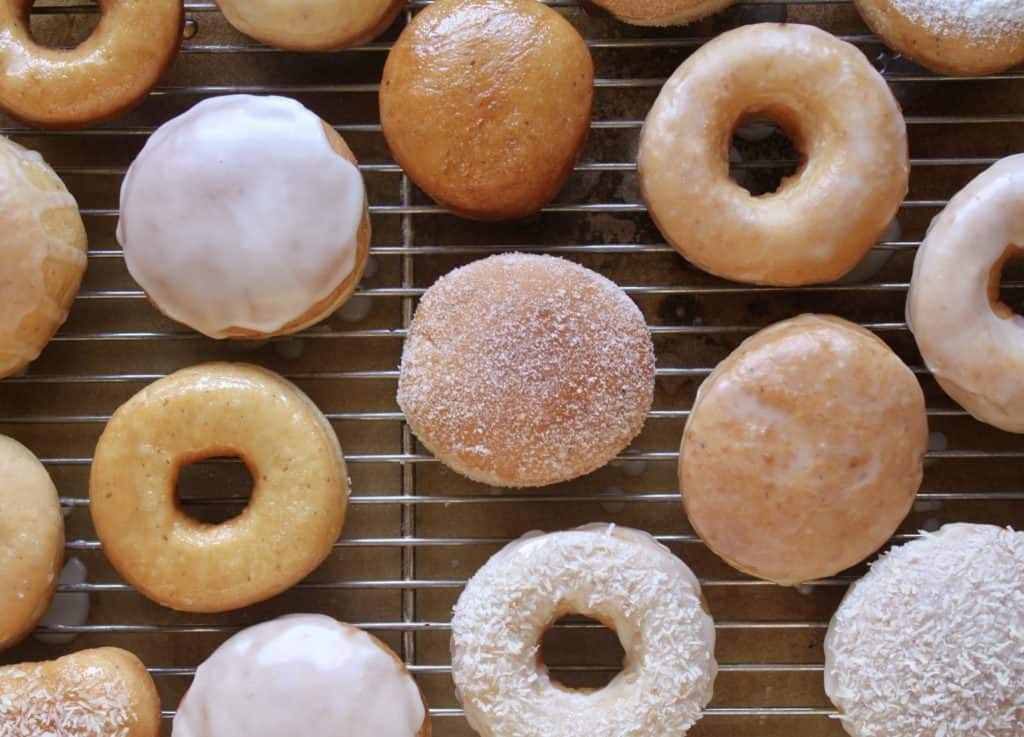
A hole!
Donuts have holes so they can cook more evenly by exposing more surface area to the hot oil, preventing an undercooked, doughy center and an overcooked exterior. This practical solution was reportedly invented by Captain Hanson Gregory in the mid-19th century when he cut the center out of a fried cake to ensure a perfectly cooked doughnut.