Music
Film
Television
Sports
Potpourri
100
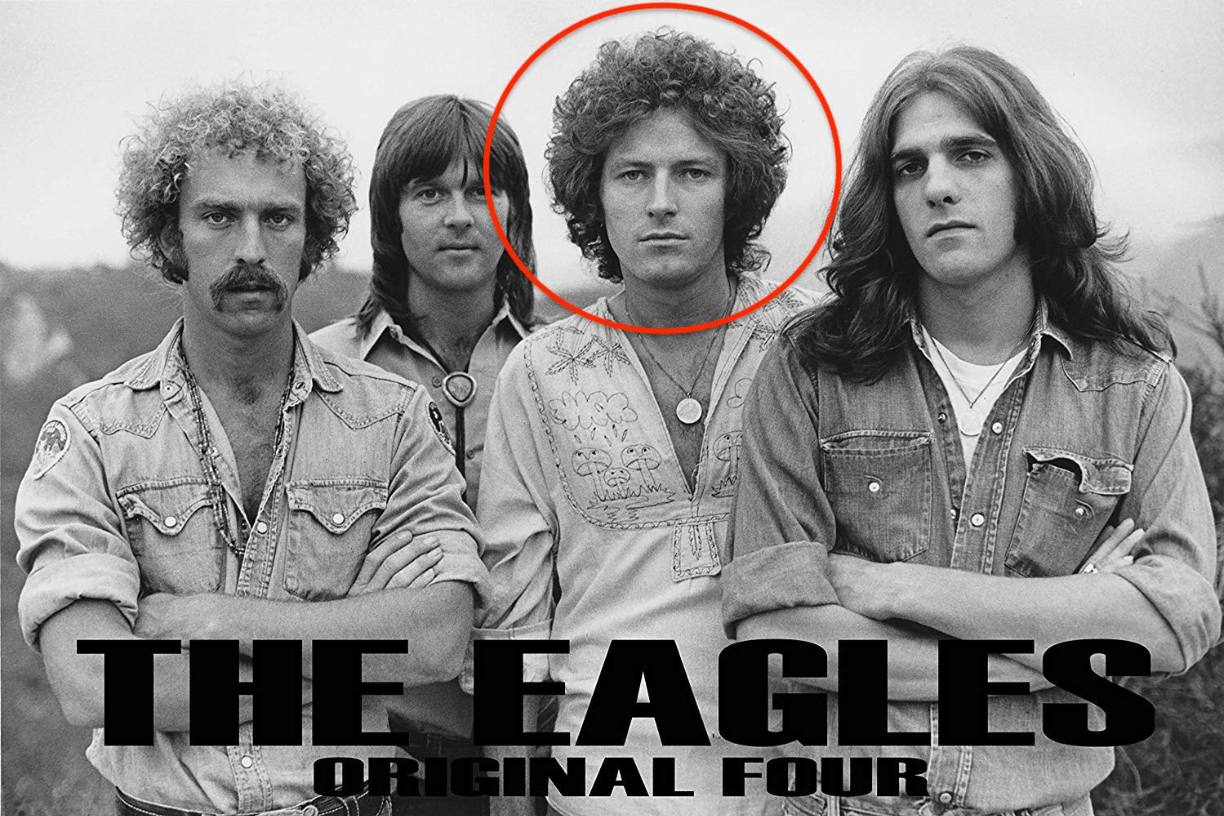
Judge Solis granted summary judgment for Eagles vocalist and musician Don Henley on his right-of-publicity claim after what retail clothing store ran this print advertisement in 1997, rejecting the retailer’s argument that a fact issue remained for the jury because the advertisement neither included an image of Don Henley nor the name “Don Henley”:
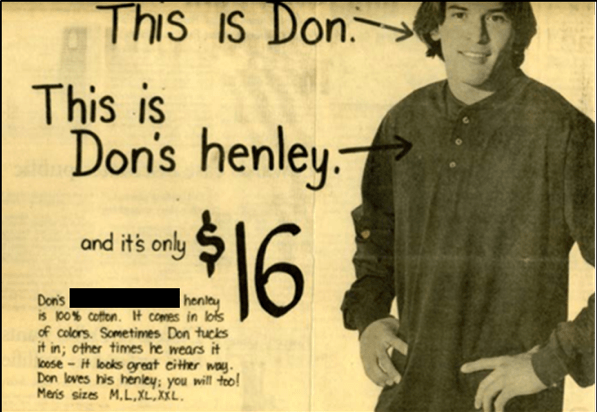
A. Mervyn’s
B. Urban Outfitters
C. Dillard’s
D. J.C. Penney
C. Dillard’s
100
Fake celebrity endorsements are a growing problem associated with social media. Tom Hanks and Dr. Oz recently denied any association or endorsement of what product advertised through social-media channels?
A. Nugenix testosterone supplement
B. ECOpure electronic cigarette liquid
C. Organic Lions Mane Mushroom brain supplement
D. Cannapro CBD

D. Cannapro CBD
100
In Carson v. Here’s Johnny Portable Toilets, Inc., Johnny Carson sued a company that rented and sold portable toilets under the mark “Here’s Johnny” coupled with the phrase “The World’s Foremost Commodian.” The defendant’s president admitted that he adopted the name because of Mr. Carson’s phrase. Which of the following is true?
A. The district court granted summary judgment for Carson on his right-of-publicity claim because “Here’s Johnny” was nationally associated with Carson, and this ruling was affirmed on appeal.
B. The district court granted summary judgment for Carson on his right-of-publicity claim. The Sixth Circuit reversed, however, holding that because Mr. Carson’s name or likeness was not used by defendant, “Here’s Johnny” was an acceptable fair use as there was no confusion as to the source of the defendant’s products.
C. The district court granted summary judgment for defendant because, as applied in Michigan, a right of publicity extended only to a person’s name and likeness, and this ruling was affirmed on appeal.
D. The district court granted summary judgment for defendant because, as applied in Michigan, a right of publicity extended only to a person’s name and likeness. The Sixth Circuit reversed, however, holding that the right of publicity may extend to uses other than a person’s name or likeness if those uses are sufficient to exploit the person’s identity.

D. The district court granted summary judgment for defendant because, as applied in Michigan, a right of publicity extended only to a person’s name and likeness. The Sixth Circuit reversed, however, holding that the right of publicity may extend to uses other than a person’s name or likeness if those uses are sufficient to exploit the person’s identity.
100
What professional golfer recently filed suit against the maker of a swing-training-equipment manufacturer for allegedly misusing the golfer’s name, image, and likeness in connection with the sale of training equipment?
A. Jack Nicklaus
B. Tiger Woods
C. Jordan Spieth
D. Gary Player
A. Jack Nicklaus
100
Aviation pioneer and former test pilot Chuck Yeager is currently suing Airbus for allegedly violating his right of publicity. Which of the following companies did General Yeager previously sue alleging a similar violation?

A. AC Delco
B. Gillette
C. Microsoft
D. AT&T

D. AT&T
200
What deceased singer is currently featured in a hologram tour in Europe (and may be coming to the US in the future)?
A. Michael Jackson
B. Elvis Presley
C. Buddy Holly
D. Whitney Houston
D. Whitney Houston
200
Ford Motor Company’s advertising agency obtained the rights to use the Bette Midler song, “Do You Want to Dance” in advertising for Ford. Ms. Midler refused to participate in the advertisement, so the agency hired one of Midler’s back-up singers to sing the song for the commercial. Ms. Midler later sued, claiming among other things, violation of her right of publicity. What was the result?
A. Summary judgment for the advertising agency because it had the rights to use the song in the advertisement.
B. Jury verdict for Ms. Midler because the jury found that the defendant’s use of her back-up singer was intended to associate the song with Ms. Midler.
C. Defendant’s Rule 12(b)(6) motion granted because Ms. Midler’s right-of-publicity claim was preempted by the Copyright Act in that the advertisement did not use Ms. Midler’s name, image, or likeness.
D. Jury verdict for Ms. Midler because the jury found that the advertising agency deliberately intended to include an imitation of Ms. Midler’s voice.
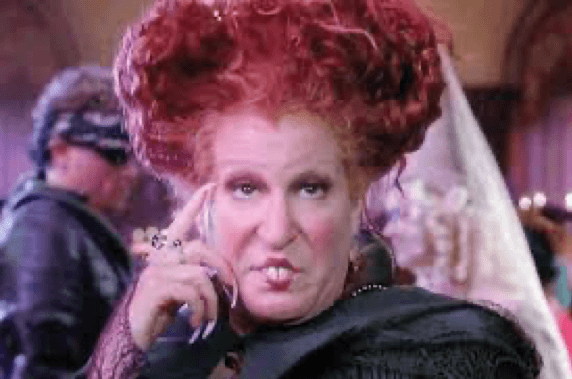
D. Jury verdict for Ms. Midler because the jury found that the advertising agency deliberately intended to include an imitation of Ms. Midler’s voice.
200
What entertainer’s right-of-publicity suit against the publishers of the Grand Theft Auto video game was dismissed because “the artistic renderings [as avatars in the game] are indistinct, satirical representations of the style, look, and persona of a modern beach-going young woman that are not reasonably identifiable as plaintiff”?
A. Lindsay Lohan
B. Tara Reid
C. Shannen Doherty
D. Jessica Simpson

A. Lindsay Lohan
200
In a case that eventually led to the recognition of rights of publicity in New York, a trademark dispute between the maker of the “Baby Ruth” candy bar and a company owned by baseball legend George H. “Babe” Ruth, resulted in a finding by the Court of Customs and Patent Appeals in favor of the Curtiss Candy Co. What was the basis of the CCPA’s ruling?
A. Curtiss’s use was not confusing because “Baby Ruth” was named after Grover Cleveland’s daughter Ruth.
B. Curtiss’s use of “Baby Ruth” preceded relevant use of the “Babe Ruth” mark by the baseball player.
C. The rights associated with the nickname “Babe” were owned by Mr. Ruth’s employer, the New York Yankees Baseball Club.
D. Babe Ruth did not complain about Curtiss’s use of “Baby Ruth” for seven years after introduction of the candy, and thus, he had acquiesced to Curtiss’s use.
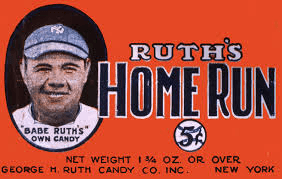
B. Curtiss’s use of “Baby Ruth” preceded relevant use of the “Babe Ruth” mark by the baseball player.
200
What state’s legislature in 2016 introduced the Personal Rights In Names Can Endure Act, which would have ensured that rights of publicity extend after death?
A. New York
B. Minnesota
C. Wisconsin
D. Michigan
B. 
(Or for the geographically challenged - Minnesota)
300
In Burck v. Mars, Inc., “the Naked Cowboy” sued the maker of M&M candy under various theories including right of publicity after the defendant created advertisements depicting one of its animated M&Ms carrying a guitar and wearing a cowboy hat, cowboy boots, and cowboy underwear. Which M&M was featured in the advertisements?
A. Blue
B. Brown
C Green
D. Red
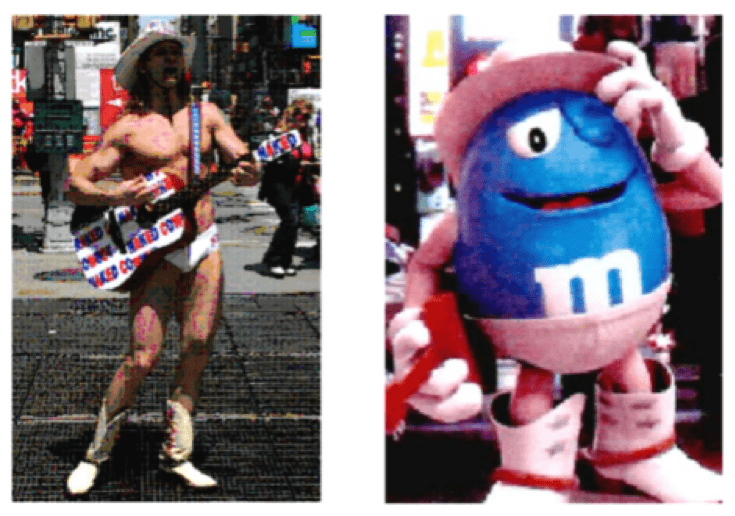
A. Blue
300
Famed dancer and movie star Ginger Rogers sued MGM/UA and other defendants in 1986 after they released a movie entitled, Federico Fellini’s “Ginger and Fred,” about a fictional dance pair that had made a living imitating Fred Astaire and Ginger Rogers. The defendants moved for summary judgment arguing that the characters in the film do not portray Rogers and Astaire, and the invocation of the dancers was “only as a reference . . . based on their well-deserved reputation as paragons of style and excellence in dancing.” What was the ruling on the summary-judgment motion?
A. Granted because the defendants’ use of plaintiff’s name in the title was artistic expression rather than commercial speech
B. Granted because the defendants’ film about two fictional dancers was transformative and was not intended to portray the plaintiff, and thus, defendants had the right to make fair use of plaintiff’s name in the title
C. Denied because the defendants admitted that the film was not about Rogers and Astaire but used Rogers’ first name in the title to commercialize the film based on her fame
D. Denied because there were fact issues whether in 1986 the first name “Ginger” in the film title would be associated with the plaintiff in a sufficient number of potential consumers
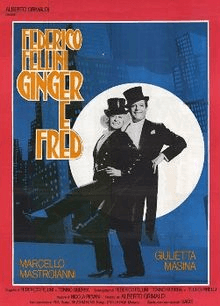
A. Granted because the defendants’ use of plaintiff’s name in the title was artistic expression rather than commercial speech
300
In 1988, Samsung ran a series of advertisements about the “future,” including:
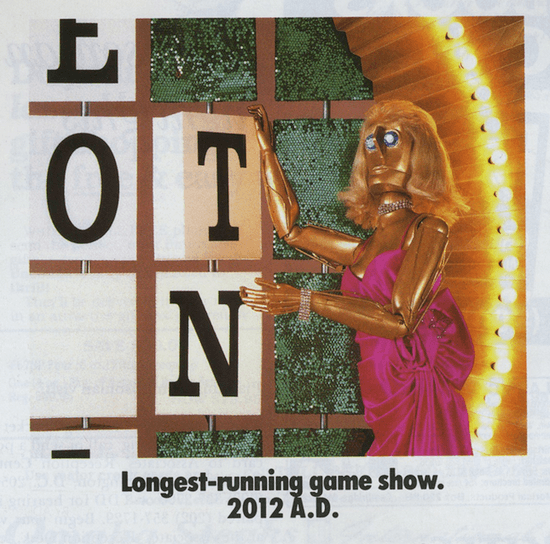
Vanna White sued Samsung and its advertising firm for infringing her rights under California’s (1) statutory right of publicity (Cal. Civ. Code § 3344), and (2) common law right of publicity. The district court granted summary judgment against Ms. White on all claims. On appeal, the 9th Circuit:
A. Affirmed the district court’s judgment on both the statutory and common law right of publicity.
B. Affirmed the district court’s judgment on statutory right of publicity, but reversed on the common law right of publicity.
C. Reversed the district court’s judgment on statutory right of publicity, but affirmed on the common law right of publicity.
D. Reversed the district court’s judgment on both the statutory and common law right of publicity.
B. Affirmed the district court’s judgment on statutory right of publicity, but reversed on the common law right of publicity.
300
In Hart v. Electronic Arts, the Third Circuit considered the intersection of the First Amendment and a plaintiff’s rights in his image and likeness, where his likeness was incorporated into the defendant’s NCAA Football video game. What analysis did the court adopt?
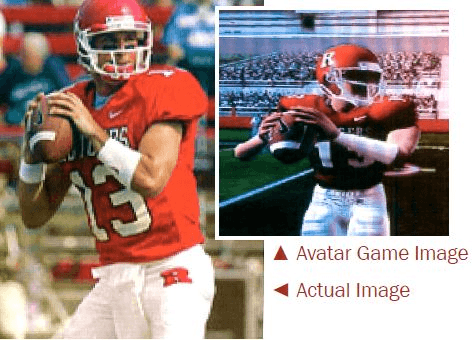
A. The court found that the First Amendment did not apply where the defendant’s use was purely commercial
B. The court applied a “Predominant Use Test,” which examines whether the defendant’s use predominantly exploits the commercial value of the plaintiff’s likeness, to determine whether the defendant’s use is protected by the First Amendment
C. The court applied the Rogers test, which analyzes right-of-publicity cases like Lanham Act false-endorsement claims
D. The court applied a “Transformative Use Test,” which analyzes right-of-publicity cases like copyright cases
D. The court applied a “Transformative Use Test,” which analyzes right-of-publicity cases like copyright cases
300
In a statute known as the “Buddy Holly Bill,” Texas established a statutory right of publicity in an individual’s name, voice, signature, photograph, or likeness where any of those has commercial value, but the right comes into existence only after the individual’s death. Which of the following is not true under the Texas statute?
A. The right of publicity applies to an individual whose name, voice, signature, photograph, or likeness did not have commercial value at the time of his or her death but came to have commercial value after the individual’s death.
B. The right of publicity is freely transferable both before and after the death of the individual.
C. The statutory right of publicity terminates 50 years after the individual’s death or when the individual’s name, voice, signature, photograph, or likeness ceases to have commercial value, whichever is earlier.
D. Media enterprises may use without consent a deceased individual’s name, voice, signature, photograph, or likeness in connection with coverage of a sporting event.
C. The statutory right of publicity terminates 50 years after the individual’s death or when the individual’s name, voice, signature, photograph, or likeness ceases to have commercial value, whichever is earlier.
400
In Apple Corps Ltd. v. Leber, the Los Angeles Superior Court, applying New York law, held that the Beatles-tribute group, Beatlemania, violated the Beatles’ right of publicity, rejecting the imitators’ First Amendment arguments that their show “was not simply imitation, but rather an historical overview of the 1960s.” As a remedy, the court imposed:
A. Nominal damages and no injunction
B. Nominal damages plus an injunction
C. A percentage of the defendants’ revenue but no injunction
D. A percentage of the defendants’ revenue and an injunction
D. A percentage of the defendants’ revenue and an injunction
400
What actor’s head was digitally added to the body of a male model wearing a butter-colored silk gown by Richard Tyler and Ralph Lauren heels in an image in the March 1997 issue of Los Angeles Magazine, prompting a lawsuit as to whether the actor’s rights-of-publicity had been violated?
A. Tom Cruise
B. Dustin Hoffman
C. Warren Beatty
D. Al Pacino
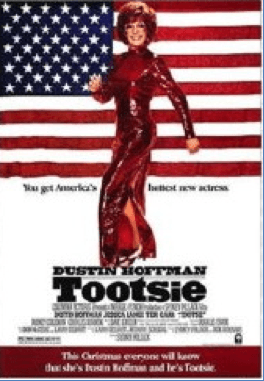
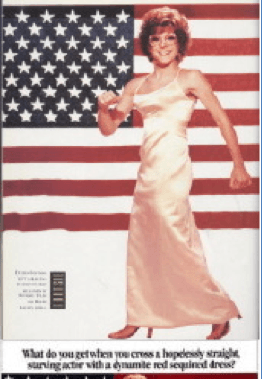
B. Dustin Hoffman
400
In Wendt v. Host International, the actors that played Norm and Cliff in the television series “Cheers” sued a company that had installed pairs of animatronic robots in airport bars modeled on the Cheers set. Although the actors had no rights in the characters from the sitcom, the Ninth Circuit held that fact issues precluded summary judgment on their right-of-publicity claims. What were the names of the two robots in the defendants’ bars?
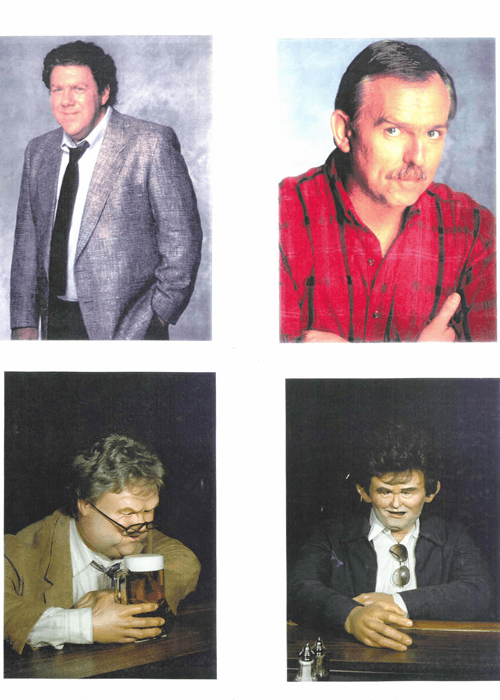
A. Joe and Frank
B. Sam and Chuck
C. Tom and Ralph
D. Bob and Hank
D. Bob and Hank
400
During the 1993 NCAA Basketball Tournament, a car company drew a comparison to former UCLA and LA Laker star Kareem Abdul-Jabbar by asking in a television commercial “Who holds the record for being voted the most outstanding player in the tournament?” and answering “Lew Alcindor,” Kareem’s former name. The ad then asked, “Has any car made the ‘Consumer Digest’s Best Buy’ list more than once?” What was the answer to that question, which gave rise to a right-of-publicity claim under California statutory and common law?
A. Ford Taurus
B. Chevrolet Impala
C. Oldsmobile Delta-88
D. Honda Accord
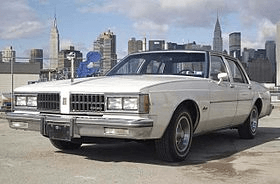
C. Oldsmobile Delta-88
400
How many states have some form of protection for rights of publicity?
A. 9
B. 23
C. 27
D. 32
C. 27