Cervical Spine
Skull
CONCUSSION & BRAIN INJURY
Clinical Scenarios
TMJ
100
This is the most prominent spinous process you can feel at the base of the neck.
What is C7 (vertebra prominens)?
100
This prominent bump on the back of the skull is often palpable.
occipital protuberance
100
This is the most common symptom immediately after a concussion.
What is a headache?
100
A patient says “yes” by nodding their head—this movement primarily occurs at which joint?
What is the atlanto-occipital joint?
100
This type of joint classification describes the TMJ.
What is a synovial hinge (modified hinge) joint?
200
This movement is primarily allowed between C1 and C2.
What is rotation?
200
These joints are commonly found between the bones of the skull.
What are sutures
200
This grading system or tool is commonly used on the sidelines to assess concussion
What is SCAT (Sport Concussion Assessment Tool)?
200
A patient cannot rotate their head side to side after trauma—what joint is most likely affected?
What is the atlanto-axial joint?
200
This structure separates the TMJ into superior and inferior compartments.
What is the articular disc?
300
How many total bones make up the skull?
22 bones
300
This should NOT be done to the nose or ear despite continuous fluid drainage.
What is plugging or packing it?
300
Clear fluid draining from the nose after head trauma suggests what?
What is CSF leak (basilar skull fracture)?
300
This mandibular movement is used to open the airway in a patient with a suspected cervical spine injury.
: What is the jaw-thrust maneuver (mandibular advancement/protrusion)?
400
This term describes joints that allow no movement.
What are synarthroses?
400
This condition occurs when a second concussion happens before recovery from the first.
What is Second Impact Syndrome?
500
This root word “arthron” means this in anatomy.
The prefix “syn-” in synarthrosis refers to
What is a joint?
Together
500
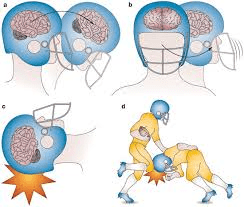 This serious neurological condition may result from axial load with flexion.
What is spinal cord injury (e.g., central cord syndrome or paralysis)?