While We Sleep
Sleep Deprivation
Sleep Disorders
Sleep Concerns and Fixes
Miscellaneous
100
An important aspect of functioning that our bodies do during sleep?
Reset, kind of like a fresh start for our body systems.
100
Various body functions which are altered by prolonged sleep deprivation are?
Mood, Memory, Motor Performance, Equilibrium, Natural and Cellular Immune functions are altered as a result of prolonged sleep deprivation.
100
What is Sleep Hygiene?
This term describes a set of practices that may help people get better sleep.
100
What are some habits that are good for daily sleep hygiene?
Daily exercise done at least 2 hours before going to bed.
100
How many average hours of sleep do teens get per night?
Teens tend to get 7 hours or less sleep per night.
200
What hormones are released during sleep that are particularly important to children and adolescents?
Our Growth hormones are released during sleep.
200
What are some physiological effects of prolonged sleep deprivation that can affect our ability to drive?
Blurred Vision, Fine-Motor Clumsiness, Decreased Reflexes, and Decreased Response Time are effects of prolonged sleep deprivation that can make driving dangerous.
200
What is sleep-onset insomnia?
Considered one of the most common sleep disorders in the world, it involves difficulties falling asleep.
200
Can a person collect sleep for later use, such as sleeping more over the weekend?
No so try to avoid the urge to collect sleep over the weekend, it only further complicates sleep patterns.
200
One of the most important factors that can aid in sleep is?
Going to bed and waking up at the same time every day including weekends is one of the most important factors that can aid in sleep. It keeps our circadian rhythm of wake and sleep happy and functioning correctly.
300
What does our heart rate do while we are sleeping?
Heart rates fall, which is good for our heart health, otherwise known as our cardiac health.
300
Can you think of other physiological effects to prolonged sleep deprivation?
Decreased ability to use reasoning and good judgement, Decreased Auditory and Visual Alertness, Cardiac Arrhythmias (Irregular heartbeat) can all be physiological effects of prolonged sleep deprivation.
300
***Daily Double***
What are Parasomnias?
Sleep walking, eating, talking or dream enactment which occur in a state that lies between sleep and wakefulness.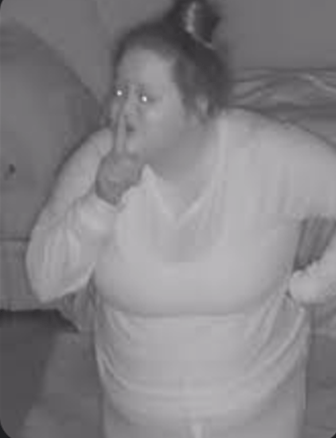
300
What are some habits people tend to do that should be avoided in the bedroom?
Using it for anything non-sleep related such as watching TV, scrolling on the phone, doing homework, playing video games.
300
What are some of the primary reasons that teens do not get more sleep?
School demands, part-time jobs, extra curricular activities such as sports, band, choir, cheer, and drama clubs at school, and the use of electronic devices, televisions, computers, smart phones, and/or video games in the bedroom.
400
We are sleeping, are our body tissues doing anything during sleep?
Our body tissues are in a state of healing while we sleep.
400
What are some Psychological impacts of prolonged sleep deprivation?
Can become Confused and Disoriented, Increased Sensitivity to Pain, Can become Irritable, Withdrawn, and Apathetic, Agitated, Hyperactive, Experience Decreased Motivation, and Excessive Sleepiness as a result of prolonged Sleep Deprivation.
400
The Sleep Disorder that causes one to stop breathing while asleep is called?
Sleep Apnea which can be caused by an obstruction of the airway, such as tongue dropping over the airway or caused by the brain signals firing incorrectly and not telling the body to take a breath.
400
What are some things that we can do to improve our ability to sleep when it is time to sleep?
Limiting caffeine consumption such as coffee, soda, and chocolate to earlier in the day and avoid heavy meals within 3 hours of bedtime.
400
What is the best temperature for sleeping?
Experts agree that the best temp is approximately 65 degrees and that it may vary by a few degrees from person to person but cooler temps are generally considered more conducive for sleeping well.
500
Do our brains sleep while we are sleeping?
Our brain tissue repair takes place while we are sleeping, which is important for cognitive restoration and memory.
500
What are some causes of sleep deprivation?
Lifestyle, Emotional Stress, Environment, Food and Caloric Intake, Exercise and Fatigue, Unusual Sleep Patterns, and Medications can all cause sleep deprivation.
500
What is Narcolepsy?
Sleep disorder causing sudden and uncontrollable need to sleep. It is often paired with Cataplexy, which can cause muscle weakness and falling when experiencing extreme emotions.
500
What are some helpful techniques for falling asleep and staying asleep when it is time to sleep?
Avoid bright lights to include screen time within 30 minutes of bedtime, use night lights and avoid looking at the clock if waking up to go to the restroom, avoid grabbing a snack while up, use room darkening measures like dark curtains, and just before sleep, use relaxation exercises, soft music, or white noise.
500
What is sleep?
Sleep is a state of reduced mental and physical activity as well as interactions with the surrounding environment.