Soil Erosion
Salty Soil
Pesticides
Fertilizer
Videos to Help Explain Concepts
100
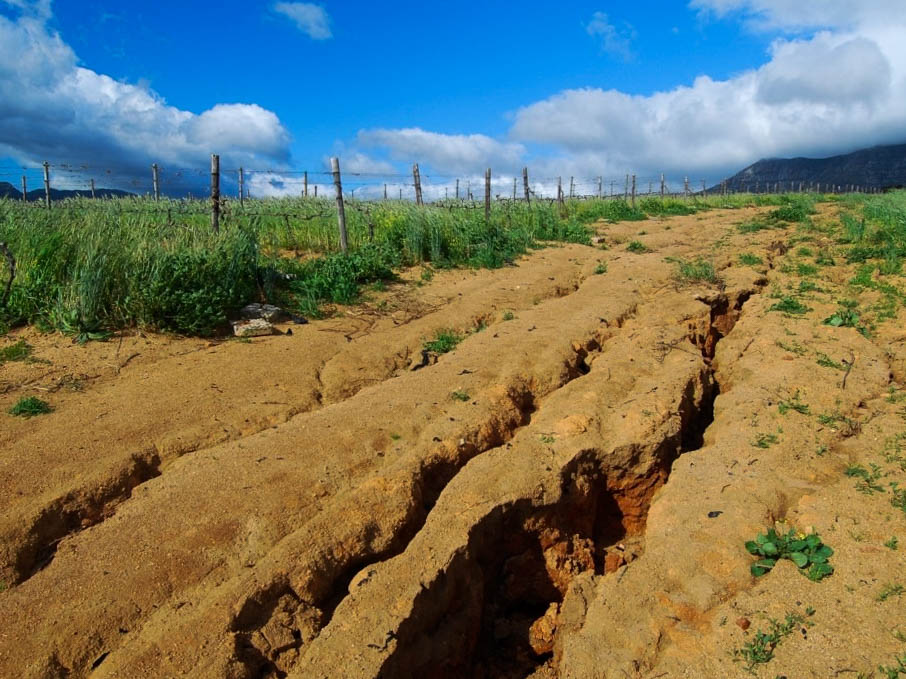
What is erosion?
Erosion is the washing or blowing away of the top layer of soil.
100
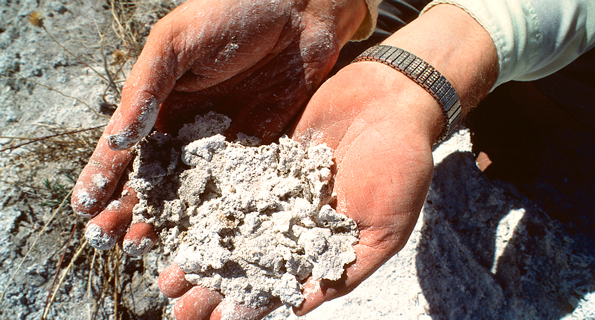
Is salt bad for our soil?
It depends how much! A small amount of salt is naturally found in our soil! For example, salt is added to our soil through the rain and the ocean. However, too much salt can be very damaging!
100
What are pesticides?
Pesticides are substances used to destroy pests, such as insects or weeds

100
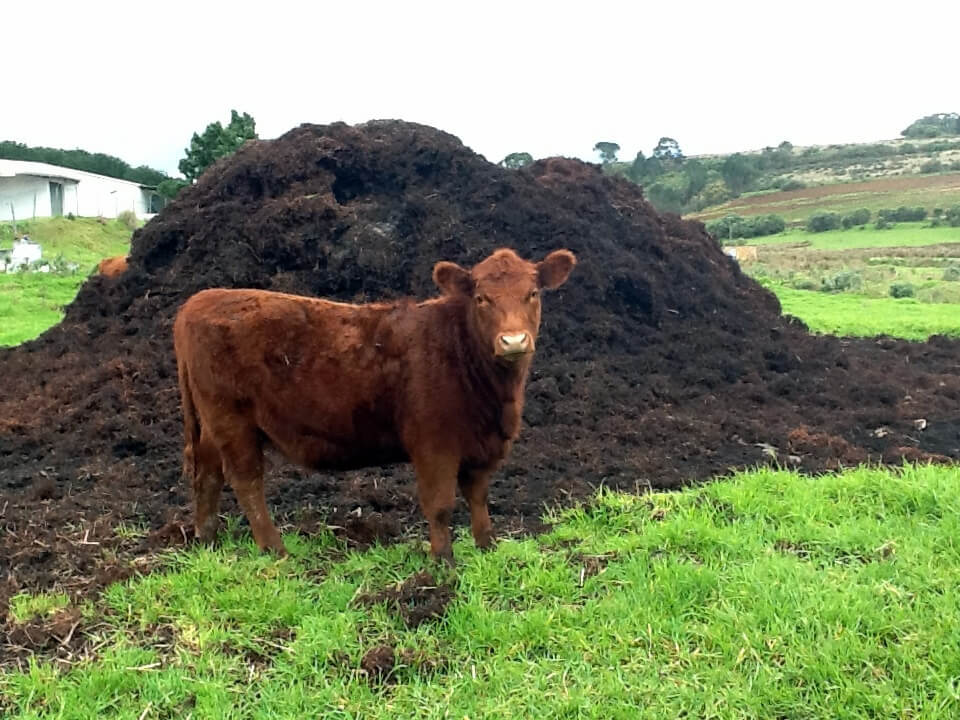
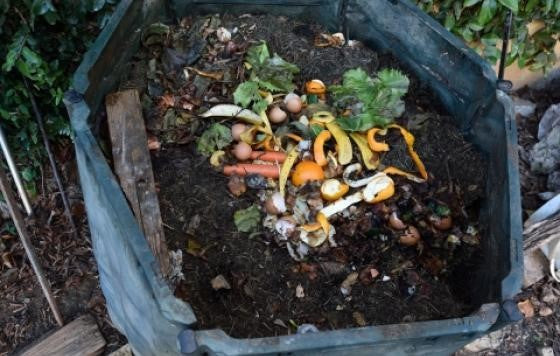
What is fertilizer?
Fertilizer is any material added to soil that helps the plants grow. Some examples include compost and manure.
100
How does fertilizer help plants grow?
Fertilizer helps plants grow by giving them extra food from the soil. Plants need food to grow strong and healthy, just like people need food to grow. Fertilizer gives plants things they might not get enough of in the soil, so their roots grow deep, their stems grow tall, and their leaves grow big and green. It also helps flowers, fruits, and seeds grow better.
Without fertilizer, plants might grow slowly, stay small, or not be very healthy. But if we use too much fertilizer, it can hurt the plants and the soil, so we have to use just the right amount.
200
What are 3 natural causes of erosion?
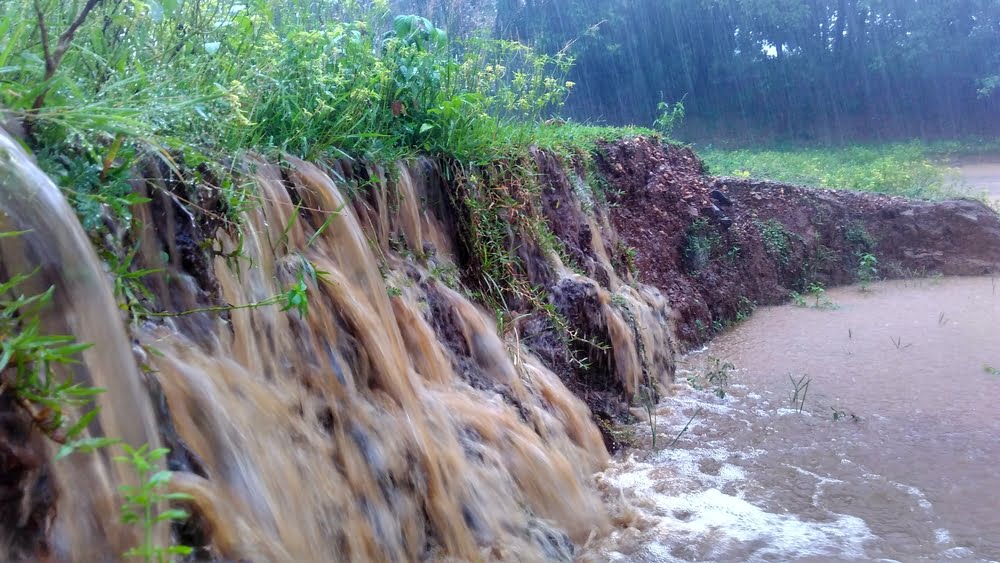
Erosion can happen naturally through wind, water, or ice!
- Strong wind can pick up loose sand and dirt and carry it away.
- When water falls from the sky or flows in a river, it can wash away soil and small rocks.
- When water freezes, it turns into ice. As the ice grows, melts, or moves, it can crack and break rocks. The broken pieces can then be carried away 
200
Why is adding salt to our soil harmful?
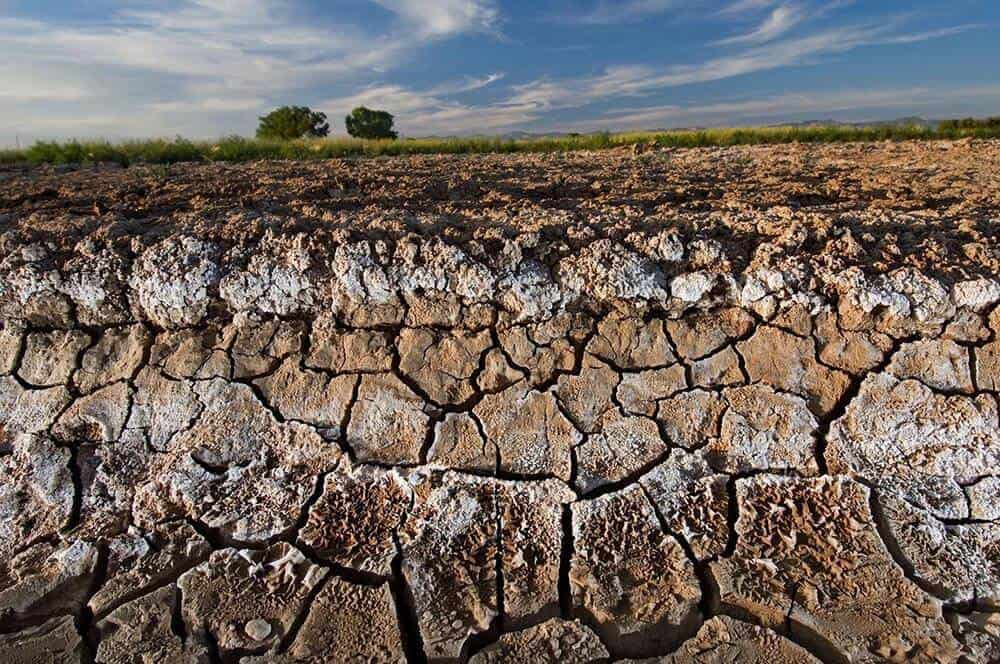
Too much salt makes it hard for plants to take in water through their roots. This can make plants grow slowly, become very weak, and can even cause them to die.
200
Are pesticides good for soil?
No! Pesticides can be very harmful to soil. They can hurt the tiny living things that keep soil healthy, like worms and bacteria. These creatures help make the soil soft and full of nutrients for plants. When pesticides kill them, the soil becomes weaker and less good for growing plants. Pesticides can also stay in the soil for a very long time.

200
What is compost?
Compost is a type of fertilizer that is made out of natural materials.

200
What is vermicomposting?
Vermicomposting (worm compost) is a special type of compost! Vermicomposting is when vegetable food scraps are fed to a special type of earthworm called a red wiggler! These compost bins can be kept indoors!
300
What are 3 ways humans contribute to erosion?
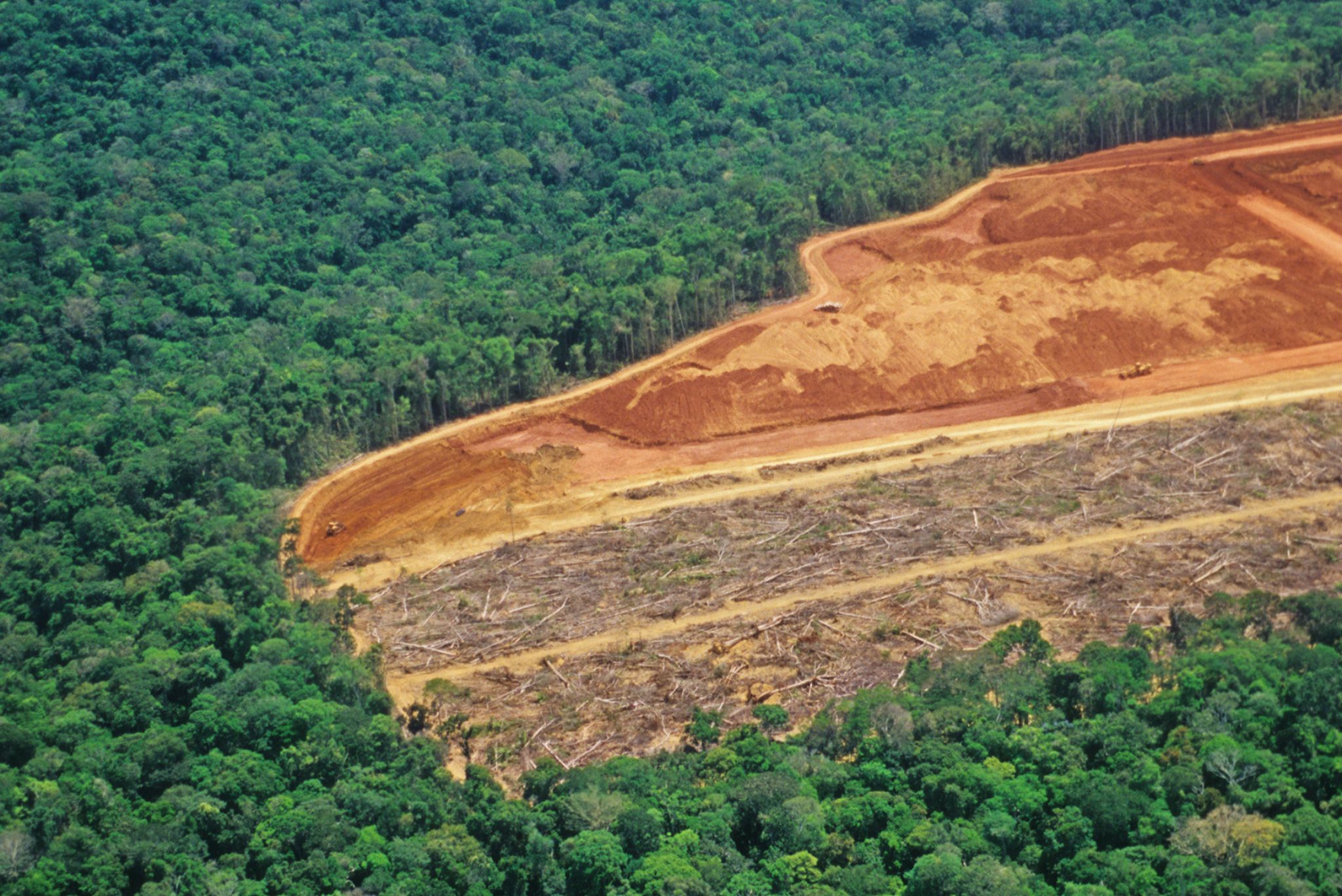
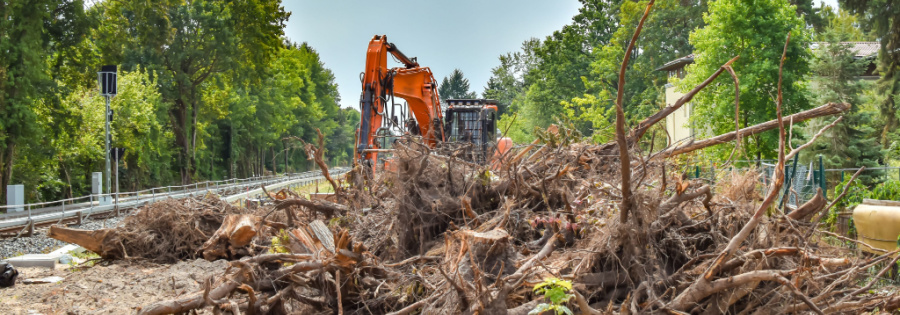
Humans cause erosion by: (1) cutting down trees, (2) removing shrubs and plants, (3) having too many animals on farmland

300
Why would humans add salt to soil?
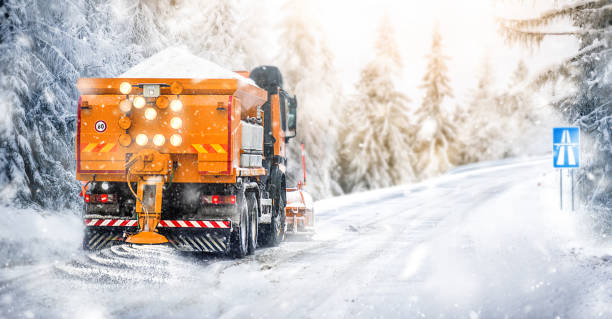
Humans often add salt to soil when they spread it on roads in winter. The salt helps melt ice and makes the roads safer for cars and people. The salt can wash into the soil and make it harder for plants and animals to live there. To reduce salt usage, try mixing your salt with some sand! The salt will help melt the ice and the sand will help with grip!
300
Do pesticides only hurt the soil and plants where people spray them?
No! Pesticides can float through the air and land on all sorts of places, like playgrounds, porches, toys, pools, and even your laundry or furniture.

300
How is compost made?
Compost is made by letting food scraps, leaves, and yard waste break down over time. Tiny bugs and microorganisms help turn these materials into dark, crumbly soil that is full of nutrients for plants.

300
How are weathering and erosion different?
Weathering is when a rock breaks into smaller pieces but doesn’t move.
Erosion is when those pieces get carried away to a new place.
Weathering = breaks it
Erosion = moves it
400
Does erosion happen quickly or slowly?
Most of the time, wind, rain, and rivers wear away soil and rocks very slowly over many years. But sometimes, big storms, floods, or landslides can move lots of soil very quickly.

400
How can we keep salt from building up in the soil?
Using less salt on roads or near gardens
Adding sand or gravel in areas where salt is used so we don’t need as much salt.
Using natural fertilizers like compost instead of salty chemical ones
400
Share one story you learned about how pesticides were harmful to an animal.
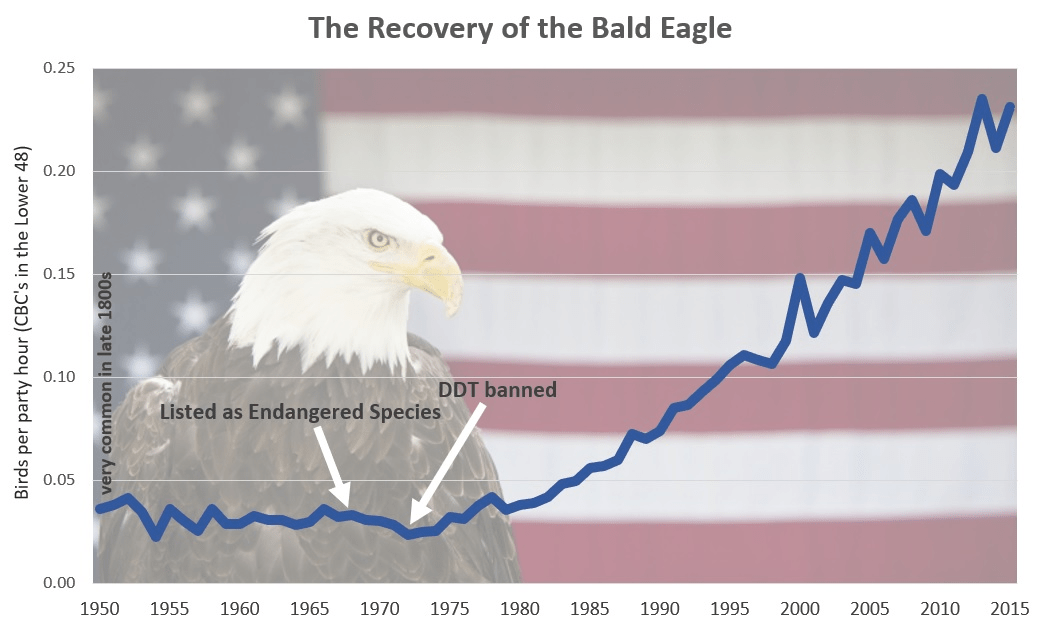
We learned about a pesticide called DDT that was used a lot between the 1940s and 1970s. Farmers sprayed it on crops, and then small animals, like rats, ate the crops and got the pesticide in their bodies. The pesticide moved up the food chain, and eventually it reached bald eagles at the top. The DDT made the eagles’ eggs have very thin shells that would crack when the mom sat on them. Because of this, bald eagles became endangered. DDT was finally banned in 1972, and since then, the bald eagle population has grown a lot and is now very strong.**note - you do not need to know the story in this much detail!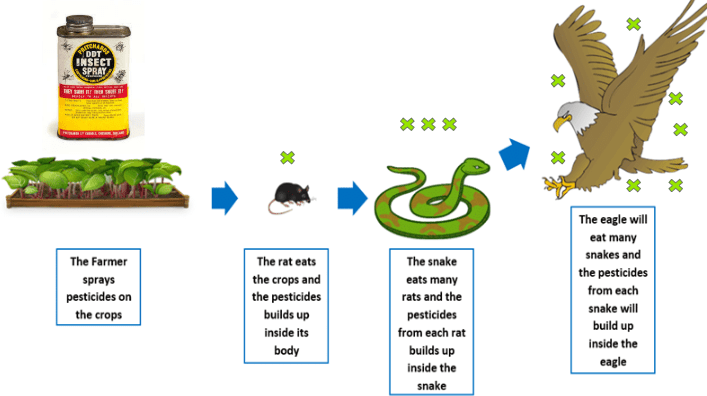
400
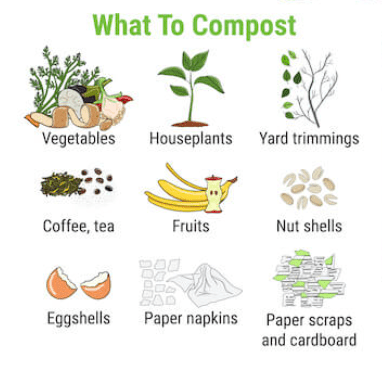
What are 5 items that are good for compost? What are 5 items that are bad?
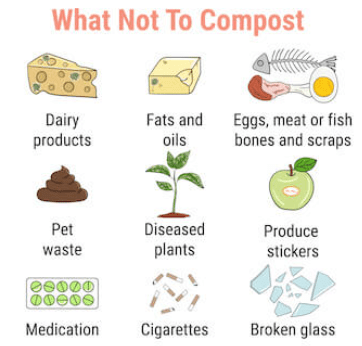
400
How does composting help save our planet?
Reduces garbage – Instead of throwing food and yard waste into the trash, we can turn it into compost. This means less garbage in landfills.
Helps plants grow – Compost is full of nutrients that make soil healthy. Healthy plants grow better and help the environment.
Reduces pollution – Food and yard waste in landfills can make bad gases that hurt the Earth. Composting stops this.
Saves resources – When we compost, we use less chemical fertilizer, which is better for the soil, water, and animals.
Helps fight climate change – Composting keeps bad gases out of the air, which helps slow down global warming.