Astronomical Objects
Astronomical Objects 2
Vocabulary
Sun, Earth, Moon
Randomness
100
This is a giant sphere or ball of gases that produces light and heat.
What is a star?
100
What is the name of the Galaxy we live in?
The Milky Way
100
This makes objects that are very far away appear much closer. Used to observe the universe.
What is a telescope?
100
This ocean and shoreline phenomenon is due to the gravitational pull of the Moon, and to a lesser extent, the sun
What are Tides?
100
The Moon shines at night because ___________.
a. It produces it's own light
b. It reflects light from the Sun back to Earth
c. It reflects light from the Earth back to the Sun
b. It reflects light from the Sun back to Earth
200
What is made up of the sun and all of the objects that travel around it?
What is the Solar System?
200
1. The inner 4 planets are mostly made of:
2. The outer 4 planets are mostly made of:
1. Rock and Metal
2. Gases such as Hydrogen and Helium
200
What force keeps the planets in orbit?
Gravity
200
This equals one revolution around the Sun.
What is a year?
200
The amount of time it takes the Moon to complete one full revolution around Earth.
~ 1 month
The amount of time it takes for the moon to go through it's phases
300
Name 2 of the 4 inner planets.
What is Mercury, Venus, Earth and Mars?
300
Objects made of mostly ice, dust, and gas that form a "tail" when close to the sun.
What are comets?
300
This is a planet's path around the Sun.
What is orbit?
300
This equals one rotation of Earth around its axis.
What is one day?
300
Identify the number of:
High Tides per day:
Low Tides per day:
High Tides per day: 2
Low Tides per day: 2
400
Name 2 of the 4 outer planets?
What is Jupiter, Saturn, Uranus, and Neptune?
400
Small pieces of space rock. Known as a Meteor when they enter the atmosphere, and a Meteorite when they strike the Earth
What are Meteoroids?
400
This means to spin around an axis.
What is rotate?
400
Equals one revolution of the Moon around the Earth
27 days, 1 month
400
Identify the location of each of the 3 objects:
Meteorite, Meteor, Meteoroid
1. Space -
2. Atmosphere -
3. Earth's Surface -
1. Space - Meteoroid
2. Atmosphere - Meteor
3. Earth's Surface - Meteorite
500
This is the largest planet in the solar system.
What is Jupiter?
500
These are large pieces of space rock with irregular shapes and is found between Mars and Jupiter.
What is an asteroid?
500
This means to travel in a path around another object.
What is revolve?
500
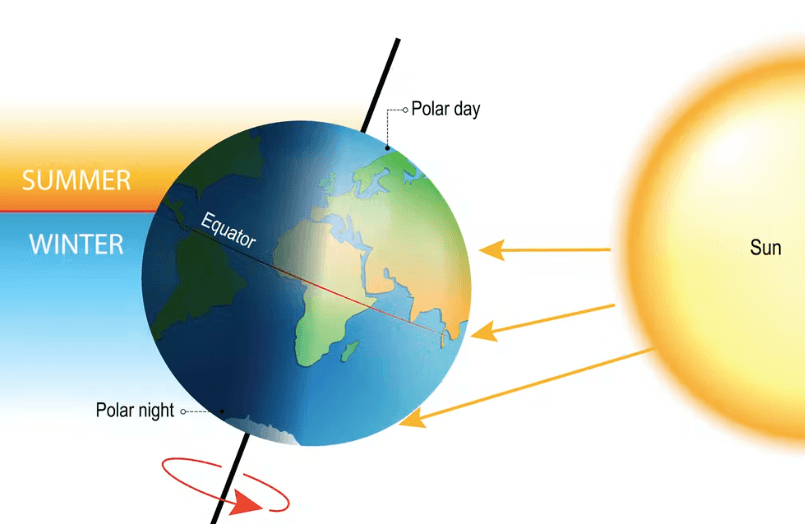
The reason we have 4 seasons
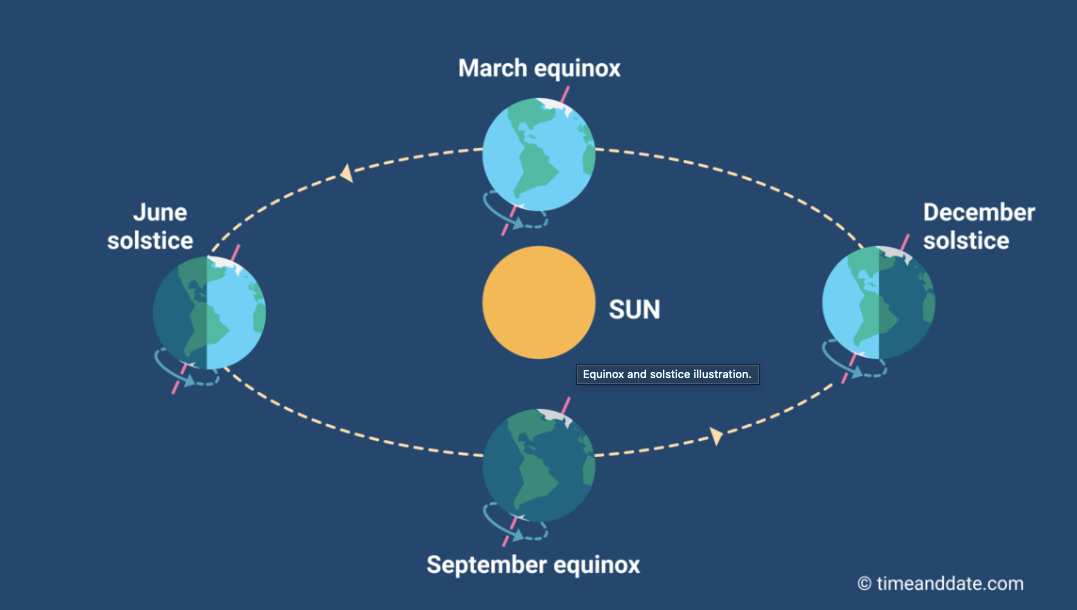
What is the tilt of the Earth's axis?
500
What object in our Solar has the strongest Gravity? What object has the second strongest gravity?
1. The Sun
2. Jupiter
600
The smallest planet, and also orbits closest to the sun
What is Mercury?
600
Objects that orbit another object, can be natural or artificial
What are satellites?
600
This is the imaginary line through the middle of Earth or any sphere.
What is an axis?
600
When the Moon moves into the Earth's shadow.
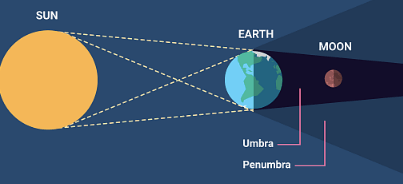
What is a Lunar Eclipse?
600
What 2 things determine the strength of an objects Gravity on another object?
1. Mass (amount of matter). The more massive, the stronger the gravity
2. Distance - the closer the two object are, the stronger the force of gravity between them is
700
The second largest planet
What is Saturn?
700
This is a round object that is smaller than a planet but is not a moon. Pluto is an example
What is a dwarf planet?
700
Label the three phases of the moon.
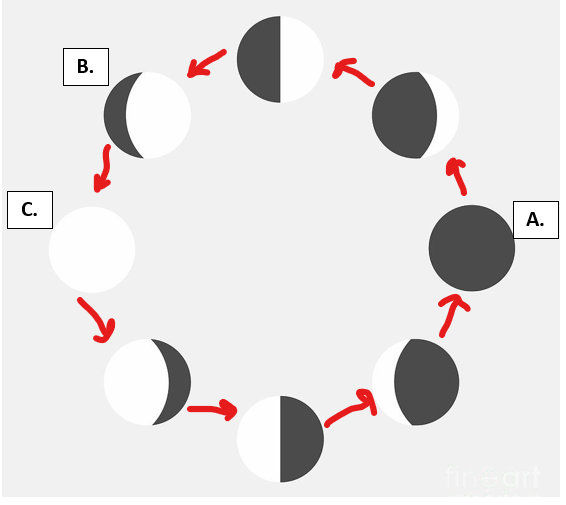
What is...
A. New Moon
B. Waxing Gibbous
C. Full Moon
700
When the Moon passes in front of the Sun, blocking the Sun and casting a shadow on the Earth
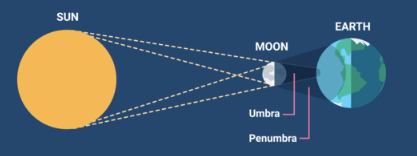
What is a Solar Eclipse?
700
Not considering size and composition, what is 1 difference between the outer (gaseous) and inner (rocky) planets?
The relative distance between them.
Orbital (revolution) periods
Strength of Gravity
Temperatures